
 Save 15% on your 1st Autoship learn more

 Email us
 Live Chat
 FAQs
FAQs





Introduction
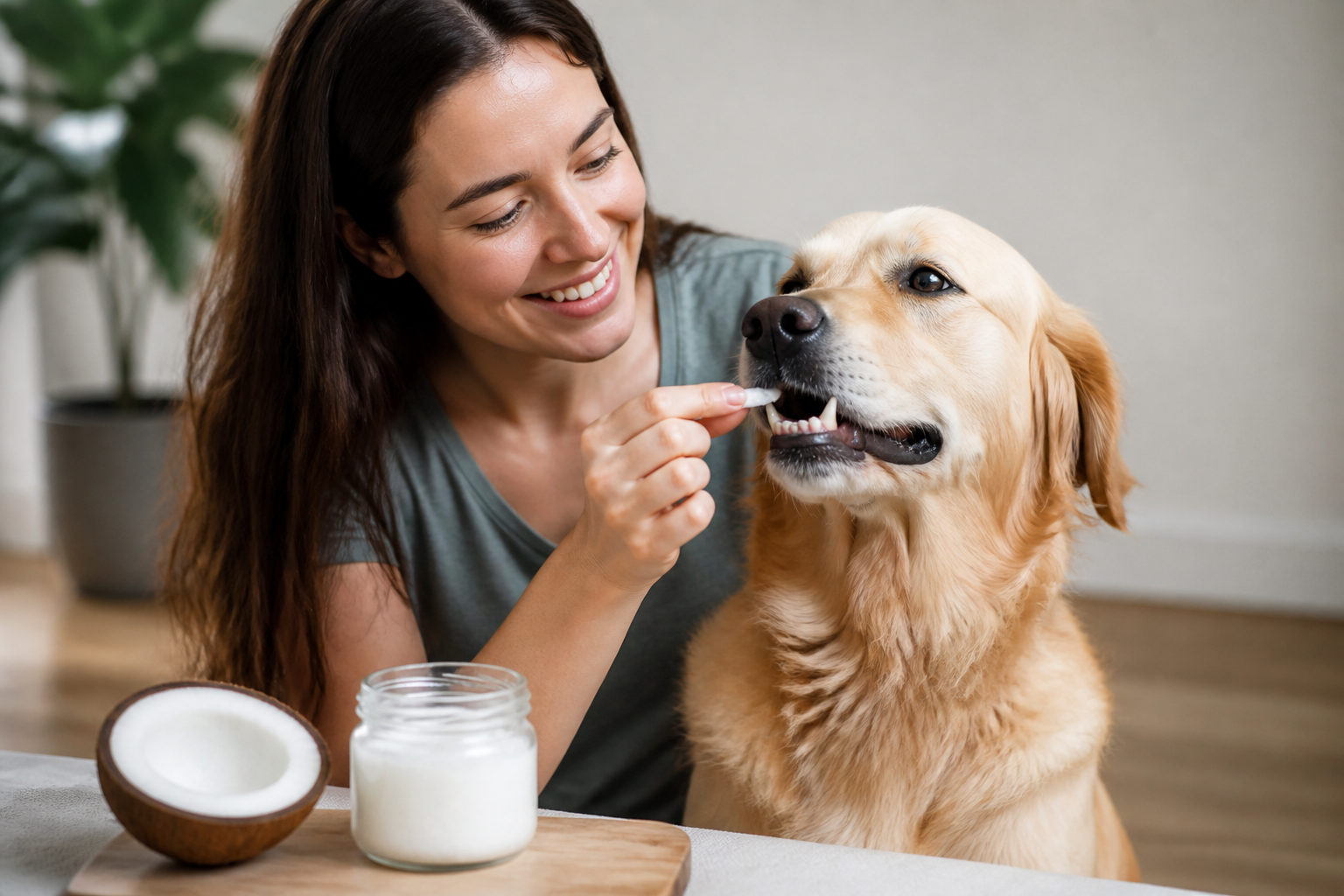
Your dog might love a good game of fetch, but they probably do not feel the same way about a toothbrush. Watching a dog dodge and weave when the dental kit comes out is a common struggle for many owners. If you are looking for a more natural or palatable alternative to traditional toothpaste, you might have heard about coconut oil. At BaxterBoo, we believe that dental hygiene does not have to be a battle of wills. This post covers the benefits of coconut oil for canine teeth, how to apply it safely, and where it fits into a larger oral health plan. While it is not a magic wand for tartar, it is a versatile tool for keeping your dog's mouth fresher and their gums healthier. Using coconut oil is a practical way to support your dog’s wellness between professional cleanings.
Quick Answer: Yes, you can use coconut oil to clean your dog’s teeth. It contains lauric acid, which has antimicrobial properties that help reduce plaque-causing bacteria and freshen breath. While beneficial, it should supplement regular brushing rather than replace it entirely.
The Science Behind Coconut Oil and Dental Health
Coconut oil is mostly made of medium-chain triglycerides, or MCTs. The standout component for dental health is lauric acid. This fatty acid makes up about half of the fat content in coconut oil. Research shows that lauric acid is highly effective at killing various bacteria, fungi, and viruses. In a dog's mouth, this means it can target the specific bacteria that lead to plaque buildup and gum irritation.
When bacteria thrive in the mouth, they form a sticky film called plaque. Over time, this plaque hardens into tartar. Tartar is much harder to remove and often requires a professional veterinary cleaning. By using a substance like coconut oil that actively fights bacteria, you are slowing down the rate at which plaque can form. It changes the environment of the mouth to be less hospitable to harmful microbes.
Another benefit involves volatile sulfur compounds. These are the gases produced by bacteria that cause "dog breath." Lauric acid helps neutralize these compounds. This results in a cleaner smell that is not just masking the odor with a scent but actually reducing the source of the smell.
Key Takeaway: The lauric acid in coconut oil acts as a natural antimicrobial agent. It helps disrupt the formation of plaque and reduces the bacteria that cause bad breath.
Key Benefits for Your Dog's Mouth
Beyond just fighting bacteria, coconut oil offers several distinct advantages for canine oral care. Because it is an oil, it provides a physical lubricant that can make the brushing process more comfortable for dogs with sensitive mouths.
Soothing Irritated Gums
If your dog has mild redness along the gumline, coconut oil can help. Its anti-inflammatory properties may soothe sensitive tissue. When you rub it onto the gums, it provides a protective barrier and helps keep the tissue moisturized. Healthy gums are the foundation of healthy teeth. Keeping them calm and hydrated prevents the tiny cracks or sores that bacteria love to inhabit.
Palatability and Cooperation
One of the biggest hurdles in dog dental care is the taste of toothpaste. Many dogs find the artificial mint or poultry flavors of commercial pastes off-putting. Most dogs genuinely enjoy the taste of coconut oil. Using it as a "toothpaste" can turn a stressful chore into a rewarding experience. When a dog associates the toothbrush with a treat they like, they are much more likely to sit still for the session.
Supporting Enamel Health
While coconut oil does not "repair" enamel in the way a medical treatment might, it helps maintain a healthy pH balance in the mouth. An acidic mouth environment can lead to faster enamel erosion. By neutralizing acids and reducing bacterial waste products, coconut oil helps preserve the natural strength of the teeth.
Vet Tip: If you notice your dog has bleeding gums, loose teeth, or a sudden change in eating habits, skip the home remedies and call your veterinarian. These can be signs of advanced periodontal disease that require professional intervention. You can also review warning signs of dental disease in dogs.
How to Safely Clean Your Dog's Teeth with Coconut Oil
Consistency is more important than intensity when it comes to dental care. You do not need to spend twenty minutes scrubbing. A few minutes of focused effort several times a week can make a significant difference.
The Finger-Brushing Method
For dogs that are new to dental care, start with your finger. This is less intimidating than a plastic brush.
Step 1: Put a small amount of solid or semi-solid coconut oil on your fingertip.
Step 2: Let your dog lick a little bit off first so they know it is a treat.
Step 3: Gently lift their lip and rub the oil onto the outer surfaces of the teeth and gums.
Step 4: Use a circular motion, focusing on the back molars where plaque accumulates most.
Using a Toothbrush
Once your dog is comfortable with your finger, you can transition to a soft-bristled dog toothbrush. The bristles help reach into the crevices between teeth and just under the gumline. Apply the coconut oil directly to the bristles. The oil will naturally soften as it enters the mouth.
Add it to a "Lick Mat"
If your dog absolutely refuses a brush, you can spread a thin layer of coconut oil on a textured lick mat. As the dog licks the mat to get the oil, their tongue rubs against their teeth and gums. This provides a mechanical cleaning action. While not as thorough as brushing, it is a great "low-effort" option for busy days.
For additional tools, explore our dog dental and breath care collection.
Choosing the Best Coconut Oil
Not all coconut oil is the same. The way the oil is processed determines how much of the beneficial lauric acid remains in the final product.
Look for Virgin or Unrefined
You want to see the words "virgin," "extra virgin," or "unrefined" on the label. This means the oil was extracted without the use of high heat or harsh chemicals. Refined coconut oil is often bleached and deodorized. This process can strip away the very nutrients you are trying to provide. Unrefined oil also has that distinct coconut scent that dogs love.
Cold-Pressed is Preferred
Cold-pressing is a method of extraction that keeps the oil at a low temperature. This preserves the molecular structure of the fatty acids. It ensures that the antimicrobial properties are at their peak.
Check the Ingredient List
A jar of coconut oil should have exactly one ingredient: coconut oil. Avoid any products with added sweeteners, preservatives, or flavorings. Be especially careful to avoid Xylitol. While rare in pure oils, some "nut butter" style pet treats contain this sweetener, which is highly toxic to dogs.
Understanding the Risks and Limitations
While coconut oil is a fantastic tool, it is not a cure-all. There are specific considerations you should keep in mind to ensure your dog stays healthy.
Calorie Management
Coconut oil is pure fat. It contains about 120 calories per tablespoon. If you have a small dog or a dog prone to weight gain, those calories add up fast. Always factor the oil into your dog’s daily caloric intake. You may need to slightly reduce their meal portions or other treats on days you use a significant amount of oil for their teeth.
Digestive Sensitivity
Introducing too much fat too quickly can lead to loose stools or diarrhea. Always start with a tiny amount, perhaps a quarter teaspoon. Monitor your dog's digestion for 24 hours. If their stool remains firm, you can gradually increase the amount.
Pancreatitis Concerns
Some dogs are predisposed to pancreatitis, a serious condition triggered by high-fat meals. If your dog has a history of pancreatitis or a sensitive stomach, talk to your vet before using coconut oil. For these dogs, even a small amount of extra fat can be dangerous.
Bottom line: Coconut oil is a safe, effective supplement for most dogs, but its high fat content requires careful portion control to avoid weight gain or digestive upset.
Integrating Coconut Oil into a Total Dental Routine
Effective dental care is a multi-layered approach. Coconut oil works best when it is part of a broader strategy that includes diet, mechanical cleaning, and professional oversight.
High-Quality Diet and Chews
What your dog eats affects their teeth. At our warehouse in Vernon Hills, we see how much of a difference the right food makes. We carry brands like Farmina, Royal Canin, and Stella and Chewy's that focus on high-quality ingredients. Some formulas are specifically designed with a kibble shape that helps scrub teeth as the dog eats.
In addition to food, provide functional dental chews. Brands like Greenies or RedBarn offer treats that are designed to withstand significant chewing. This mechanical action helps scrape away the plaque that coconut oil has helped loosen. For more ideas, browse our dental food and treats.
You can also compare options in our guide to dental chews for dogs.
The Role of Our Pharmacy
Sometimes, home care is not enough. If your vet diagnoses a dental infection or advanced disease, your dog may need prescription intervention. Our pet pharmacy offers FDA-approved medications and prescription pet foods through our partnership with Pet's Choice. This includes specialized diets like Farmina Vet Life or Royal Canin Veterinary Diet Dental formulas. These are specifically balanced to manage oral health in ways that over-the-counter products cannot. Having access to a real pharmacy ensures that your dog gets the exact support they need for chronic health issues.
Professional Cleanings
No amount of coconut oil or brushing can remove calcified tartar once it has formed. Think of your dog’s dental care like your own. You brush and floss daily, but you still go to the dentist twice a year. Your dog needs that same professional look. A veterinarian can clean under the gumline where a toothbrush cannot reach. They can also take X-rays to check for bone loss or abscesses.
For broader guidance, read our top pet dental care tips.
Creating a Positive Habit
The goal is to make dental care a bonding moment rather than a struggle. If you are stressed, your dog will be stressed. Use the coconut oil as a way to slow down and spend time with your pet.
- Keep the sessions short. One minute is better than zero minutes.
- Pick a time when your dog is relaxed, like after a long walk.
- Always end the session with praise or a favorite toy.
- Be patient. It may take weeks for a nervous dog to accept a toothbrush.
By using products we carry at BaxterBoo, such as specialized brushes or dental wipes, you can tailor the routine to your dog's specific personality. We have seen that the most successful pet owners are those who find a routine they can actually stick to every day.
Summary of Dental Care Steps
- Consult your vet to ensure your dog’s mouth is healthy enough for home brushing.
- Select a high-quality, unrefined coconut oil.
- Introduce the oil slowly to avoid digestive issues.
- Use a finger or soft brush to apply the oil to the teeth and gums.
- Support the routine with dental chews and a clean diet.
- Monitor for signs of pain or advanced tartar.
Key Takeaway: Success in dog dental care comes from combining the antimicrobial benefits of coconut oil with mechanical brushing and regular veterinary check-ups.
Conclusion
Cleaning your dog's teeth does not have to be a chore they dread. Coconut oil offers a natural, tasty, and effective way to fight bacteria and keep gums healthy. It is one of the most practical tools in a pet owner's kit, especially for dogs who are picky about traditional toothpaste. By starting slow and staying consistent, you can help prevent the buildup of plaque and keep your dog's breath fresh. Remember that while coconut oil is helpful, it is just one piece of the puzzle. A complete routine involves the right food, functional chews, and professional veterinary care. For all your dental care needs, from finger brushes to prescription diets, we are here to help. You can find everything required to maintain your dog's smile in our Medical & Mobility section or through the BaxterBoo pharmacy.
FAQ
Can coconut oil really replace dog toothpaste?
While coconut oil has antimicrobial properties that help clean the mouth, it does not always contain the same abrasive or enzymatic ingredients found in specialized dog toothpaste. It is an excellent natural alternative for dogs who refuse standard pastes, but many owners find that alternating between the two provides the most thorough cleaning. Always ensure any commercial toothpaste you use is specifically formulated for dogs and does not contain Xylitol.
How much coconut oil should I use for my dog’s teeth?
For the purpose of cleaning teeth, you only need a small amount, usually about a teaspoon or less, depending on the size of your dog. You are not trying to feed them a full meal of oil; you are simply using enough to coat the teeth and gums. If you are also adding it to their food for other health benefits, consult your vet to determine a safe daily dose based on their weight and activity level.
Will coconut oil make my dog gain weight?
Because coconut oil is very high in fat and calories, it can lead to weight gain if it is not accounted for in your dog's daily diet. If you use it every day for brushing, you should reduce their caloric intake from other sources to keep their weight stable. Small dogs are particularly susceptible to weight gain from even small amounts of added fats.
Is coconut oil safe for puppies?
Generally, coconut oil is safe for puppies once they are on solid food, but you should be extra cautious with the amount. Puppies have very sensitive digestive systems and are more prone to upset stomachs when new fats are introduced. Start with just a tiny smear on your finger to get them used to the sensation of having their teeth touched, which is a vital part of puppy training and socialization. You can also review our guide to puppy teething.






