
 Save 15% on your 1st Autoship learn more

 Email us
 Live Chat
 FAQs
FAQs





Introduction
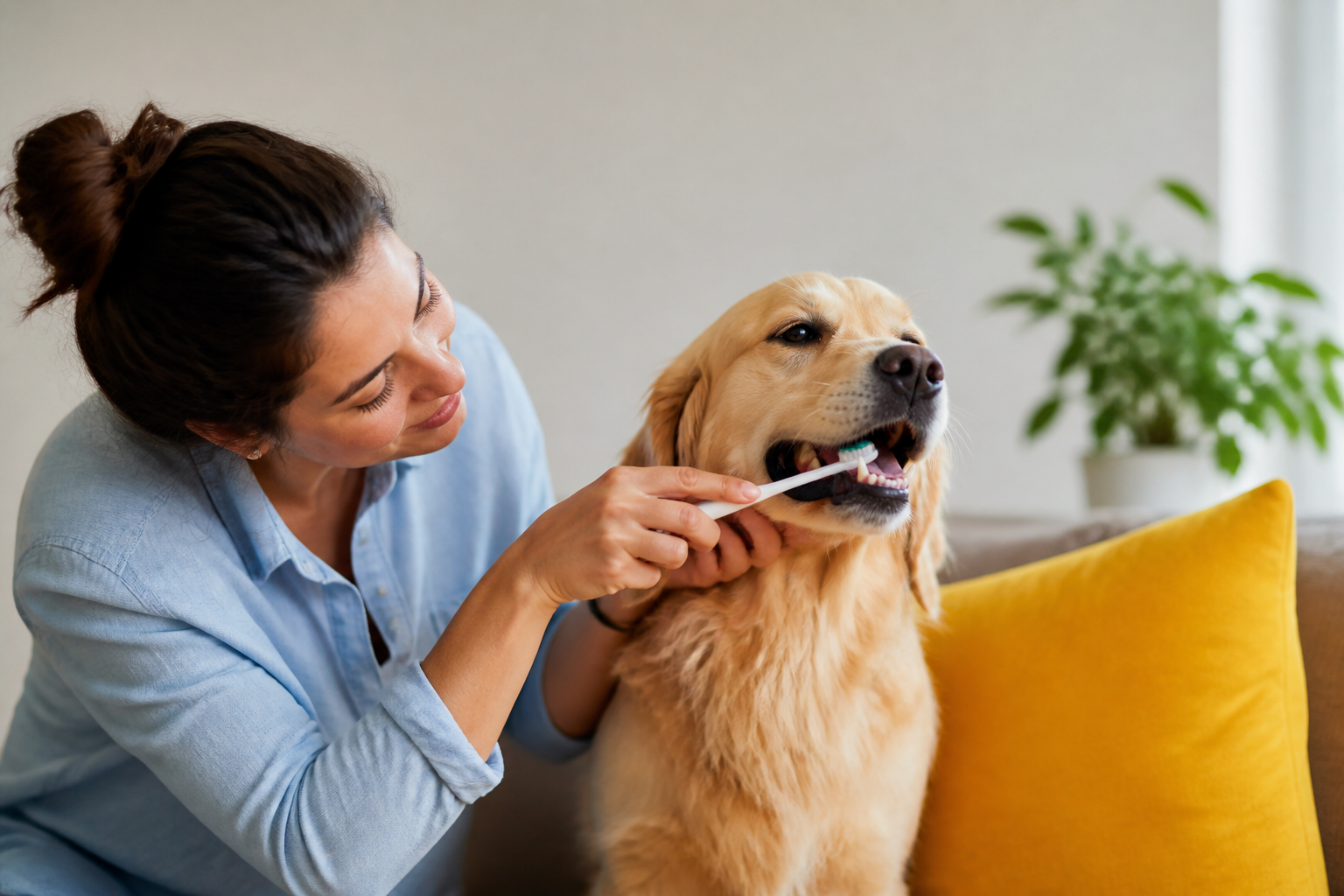
You are finally relaxing on the couch when your dog hops up for a snuggle. They lean in for a lick, and you are hit with a wave of breath so strong it makes you recoil. It is a common moment for many pet owners. You might look at your own tube of toothpaste on the bathroom counter and wonder if a quick scrub with it would help. However, what is safe for you can be dangerous for your best friend. At BaxterBoo, we believe that understanding the "why" behind pet safety is just as important as the "how." This post will explain the risks of human products and the benefits of pet-specific formulas. You will learn the safest ways to clean your dog's teeth and how to build a routine that lasts.
Quick Answer: You should never use human toothpaste to clean a dog's teeth. Many human formulas contain ingredients like xylitol and fluoride that are toxic to dogs. Always use a toothpaste specifically formulated for pets that is safe to swallow and flavored to their liking.
The Hazards of Human Toothpaste
It is tempting to think that a tiny amount of your peppermint toothpaste will not hurt. However, dogs do not know how to spit. They swallow everything you put in their mouths. Human toothpaste is designed with the assumption that it will be rinsed and spat out. Because of this, it contains several ingredients that can cause serious health issues for a dog.
One of the biggest threats is xylitol. This is an artificial sweetener found in many sugar-free products and toothpastes. In dogs, xylitol causes a rapid and severe drop in blood sugar. It can also lead to liver failure or even death. Even a small amount is a medical emergency. If you suspect your dog has ingested a product containing xylitol, you should contact a veterinarian or an animal poison control center immediately.
Fluoride is another concern. While it helps strengthen human enamel, it is toxic to dogs in large quantities. Since dogs swallow the paste, the fluoride builds up in their systems. This can cause severe stomach upset and, over time, lead to more serious toxicity. High sodium levels in some toothpastes can also make a pet feel ill or lead to electrolyte imbalances.
Why Baking Soda is Not a Great Alternative
Some people suggest using plain baking soda as a DIY solution. While it is not as toxic as xylitol, it is still not ideal. Baking soda has a very high alkaline content. If a dog swallows too much, it can upset the natural acid balance in their stomach and digestive tract.
Furthermore, baking soda tastes terrible to most dogs. If you use something that tastes salty or bitter, your dog will likely fight you during the process. This turns a health routine into a stressful battle. Pet-specific toothpastes come in flavors like beef, poultry, and malt to make the experience feel like a treat rather than a chore.
The Reality of Canine Dental Disease
Dental health is not just about keeping breath fresh. It is a critical pillar of your dog's overall wellness. Experts estimate that over 80 percent of dogs over the age of three suffer from some form of periodontal disease. This is an inflammation or infection of the tissues that support the teeth.
It starts with plaque, which is a sticky film of bacteria. Within 24 to 48 hours, plaque combines with minerals in the saliva to harden into tartar. Once tartar forms, it cannot be brushed away with a toothbrush. It requires a professional cleaning under anesthesia. If left untreated, this bacteria can enter the bloodstream. It can then travel to the heart, liver, and kidneys, causing permanent organ damage.
Vet Tip: If your dog has red, swollen gums or bleeds when you brush, they may already have gingivitis or periodontal disease. Always consult your veterinarian before starting a brushing routine if you notice these signs. Brushing an infected mouth can be very painful for your pet.
For additional guidance on recognizing oral health concerns, read our post on warning signs of bad teeth in dogs.
Choosing the Right Pet Toothpaste
When you browse our dog dental care collection, you will see many options. The best choices are often enzymatic formulas. These contain natural enzymes like glucose oxidase. These enzymes work to break down organic matter and bacteria. The best part is that they keep working even after you stop brushing.
Here is what to look for on a label:
- Enzymatic action to fight plaque and tartar.
- Flavors your dog enjoys (beef, poultry, or peanut butter).
- A clear statement that it is safe to swallow.
- The VOHC (Veterinary Oral Health Council) Seal of Acceptance.
The VOHC seal is a gold standard. It means the product has been rigorously tested and proven to reduce plaque or tartar buildup. While many excellent products do not have the seal because the application process is voluntary, seeing it provides an extra layer of confidence.
For a poultry-flavored option, consider Virbac C.E.T. Enzymatic Pet Toothpaste for Dogs and Cats.
Essential Tools for the Job
You cannot use a standard human toothbrush for most dogs. The bristles are often too stiff and can hurt their sensitive gums. Additionally, the shape of a human brush is not built for the angles of a dog's jaw.
Dog-Specific Toothbrushes
These often have angled handles. This allows you to reach the back molars without forcing the mouth wide open. Some brushes have multiple heads. These wrap around the tooth to clean the front, back, and top at the same time.
Finger Brushes
Many owners find these much easier to use. A finger brush is a small rubber or silicone sleeve that fits over your index finger. It has soft bristles on one side. This gives you better control and allows you to feel exactly where you are brushing. This is especially helpful for puppies or dogs who are nervous about long objects in their mouths.
Gauze or Microfiber Cloths
If your dog is very resistant to a brush, a simple piece of gauze wrapped around your finger is a good starting point. It provides enough texture to scrub away soft plaque without the "scary" look of a plastic tool.
Key Takeaway: Proper dental care requires tools specifically designed for canine anatomy. Using the right toothpaste and brush makes the process safer and much more effective at preventing disease.
How to Brush Your Dog's Teeth Step by Step
Brushing should be a gradual process. You cannot expect a dog to sit still for a full cleaning on the first day. It takes patience and positive reinforcement.
Step 1: Introduce the flavor. / Put a small dab of pet toothpaste on your finger. Let your dog lick it off. Do this for a few days until they get excited when they see the tube.
Step 2: Get them used to mouth handling. / Gently lift your dog's lips and rub your finger along their gums. Do not use a brush yet. Reward them with praise and a small treat afterward.
Step 3: Introduce the brush. / Put some toothpaste on the brush and let them lick it. This helps them associate the tool with the tasty flavor.
Step 4: Start the scrubbing motion. / Gently brush the large canine teeth and the back cheek teeth. These are the areas where tartar builds up fastest. Aim for a 45-degree angle toward the gum line.
Step 5: Increase the time. / Gradually work your way around the entire mouth. You only need to focus on the outside surfaces. The dog's tongue usually keeps the inside surfaces relatively clean.
Bottom line: Aim for 30 to 60 seconds of brushing per side at least three times a week.
For more practical guidance, explore our pet dental care tips.
Managing Advanced Dental Needs
Sometimes, basic brushing is not enough. Some dogs are genetically prone to dental issues. Smaller breeds like Pugs, Yorkies, and Chihuahuas often have crowded teeth. This creates small gaps where bacteria thrive.
If your veterinarian discovers significant dental disease, they might recommend a prescription diet. Our pharmacy carries FDA-approved prescription pet foods through our partnership with Pet's Choice. Brands like Royal Canin and Farmina Vet Life offer specialized kibble designed to scrub teeth as the dog eats. Because these are medical diets, you will need a prescription from your vet.
Using our dog pharmacy is a convenient way to get these specialized foods delivered right to your door. We also offer FDA-approved medications if your dog needs antibiotics for a mouth infection or pain relief after a professional dental extraction.
Alternatives to Brushing
We know that some dogs simply will not tolerate brushing. If you have tried the gradual approach and your dog still reacts with extreme stress or aggression, there are other ways to help. These are not as effective as brushing, but they are better than doing nothing.
Dental Chews and Treats
Products like Greenies or dental sticks from Kong are designed to encourage chewing. The texture of these treats helps scrape away plaque. Look for chews that are the right size for your dog. A chew that is too small can be a choking hazard.
You can explore our dog treats category for dental chews and other reward options.
Dental Toys
Rubber toys with nubs or ridges can help clean teeth while your dog plays. Some toys allow you to smear pet toothpaste into the grooves. As the dog chews, the paste is distributed across their teeth and gums.
Water Additives
These are liquids you pour into your dog's water bowl. They contain enzymes or ingredients that help kill bacteria in the mouth. This is the easiest option for owners of very difficult pets, though it should be used alongside other methods for the best results.
Healthy Diet Choices
Dry kibble is generally better for teeth than wet food. The crunching action provides a mechanical cleaning effect. You can also add supplements to their diet. We carry brands like Cosequin and Zesty Paws that support overall health, which helps the body fight inflammation and infection.
Setting Up a Long-Term Routine
Consistency is the most important part of dental care. Brushing once a month does very little to stop the progression of tartar. You should aim for daily brushing, but three times a week is the minimum for real results.
To make it easier, pair brushing with an existing habit. You might brush their teeth right after your evening walk or before you go to bed. Making it part of a routine helps your dog know what to expect.
We want to make it as easy as possible for you to maintain this habit. Our Autoship program is perfect for dental supplies. You can set your favorite toothpaste and brushes to arrive on a regular schedule. This ensures you never run out and gives you a discount on your orders. Plus, you get a free MVP Gold membership, which helps you earn rewards on every purchase.
Signs of Dental Pain to Watch For
Dogs are very good at hiding pain. They will often continue to eat even if their teeth are rotting. You need to be observant to catch problems early.
Check for these symptoms:
- Dropping food while eating.
- Pawing at the face or mouth.
- Chewing on only one side of the mouth.
- Excessive drooling.
- Blood in the water bowl or on chew toys.
- A sudden change in personality, such as irritability.
- Swelling under the eyes (often a sign of a tooth root abscess).
If you see any of these signs, a vet visit is necessary. These symptoms often indicate that a tooth needs to be pulled or that there is a deep infection that requires medication from a pharmacy.
Professional Cleanings
Even with perfect home care, most dogs will eventually need a professional cleaning. A veterinarian can clean below the gum line where your brush cannot reach. They also take X-rays to check the health of the tooth roots.
Think of your home brushing as "maintenance" and the vet visit as a "deep clean." Doing the maintenance at home means your dog will need professional cleanings less often. It also means those professional cleanings will be faster and less expensive because there is less damage to repair.
Summary of Best Practices
Caring for your dog's teeth is an investment in their longevity. By avoiding human toothpaste and using the right tools, you prevent toxic exposures and painful infections.
- Never use human toothpaste or baking soda.
- Use an enzymatic pet toothpaste in a flavor they like.
- Start slow and use plenty of praise.
- Focus on the back cheek teeth and the outsides of the teeth.
- Supplement brushing with dental chews and toys.
- Consult your vet if you see signs of pain or infection.
Our team at BaxterBoo has been helping pet owners since 2006. We handpick every product we carry to ensure it meets high standards for safety and effectiveness. Whether you need a finger brush for a new puppy or a prescription diet for a senior dog, we have the expertise to guide you.
Bottom line: Daily brushing with pet-safe toothpaste is the single most effective way to prevent painful dental disease and extend your dog's life.
Conclusion
Keeping your dog’s mouth clean does not have to be a stressful experience. While you cannot use your own toothpaste, the wide variety of pet-safe options makes it easy to find something your dog will enjoy. A little bit of patience in the beginning goes a long way toward a lifetime of healthy smiles.
- Choose a high-quality enzymatic toothpaste.
- Find a brush or cloth that feels comfortable for you and your dog.
- Build the habit slowly with rewards.
- Watch for signs of pain and seek veterinary help when needed.
If you are ready to start a dental routine, check out our selection of dog dental care products. You can also talk to your vet about our pharmacy options for advanced care. Signing up for our MVP Rewards programme is a great way to save money while you invest in your pet's health.
FAQ
Can I use a human toothbrush on my dog? You can use a very soft toothbrush designed for human babies if your dog is small. However, standard human toothbrushes are usually too hard and can hurt a dog's gums. It is much better to use a brush specifically designed for dogs because the angles are better for their mouths.
What happens if my dog swallows human toothpaste? If your dog swallows human toothpaste, check the label immediately for xylitol. If xylitol is listed, you must take your dog to an emergency vet right away as it is life-threatening. If it does not contain xylitol, your dog may still experience stomach upset, vomiting, or diarrhea from the fluoride and detergents.
Is baking soda safe for cleaning dog teeth? Baking soda is not toxic in tiny amounts, but it is not recommended as a primary toothpaste. It can upset a dog's stomach if swallowed and the taste is often unpleasant for them. It also lacks the beneficial enzymes found in pet-specific toothpastes that help break down plaque and tartar.
How often should I realistically brush my dog's teeth? While daily brushing is the goal for the best health results, most veterinarians recommend at least three times a week. Brushing less than that allows plaque to harden into tartar, which cannot be removed without professional help. Consistency is more important than the length of the brushing session.






