
 Save 15% on your 1st Autoship learn more

 Email us
 Live Chat
 FAQs






Introduction
You are relaxing on the couch with your cat when you notice a sprinkling of white specks across their back. You might wonder if you are looking at simple dander or if your cat has developed a case of dandruff. At BaxterBoo, we understand that these tiny flakes can be a source of worry for any dedicated pet owner. While both involve skin cells, one is a completely normal part of being a cat and the other is a signal that your cat needs a little extra care. This post covers the physical differences between dander and dandruff, what causes those stubborn flakes, and how you can support your cat's skin health. Understanding this distinction is the first step in keeping your feline friend comfortable and their coat shiny.
Quick Answer: Cat dander is microscopic and invisible to the naked eye, representing the normal shedding of healthy skin cells. Cat dandruff consists of visible white or yellowish flakes that often indicate dry skin, poor grooming, or underlying health issues.
Understanding Cat Dander
Every cat has dander, regardless of their breed or hair length. Even hairless cats produce these tiny particles. Dander consists of microscopic bits of skin that naturally shed as new skin cells grow underneath. This is a continuous, healthy biological process. It is the feline version of the way human skin constantly renews itself.
You cannot see dander without a microscope. Because it is so small and lightweight, it easily becomes airborne. This is why people with allergies often react even if a cat is not in the room. The dander floats through the air and settles on furniture, carpets, and curtains. It is a persistent part of the indoor environment in any home with a cat.
The Role of Allergens
Most people believe they are allergic to cat hair, but the true culprit is often found in the dander. Cats produce a specific protein called Fel d 1. This protein is found in their saliva, skin glands, and anal glands. When a cat grooms themselves, they spread this protein across their fur and skin.
As the skin naturally sheds, the protein hitches a ride on the dander. Because dander is so light, it carries the allergen into every corner of your home. Reducing dander entirely is impossible because it is a sign of healthy skin turnover. However, managing the environment can help minimize its impact on the humans in the house.
Key Takeaway: Dander is a healthy and invisible byproduct of normal skin renewal that exists on every cat, serving as the primary carrier for common feline allergens.
Cat Skin & Coat Care
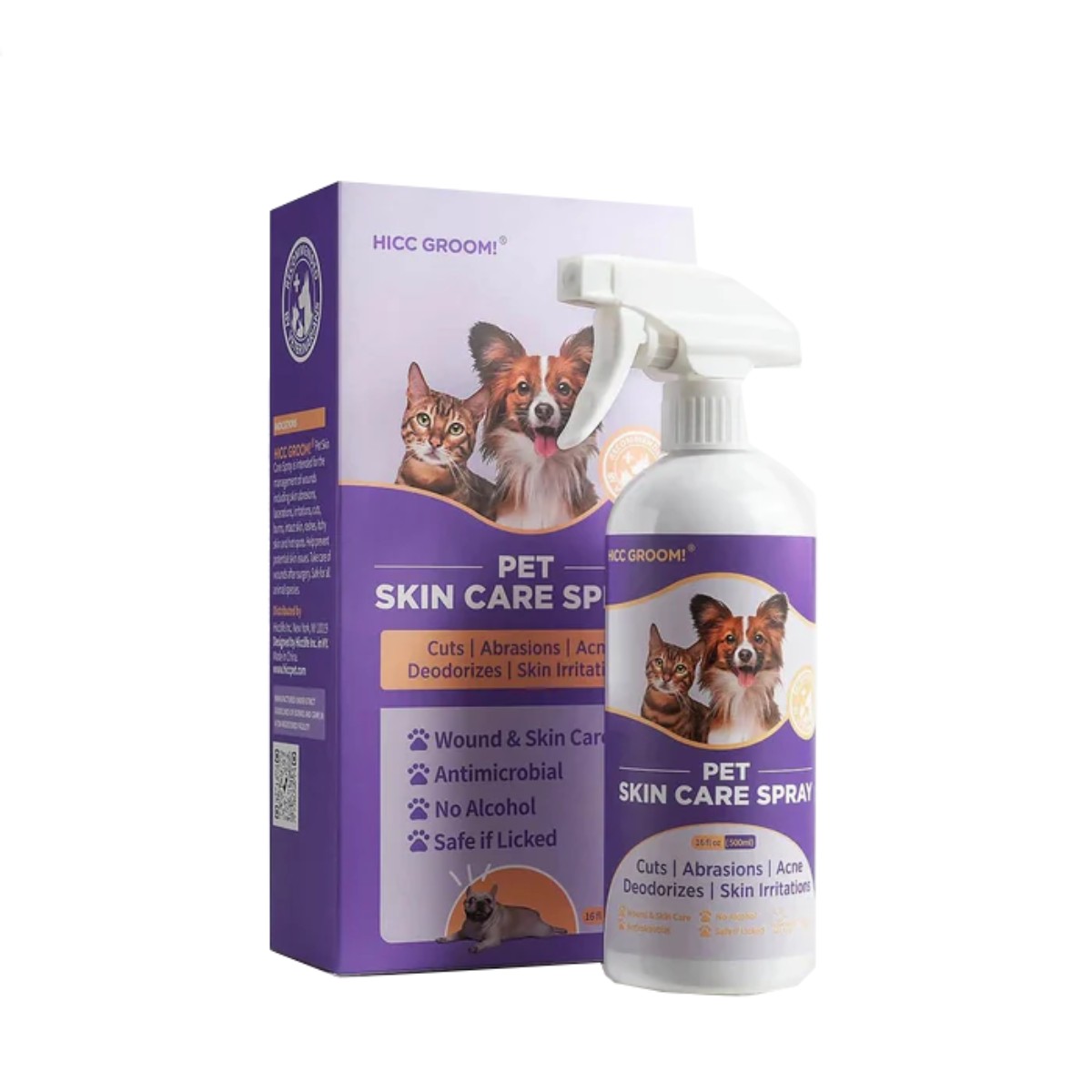

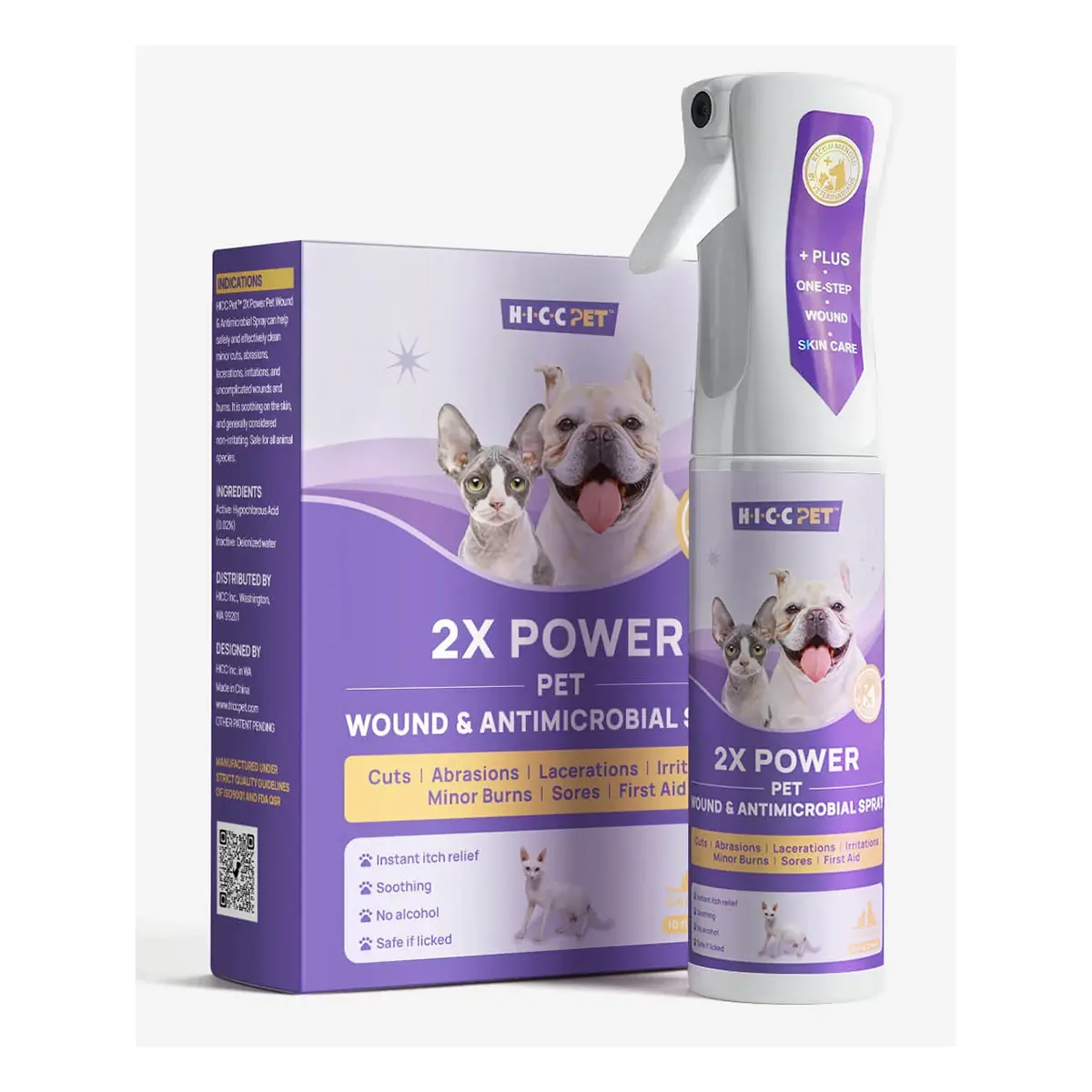


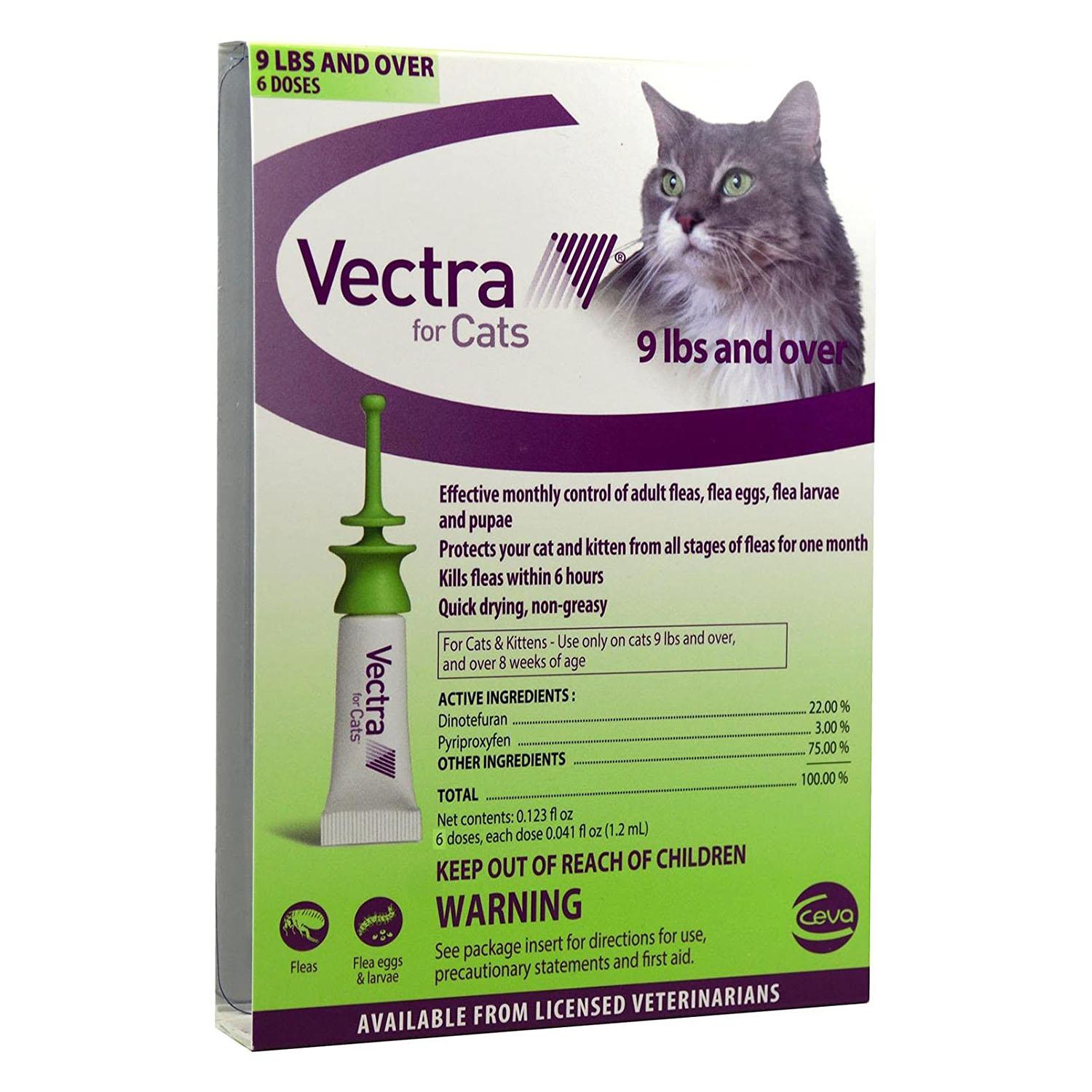


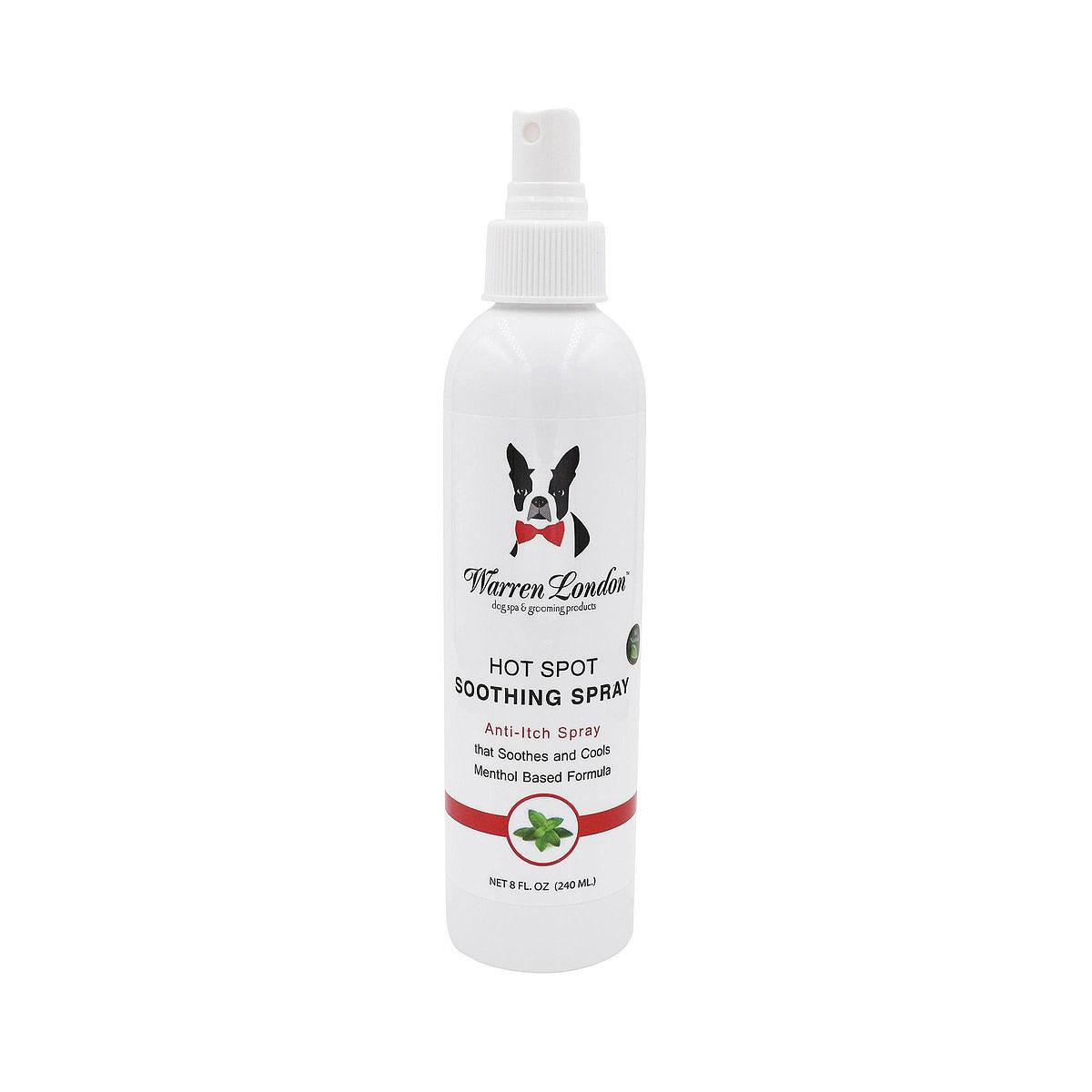



Identifying Cat Dandruff
Dandruff is different because you can actually see it. If you notice white, gray, or yellowish flakes on your cat's fur, you are looking at dandruff. These flakes are much larger than dander particles. They often clump together and become trapped in the hair. You might see them most clearly on cats with dark coats or on the spots where your cat sleeps.
Dandruff is not a disease itself. Instead, it is a symptom. It tells you that the skin is shedding cells faster than normal or that the skin's natural oils are out of balance. When you see these flakes, it is time to look closer at your cat's routine and overall health.
Dry vs. Oily Dandruff
Not all dandruff looks the same. Dry dandruff usually appears as small, white, dusty flakes. It often happens when the air is dry or when the cat is slightly dehydrated. If you pet your cat and a cloud of white dust rises, it is likely dry dandruff.
Oily dandruff looks more like yellowish scales. These flakes might feel greasy to the touch. They often stick to the skin or clump the fur together. This type of dandruff happens when the sebaceous glands produce too much oil, which is known as sebum. This excess oil traps dead skin cells, causing them to flake off in larger, heavier chunks.
Comparing Cat Dander vs Dandruff
Distinguishing between these two can be simple once you know what to look for. Use this comparison to determine what is happening with your cat's coat.
| Feature | Cat Dander | Cat Dandruff |
|---|---|---|
| Visibility | Invisible to the naked eye | Visible white or yellow flakes |
| Size | Microscopic | Large enough to see on fur |
| Health Status | Normal and healthy | Abnormal; a sign of an issue |
| Texture | Dust-like and airborne | Flaky, waxy, or greasy |
| Location | Everywhere in the home | Primarily on the cat's coat and bedding |
| Cause | Natural skin cell turnover | Dryness, oil imbalance, or illness |
Bottom line: If you can see the flakes, it is dandruff; if you can only feel the allergy symptoms, it is likely dander.
Common Causes of Flaky Skin in Cats
When dandruff appears, it is usually because the skin's natural barrier has been compromised. Several factors can lead to this. Identifying the cause is the only way to clear up the flakes effectively.
Grooming Challenges
Cats are famous for their grooming habits. They spend a large portion of their day cleaning themselves with their sandpaper-like tongues. This process does more than just keep them clean. It also removes loose hair and dead skin cells while distributing natural oils across the coat.
If a cat stops grooming effectively, dead skin cells build up. This leads to visible dandruff. This often happens in senior cats who develop arthritis. If it hurts to reach their back or hindquarters, they will stop cleaning those areas. You will often see a strip of dandruff along the spine of an older cat who can no longer reach that spot.
Obesity is another common hurdle. If a cat is overweight, they physically cannot reach certain parts of their body. These "blind spots" quickly become dry and flaky. Regular brushing is essential for cats who cannot maintain their own coats. At BaxterBoo, we carry a variety of cat grooming tools and brushes to help you step in when your cat needs a hand.
Nutritional Gaps
The skin is the largest organ in a cat's body. It requires a lot of energy and specific nutrients to stay healthy. If a cat's diet is low in essential fatty acids, their skin will be the first thing to suffer. Omega-3 and Omega-6 fatty acids are crucial for maintaining the moisture barrier of the skin.
Low-quality proteins can also lead to a dull, flaky coat. Cats are obligate carnivores. They need high-quality animal protein to produce healthy skin cells and hair. If their food is filled with too many fillers, their coat will eventually show signs of neglect.
Environmental Dryness
The air inside your home plays a big role in your cat's skin health. During the winter months, many people use forced-air heating. This system pulls moisture out of the air. Just as humans get chapped lips and dry hands in the winter, cats can develop dry, itchy skin. Low humidity is a leading cause of seasonal dandruff in indoor cats.
Vet Tip: If your cat suddenly develops dandruff along with itching, redness, or hair loss, consult your veterinarian. These symptoms can indicate parasites like Cheyletiella mites, also known as walking dandruff, or internal issues like thyroid imbalances.
Health Conditions Linked to Dandruff
Sometimes dandruff is a sign of a more serious internal health problem. The skin often reflects what is happening inside the body. If your cat is well-groomed and eats a high-quality diet but still has flakes, an underlying condition might be to blame.
Metabolic Issues
Conditions like hyperthyroidism or diabetes can change the way a cat's skin functions. These diseases affect the entire metabolic system. They often cause changes in thirst, appetite, and skin elasticity. A cat with poorly managed diabetes may have a greasy, unkempt coat with significant dandruff.
Kidney disease is another concern. When the kidneys do not function properly, the body can become chronically dehydrated. Dehydration leads to dry skin. If you notice your cat is drinking more water than usual and has developed a flaky coat, a trip to the vet for blood work is a necessary step.
Parasites and Infections
External parasites are a common cause of skin irritation. Fleas are the most frequent culprits. Even if you do not see a flea, your cat might be allergic to flea saliva. This causes intense itching. The constant scratching damages the skin and leads to flaking.
Fungal infections, such as ringworm, can also cause localized dandruff. This usually appears as circular patches of hair loss with crusty or flaky skin. Ringworm is contagious to humans and other pets, so it requires immediate professional diagnosis and treatment.
For additional prevention guidance, read this guide to flea and tick prevention products.
Practical Solutions for Skin Health
Once you have identified that your cat has dandruff, you can take steps to clear it up. Most cases respond well to simple changes in the daily routine.
Improving the Grooming Routine
If your cat is struggling to groom, you must take over the responsibility. Daily brushing is the most effective way to manage dandruff. Brushing removes the dead skin cells before they can clump together. It also stimulates the skin to produce more natural oils.
Step 1: Choose the right tool. / For short-haired cats, a rubber curry brush or a soft bristle brush works best. Long-haired cats may require a stainless steel comb or a slicker brush to get through the undercoat.
Step 2: Start slowly. / Most cats enjoy being brushed, but some are sensitive. Start with short sessions and focus on the areas where the dandruff is most visible.
Step 3: Brush in the direction of hair growth. / This helps distribute the skin's oils along the entire length of the hair shaft. It also makes the experience more relaxing for your cat.
Step 4: Check the skin. / As you brush, look for redness, bumps, or signs of fleas. This is the best time to catch skin issues early.
Hydration and Diet
Encouraging your cat to drink more water can improve their skin from the inside out. Many cats prefer running water over standing water. Switching to a pet fountain can significantly increase their daily fluid intake. Adding wet food to their diet is another excellent way to boost hydration.
Supplements can also make a big difference. Products containing fish oil or other sources of omega fatty acids are highly effective for skin health. Brands like Zesty Paws or Honest Paws offer supplements specifically designed to support the feline skin barrier. Always check with your vet before starting a new supplement to ensure it is appropriate for your cat's specific needs. You can explore our cat skin and coat care collection for related products.
The Role of the BaxterBoo Pharmacy
For cats with persistent skin issues, sometimes standard retail products are not enough. Some cats require prescription diets or medications to manage their skin conditions. Our cat pharmacy offers access to FDA-approved medications and prescription pet foods through our partnership with Pet's Choice.
If your veterinarian diagnoses an underlying condition like a skin infection or a metabolic disorder, you may need specialized food. We carry prescription lines such as Farmina Vet Life and Royal Canin. These diets are formulated to address specific health concerns, including skin sensitivities and weight management. Because obesity often leads to poor grooming and dandruff, a prescription weight loss plan can be a vital part of restoring your cat's skin health.
Our pharmacy also carries professional-strength flea and tick preventives. Brands like Frontline and NexGard are essential for preventing the irritation that leads to scratching and dandruff. You can browse our Frontline and NexGard selections when discussing prevention options with your veterinarian.
Key Takeaway: Managing cat dandruff often requires a multi-pronged approach involving regular grooming, improved nutrition, and sometimes professional medical support from a pharmacy.
Maintaining a Dander-Friendly Home
While you can treat dandruff, you will always have to manage dander. If you or someone in your house suffers from allergies, a few environmental changes can make the home more comfortable.
- Use HEPA Air Purifiers: These devices are designed to trap microscopic particles like dander. Place them in the rooms where your cat spends the most time.
- Vacuum Frequently: Use a vacuum with a HEPA filter to prevent dander from being blown back into the air. Focus on carpets and upholstered furniture.
- Wash Bedding Weekly: Use hot water to wash your cat's beds and any blankets they use. This removes the buildup of both dander and the Fel d 1 protein.
- Limit Access to Bedrooms: Keeping cats out of the rooms where people sleep can significantly reduce nighttime allergy symptoms.
Bottom line: Consistent cleaning and air filtration are your best defenses against the invisible dander that all cats produce.
Helping Your Senior Cat
Senior cats require a different approach to skin care. As cats age, their skin becomes thinner and less elastic. They also lose the flexibility needed for thorough grooming. If you have an older cat, be proactive about their coat health before dandruff becomes a major problem.
Monitor their weight closely. A senior cat who is even slightly overweight will have a much harder time cleaning themselves. If you notice they are stiff when they move, talk to your vet about joint support. Managing arthritis pain is often the secret to resolving "mystery" dandruff in older cats. When they feel better, they groom better.
If your senior cat develops a greasy or matted coat, do not rely on baths. Baths can be very stressful for older cats and may dry out their skin further. Instead, use waterless shampoos or grooming wipes to clean specific areas. This allows you to manage the oil and flakes without the trauma of a full bath.
Final Thoughts on Feline Skin Health
Spotting flakes on your cat is a common experience, but it should not be ignored. Whether it is the invisible dander that triggers your sneezing or the visible dandruff that indicates a need for a diet change, paying attention to the skin is vital. Most dandruff issues can be solved with better grooming, high-quality food, and a more humid environment.
Our team has been operating since 2006, and we have seen how much a healthy coat reflects a happy cat. We carry over 500 trusted brands to help you provide the best care possible. From the brushes in our warehouse to the prescription diets in our pharmacy, we are here to support every stage of your cat's life.
Bottom line: Dander is a part of cat ownership, but dandruff is a manageable condition that usually responds well to improved grooming and nutrition.
FAQ
Is it normal for my cat to have some white flakes on their fur?
A few occasional flakes might just be a sign of a dry day or a missed grooming session. However, if the flakes are persistent, large, or accompanied by itching, it is considered dandruff rather than normal dander. You should evaluate their diet and grooming routine to see if adjustments are needed to support their skin health.
Can I use human dandruff shampoo on my cat?
No, you should never use human shampoo on a cat. Human skin has a different pH level than feline skin, and many human products contain ingredients like zinc or salicylic acid that can be toxic if your cat licks their fur. Always use a shampoo specifically formulated for cats, or better yet, consult your vet for a medicated recommendation if the dandruff is severe.
Does brushing my cat help with both dander and dandruff?
Brushing is incredibly effective for managing visible dandruff because it removes dead skin cells and spreads natural oils. While it cannot stop the production of microscopic dander, it can help collect some of the loose cells before they become airborne. Regular grooming is one of the best ways to keep a cat's coat healthy and reduce the amount of allergens in your home.
When should I take my cat to the vet for flaky skin?
You should schedule a vet visit if the dandruff is accompanied by symptoms like hair loss, red or inflamed skin, or excessive scratching. It is also important to seek professional help if your cat seems lethargic, has changes in appetite, or if the dandruff appeared suddenly and does not improve with regular brushing. These can be signs of underlying medical issues like parasites, allergies, or metabolic diseases.






- Site & Contents BaxterBoo.com. BaxterBoo is located in the United States.
- Privacy & Security
- Terms of Use
- Accessibility Statement
