Save 15% on your 1st Autoship learn more

 Email us
 Live Chat
 FAQs
FAQs





Introduction
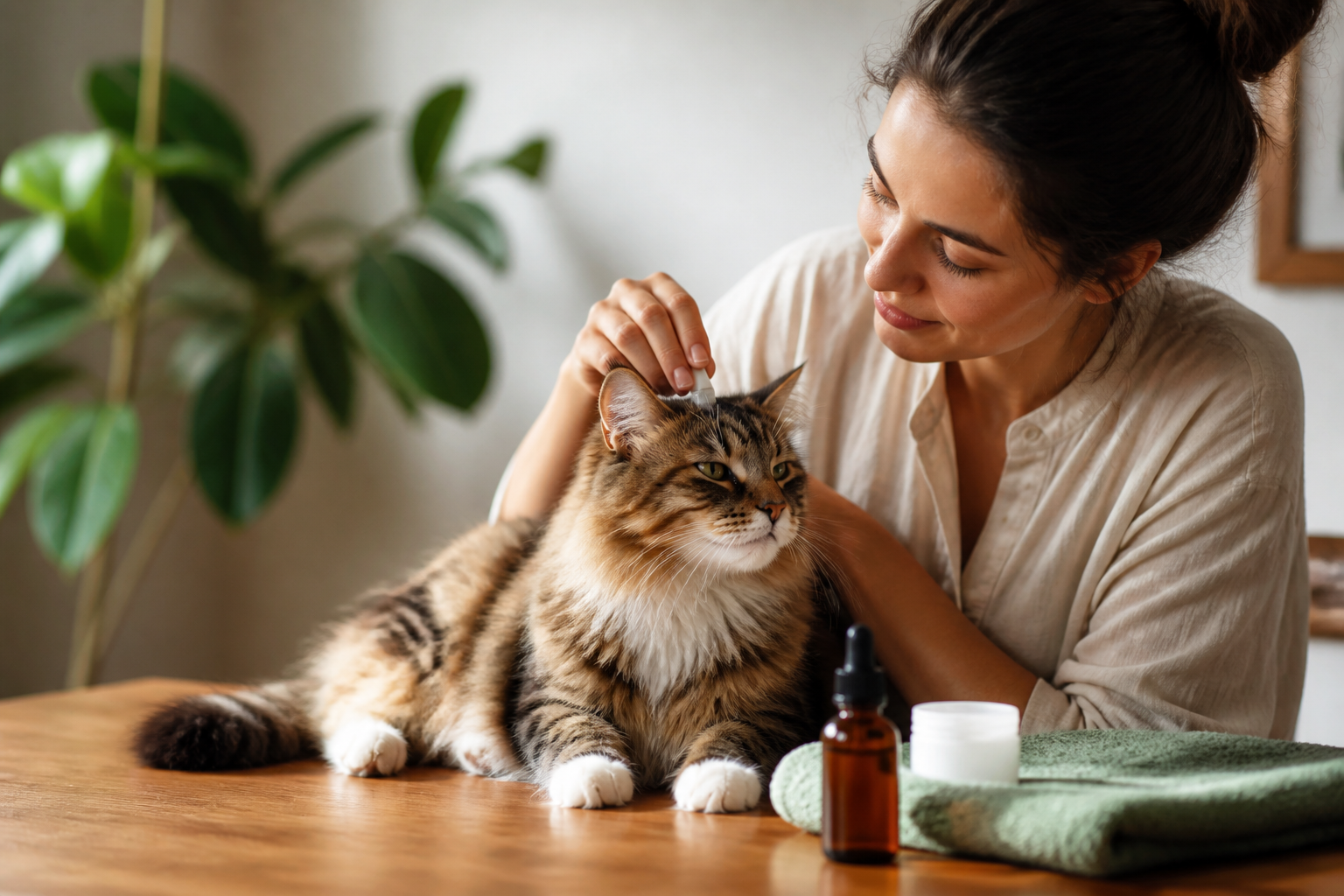
You are relaxing on the sofa with your cat when you notice a sprinkling of white specks across their dark fur. It looks like a dusting of salt or tiny bits of paper. You try to brush the flakes away, but more appear every time your cat moves. This is a common moment for many owners. It often leads to questions about skin health and comfort. At BaxterBoo, we understand that seeing these flakes can be worrying for any dedicated pet parent. This article covers the primary causes of feline skin flaking and provides practical steps to find a lasting cat dandruff cure. We will explore how nutrition, grooming habits, and environmental changes can restore your cat's glossy coat. Finding the right solution helps your cat feel more comfortable and keeps your home a little cleaner.
Understanding Feline Dandruff
Cat dandruff is the visible buildup of dead skin cells that have clumped together. While every cat sheds skin cells naturally, these cells are usually microscopic. When the process speeds up or the skin becomes unhealthy, those cells become large enough for us to see. You will most likely notice these flakes along the lower back and at the base of the tail.
It is important to distinguish between dandruff and dander. Dander consists of tiny skin cells that all cats shed. It is a normal part of their biology. Most people never see dander because the particles are so small. Dandruff is different because it is a sign of an underlying issue. It might be a minor problem like dry air or something more complex like a health condition.
Quick Answer: A cat dandruff cure usually involves improving hydration, switching to a high quality diet, and implementing a regular brushing routine. If the flakes are accompanied by redness, itching, or hair loss, a visit to the veterinarian is necessary to rule out parasites or infections.
Common Causes of Flaky Skin in Cats
Finding a cure starts with identifying the cause. Many factors contribute to dry, flaky skin in felines. Some are easy to fix at home, while others require professional help.
Environmental Factors and Humidity
Indoor heating during the winter is a major culprit. Furnaces strip moisture from the air, which dries out your cat's skin. Without enough ambient humidity, the skin loses its natural elasticity and begins to flake. You might notice the dandruff gets worse as the temperature drops outside.
Lack of Proper Grooming
Cats are famous for their grooming habits. They spend a large portion of their day cleaning themselves. This process removes dead skin cells and distributes natural oils across the fur. If a cat stops grooming effectively, dandruff builds up quickly. This often happens because of physical limitations.
Overweight cats frequently struggle to reach their lower back or the base of their tail. If your cat has a rounder belly, they may simply be unable to reach the spots where the flakes are forming. Senior cats with arthritis face similar challenges. The stiffness in their joints makes the twisting and turning required for grooming very painful.
Nutritional Deficiencies
The skin is the largest organ of the body. It requires specific nutrients to stay healthy. Diets low in essential fatty acids often result in a dull coat and flaky skin. If your cat is eating a low-quality kibble, they might not be getting enough Omega-3 or Omega-6 fats. These fats act as a barrier that keeps moisture inside the skin.
Key Takeaway: Dandruff is a symptom, not a primary disease. Identifying whether the cause is environmental, behavioral, or medical is the first step toward clearing up the skin.
The Role of Hydration and Diet
Water intake is a critical part of skin health. Many cats live in a state of mild dehydration because they have a low thirst drive. In the wild, cats get most of their water from their prey. Domestic cats eating only dry kibble may not drink enough water from a bowl to make up the difference.
Switching to Wet Food
One of the simplest ways to improve skin health is adding wet food to the daily routine. Brands like Tiki Cat, Fussie Cat, and Weruva offer high-moisture options that cats find very appealing. The extra water helps hydrate the skin from the inside out. If your cat is a picky eater, try adding a splash of warm water or tuna juice to their current food. Explore our cat food collection to compare wet and dry options.
Essential Fatty Acid Supplements
If a diet change is not enough, supplements can provide a boost. Fish oil is a popular choice for improving coat quality. Products containing salmon oil or pollock oil provide concentrated doses of Omega-3 fatty acids. These supplements help reduce inflammation in the skin and support a healthy moisture barrier.
High Quality Nutrition at BaxterBoo
We carry a wide selection of premium foods designed to support skin and coat health. Brands like Farmina and Royal Canin offer formulas specifically for sensitive skin. For cats with significant weight issues that prevent grooming, we also offer access to prescription weight management diets. These specialized foods are available through our cat pharmacy.
Vet Tip: Before starting a new supplement or a prescription diet, always consult with your veterinarian. They can help you determine the correct amount for your cat’s specific weight and health status to ensure the best results.
Grooming Habits for a Flake-Free Coat
A consistent grooming routine is a powerful tool for managing dandruff. Even if your cat is an expert self-groomer, they can benefit from your help. Our guide to cat grooming supplies includes brushes, combs, shampoos, wipes, and other useful tools.
The Power of Regular Brushing
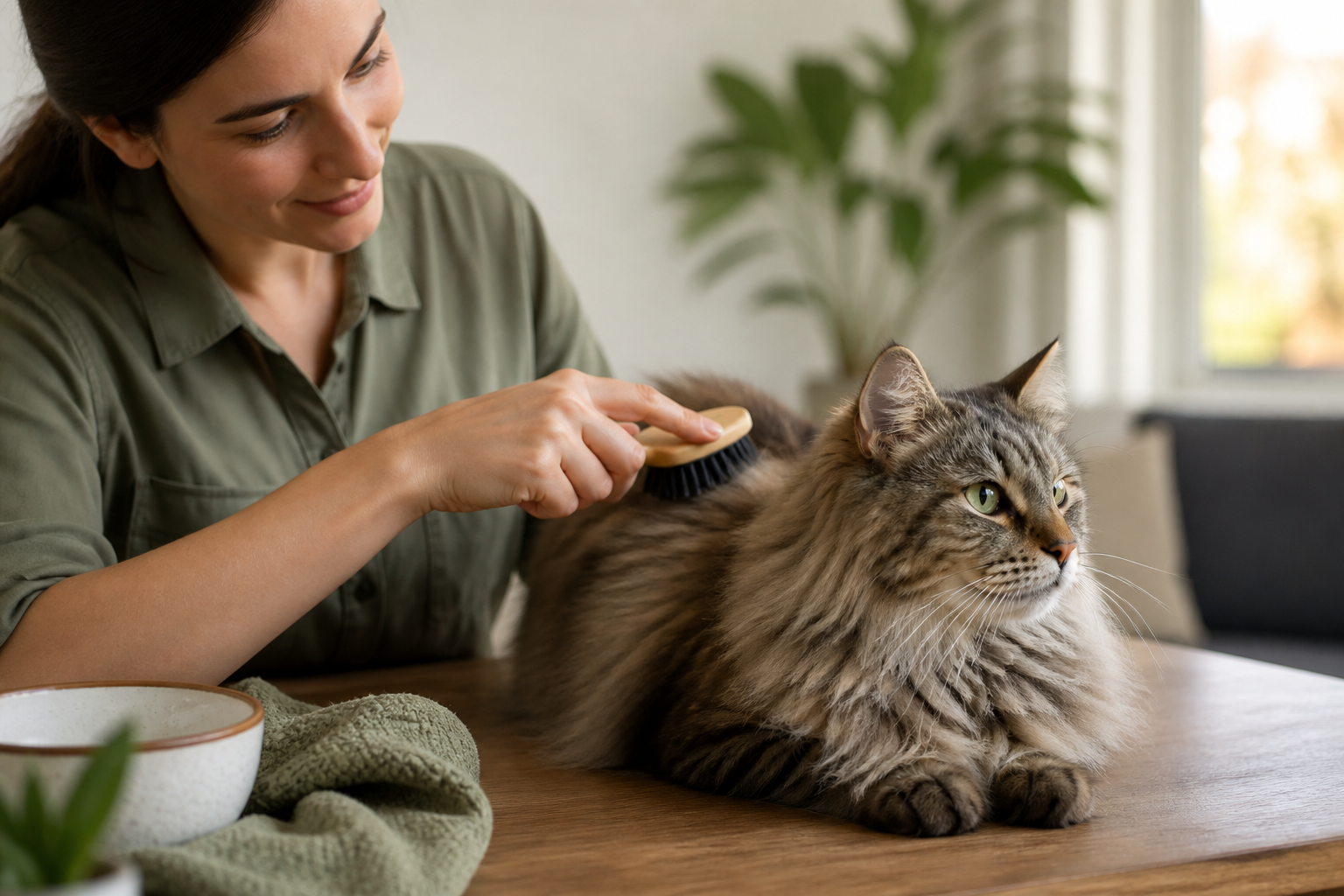
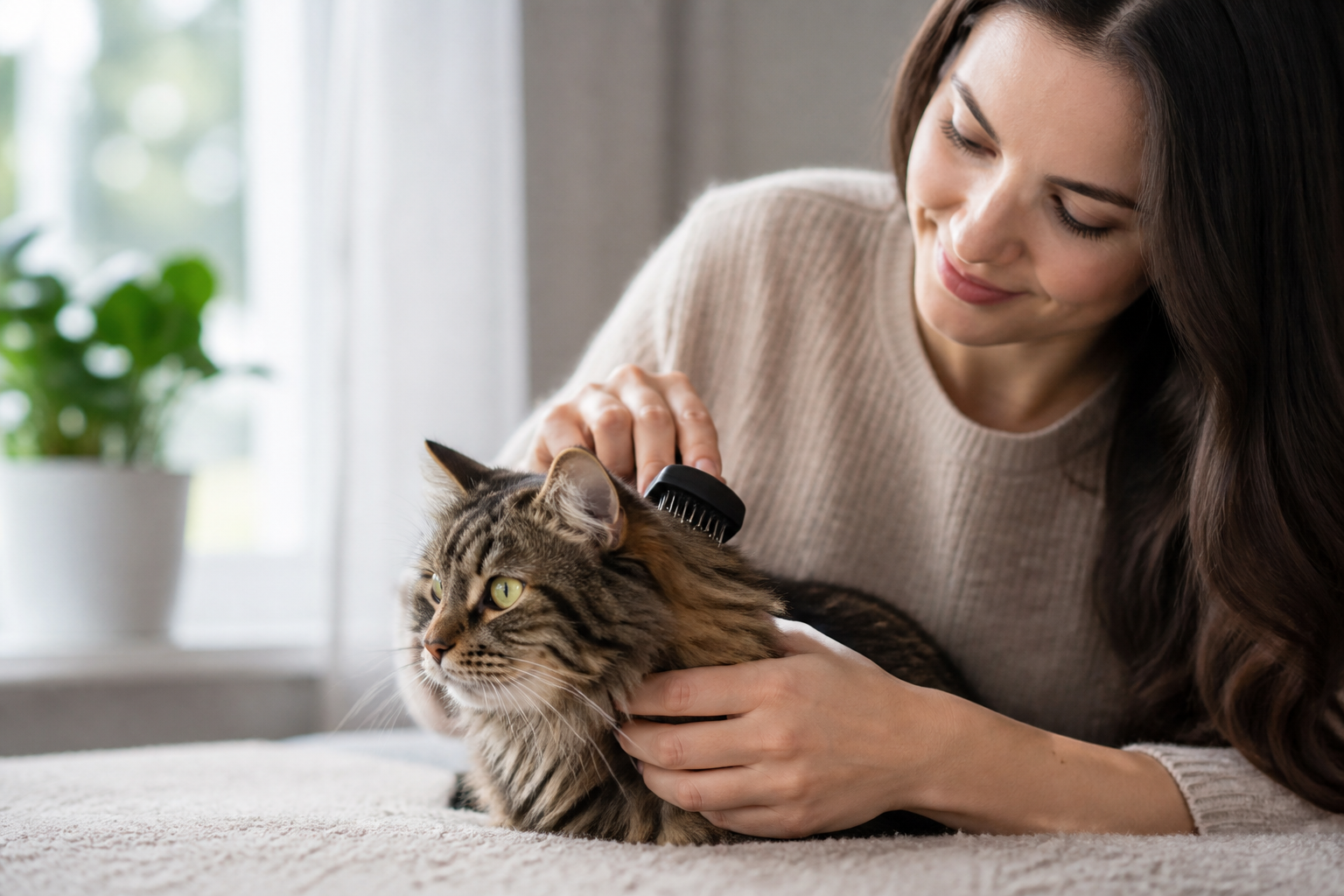
Brushing does more than just remove loose hair. It stimulates the skin and encourages the production of natural oils. For short-haired cats, a weekly brushing session is usually enough. Long-haired cats may need daily attention to prevent mats and clear away dead skin.
Step 1: Choose the right tool. / Use a soft bristle brush or a grooming glove for cats with sensitive skin. Metal combs are excellent for reaching through thick undercoats on long-haired breeds.
Step 2: Brush in the direction of hair growth. / Start at the head and move toward the tail. Be very gentle around the stomach and legs where the skin is thinner.
Step 3: Focus on problem areas. / Spend extra time on the lower back and the base of the tail. These are the areas where dandruff and oils tend to accumulate.
To Bathe or Not to Bathe?
Most cats do not need regular baths. In fact, bathing too often can strip away the oils that protect the skin. This leads to more dryness and more flakes. However, a moisturizing bath can be helpful if your cat has a greasy form of dandruff or a significant buildup of debris.
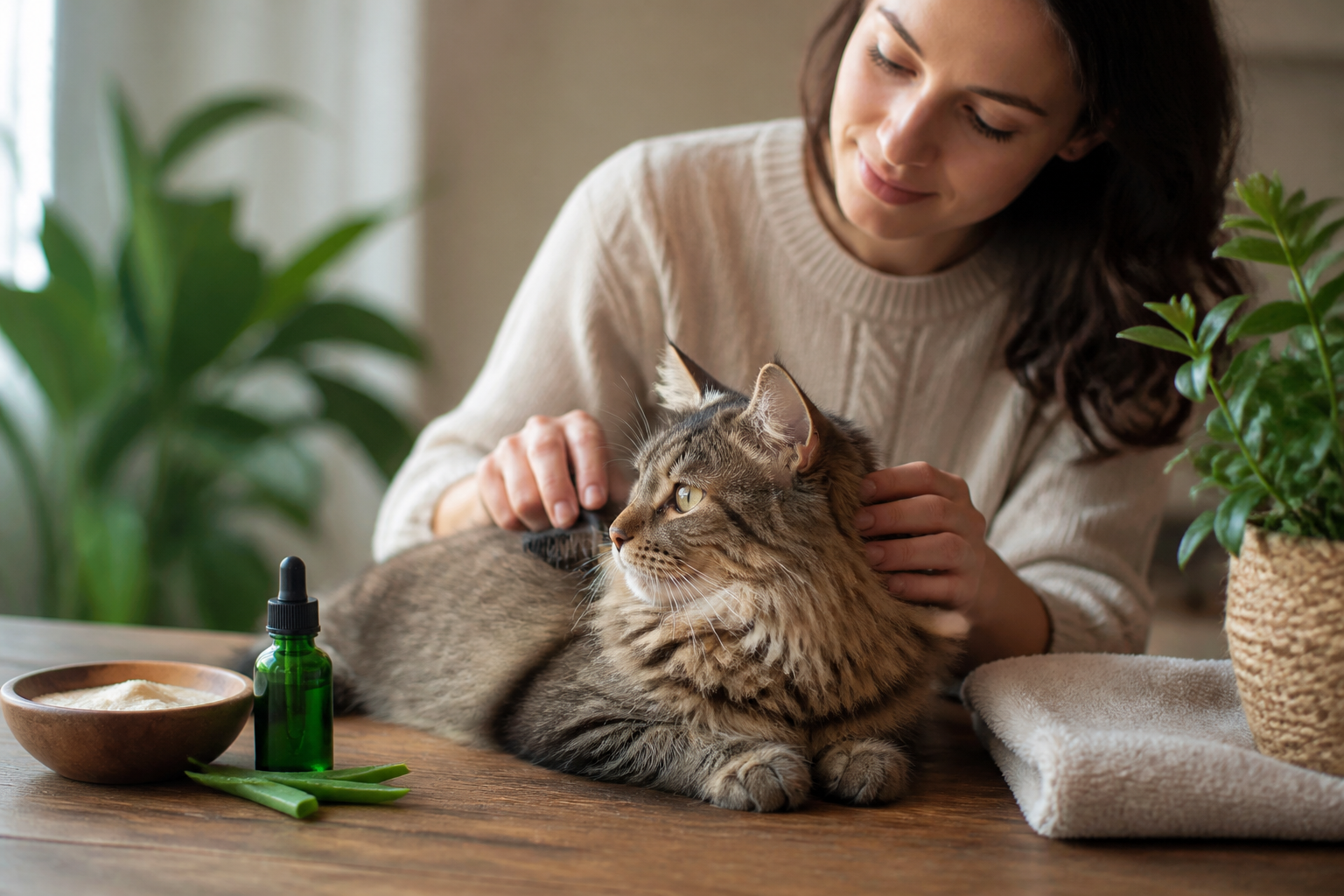
If you must bathe your cat, use a shampoo specifically formulated for felines. Human shampoos have the wrong pH balance and can cause irritation. Look for ingredients like oatmeal or aloe vera to soothe the skin. Waterless shampoos or grooming wipes are often a better choice for cats who find water stressful. These products allow you to clean the coat and moisturize the skin without the drama of a full bath. For more gentle options, browse our cat shampoos and grooming products.
When Dandruff Indicates a Medical Issue
While most dandruff is a minor cosmetic issue, it can sometimes signal a deeper health problem. It is important to watch for other symptoms that occur alongside the flakes.
Parasites and Infections
Fleas and mites are common causes of skin irritation. A condition known as walking dandruff is actually caused by the Cheyletiella mite. These mites are visible to the naked eye and look like moving flakes of skin. If you see "flakes" that seem to be crawling, your cat needs immediate treatment for parasites.
Fungal infections like ringworm can also cause scaly, flaky skin. Ringworm often appears in circular patches and may cause the hair to break off. This is a zoonotic condition, which means it can spread to humans and other pets in the home. For additional prevention information, read how flea collars work.
Underlying Systemic Diseases
Chronic conditions can manifest as skin problems. Hyperthyroidism, diabetes, and kidney disease often affect the quality of a cat's coat. These diseases change how the body processes nutrients and maintains hydration. If your cat is drinking more water than usual, losing weight, or acting lethargic, the dandruff might be a secondary symptom of one of these conditions.
Vet Tip: If your cat's dandruff is accompanied by excessive scratching, red sores, or large patches of hair loss, schedule a veterinary exam. A professional can perform a skin scraping or blood work to find the exact cause of the irritation.
Prescription Solutions and the BaxterBoo Pharmacy
When home remedies like brushing and humidifiers are not enough, medical intervention is the next step. Managing chronic skin conditions often requires specific medications or prescription-strength topical treatments.
Through our partnership with a licensed pharmacy service, we offer a fully licensed pharmacy service. This allows you to order FDA-approved medications for your cat directly through our website. If your vet prescribes a medicated shampoo, a flea preventive, or a specific prescription diet for skin health, you can fulfill those needs with our pet pharmacy.
Managing Fleas and Mites
Preventing parasites is one of the most effective ways to ensure your cat's skin remains healthy. We carry top brands like Frontline and NexGard to keep fleas and ticks at bay. Regular use of these preventives ensures that your cat does not develop flea allergy dermatitis, which is a leading cause of intense itching and flaky skin.
Specialized Prescription Diets
For cats with severe food allergies or metabolic disorders, a standard over-the-counter food may not suffice. Our pharmacy carries prescription diets from trusted brands like Farmina Vet Life. These formulas are designed to address the root cause of skin issues by using hydrolyzed proteins or specific nutrient ratios that support the skin barrier.
Bottom line: Our pharmacy provides a convenient way to access the professional-grade products your cat needs to overcome persistent skin issues.
Environmental Adjustments at Home
Making small changes to your cat's environment can significantly reduce skin dryness. These steps are especially helpful during the winter months when indoor air is at its driest.
Using a Humidifier
Adding moisture back into the air helps both you and your cat. Placing a small humidifier in the room where your cat spends the most time can prevent their skin from drying out. Aim for a humidity level between 30 and 50 percent for optimal comfort.
Reducing Stress
Stress can actually impact a cat's skin health. When a cat is anxious, their immune system can become compromised, making them more susceptible to skin irritations. Provide plenty of vertical space, scratching posts, and quiet hiding spots. If your cat seems particularly stressed, calming supplements or pheromone diffusers can help create a more relaxed environment.
Cleaning the Bedding
Dust and allergens can settle into your cat's favorite sleeping spots. If your cat has sensitive skin, these particles can cause localized irritation. Wash your cat's bedding regularly using a fragrance-free, hypoallergenic detergent. This removes potential irritants and helps keep the coat clean.
Key Takeaway: A holistic approach that combines environmental care with proper nutrition offers the best chance for a permanent cat dandruff cure.
Summary of Next Steps for Your Cat
Managing dandruff does not have to be a complicated process. By following a few consistent steps, you can help your cat achieve a soft, flake-free coat.
- Increase hydration by adding wet food or a water fountain to the home.
- Incorporate an Omega-3 fatty acid supplement into their daily meals.
- Establish a weekly or daily brushing routine based on your cat's hair length.
- Monitor your cat's weight to ensure they can reach all areas for self-grooming.
- Maintain a strict flea and tick prevention schedule year-round.
- Use a humidifier during the cold, dry months.
At BaxterBoo, we are committed to helping you provide the best possible care for your pets. Whether you need a high-quality brush, a specific salmon oil supplement, or a prescription diet from our pharmacy, we have the expertise to guide you. Our team handpicks every product to ensure it meets our high standards for safety and effectiveness.
Bottom line: Most cases of cat dandruff respond well to improved nutrition and regular grooming, but persistent flakes always warrant a conversation with your vet.
Conclusion
Cat dandruff is a common issue that often points to simple needs like better hydration or a bit of help with grooming. By paying attention to the quality of their food and the moisture levels in your home, you can significantly improve your cat's comfort. Remember that their coat is a window into their overall health. Taking the time to address these white flakes today can lead to a much healthier and happier cat tomorrow. For those looking to stay stocked up on the essentials, our Autoship programme offers a convenient way to save on food and supplements while ensuring you never run out. You can also join the MVP Rewards programme to earn points on every purchase, including items from our pharmacy.
FAQ
Is cat dandruff the same thing as fleas?
No, cat dandruff consists of white or gray skin flakes, while flea evidence usually looks like tiny black specks called flea dirt. Flea dirt is actually digested blood and will turn red if placed on a damp white paper towel. While the two are different, a flea infestation can cause skin irritation that leads to increased dandruff.
Can I use human dandruff shampoo on my cat?
You should never use human dandruff shampoo on a cat because the pH levels and active ingredients are designed for human skin. Many human shampoos contain chemicals that are toxic to cats if ingested during grooming. Always choose a moisturizing shampoo specifically formulated for felines or consult your vet for a medicated recommendation.
Why does my cat only have dandruff on their lower back?
The lower back and the base of the tail are the most common spots for dandruff because they are the hardest areas for a cat to reach. If a cat is overweight or has arthritis, they may stop grooming these spots entirely. This leads to a buildup of dead skin cells and natural oils that eventually turn into visible flakes.
When should I be worried about my cat's dandruff?
You should be concerned if the dandruff is accompanied by other symptoms like bald patches, red or inflamed skin, or intense itching. If your cat's behavior changes, such as a loss of appetite or increased lethargy, the dandruff may be a sign of an internal health issue. In these cases, a veterinary exam is the best course of action.