Save 15% on your 1st Autoship learn more

 Email us
 Live Chat
 FAQs
FAQs





Introduction
You might be relaxing on the couch with your favorite feline when you notice something unexpected. Small white flakes are scattered across their glossy black fur or resting on their favorite blanket. Seeing these flakes can be a bit of a surprise, but cat dandruff is a very common issue that many pet owners face. At BaxterBoo, we talk to cat parents every day who are looking for ways to restore their pet's coat to its natural shine.
While a few flakes might seem like a minor cosmetic issue, they are often a signal from the body. Your cat's skin is their largest organ, and its condition reflects their overall health. This post covers the common causes of flaky skin, practical steps you can take to manage it at home, and when it is time to seek professional help. Understanding how to support your cat's skin barrier is the first step toward a flake-free coat.
Understanding Cat Dandruff vs. Dander
It is easy to confuse cat dandruff with cat dander, but they are not the same thing. Every healthy cat has dander. Dander consists of microscopic skin cells that shed naturally as a part of the skin’s renewal process. You cannot see dander with the naked eye, though it is the primary culprit behind human allergies to cats.
Dandruff, on the other hand, consists of visible flakes of dead skin. These flakes occur when the skin cells shed prematurely or in larger clumps. This is usually a sign that the skin is too dry, too oily, or irritated by an outside factor.
Quick Answer: Cat dandruff is the visible shedding of large skin cell clumps, often caused by dry air, poor diet, or a lack of grooming. While dander is microscopic and normal, dandruff usually indicates an underlying issue that needs attention.
When you see white flakes, it is also important to rule out "flea dirt." Flea dirt looks like small specks of black pepper. If you put those black specks on a wet paper towel and they turn red, that is flea dirt, which is actually flea waste. White flakes that stay white are almost always dandruff.
Common Causes of Flaky Skin in Cats
To treat the flakes, you must first understand why they are appearing. Cats are usually expert groomers, so when dandruff begins to pile up, something has interrupted their normal routine or skin health.
Environmental Factors and Dry Air
The air inside your home plays a significant role in your cat's skin health. During the winter, indoor heating systems strip moisture from the air. This dry environment causes the skin to lose its natural oils, leading to itchiness and flaking. If your cat spends a lot of time near heat vents or radiators, they are even more likely to develop localized dry spots.
Lack of Grooming
Cats spend a large portion of their day cleaning themselves. This process removes loose hair and dead skin. If a cat stops grooming effectively, those skin cells build up and become visible as dandruff. This often happens in older cats with arthritis who find it painful to reach their lower back and tail. It is also common in overweight cats who simply cannot reach certain areas of their body.
Nutritional Deficiencies
A dull, flaky coat is one of the first signs of a diet that lacks essential fatty acids. Omega-3 and Omega-6 fatty acids are crucial for maintaining the skin's moisture barrier. If a cat eats a low-quality diet or one that is not properly balanced for their life stage, their skin health will suffer.
Parasites and Mites
External parasites are a frequent cause of skin irritation. Fleas are the most common, but there is also a specific mite called Cheyletiella. This mite is often referred to as "walking dandruff" because the mites are white and move under the flakes, making the skin look like it is crawling.
Key Takeaway: Dandruff is a symptom, not a disease. Identifying whether the cause is environmental, behavioral, or medical is the key to choosing the right home treatment.
Effective Cat Dandruff Treatment At Home
Once you have identified that your cat has simple dandruff, you can start a few home routines to help clear it up. Most of these methods focus on restoring moisture and assisting with the grooming process.
Regular Brushing Sessions
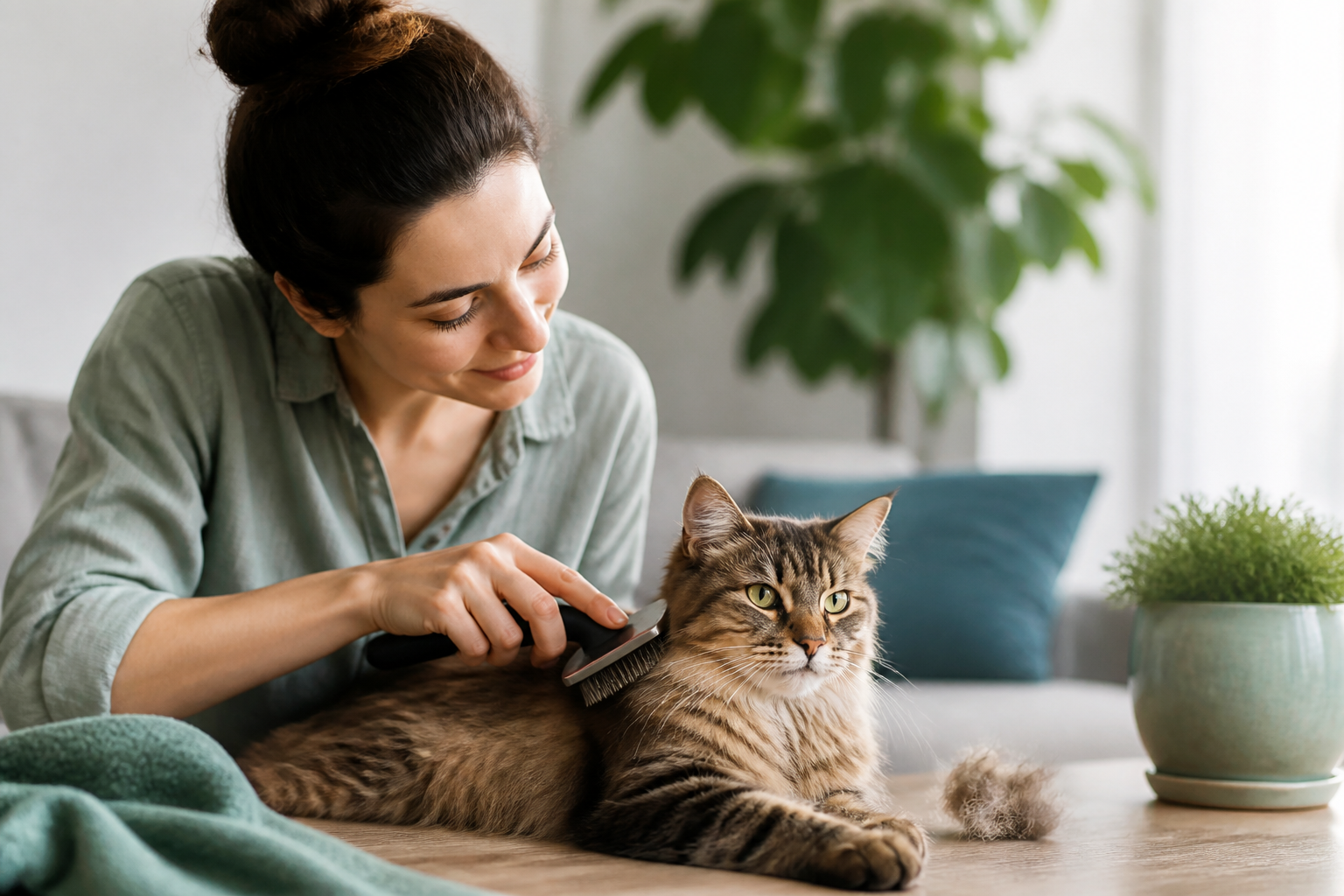
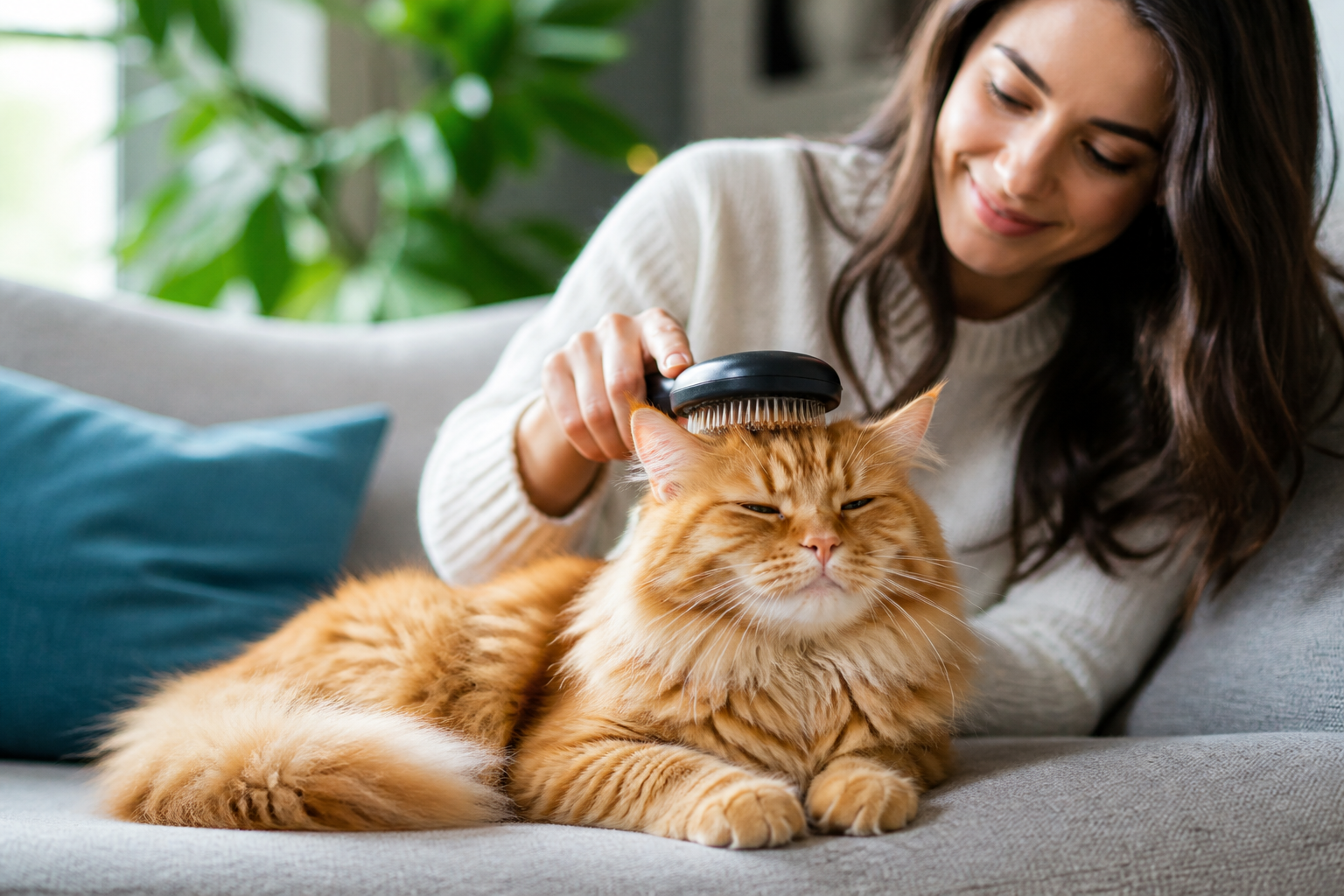
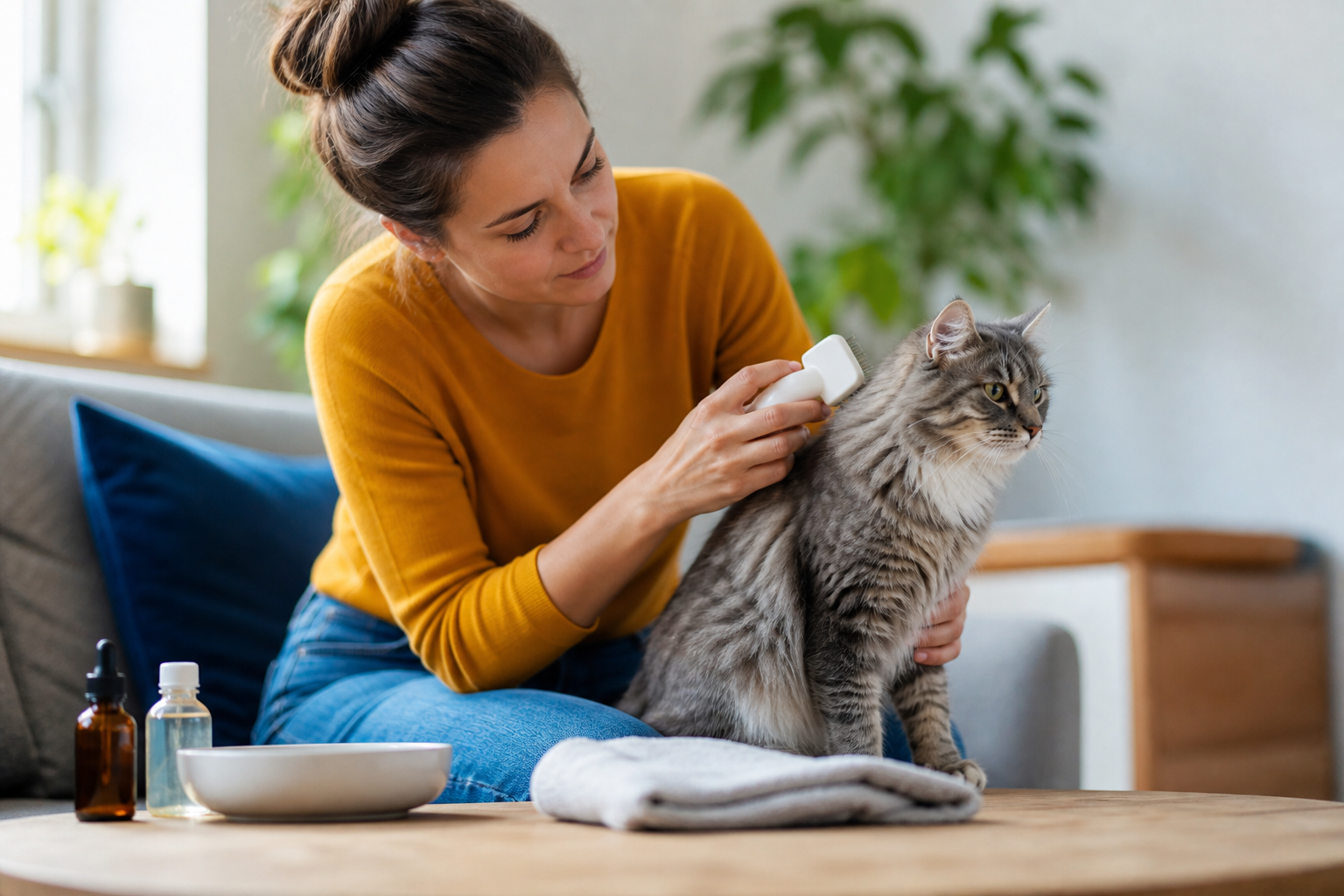
Brushing is the most effective way to manage dandruff immediately. It mimics the natural grooming process and helps distribute natural oils across the entire coat. For a cat with dandruff, you should aim for a five-minute brushing session every day.
Step 1: Choose the right tool. / Use a soft-bristle brush or a rubber grooming mitt for short-haired cats. Long-haired cats may need a slicker brush to get through the undercoat where flakes hide. Explore our cat grooming collection for brushes, combs, shampoos, and wipes.
Step 2: Brush with the grain. / Gently move the brush in the direction of hair growth. This stimulates the skin and increases blood flow to the area, which encourages healthy cell turnover.
Step 3: Focus on hard-to-reach areas. / Pay extra attention to the base of the tail and the lower back. These are the spots where cats usually struggle to groom themselves.
Improving Indoor Humidity
If you notice that the dandruff gets worse in the winter, the air is likely too dry. Placing a humidifier in the room where your cat sleeps can make a massive difference. Aim to keep the humidity level in your home between 40 and 50 percent. This prevents the skin from losing moisture to the surrounding air.
Hydration from the Inside Out
Many cats live in a state of mild dehydration because they have a low thirst drive. Dry skin starts from within. To help your cat's skin stay hydrated, consider these changes:
- Switch to or add wet food to their daily routine.
- Use a pet water fountain, as many cats prefer running water and will drink more from a fountain than a bowl.
- Add a splash of water or tuna juice (no salt added) to their meals.
Vet Tip: If your cat is older or has health conditions like kidney disease, their hydration levels directly impact their skin. Always consult your veterinarian before making significant changes to their water intake or diet, especially if they have underlying issues.
The Role of Supplements and Nutrition
Nutrition is the foundation of a healthy coat. If your cat’s skin is chronically dry, their diet might need a boost. Omega fatty acids act as a natural moisturizer for the skin. They help reduce inflammation and keep the skin barrier strong.
We carry a variety of fish oil supplements and Omega-enriched treats that are easy to add to your cat's daily routine. Look for products containing EPA and DHA, which are specific types of Omega-3s that are highly effective for skin health. Browse our cat vitamins and supplements to explore options for your cat’s wellness routine.
Along with supplements, look at the quality of the food you are serving. Premium brands like Farmina or Royal Canin often have specific formulas designed for skin and coat support. These foods are balanced with the right minerals, like zinc and biotin, which are essential for skin repair.
For additional guidance, read our pet supplement guide before choosing a new supplement.
Bottom line: A high-quality diet paired with a daily Omega-3 supplement can significantly reduce flaking within three to four weeks.
When to Consider a Bath
Most cats do not need regular baths, and for many, the stress of a bath can actually make skin conditions worse. However, if your cat has a very greasy coat or a significant buildup of flakes, a moisturizing bath can help.
Never use human dandruff shampoo on a cat. These products are formulated for the pH level of human skin and often contain ingredients that are toxic to cats if licked. Always use a soap-free, oatmeal-based shampoo specifically designed for felines. After the bath, make sure to dry them thoroughly, as damp fur can lead to further skin irritation.
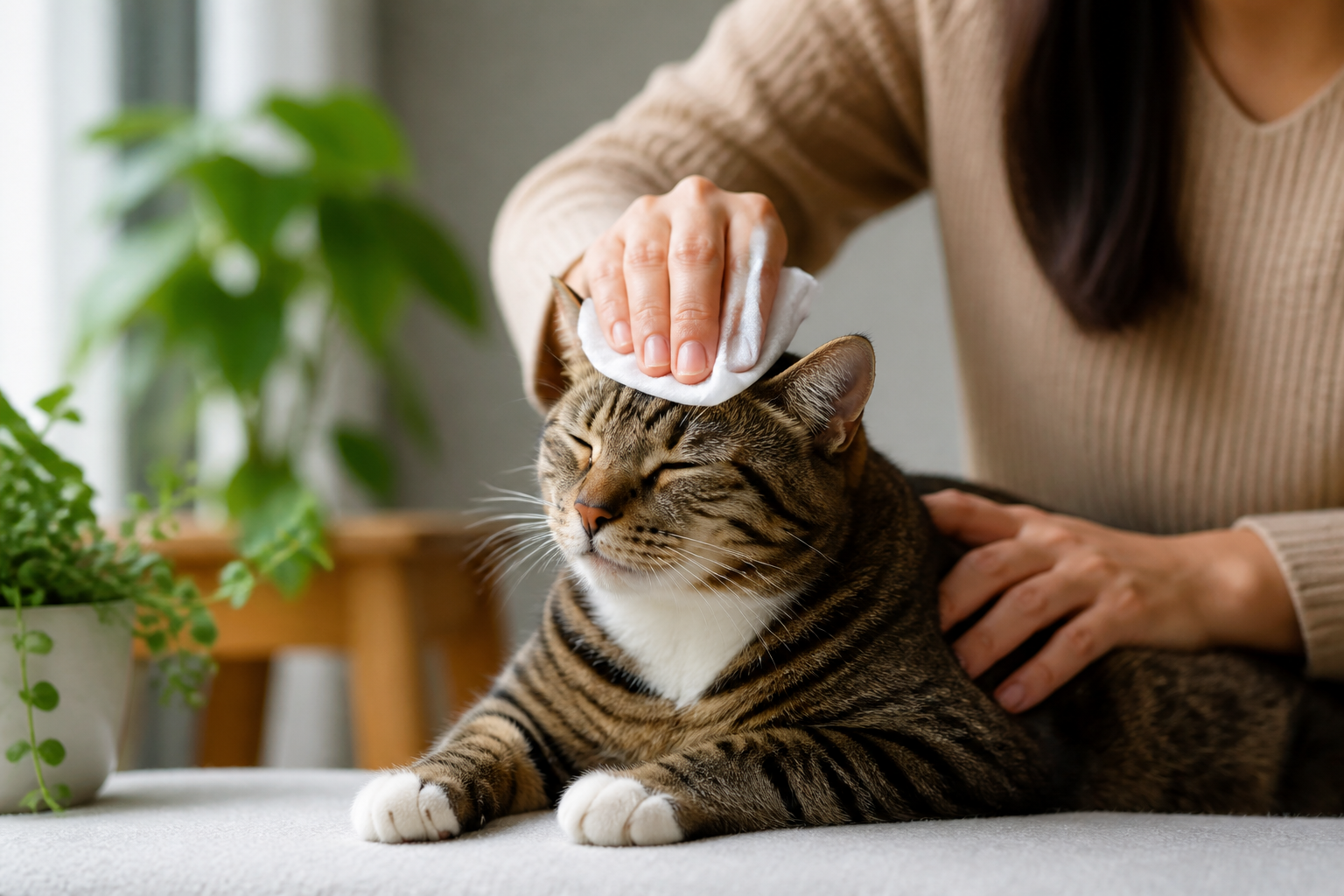
If your cat is terrified of water, do not force the issue. You can use waterless foam shampoos or grooming wipes as a safer, less stressful alternative. These products help remove flakes and oils without the need for a full soak.
Managing Weight and Mobility
If your cat is carrying extra weight, they may physically be unable to reach the middle of their back to groom. This leads to a thick "racing stripe" of dandruff along their spine. In these cases, the dandruff is a symptom of obesity.
Helping your cat lose weight through a controlled diet and increased play can restore their ability to groom. In the meantime, you will need to act as their primary groomer. Daily brushing is mandatory for overweight cats to prevent the skin from becoming greasy and matted.
Similarly, if your cat has arthritis, they may find it too painful to twist and lick their fur. You might notice them grooming their front legs but ignoring their back. Talk to your vet about mobility support. Our pet pharmacy provides access to prescription medications and supplements that can support your cat’s care, making it easier for your cat to get back to their self-care routine.
When to See a Veterinarian
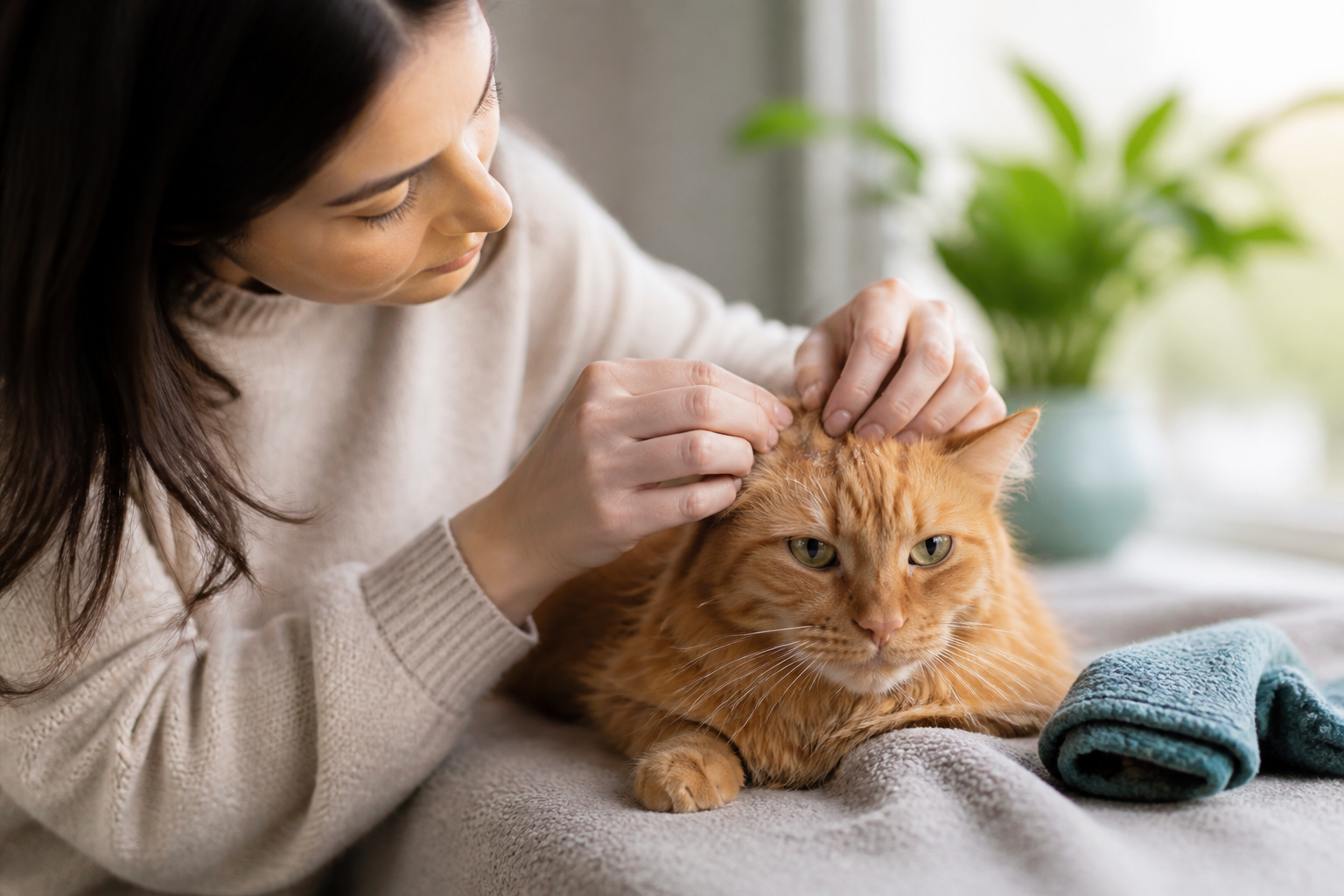
While home care can solve most cases of mild dandruff, some situations require professional medical attention. Dandruff can sometimes be a secondary symptom of a more serious internal problem.
Red Flags to Watch For
You should schedule a vet visit if you notice any of the following:
- Red, inflamed, or bleeding skin.
- Hair loss in patches or thinning fur.
- The cat is constantly scratching, biting, or over-grooming the area.
- A foul odor coming from the skin or fur.
- Changes in appetite, thirst, or energy levels.
These symptoms could point to an allergy, a fungal infection like ringworm, or an endocrine disorder like hyperthyroidism. A veterinarian can perform a skin scraping or blood test to get a definitive diagnosis.
Prescription Diets and Medications
For chronic skin conditions that do not respond to over-the-counter supplements, your vet might recommend a prescription diet. These diets are specially formulated to be hypoallergenic or to provide therapeutic levels of skin-supporting nutrients.
Our pharmacy, operated through a partnership with Pet's Choice, carries a wide range of prescription pet foods and medications. Whether your cat needs a specific flea preventive or a medicated shampoo, we can help you get exactly what your vet ordered. This is especially helpful for managing ongoing conditions like feline allergies or autoimmune skin issues.
Vet Tip: Never start a medicated treatment or a prescription diet without a professional diagnosis. Using the wrong product can mask symptoms of a larger problem or lead to further skin irritation.
Parasite Prevention and Skin Health
A single flea can cause an allergic reaction in some cats, leading to intense itching and a shower of dandruff. Even indoor cats can get fleas, as the pests can hitch a ride on your clothing or enter through window screens.
Maintaining a strict flea and tick prevention schedule is one of the best ways to protect your cat's skin. Explore our cat flea and tick collection for prevention products and grooming tools. Using these products year-round ensures that your cat's skin barrier is never compromised by biting insects.
For more information, read our guide to flea and tick prevention.
The Problem with Mites
As mentioned earlier, mites can cause "walking dandruff." This condition is highly contagious between pets. If one animal in your home has it, they all likely do. Treatment usually involves a specific course of anti-parasitic medication prescribed by a vet. Once the mites are gone, the dandruff usually disappears quickly.
Key Takeaway: Consistent parasite prevention is a vital part of skin care. A flea-free cat is a much more comfortable cat.
Creating a Low-Stress Environment
Stress can actually cause a cat to "blow" their coat or develop sudden flakes. Cats are creatures of habit. Changes in the household, such as a new pet, a move, or even a change in your work schedule, can trigger a physical response in their skin.
If you suspect stress is the cause of your cat's dandruff, focus on enrichment and calming strategies.
- Provide plenty of vertical space and hiding spots.
- Use pheromone diffusers like Feliway to create a sense of security.
- Maintain a consistent schedule for feeding and play.
When a cat feels safe and relaxed, their overall health improves, and you will likely see a reduction in stress-related skin issues.
Summary of Home Care Steps
Managing cat dandruff is a multi-step process that involves the environment, diet, and physical care.
- Step 1: Increase humidity in the home during dry months.
- Step 2: Commit to daily brushing with the right tools for your cat's coat.
- Step 3: Improve hydration by adding wet food or a water fountain.
- Step 4: Add a high-quality Omega-3 fish oil supplement to their diet.
- Step 5: Maintain a strict, year-round flea and tick prevention routine.
- Step 6: Monitor for red flags and consult a vet if the condition worsens.
The goal is to support the skin's natural ability to heal and protect itself. Most cats will show significant improvement within a month of consistent care.
Conclusion
Cat dandruff is a common but manageable issue that most owners will encounter at some point. By focusing on hydration, regular grooming, and high-quality nutrition, you can help your cat's coat stay soft and flake-free. Remember that while home remedies are effective for mild dryness, the skin often reflects what is happening inside the body. If the dandruff is persistent or accompanied by itching and redness, a veterinary consultation is the best next step for your cat's comfort.
Our team at BaxterBoo is here to help you find the right supplies to support your pet's wellness journey. From moisturizing shampoos and grooming brushes to the essential medications found in our pharmacy through our partnership with Pet's Choice, we have the tools you need.
Key Takeaway: A healthy coat starts with consistent daily care and the right nutritional support. Simple changes like better hydration and daily brushing can transform your cat's skin health.
If you are ready to start a skin-care routine for your feline friend, our Autoship programme is a great way to ensure you never run out of their favorite skin-supporting food or supplements. You can also join our MVP Rewards programme to earn points on every purchase, helping you provide the best care for your pet while staying within your budget.
FAQ
Can I use human lotion on my cat's dry skin?
No, you should never use human lotions or creams on a cat. Cats groom themselves constantly and will likely lick off any product you apply, which can lead to stomach upset or poisoning depending on the ingredients. If your cat has a specific dry patch, use a vet-recommended, pet-safe balm or a moisturizing spray formulated specifically for felines.
Why does my cat have dandruff only on their lower back?
Dandruff concentrated on the lower back is often a sign that the cat cannot reach that area to groom. This is very common in cats with obesity or arthritis who lack the flexibility to clean their hindquarters. In these cases, you will need to assist them with daily brushing to remove dead skin and distribute natural oils.
Does changing my cat's food help with dandruff?
Yes, diet plays a significant role in skin health. Foods that are rich in Omega-3 and Omega-6 fatty acids help maintain the skin's moisture barrier and reduce inflammation. Switching to a high-quality, balanced diet or adding a fish oil supplement can often clear up mild dandruff within a few weeks.
Is cat dandruff contagious to humans?
Regular cat dandruff is not contagious to humans. However, if the "dandruff" is actually caused by parasites like Cheyletiella mites, those mites can temporarily move to humans and cause itchy red spots. If you notice your cat has dandruff and you are also feeling itchy, it is important to have your cat checked by a vet for parasites.