
 Save 15% on your 1st Autoship learn more

 Email us
 Live Chat
 FAQs





Introduction
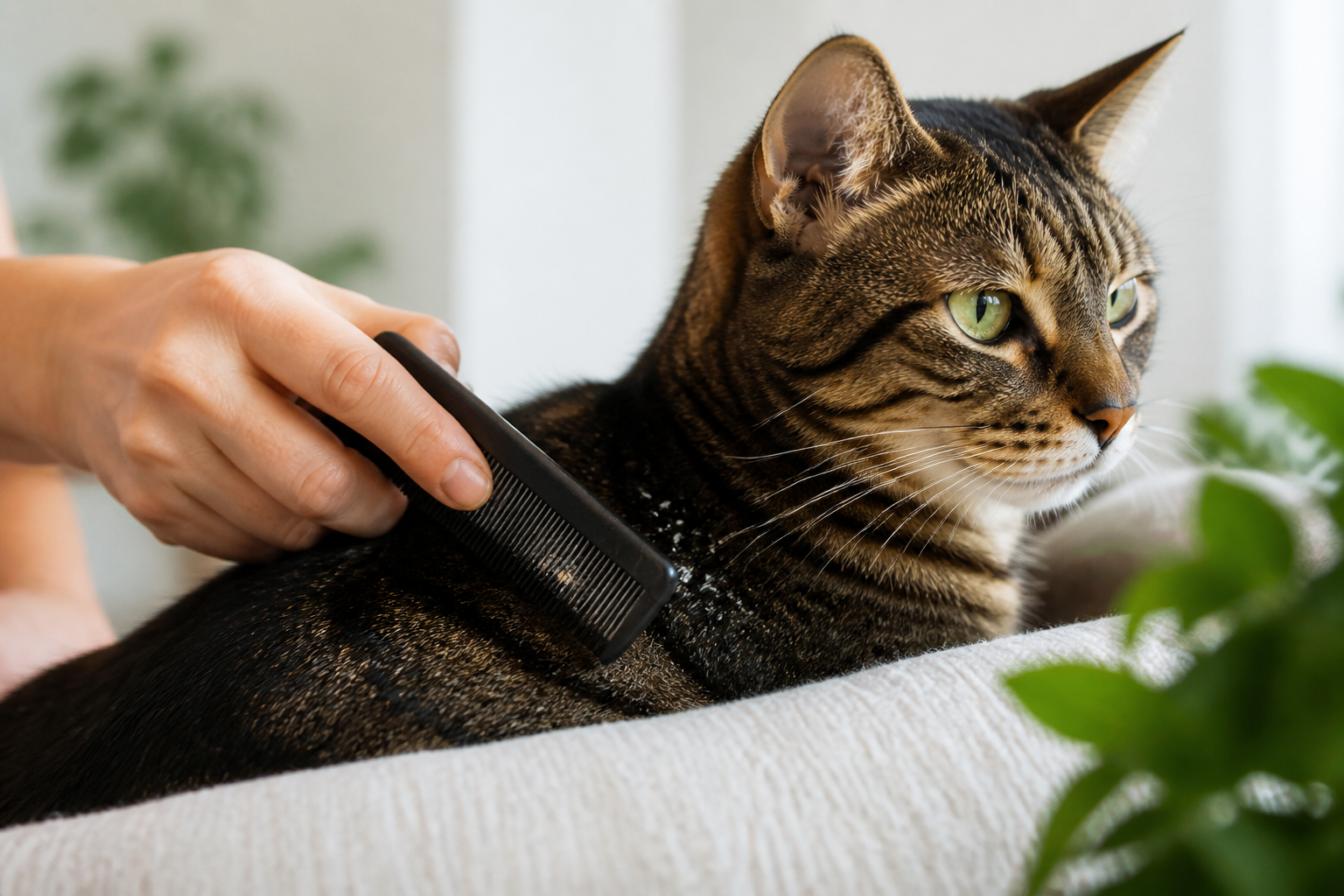
You are relaxing on the sofa with your cat when you notice a sprinkling of tiny white specks across their glossy fur. At first, you might think it is just a bit of dust or perhaps salt from a snack. When you try to brush the specks away, you realize they are stuck to the hair or scattered across the cushions where your cat was just napping. This discovery usually leads to one of two worries: does my cat have extremely dry skin, or is our home facing a flea infestation?
At BaxterBoo, we know that these small white dots can cause big anxiety for pet parents. Telling the difference between cat dandruff and flea eggs is the first step toward getting your cat comfortable again. This guide will help you identify the physical characteristics, behavioral signs, and simple home tests to distinguish between these two common issues. Understanding what you are looking at ensures you choose the right treatment, whether that is a specialized shampoo or a trip to our pet pharmacy for flea prevention.
Quick Answer: Cat dandruff consists of irregular, flat, white flakes of skin that often cling to the fur. Flea eggs are uniform, oval-shaped, and smooth, resembling tiny grains of salt that easily fall off the cat and into the environment.
The Physical Comparison: Appearance and Texture
The most effective way to tell these two apart is to look very closely at the shape and structure of the specks. While both appear white or off-white to the naked eye, they are structurally very different.
What Cat Dandruff Looks Like
Dandruff, or seborrhea, is composed of dead skin cells that have shed prematurely. Because skin cells come off in layers, dandruff flakes are usually irregular. They do not have a set shape. Some might be tiny like powder, while others are larger, flat scales. If you look at them under a magnifying glass, they appear jagged and translucent. They are also quite thin. If you press a flake between your fingers, it will likely crumble or flatten further.
What Flea Eggs Look Like
Flea eggs are remarkably uniform. They are approximately 0.5 millimeters long, which is about the size of a grain of salt. Unlike the flat flakes of dandruff, flea eggs are oval and have rounded ends. They are also more "three-dimensional" than dandruff. They look like tiny, pearlescent white beans. They have a smooth, hard outer shell. If you try to crush one between your fingernails, you may feel a slight pop, though they are quite sturdy for their size.
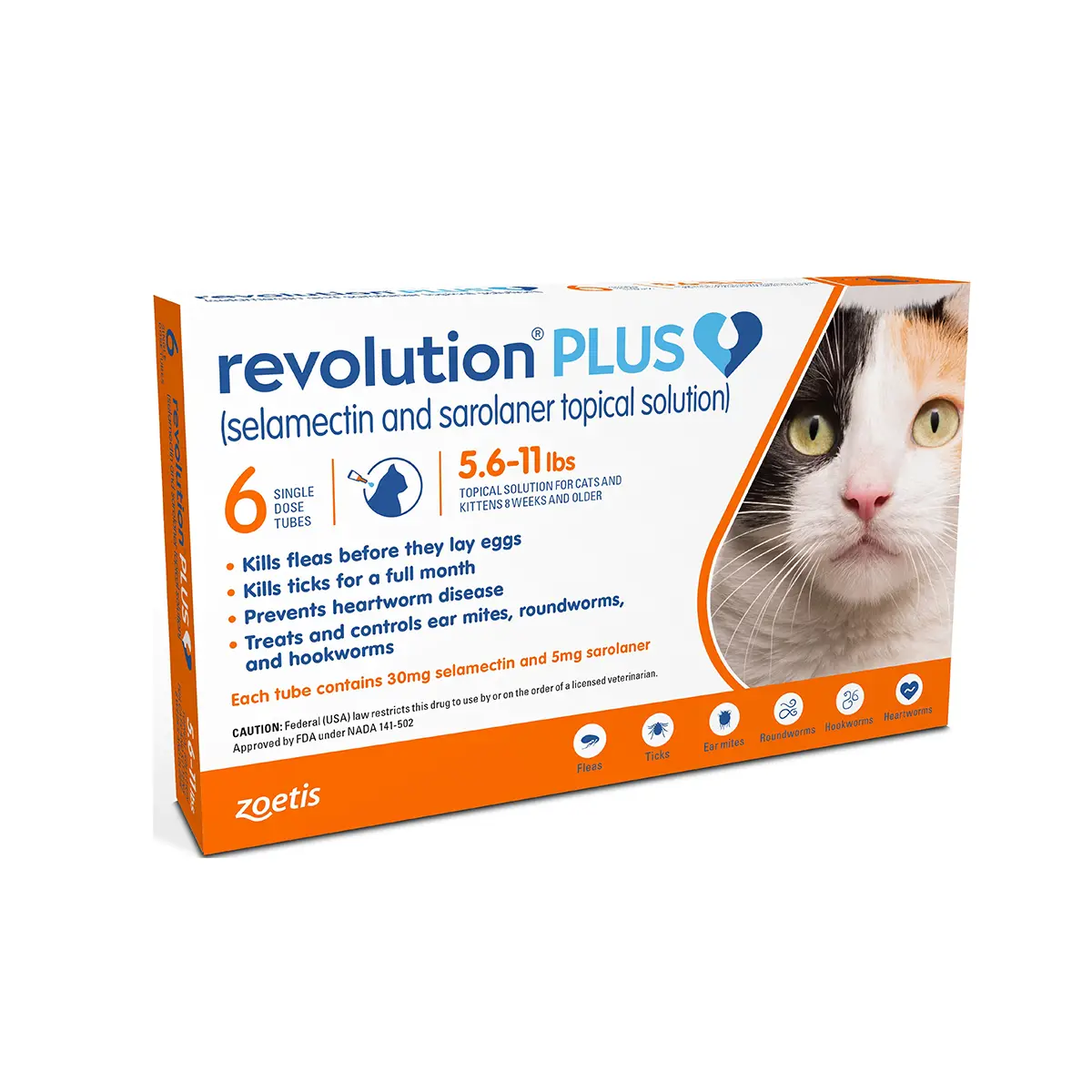
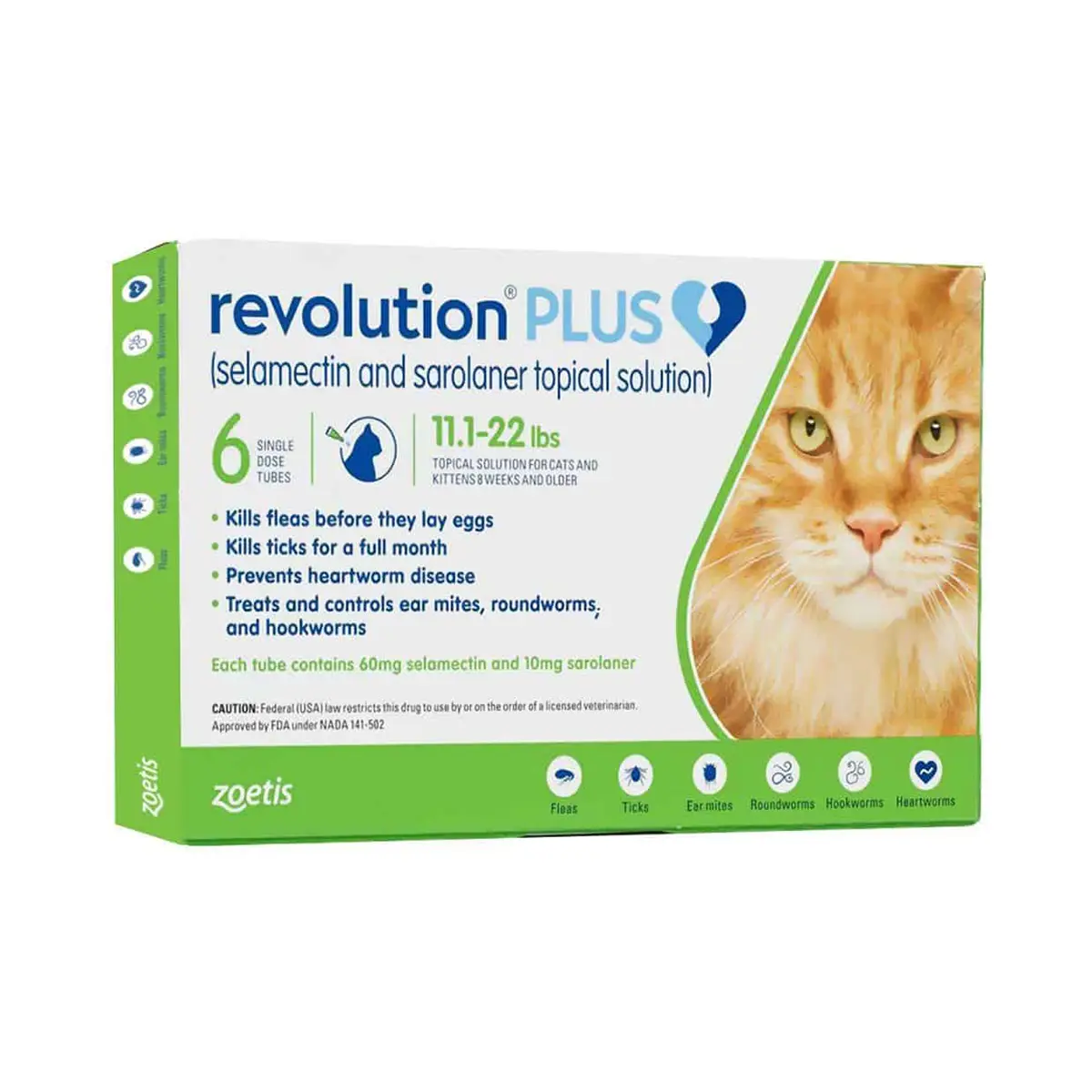
Cat Flea & Tick Care









Behavior and Location: Where the Specks Stay
Another major clue is where you find the specks and how they react when the cat moves. This is often the easiest way to make a quick determination without needing a microscope.
Stickiness and Attachment
Cat skin naturally produces oils that help keep dandruff flakes attached to the hair shafts. If you find white specks that seem "tangled" in the fur or stuck near the base of the hair, it is likely dandruff. You might have to physically pull the flake out of the coat.
Flea eggs are the opposite. They are designed to be non-sticky so they can fall off the host. This is a survival strategy for fleas. The eggs drop into carpets, floor cracks, and bedding where they can hatch in safety. If you ruffle your cat’s fur and a cloud of white specks falls onto your lap, you are likely looking at flea eggs.
Common Hotspots on the Cat
Dandruff typically appears in areas where the skin is prone to dryness or where the cat has trouble grooming. You will most often see it:
- Along the bridge of the nose or forehead.
- Running down the length of the spine.
- Concentrated near the base of the tail.
Flea eggs can be found anywhere the adult fleas are feeding, but they tend to accumulate in warm, hidden spots. Check these areas:
- The deep fur of the neck and under the chin.
- The armpits and groin area.
- Deep in the bedding where the cat sleeps most often.
Key Takeaway: If the white specks fall off the cat like salt from a shaker, suspect fleas. If the specks stay anchored in the fur even when the cat jumps or runs, it is more likely dandruff.
The Home Tests: Simple Ways to Be Sure
If you are still unsure, you can perform two simple tests at home using basic household items. These tests are highly reliable for distinguishing between dry skin and a parasite problem.
The Wet Paper Towel Test
This test does not actually look for the eggs themselves, but for "flea dirt," which almost always accompanies flea eggs. Flea dirt is actually flea excrement consisting of digested blood. It looks like tiny black pepper flakes.
Step 1: Place your cat on a white towel or a large piece of white paper.
Step 2: Vigorously rub or brush the cat's fur, especially around the base of the tail and neck.
Step 3: Collect any black or dark brown specks that fall onto the white surface.
Step 4: Place these specks on a wet paper towel and wait sixty seconds.
If the dark specks begin to dissolve and create a reddish-brown or rusty stain, that is flea dirt. Since flea dirt and flea eggs go hand-in-hand, a positive result for flea dirt confirms a flea presence. Dandruff will remain white or gray and will not change color when wet.
The Fine-Tooth Comb Test
Using a specialized flea comb with very narrow teeth can help you catch what the naked eye misses. Pull the comb through the fur, making sure to get close to the skin. A cat grooming collection can help you find brushes, combs, and other tools for routine coat care.
- Dandruff: The comb will come up with flat, dry flakes that might look like tiny bits of paper.
- Flea Eggs: The comb will catch small, hard, oval beads. You might also catch an adult flea, which is a fast-moving, reddish-brown insect about the size of a pinhead.
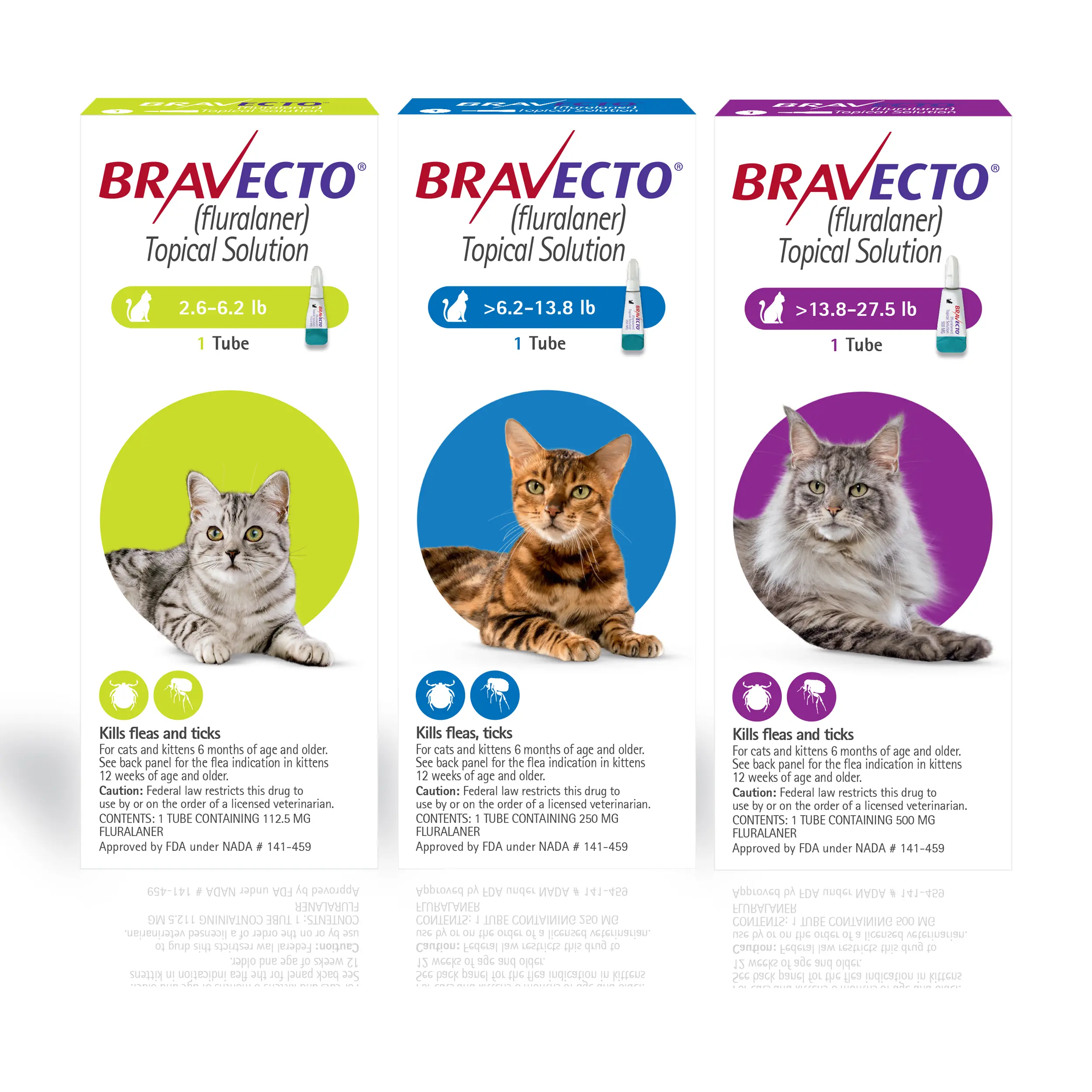
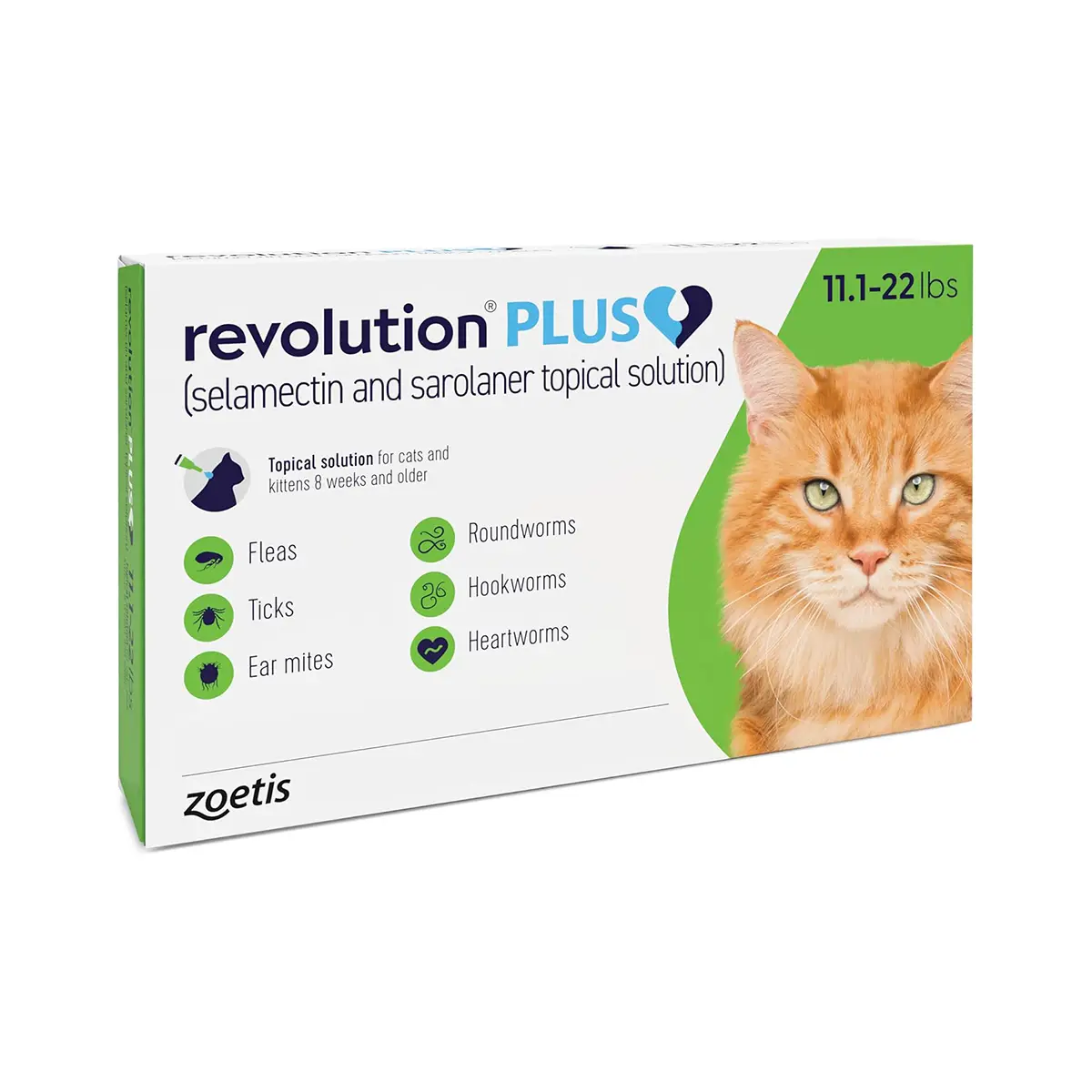
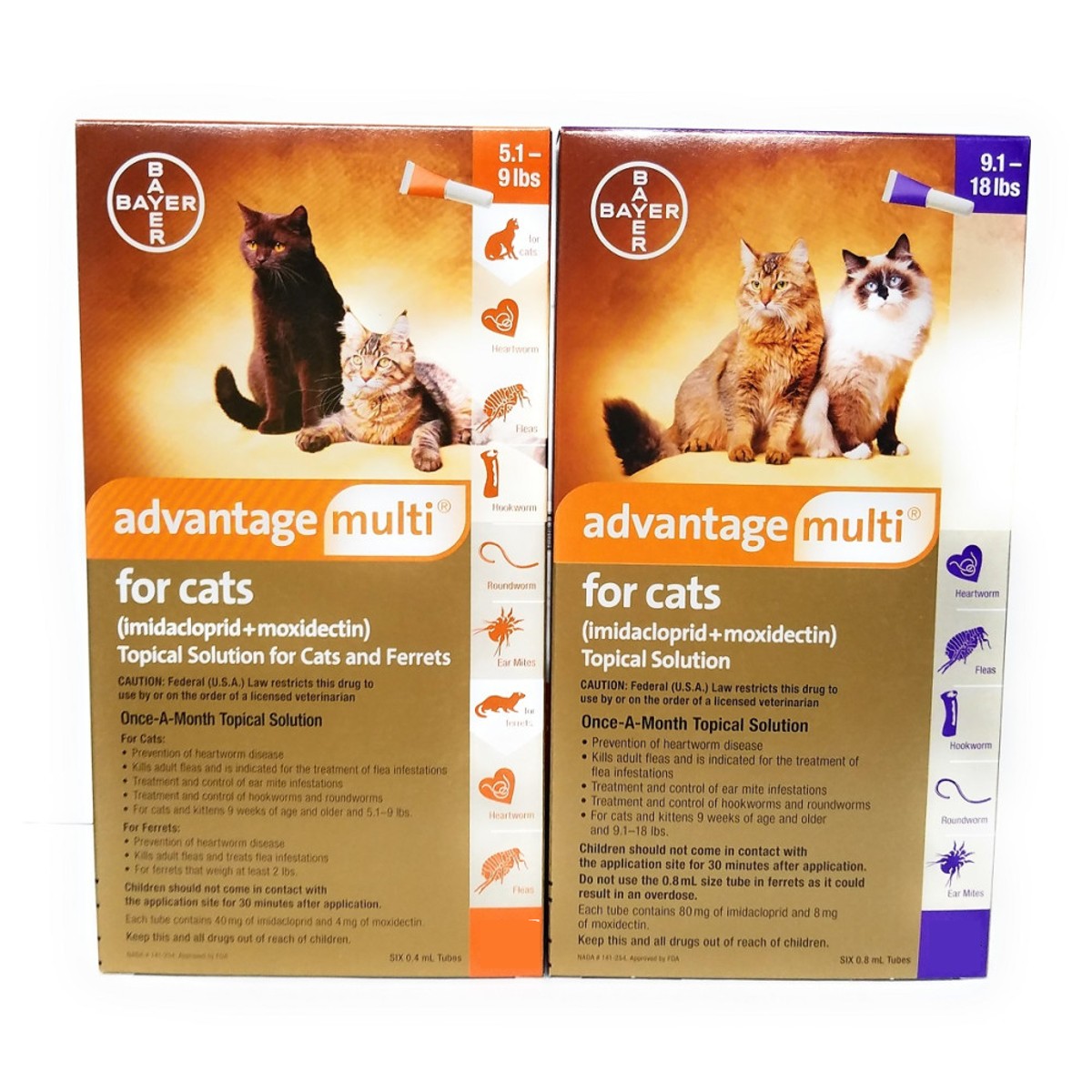
Vet Tip: If you find evidence of fleas, it is important to treat all pets in the household. Consult your veterinarian to find the safest prescription flea preventive for your cat's specific health needs. Our pharmacy carries many FDA-approved options through our partnership with Pet's Choice.
Understanding the Causes of Cat Dandruff
If you have ruled out fleas, the next step is figuring out why your cat's skin is flaking. Dandruff is not a disease itself, but a symptom of an underlying issue.
Environmental Humidity
Low humidity is one of the most common causes of feline dandruff, especially during US winters. When you turn on the furnace, the air inside the home becomes extremely dry. This saps moisture from your cat’s skin. You might notice that the dandruff only appears in the colder months and disappears in the spring.
Nutritional Deficiencies
The skin is the largest organ of the body, and it requires a significant amount of nutrients to stay healthy. Cats need specific levels of omega-3 and omega-6 fatty acids to maintain a supple skin barrier. If their food is low in these healthy fats, the skin can become brittle and flaky. Brands like Farmina and Royal Canin often include these essential fats in their formulas to support coat health.
Weight and Mobility Issues
Obesity can lead to dandruff in a surprising way. If a cat is overweight, they may not be able to reach certain parts of their body, specifically the lower back and the base of the tail. When a cat cannot groom these areas, dead skin cells and natural oils build up, leading to a thick layer of dandruff. You may also see this in senior cats with joint stiffness who can no longer twist or bend to clean themselves.
Underlying Health Conditions
In some cases, dandruff is a sign of a more serious internal problem. Conditions such as diabetes, hyperthyroidism, or kidney disease can change the quality of a cat's skin and coat. If the dandruff is accompanied by increased thirst, lethargy, or weight loss, a veterinary visit is necessary to rule out these conditions.
Bottom line: Dandruff is often a lifestyle or environmental issue, but it can signal health changes that require a professional diagnosis.
Identifying and Breaking the Flea Life Cycle
Finding flea eggs is stressful, but understanding the cycle helps you eliminate them for good. The white specks you see are just one small part of a larger population.
The Four Stages
- Adult Fleas: These live on your cat and feed on their blood. They represent only about 5 percent of the total infestation.
- Eggs: An adult female can lay up to 50 eggs per day. These fall off the cat into your home.
- Larvae: The eggs hatch into tiny, worm-like larvae that hide in dark places like carpet fibers.
- Pupae: Larvae spin cocoons where they can stay dormant for months until they feel the heat and vibration of a passing host.
Why You See Eggs But No Fleas
Cats are meticulous groomers. They often lick away adult fleas before you ever see them. However, they cannot groom away the eggs that have already fallen into the rug or the sofa cushions. This is why many owners see the "white salt" but never see a jumping bug.
Safe Removal and Treatment
If you have confirmed flea eggs, you must treat both the pet and the environment. You can compare options in our cat flea and tick collection.
- Treat the Pet: Use an FDA-approved flea treatment. We offer various options through our pharmacy, including oral medications and topical drops.
- Clean the Bedding: Wash all pet bedding, rugs, and even your own sheets in hot water.
- Vacuum Daily: This is the most effective way to remove eggs and larvae from the carpet. Be sure to empty the vacuum canister or bag outside immediately.
Solutions for Flaky Skin and Dandruff
Treating dandruff requires a multi-pronged approach to restore moisture and improve the cat's overall health. For additional product options, explore our cat skin and coat care selection.
Grooming Routines
Regular brushing is the best way to manage dandruff. It distributes the cat's natural skin oils across the fur and removes dead cells before they can clump together. For cats with heavy flaking, a gentle grooming wipe can help remove excess debris without the stress of a full bath.
Dietary Supplements
Adding a skin and coat supplement can make a significant difference. Products from brands like Zesty Paws or Honest Paws often contain salmon oil or other omega fatty acids. These work from the inside out to strengthen the skin barrier.
Medicated Shampoos
While most cats dislike baths, a medicated shampoo can be helpful for severe cases of seborrhea. Look for formulas that contain salicylic acid or sulfur, which help break up flakes and soothe irritation. Always use a product specifically formulated for cats, as human dandruff shampoos can be toxic to felines.
Weight Management
If your cat's dandruff is caused by an inability to reach their back, weight management is the only long-term solution. Switching to a weight-control formula, such as those from Farmina Vet Life, can help your cat return to a healthy size and regain their ability to groom properly.
Key Takeaway: Managing dandruff is about consistent care through grooming, high-quality nutrition, and maintaining a healthy home environment.
When to See Your Veterinarian
While many cases of dandruff or minor flea sightings can be handled at home, there are times when professional help is required. Skin issues can sometimes overlap, and a cat can actually have both fleas and dandruff at the same time.
Seek veterinary advice if you notice:
- Red, inflamed, or bleeding skin.
- Hair loss in large patches or "moth-eaten" appearance.
- The cat is constantly restless, biting at their skin, or hiding.
- The white specks are accompanied by a foul odor from the skin.
- Over-the-counter treatments have not worked after 30 days.
A veterinarian can perform a skin scraping to check for other parasites like mites or lice, which can also cause flaking. They can also provide a prescription for specialized diets or high-strength flea preventives if the infestation is particularly stubborn.
| Feature | Cat Dandruff | Flea Eggs |
|---|---|---|
| Shape | Irregular, flat flakes | Uniform, oval beans |
| Texture | Dry, papery, or greasy | Smooth, hard, salt-like |
| Attachment | Often clings to hair | Falls off easily |
| Distribution | Usually along the spine | Concentrated in warm spots or bedding |
| Color | White, gray, or translucent | Pearlescent white or off-white |
Preventing Future Issues
Once you have cleared up the dandruff or eliminated the fleas, maintenance is the key to preventing a relapse.
Year-Round Prevention
Fleas are a year-round threat in many parts of the US. Even indoor-only cats can get fleas if they hitch a ride into the house on your clothing or on a visiting dog. Staying consistent with a monthly preventive from our cat pharmacy is the best way to ensure you never see a flea egg again.
Environmental Controls
If dry air is the culprit for your cat’s dandruff, a humidifier in the rooms where your cat spends the most time can be very helpful. Aim for a humidity level of about 40 to 50 percent. This helps both your cat’s skin and your own.
The Value of Quality Food
Investing in high-quality food is one of the most proactive things you can do for your cat’s skin. At BaxterBoo, we carry a wide selection of premium brands that prioritize whole-food ingredients and essential minerals. Better ingredients mean a stronger skin barrier and a more resilient coat.
Vet Tip: Always introduce new foods or supplements slowly over a period of 7 to 10 days. A sudden change in diet can sometimes cause stress or digestive upset, which may temporarily make skin flaking worse.
Summary of Next Steps
Dealing with white specks in your cat's fur is a common part of pet ownership. By observing the shape, stickiness, and location of the specks, you can quickly determine the cause.
If the issue is dandruff:
- Increase grooming frequency.
- Add a skin and coat supplement to their meals.
- Check for environmental dry air or weight issues.
If the issue is flea eggs:
- Start a monthly flea preventive immediately.
- Deep clean your home and wash all bedding.
- Use a flea comb daily to monitor progress.
We are here to help you through every life stage of your pet. Whether you need a new grooming brush, a bag of specialized skin-support food, or a prescription flea treatment from our pharmacy, we have the expertise and the products to get your cat back to their best self.
FAQ
Can I get fleas from my cat if I see eggs?
Flea eggs themselves do not bite, but they will eventually hatch into adult fleas that can bite humans. While cat fleas prefer feline hosts, they will bite people if they are nearby, leading to itchy red bumps around the ankles and legs. Treating the cat and the home environment is the only way to protect the humans in the house.
Does dandruff mean my cat is dirty?
Not at all. Dandruff is often a sign of dry skin, poor nutrition, or an inability to groom, rather than a lack of cleanliness. In fact, over-bathing a cat can actually make dandruff worse by stripping away the essential oils that keep the skin hydrated. Focus on brushing and nutrition rather than extra baths.
Why are the white specks only on my cat's bedding and not on the cat?
This is a classic sign of flea eggs. Because flea eggs are smooth and not sticky, they roll off the cat's fur as soon as the cat moves or stretches. If you find "salt and pepper" (white eggs and dark flea dirt) in the areas where your cat sleeps, you are almost certainly dealing with a flea infestation. For more information about ongoing prevention options, read how flea collars work.
How long does it take to get rid of flea eggs in the house?
It can take three to four months to fully clear a flea infestation from a home. This is because you must wait for all existing eggs and pupae to hatch and be killed by your cleaning or the pet's treatment. Consistency with vacuuming and monthly pet preventives is the only way to break the cycle completely.






- Site & Contents BaxterBoo.com. BaxterBoo is located in the United States.
- Privacy & Security
- Terms of Use
- Accessibility Statement
