
 Save 15% on your 1st Autoship learn more

 Email us
 Live Chat
 FAQs





Introduction
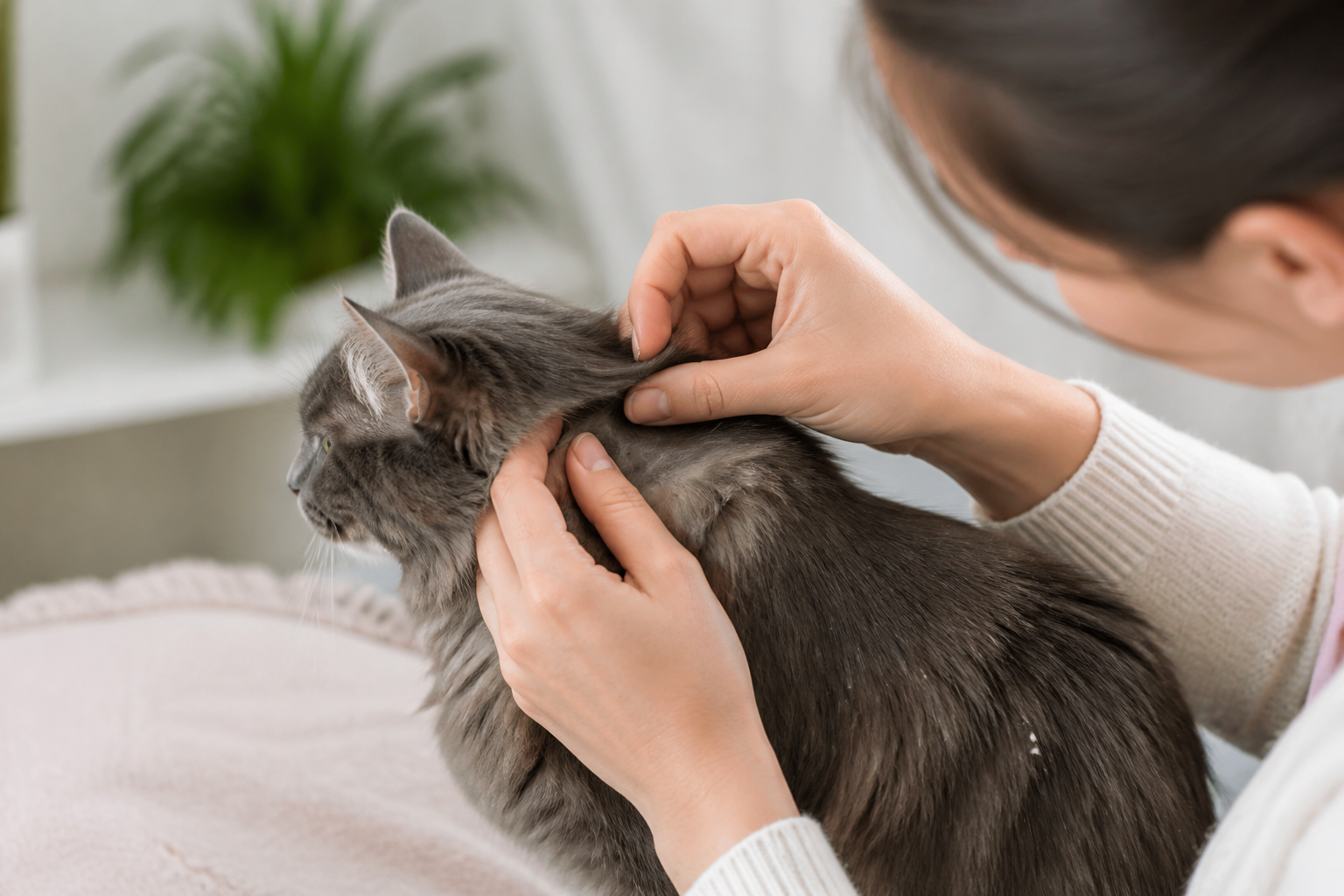
You are petting your cat when you notice tiny white specks scattered across their dark fur. Your mind might immediately jump to a flea infestation. However, these white particles are often just simple dandruff. At BaxterBoo, we know how stressful it is to worry about parasites in your home. It is important to know exactly what you are looking at before you start a treatment plan. This post covers the physical differences between skin flakes and flea eggs. We will also look at common causes for dry skin and how to manage an active flea problem. Understanding these differences ensures your cat gets the right care and stays comfortable.
Quick Answer: Cat dandruff consists of flat, irregular skin flakes that often stick to the hair. Flea eggs are uniform, oval-shaped, and smooth. While dandruff stays on the cat, flea eggs usually slide off the fur and settle into bedding or carpets.
The Visual Checklist: Dandruff vs Flea Eggs
At first glance, both dandruff and flea eggs look like small grains of salt or dust. If you look closer, the differences become clear. Dandruff is essentially dead skin cells. Because these cells peel off in layers, the flakes are rarely the same size. They have jagged edges and a flat appearance. They also tend to stay trapped in the fur or cling to the skin.
Flea eggs are quite different. They are perfectly oval and have a pearly, translucent white color. They look like tiny, smooth seeds. One major difference is how they react to touch. Flea eggs do not have a sticky coating. When your cat moves or jumps, these eggs slide right off the hair shafts. If you find white specks mostly in your cat’s bed rather than on their body, you are likely looking at flea eggs.
Comparing the Two
| Feature | Cat Dandruff | Flea Eggs |
|---|---|---|
| Shape | Irregular, flat, jagged | Uniform, oval, smooth |
| Texture | Rough or papery | Hard, smooth, seed-like |
| Location | Primarily on the skin or stuck in fur | Mostly in bedding, carpets, or furniture |
| Movement | Stays on the cat when they move | Falls off the cat easily |
| Consistency | Varies in size | Always about 0.5 mm long |
Key Takeaway: If the white specks are flat and stick to the cat's skin, it is likely dandruff. If they are uniform ovals that fall onto your furniture, you probably have a flea problem.
Cat Flea & Tick Care











Testing for Flea Dirt
If you see white specks but are still unsure, look for "flea dirt." Flea dirt is the waste left behind by adult fleas. It looks like tiny black or brown pepper flakes. This is actually dried blood. Finding flea dirt is a 100 percent guarantee that your cat has fleas, even if you do not see the white eggs or live bugs.
You can perform a simple test at home to confirm. This is often called the paper towel test. It is a reliable way to tell the difference between plain dirt and parasite waste.
Step 1: Use a fine-tooth comb. Brush your cat over a white paper towel or a light-colored sheet.
Step 2: Collect any black specks that fall off the fur.
Step 3: Add a few drops of water to the specks on the paper towel.
Step 4: Wait about thirty seconds. If the specks dissolve into a reddish-brown stain, it is flea dirt.
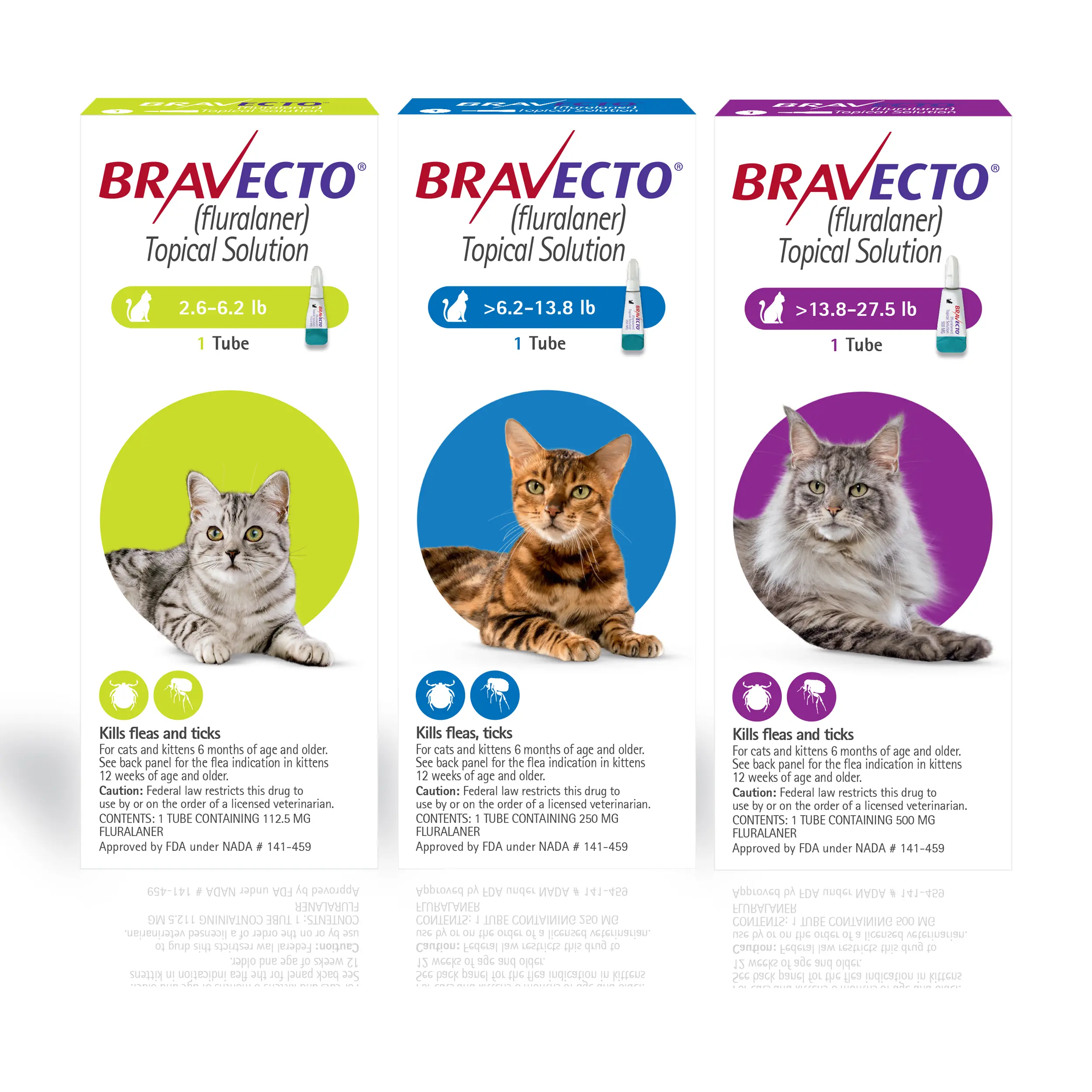
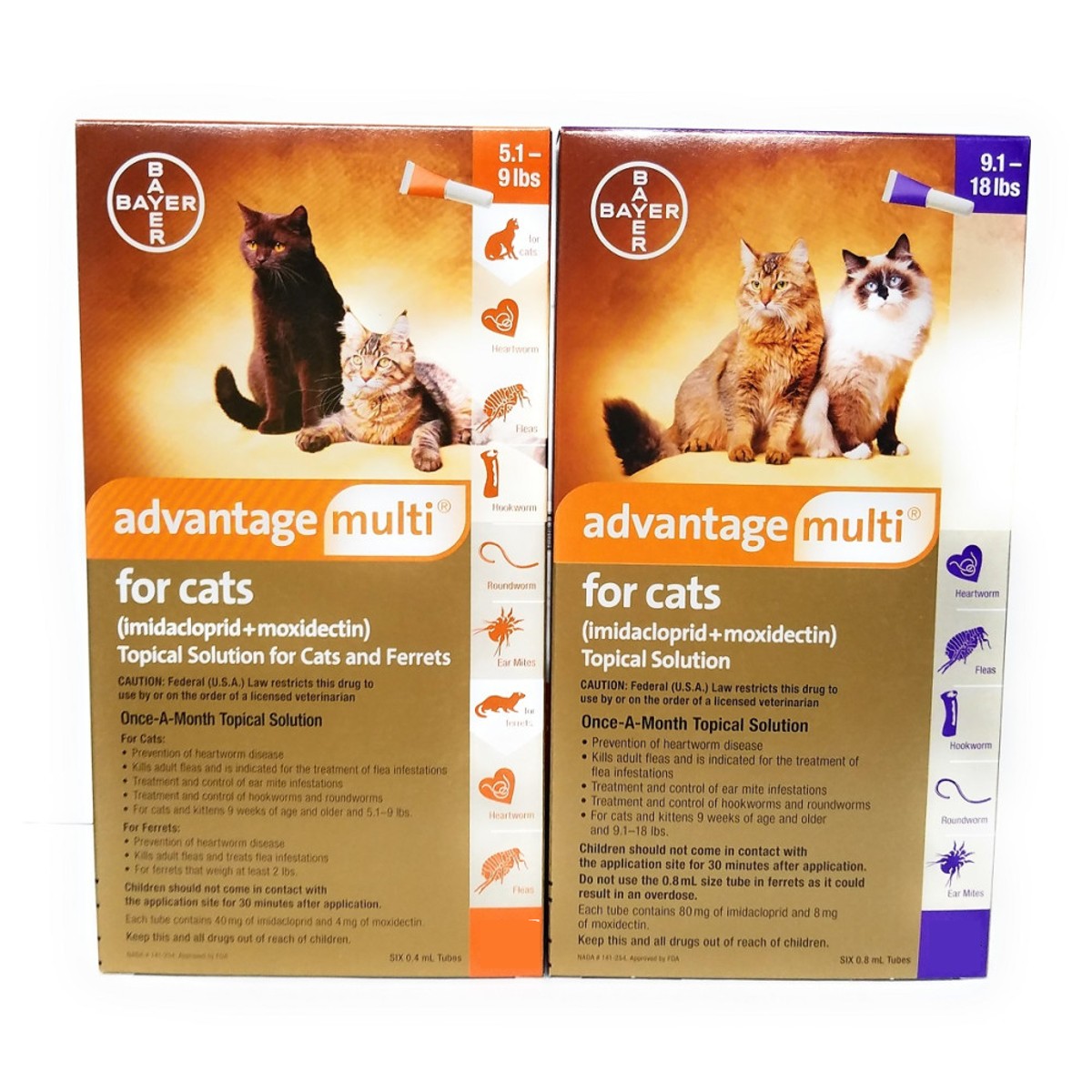
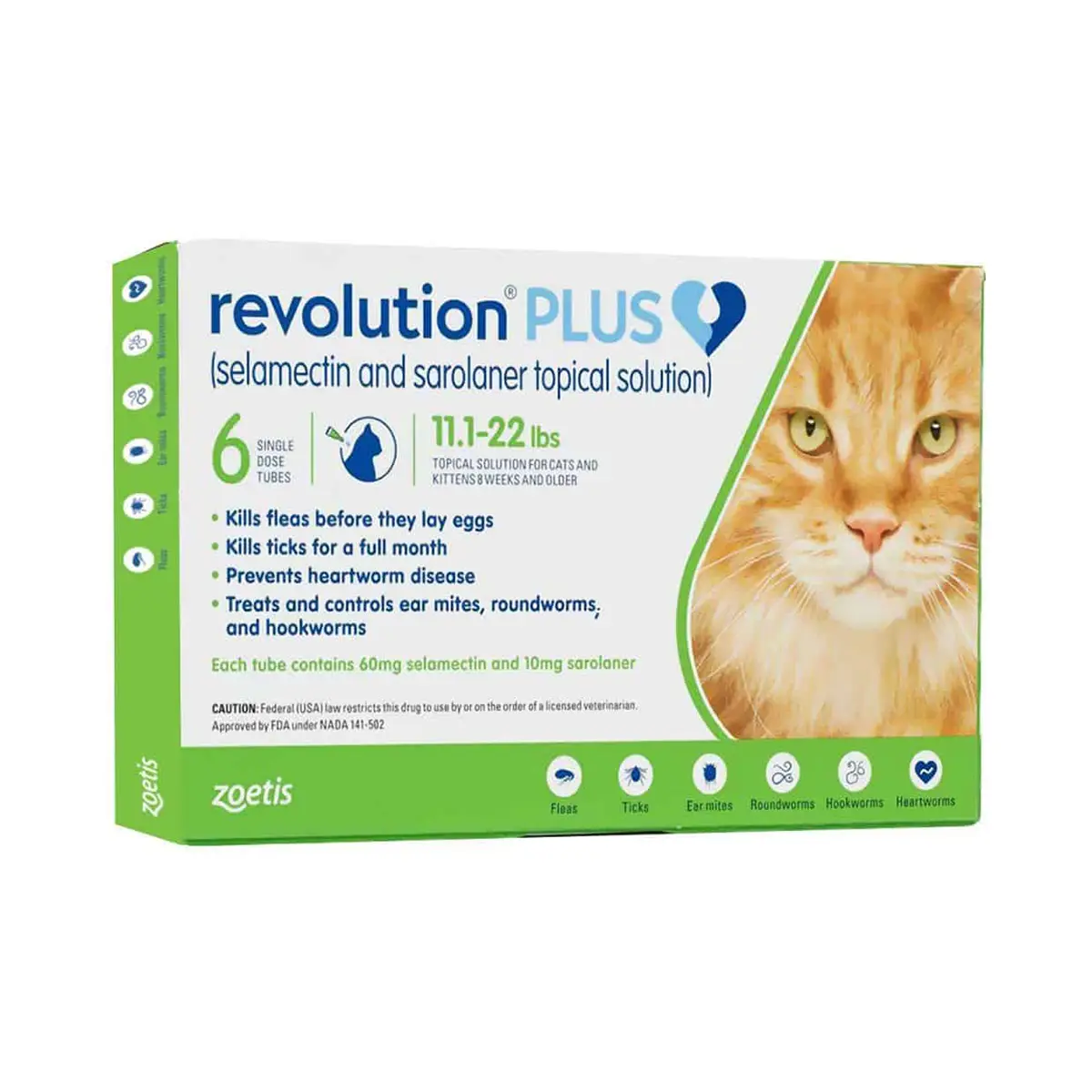
Vet Tip: If you confirm the presence of flea dirt, your cat needs a flea preventive immediately. Consult your veterinarian to ensure your cat does not have a flea allergy, which can lead to severe skin infections. Our cat flea and tick collection includes flea and tick care options.
Common Causes of Cat Dandruff
If the test is negative for fleas, your cat is likely dealing with dry skin. This is very common in indoor cats. Several factors contribute to a flaky coat. Environmental issues are the most frequent culprit. During the winter, indoor heating strips moisture from the air. This dries out your cat's skin just like it dries out yours.
Diet also plays a huge role in skin health. Cats need specific nutrients to maintain a glossy, flake-free coat. If their food is low in essential fatty acids, their skin will become brittle. We carry premium brands like Farmina and Open Farm in our cat food collection that focus on high-quality proteins and fats to support skin health.
Health Conditions That Cause Flaking
Sometimes dandruff is a symptom of a larger health issue. If your cat is older, they might have trouble grooming. Cats with arthritis or dental pain often stop cleaning themselves thoroughly. This leads to a buildup of dead skin and natural oils.
Other medical causes include:
- Hyperthyroidism or diabetes
- Skin infections (bacterial or fungal)
- Environmental or food allergies
- Obesity (preventing the cat from reaching their lower back)
Bottom line: While occasional dandruff is normal, a sudden increase in flaking warrants a visit to the vet to rule out systemic health issues.
Walking Dandruff: A Special Case
There is a specific parasite that mimics the appearance of dandruff. This is a mite called Cheyletiella. It is often called "walking dandruff" because the mites are large enough to be seen with the naked eye. As they move under the scales of the skin, it looks like the dandruff is moving on its own.
These mites are highly contagious. They can spread between cats, dogs, and even humans. If you notice white flakes that seem to crawl or if your cat is itching intensely, see a vet right away. This condition requires specific medicated treatments that are different from standard flea preventives.
How to Manage Cat Dandruff at Home
Once you know the problem is dry skin, you can take steps to fix it. Start with the environment. If your home is dry, a humidifier can make a massive difference. This adds moisture back into the air and helps soothe irritated skin.
Grooming is the next step. Regular brushing removes dead skin cells before they can clump together. For short-haired cats, a weekly brush is usually enough. Long-haired cats might need daily attention. Using a high-quality tool like those from RC Pets can make the process easier for both you and your cat. Browse our cat skin and coat care options for additional support.
Nutritional Support for Skin
What goes into your cat's body shows up on their coat. Omega-3 and Omega-6 fatty acids are vital. You can find these in fish oil supplements or in high-quality wet foods. Brands like Tiki Cat and Fussie Cat offer many options rich in natural oils.
- Increase hydration by adding wet food to the diet.
- Add a skin and coat supplement like Cosequin or Zesty Paws.
- Ensure the water bowl is always full and fresh.
Treating a Flea Infestation
If you have confirmed that those white specks are flea eggs, you must act fast. Fleas reproduce at an incredible rate. One female flea can lay up to 50 eggs per day. These eggs fall into your carpet, hatch into larvae, and eventually become new adult fleas.
Treatment must happen in two places: on the cat and in the home. You cannot just treat the cat and expect the problem to go away. The environment holds about 95 percent of the flea population in the form of eggs and larvae.
Steps for Removing Fleas
Step 1: Apply a vet-recommended flea treatment. Our cat pharmacy flea and tick options include topical and other treatment choices.
Step 2: Wash all bedding. Use the hottest water setting possible. This includes your own bedding if the cat sleeps with you.
Step 3: Vacuum everything. Focus on baseboards, under furniture, and anywhere the cat naps. This physical removal is the most effective way to get rid of eggs.
Step 4: Repeat the cleaning. Continue deep cleaning every few days for at least a month to catch fleas as they hatch.
Key Takeaway: Breaking the flea life cycle takes time. Even after the adult fleas are gone, eggs in the carpet can hatch weeks later. Stay consistent with your cleaning and preventive routine.
For additional prevention ideas, read our guide to the best flea and tick prevention products.
Grooming Tools and Techniques
Choosing the right brush can prevent dandruff from building up. A soft slicker brush is excellent for removing loose fur and stimulating the skin. This stimulation helps distribute natural oils across the coat. If your cat has thick fur, a metal comb can reach down to the skin to break up any mats or heavy scaling. Explore our cat grooming supplies to find grooming tools and related care products.
When you groom your cat, look at the skin underneath. Healthy skin should be pale pink and smooth. If you see redness, sores, or patches of hair loss, stop grooming and call your vet. These can be signs of a secondary skin infection caused by scratching.
Bathing Your Cat
Most cats do not need regular baths. In fact, bathing too often can make dandruff worse by stripping away protective oils. However, if your cat has a medical skin condition, your vet might prescribe a medicated shampoo. Always use a shampoo specifically formulated for cats. Human shampoos have a different pH balance and can cause severe irritation.
When to Call the Veterinarian
We always recommend consulting a professional if your cat's skin does not improve within a few weeks. If your cat is biting at their skin or seems restless, they might be in pain. A vet can perform a skin scraping to look for mites or fungus under a microscope.
You should also seek help if you notice:
- A foul odor coming from the skin
- Oozing or crusty sores
- Extreme lethargy or loss of appetite
- Weight loss alongside the dandruff
Vet Tip: Prescription diets like Farmina Vet Life can help manage chronic skin issues or allergies. These specialized foods require a prescription, which our pharmacy can fulfill.
Preventing Future Issues
Prevention is easier than treatment. For fleas, the best defense is year-round prevention. Many owners stop treatment in the winter, but fleas can survive easily inside a warm house. Using our Autoship program is a great way to make sure you never run out of preventives. You also save money on your first order and get free MVP Gold membership.
For dandruff, keep a close eye on your cat’s weight and mobility. If they are getting too heavy to groom themselves, a weight management plan is necessary. Keeping your cat active with toys from brands like Jackson Galaxy or Kong can help them stay limber and healthy.
Summary of Next Steps
Dealing with white specks in your cat's fur is a common part of being a pet owner. Once you distinguish between skin flakes and parasite eggs, the path forward is simple. For dandruff, focus on hydration, high-quality food, and regular grooming. For fleas, focus on medical preventives and deep cleaning your home environment.
- Perform the paper towel test to check for flea dirt.
- Switch to a high-quality food with omega fatty acids.
- Start a monthly flea preventive to protect your home.
- Use a humidifier during the dry winter months.
Bottom line: Whether it is dry skin or a flea problem, early intervention keeps your cat comfortable and prevents larger household issues.
FAQ
Can I get fleas from my cat's dandruff?
No, you cannot get fleas from dandruff. Dandruff is simply dead skin cells and is not contagious. However, if the white specks are actually flea eggs, those will hatch into adult fleas that can bite humans. While fleas prefer animal hosts, they will bite people if an infestation is large enough.
Why does my cat have dandruff only on their lower back?
The lower back and base of the tail are common spots for dandruff because they are the hardest areas for a cat to reach. If a cat is overweight or has arthritis, they may stop grooming these spots entirely. This leads to a buildup of skin cells and oils in that specific area.
Is cat dandruff the same as human dandruff?
The process is the same, but the causes are often different. In humans, dandruff is frequently caused by a yeast-like fungus. In cats, it is more often caused by environmental factors like dry air or nutritional deficiencies. You should never use human dandruff shampoo on a cat as it can be toxic.
How long does it take to get rid of flea eggs in the house?
It can take three to four months to fully clear a flea infestation. This is because flea pupae are very resistant to cleaning and chemicals. You must continue to vacuum and treat your pet through several life cycles to ensure every hidden egg and larva has been eliminated.






- Site & Contents BaxterBoo.com. BaxterBoo is located in the United States.
- Privacy & Security
- Terms of Use
- Accessibility Statement
