
 Save 15% on your 1st Autoship learn more

 Email us
 Live Chat
 FAQs





Introduction
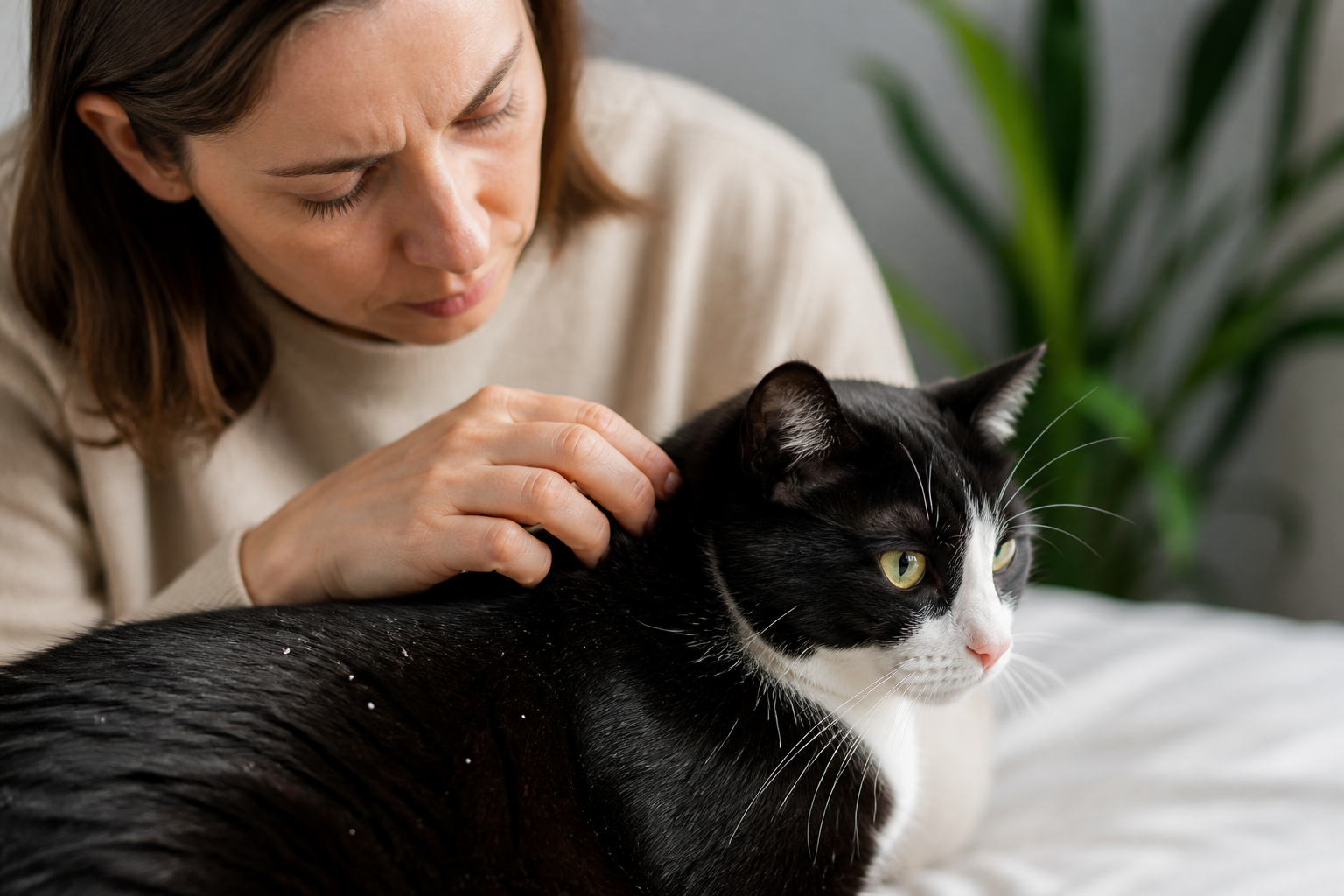
You are relaxing on the sofa with your cat when you notice small white specks scattered through their fur. At first glance, it might look like a dusting of salt or tiny flakes of paper. Your mind immediately goes to two possibilities: a flea infestation or a simple case of dry skin. While they look similar to the naked eye, cat flea eggs and dandruff require very different responses. At BaxterBoo, we understand that these tiny details can cause big worries for pet parents. This guide will help you distinguish between parasites and skin flakes so you can take the right action. We will cover physical traits, simple home tests, and how to treat the underlying causes of both issues. Identifying the problem correctly is the fastest way to return your cat to a healthy and itch-free life.
Physical Characteristics of Dandruff
Dandruff in cats consists of dead skin cells that have clumped together and flaked off. These flakes are technically known as seborrhea. They are typically irregular in shape and size. Some might be tiny like dust, while others are larger and more visible. Dandruff flakes are usually flat and have a translucent or bright white appearance. Because they are thin pieces of skin, they often have jagged or uneven edges.
Dandruff is frequently found in areas where the skin is particularly oily or dry. You will often see it along the cat’s lower back and toward the base of the tail. If your cat has a thick coat, these flakes can get trapped deep within the hair. They tend to cling to the hair shafts rather than falling off the body immediately.
Quick Answer: Cat dandruff is irregular, flat, and tends to stick to the fur. Flea eggs are uniform, oval-shaped, and fall off the cat easily because they are not sticky.
Cat Flea & Tick Care









Physical Characteristics of Flea Eggs
Flea eggs look remarkably different when you view them closely. They are about 0.5 millimeters long, which is roughly the size of a grain of salt. Unlike the irregular shape of dandruff, flea eggs are perfectly oval. They have rounded ends and a smooth, slightly shiny surface. Their color is usually an off-white or pearlescent shade.
One of the most defining traits of a flea egg is its weight and lack of stickiness. When a flea lays eggs on your cat, the eggs do not stay there for long. They are designed to slide off the host and land in the environment. This means you are more likely to find flea eggs in your cat’s bedding or favorite chair than on the cat itself.
The Stickiness Test
The easiest way to tell the difference between these two white specks is to see how they behave when touched. Dandruff is a part of the skin. It often contains natural oils that make it adhere to the cat's fur. If you try to brush dandruff away with your hand, some of it will likely stay stuck to the hair.
Flea eggs are the opposite. They are smooth and dry. If you see white specks on your cat and they fall off the moment the cat moves, you are likely looking at flea eggs. You can test this by placing your cat on a dark-colored towel or piece of paper. Give their fur a gentle rub. If the white specks tumble down like tiny beads, they are almost certainly eggs.
Key Takeaway: If the white specks stay in the fur during movement, think dandruff. If they drop onto furniture and bedding like grains of salt, think fleas.
Checking for Flea Dirt
If you suspect flea eggs, you should also look for "flea dirt." This is an industry term for flea excrement, which consists of digested blood. It looks like small black or reddish-brown specks of pepper. Flea dirt is often found in the same areas as eggs, such as the neck or the base of the tail.
You can perform the "wet paper towel test" to confirm if these black specks are flea dirt. Collect a few of the dark specks and place them on a white paper towel. Add a drop of water. If the specks dissolve and create a reddish-brown stain, it is confirmed flea dirt. This is a clear sign that adult fleas are present and laying eggs on your cat.
Causes of Cat Dandruff
Dandruff is rarely just a cosmetic issue. It is often a sign that the skin is struggling to maintain its natural balance. Low humidity is one of the most common environmental causes. This is especially true during the winter months when indoor heating dries out the air. Without enough moisture in the environment, a cat’s skin can become brittle and flaky.
Diet also plays a major role in skin health. Cats need specific nutrients, such as Omega-3 and Omega-6 fatty acids, to maintain a healthy coat. If their food is lacking these essential oils, the skin will be the first place to show signs of deficiency. We carry a variety of premium foods and supplements in our cat skin and coat health collection that support skin and coat health for cats of all ages.
Vet Tip: If your cat has sudden, severe dandruff or develops red, scaly patches, consult your veterinarian. They can check for underlying conditions like fungal infections, mites, or allergies that may require prescription treatment.
Mobility and Grooming Issues
Sometimes dandruff appears because a cat simply cannot reach certain parts of their body to groom. Cats are usually meticulous cleaners. Their tongues act as natural brushes that remove dead skin cells. If a cat becomes obese or develops arthritis, they may stop grooming their lower back.
This lack of grooming allows dead skin to accumulate and turn into visible dandruff. If you notice your cat is only flaky in areas they cannot reach, it might be time to help them with a regular brushing routine. This is common in senior cats who have lost some of their flexibility.
Walking Dandruff (Cheyletiella Mites)
There is a third possibility that pet owners should know about. It is called Cheyletiellosis, or more commonly, "walking dandruff." This is caused by tiny mites that live on the surface of the skin. To the naked eye, the mites look like small white flakes of dandruff. However, if you watch them closely, you will see the flakes actually moving.
These mites are highly contagious between pets. They cause significant itching and irritation. If you see white specks that seem to move on their own, do not wait. You will need to see a veterinarian for a proper diagnosis. They may prescribe specific medicated treatments to clear the infestation.
Managing a Flea Infestation
If you have confirmed that the specks are flea eggs, you must treat the entire environment. Only about five percent of a flea population lives on your pet. The rest exists as eggs, larvae, and pupae in your carpets and furniture. You must break the life cycle to stop the problem from recurring. For additional guidance, read our article about flea and tick prevention products.
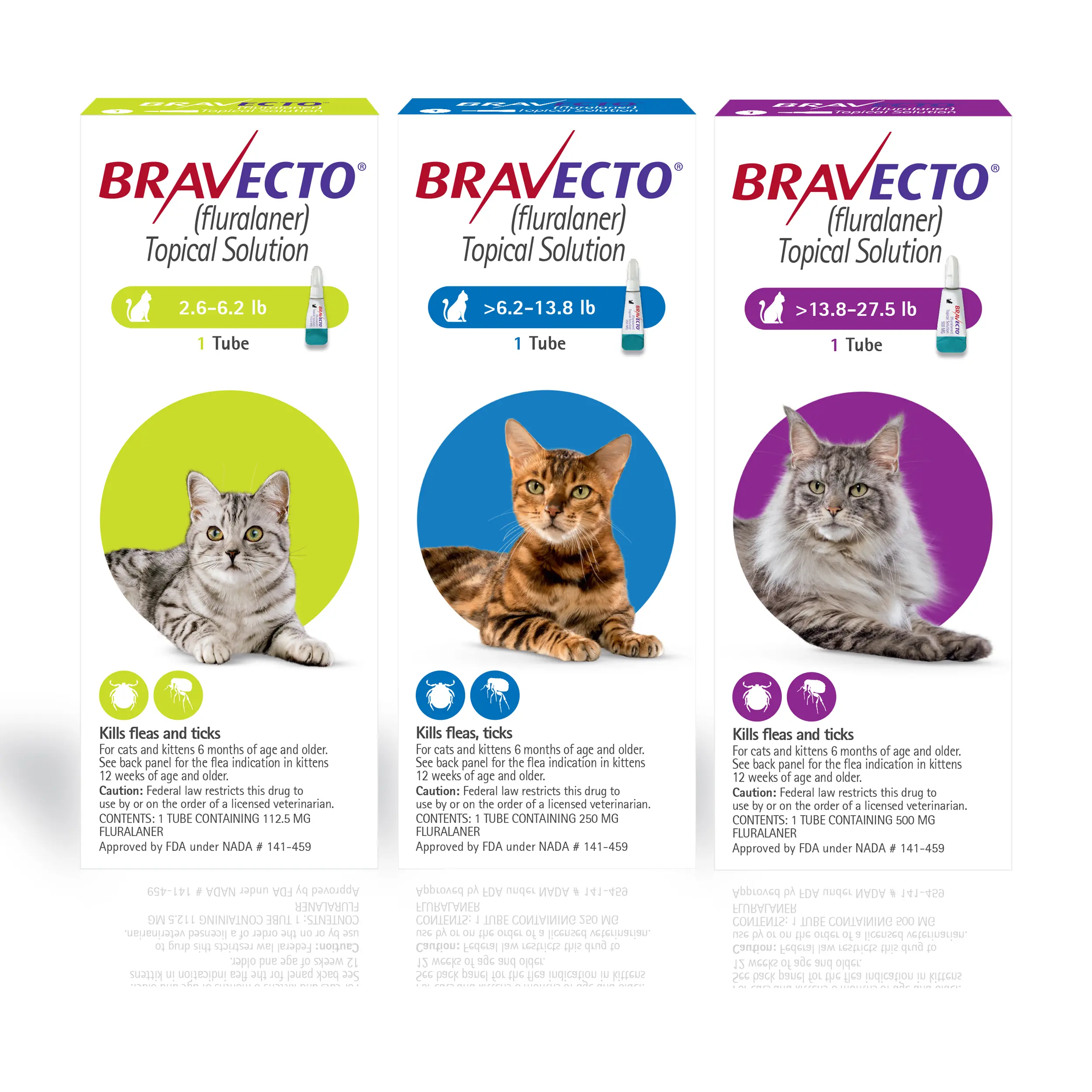
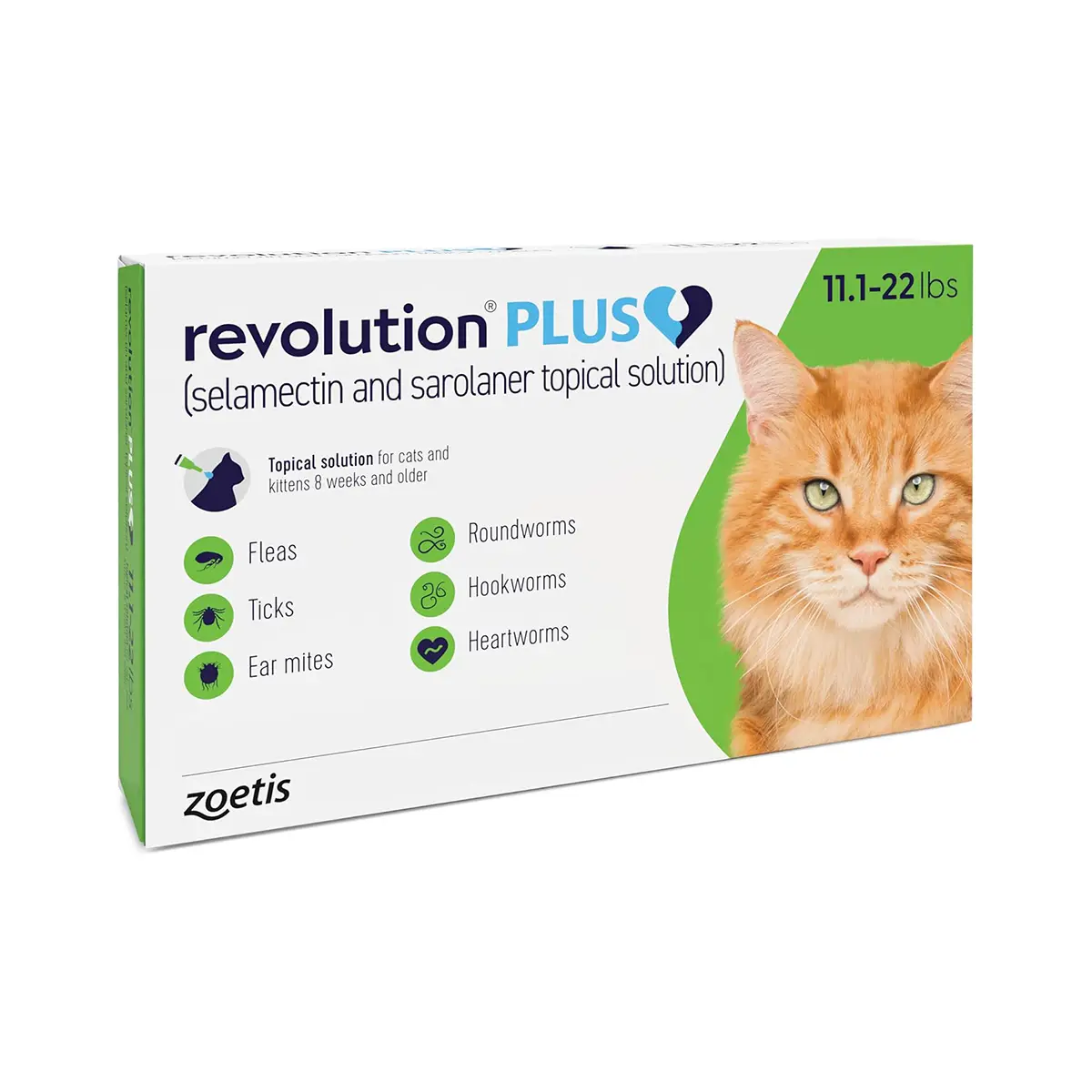
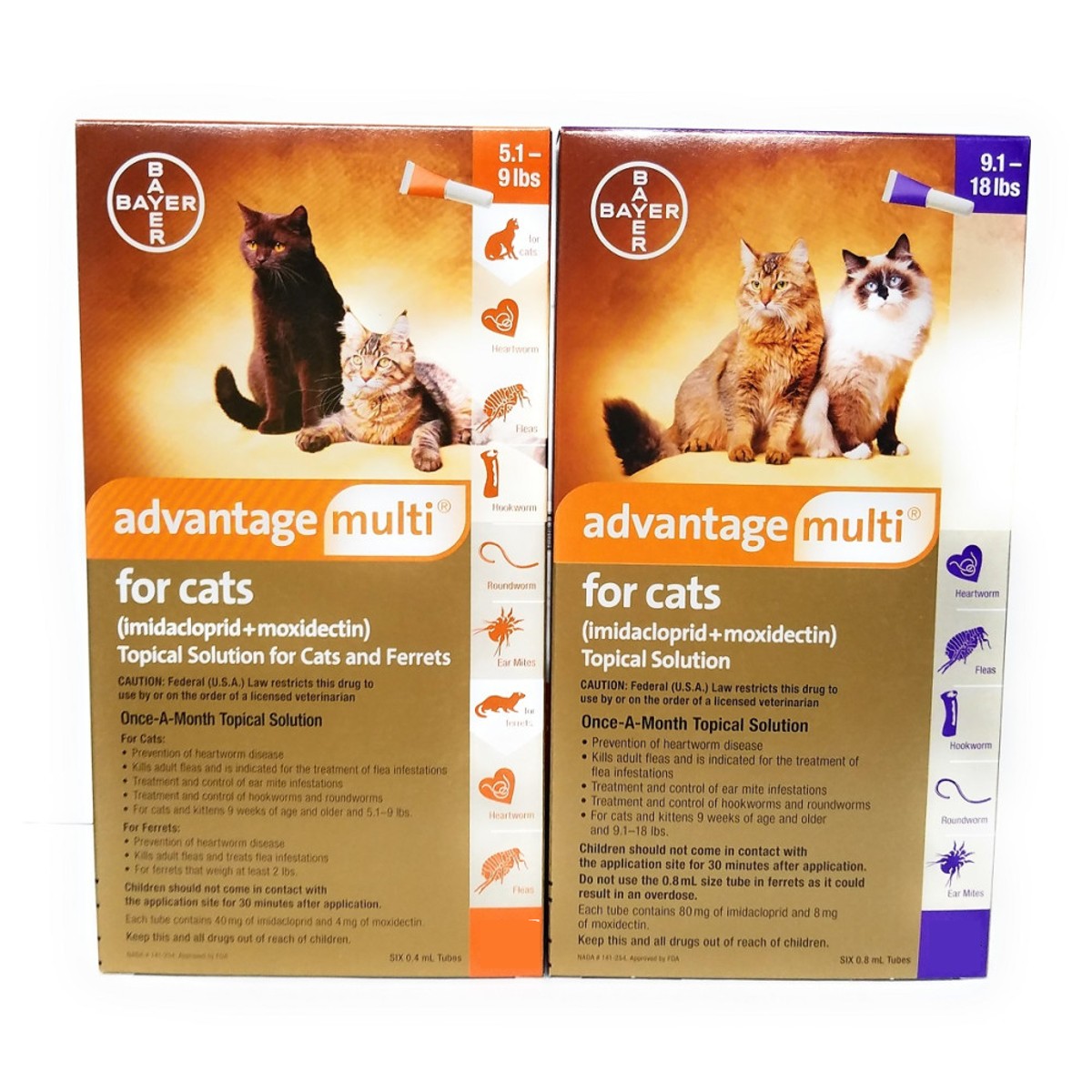
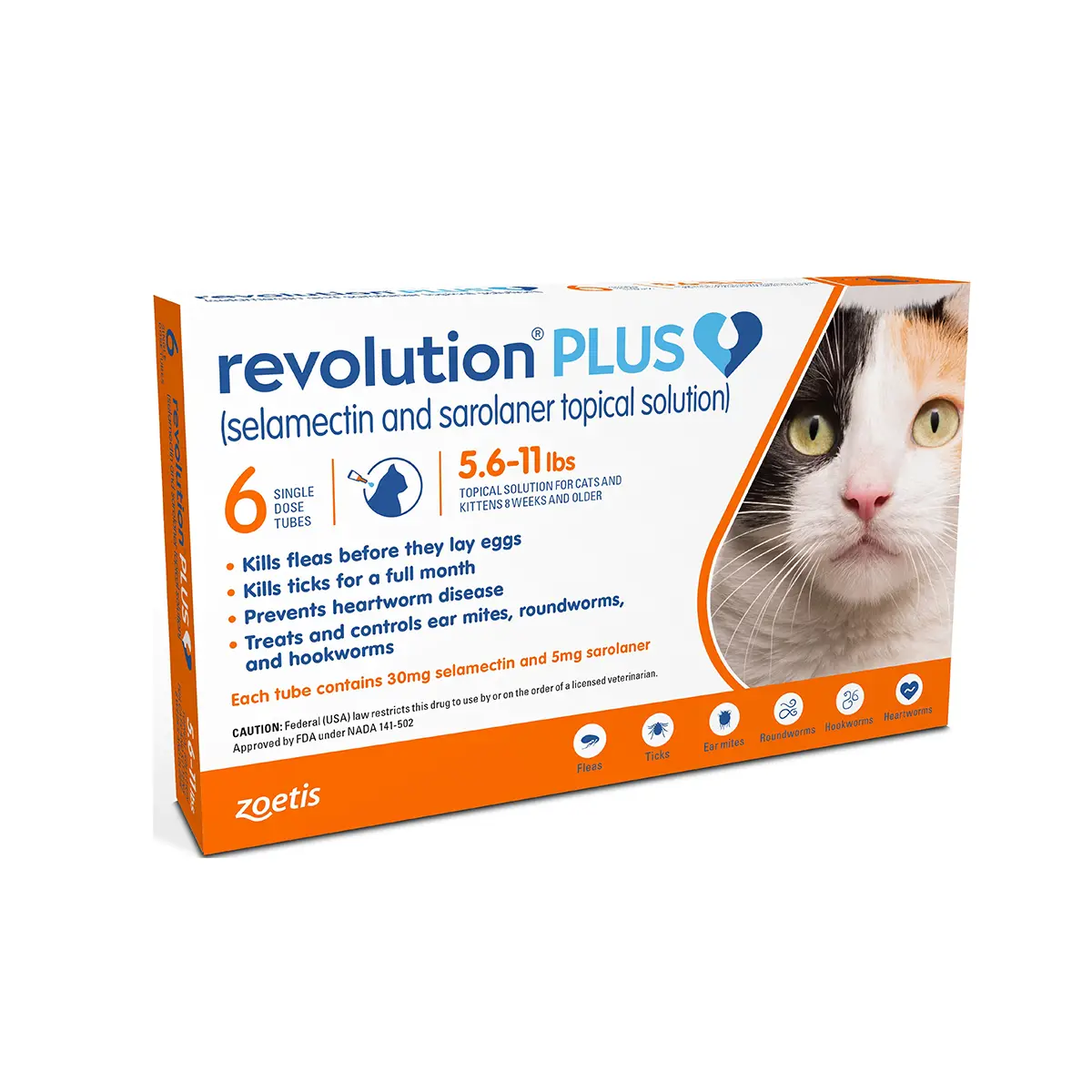
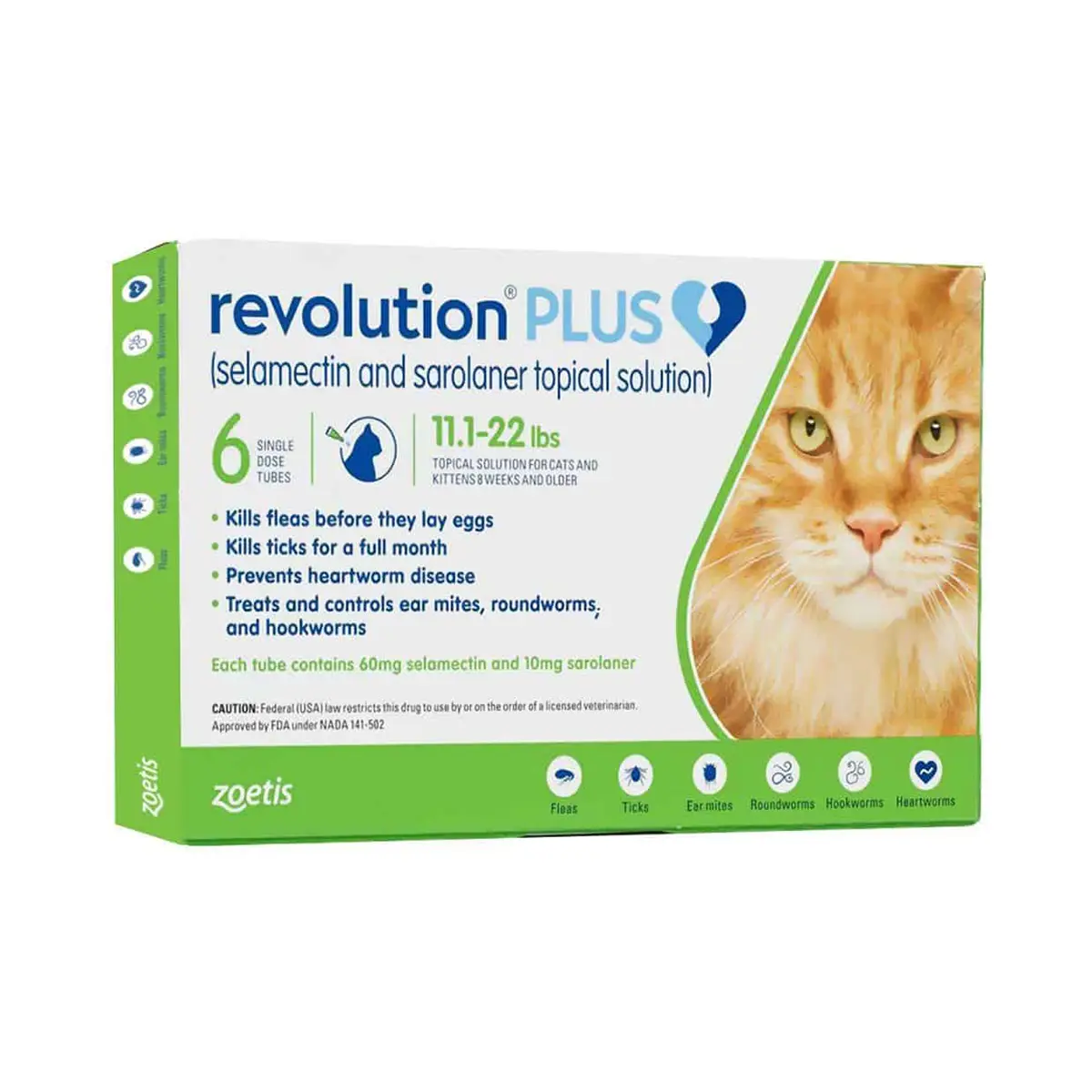
Step 1: Treat the cat. Use a vet-recommended flea preventive. Our cat flea and tick collection offers a range of products for helping manage flea concerns.
Step 2: Clean the bedding. Wash all pet bedding, rugs, and your own linens in hot water. High heat is one of the most effective ways to kill flea eggs and larvae.
Step 3: Vacuum everything. Vacuuming pulls eggs and larvae out of carpet fibers. Be sure to empty the vacuum canister or bag outside immediately after you finish.
Step 4: Consistent prevention. Flea eggs can hatch weeks after the adults are gone. Keep your cat on a year-round preventive to ensure any newly hatched fleas do not survive to lay more eggs.
Solutions for Chronic Dandruff
For cats dealing with simple dry skin, the solution is often a combination of grooming and nutrition. Using a soft-bristled brush once a day can help distribute natural oils across the coat. This prevents skin cells from clumping together and falling off as flakes.
You might also consider adding a humidifier to your home. This is a simple way to protect your cat's skin during the dry seasons. Additionally, look for grooming wipes or waterless shampoos that contain soothing ingredients like aloe or oatmeal. These can hydrate the skin without the stress of a full bath.
Bottom line: Dandruff is usually a sign of an environmental or nutritional gap, while flea eggs are a sign of a parasitic life cycle in progress.
The Role of the BaxterBoo Pharmacy
Managing cat health often requires more than just a new brush or a change in diet. Many skin conditions and parasite problems require professional-grade solutions. Through our partnership with Pet's Choice, our pet pharmacy provides access to prescription medications and other health products.
Whether your cat needs a prescription diet for skin sensitivities or a powerful flea treatment, we have the resources to help. We carry over 500 trusted brands to ensure you find exactly what your cat needs. Our pharmacy access makes it easy to manage chronic conditions like flea allergies or severe seborrhea with confidence.
Using Supplements for Long-Term Skin Health
Supplements can be a great way to bolster your cat’s natural skin barrier. Look for fish oil or green-lipped mussel supplements that are high in EPA and DHA. These fatty acids reduce inflammation in the skin and encourage a glossy, flake-free coat.
Most cats enjoy the taste of liquid fish oil when it is mixed into their wet food. It usually takes about three to four weeks of consistent supplementation to see a visible change in the coat. If you are a member of our MVP Rewards program, you can earn points on these recurring health purchases to save on future orders.
Comparing Symptoms: A Quick Reference
| Feature | Cat Flea Eggs | Cat Dandruff |
|---|---|---|
| Shape | Uniform Oval | Irregular Flakes |
| Texture | Smooth and Hard | Thin and Flaky |
| Stickiness | Falls off easily | Clings to fur/skin |
| Location | Dropped in bedding | Found on the body |
| Associated Signs | Flea dirt, itching | Dry skin, poor grooming |
Environmental Factors for Skin Health
The cleanliness of your home affects your cat's skin more than you might realize. Dust mites and household allergens can trigger skin reactions in sensitive cats. These reactions often lead to over-grooming or scratching, which creates more dandruff. Regular cleaning and high-quality air filters can reduce these triggers. For another household-cleaning routine, see our guide on how to clean a litter box.
If your cat spends time outdoors, they are at a much higher risk for fleas. Even indoor-only cats can get fleas if they are brought in on your clothing or by other pets. This is why consistent environmental management is just as important as direct pet care.
Key Takeaway: Proper identification leads to the correct treatment. Do not treat for fleas if the problem is dry skin, and do not ignore white specks that could be a growing infestation.
How to Help an Overweight Cat
If your cat has dandruff because they cannot reach their back, weight management is the primary goal. Obesity is a major cause of poor skin health in domestic cats. It limits their range of motion and puts stress on their joints. While you work on a weight loss plan with your vet, you should take over the grooming duties.
Use a fine-tooth comb to gently lift the dandruff flakes away from the skin. Be careful not to tug on the hair, as overweight cats often have thinner, more sensitive skin. Keeping the area clean will prevent secondary skin infections from developing under the accumulated flakes.
Final Steps for a Healthy Coat
Once you have determined if you are dealing with cat flea eggs or dandruff, consistency is your best friend. For fleas, this means sticking to a strict medication schedule. For dandruff, it means maintaining a high-quality diet and a stable environment. Our Autoship programme is a great way to ensure you never run out of the food or preventives your cat relies on. You can also review our cat healthcare supplies for additional grooming and wellness products.
Remember that a healthy coat starts from the inside out. Plenty of water, high-quality protein, and essential fats are the building blocks of cat wellness. If you ever feel unsure about the specks you see, your veterinarian is the best resource for a definitive diagnosis. They can perform a skin scraping or use a microscope to identify exactly what is happening on your cat's skin.
Conclusion
Distinguishing between cat flea eggs and dandruff is a common challenge for many pet owners. While both appear as white specks, their impact on your cat’s health is very different. Dandruff is often a sign of dry skin or grooming issues, while flea eggs indicate a parasitic infestation. By checking the shape and stickiness of the specks, you can quickly decide on the best course of action. We are here to support you with everything from grooming tools to FDA-approved medications from our pharmacy. Keeping your cat comfortable and healthy is our top priority.
- Check for stickiness to identify dandruff.
- Look for flea dirt to confirm a flea problem.
- Support skin health with fatty acid supplements.
- Use year-round flea prevention for all cats.
Bottom line: If the specks are oval and fall off, treat for fleas. If they are irregular and stick to the fur, focus on skin hydration and grooming.
FAQ
Can I get fleas from the eggs on my cat?
Flea eggs themselves do not bite or move, so they cannot harm you directly. However, if you find flea eggs on your cat, it means there are adult fleas in your home that will bite humans. The eggs will eventually hatch into larvae and then adults, continuing the cycle and increasing the risk to everyone in the household.
Why does my indoor cat have flea eggs?
Indoor cats can get fleas from several sources, including other pets that go outside or fleas that hitch a ride on your clothing. Fleas are excellent jumpers and can even enter through window screens or cracks in doors. This is why we recommend year-round flea prevention even for cats that never leave the house.
Is cat dandruff contagious to other pets?
Standard cat dandruff caused by dry skin or poor grooming is not contagious to other animals or humans. However, if the "dandruff" is actually caused by Cheyletiella mites (walking dandruff) or a fungal infection like ringworm, it can be highly contagious. If you notice multiple pets in your home are itchy or flaky, see a vet immediately.
How often should I brush my cat to prevent dandruff?
Most short-haired cats benefit from a thorough brushing once a week to remove dead skin and hair. Long-haired cats or senior cats with limited mobility may need daily brushing to prevent mats and dandruff buildup. Regular grooming is the best way to monitor your cat’s skin and catch problems like fleas early.






- Site & Contents BaxterBoo.com. BaxterBoo is located in the United States.
- Privacy & Security
- Terms of Use
- Accessibility Statement
