Save 15% on your 1st Autoship learn more

 Email us
 Live Chat
 FAQs
FAQs





Introduction
You are relaxing on the sofa with your cat when you notice small white specks scattered across their dark fur. Your first thought might jump to a flea infestation, but those tiny dots could also be simple dry skin. Distinguishing between cat flea eggs vs dandruff is a common challenge for pet owners. While they look similar at a distance, they require very different responses. One is a skin condition that might need a diet change or a new shampoo. The other is a parasitic invasion that can quickly take over your home. At BaxterBoo, we have helped pet parents manage both issues since 2006. We understand that spotting these specks can be stressful. This guide provides practical ways to identify exactly what you are seeing so you can take the right next steps.
Quick Answer: Flea eggs are uniform, oval shaped, and smooth, often falling off the cat easily. Dandruff consists of irregular, flat, white flakes that tend to stick to the hair shafts or skin. If the specks are accompanied by tiny black "dirt" that turns red when wet, you are dealing with fleas.
Physical Characteristics of Dandruff and Flea Eggs
When you look closely at your cat's coat, the shape and texture of the white specks offer the biggest clues. Dandruff is essentially dead skin cells. These cells shed more quickly than usual when the skin is irritated or dry. Because skin peels off in thin layers, dandruff flakes are usually flat. They have irregular, jagged edges and can vary significantly in size. You might see some specks that are microscopic and others that are large enough to pick up with your fingers.
Flea eggs are remarkably different once you view them under a magnifying glass or against a dark background. A female flea lays eggs that are roughly 0.5 millimeters long. They are almost perfectly oval with rounded ends. Unlike the flat flakes of dandruff, flea eggs are three-dimensional and resemble tiny, translucent grains of rice. They have a hard, smooth outer shell that reflects light, giving them a slightly pearly or shiny appearance.
The way these specks interact with your cat's fur is another major differentiator. Dandruff is often oily or static-charged, which causes it to cling to the hair. You will see it tangled in the fur or sitting right against the skin. Flea eggs are not sticky. The mother flea lays them on the cat, but the smooth shells are designed to slide off. This is a survival strategy that allows the eggs to drop into carpets, furniture, and bedding where larvae can hatch in safety.
Key Takeaway: If the white specks stay in the fur when you pet your cat, it is likely dandruff. If they fall off like grains of salt onto your clothes or the floor, they are likely flea eggs.
Using the "Paper Test" for Identification
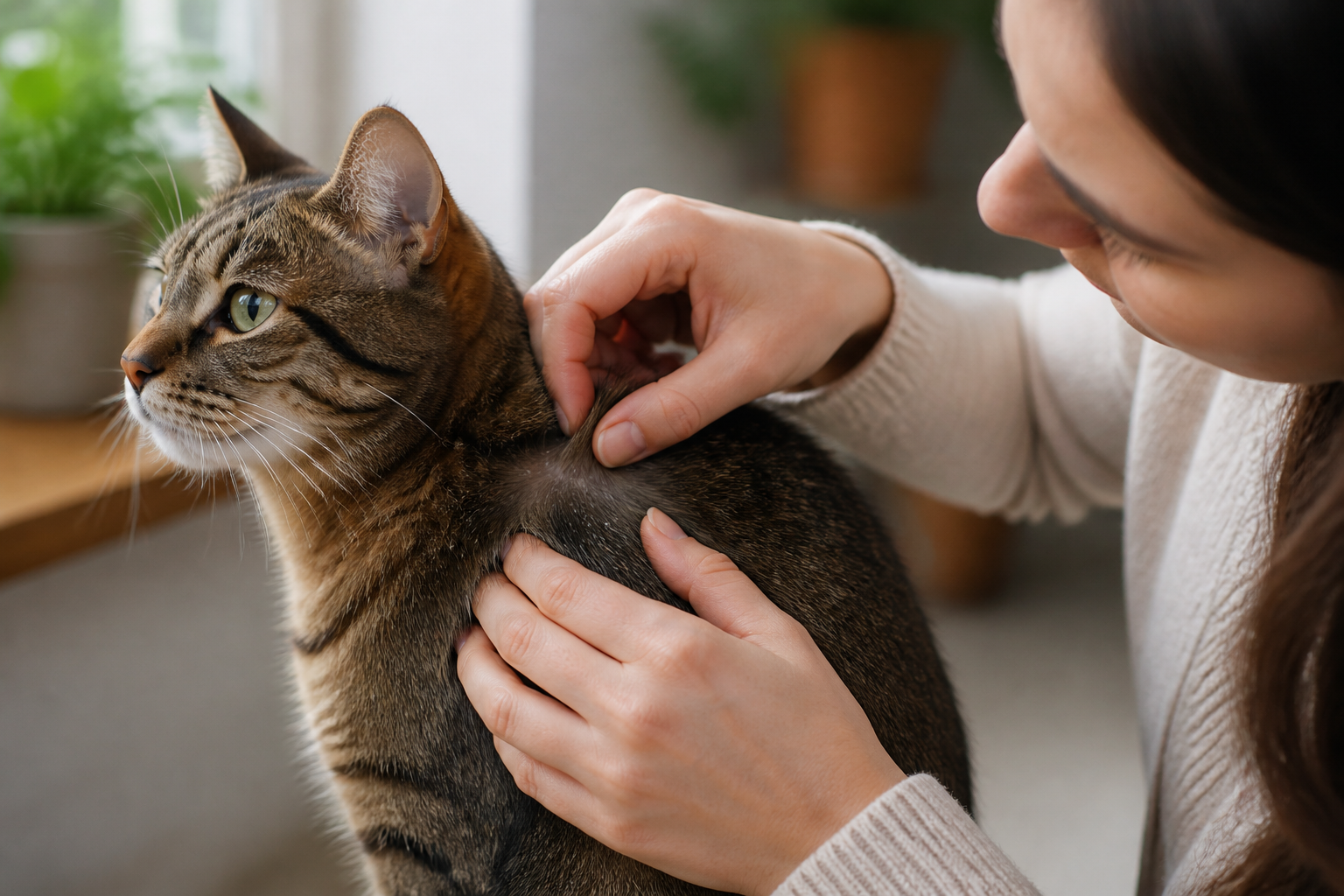
If you are still unsure after a visual inspection, you can perform a simple test at home. You will need a fine-tooth flea comb and a piece of dark construction paper or a white paper towel. Gently comb through your cat’s fur, focusing on the base of the tail and the neck. These are the areas where fleas and skin issues are most common. Shake the debris from the comb onto the paper.
If you are looking at dandruff, the specks on the paper will look like flat, white dust. They will be different shapes and sizes. If you press down on a flake with your fingernail, it will likely crumble or flatten further because it is made of soft skin tissue.
If you are looking at flea eggs, they will look like uniform, white ovals. Because the shells are firm, they will not crumble when touched. They may even bounce slightly if you drop them onto a hard surface. During this test, you should also look for "flea dirt." This looks like small grains of black pepper mixed in with the white specks.
- Collect debris from the cat using a flea comb.
- Place the debris on a white paper towel.
- Add a few drops of water to any dark specks.
- Watch for a reddish-brown stain.
The reddish stain is a confirmed sign of fleas. Flea dirt is actually dried blood from the flea's meal. When water hits it, the blood reconstitutes. Dandruff and environmental dust will not change color or turn red when wet. If you see this red staining, the white specks are almost certainly flea eggs.
Vet Tip: If you find evidence of fleas or if your cat has raw, red patches of skin, consult your veterinarian. They can check for secondary skin infections or flea allergy dermatitis, which may require prescription treatment from our cat pharmacy.
Why Cats Develop Dandruff
Understanding why your cat has dandruff can help you eliminate it. The technical term for excessive dandruff is seborrhea. It happens when the sebaceous glands produce too much oil, or when the skin becomes so dry that cells die and flake off prematurely. Several factors contribute to this condition.
Environmental humidity is a major factor, especially during US winters. When we turn on our heaters, the air inside our homes becomes very dry. This saps moisture from your cat's skin. You might notice that the dandruff worsens in December and improves in May. Using a humidifier in the rooms where your cat sleeps can often resolve mild cases of flaking.
Dietary health is another common culprit. Your cat's skin and coat require high levels of Omega-3 and Omega-6 fatty acids to stay supple. If their food is low in these nutrients, the skin becomes brittle. We carry several brands, such as Stella and Chewy's or Zesty Paws, that offer supplements designed to support skin hydration.
Grooming habits also play a role. Healthy cats are meticulous groomers. If a cat is overweight or has arthritis, they may struggle to reach their back or the base of their tail. This allows dead skin and natural oils to build up, leading to visible dandruff. In these cases, the dandruff is a symptom of a larger mobility or weight issue that needs to be addressed with your vet.
Bottom line: Dandruff is usually a sign of dry air, nutritional gaps, or a cat's inability to groom themselves properly.
The Hidden Danger of Flea Eggs
While dandruff is mostly a cosmetic or comfort issue, flea eggs represent a serious health threat. A single female flea can lay up to 50 eggs per day. Because these eggs fall off the cat so easily, your home becomes a nursery for the next generation of parasites. Only about 5% of a flea infestation consists of the adult fleas you see on your pet. The remaining 95% is made of eggs, larvae, and pupae hidden in your environment.
When flea eggs hatch, the larvae crawl away from light. They bury themselves deep into carpet fibers or under the edges of baseboards. They feed on the flea dirt left behind by adult fleas. Eventually, they spin a cocoon and become pupae. In this stage, they are nearly indestructible. They can stay dormant for months until they feel the heat and vibration of a passing host.
This is why seeing flea eggs is such a critical warning sign. If you see eggs, you already have an infestation in progress. Fleas can cause more than just itching. They can transmit tapeworms if a cat ingests a flea while grooming. In kittens or elderly cats, a heavy flea burden can even lead to anemia due to blood loss.
If your cat is constantly scratching or has thinning hair near the tail, they may have a flea allergy. This means their immune system overreacts to flea saliva. Even one or two bites can cause a massive breakout of skin irritation and dandruff-like flaking. Our cat flea and tick collection offers products designed to help manage flea concerns.
Managing Your Cat's Skin Health
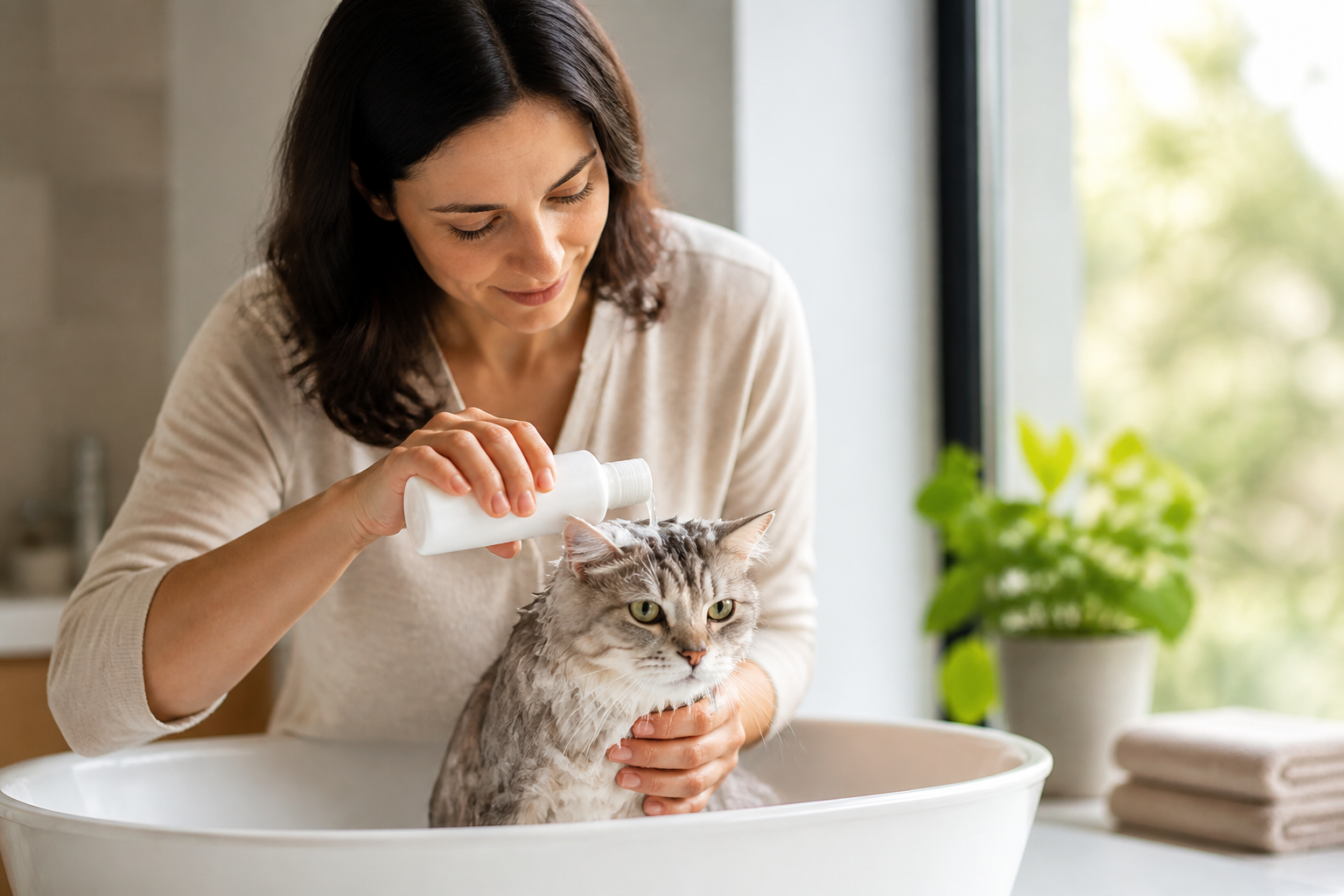
If you have confirmed that the white specks are dandruff, the focus should be on soothing the skin. Start by looking at your cat's bathing and grooming routine. Most cats do not need regular baths, and over-washing can actually make dandruff worse by stripping away essential oils. If you must wash your cat, use a soap-free, oatmeal-based shampoo specifically formulated for feline pH levels.
Brushing is one of the best ways to manage dandruff. A soft slicker brush or a rubber grooming tool helps distribute natural skin oils across the entire coat. This moisturizes the hair naturally and removes the dead cells before they can clump together and look like white specks. We recommend grooming your cat at least two or three times a week to keep the skin stimulated.
Hydration also comes from the inside out. Ensure your cat is drinking enough water. Many cats prefer running water, so a pet fountain can encourage them to drink more. You might also consider adding wet food to their diet. Brands like Tiki Cat or Fussie Cat provide high moisture content which helps keep the skin hydrated from within.
If the dandruff is accompanied by an oily smell or yellowish scales, your cat might have a yeast or bacterial infection. This is more common in cats with underlying health issues like diabetes or hyperthyroidism. In these instances, a vet might prescribe a medicated wash. You can find many of these specialized treatments in the cat skin and coat care collection.
- Increase brushing frequency to distribute oils.
- Add a skin and coat supplement to daily meals.
- Use a humidifier during the dry winter months.
- Switch to a high-quality food with balanced fatty acids.
Key Takeaway: Managing dandruff requires a combination of proper grooming, high-quality nutrition, and environmental moisture control.
Eliminating Fleas from the Home
If the white specks are confirmed as flea eggs, you must treat the cat and the home simultaneously. If you only treat the cat, new fleas will hatch from your carpets and jump right back onto your pet. This is the most common reason pet owners feel like their flea medication isn't working.
Step 1: Treat all pets.
Every dog and cat in your home must be on a high-quality preventive. Even if you only see eggs on one cat, the fleas are likely present on all animals. Products like Frontline or NexGard are gold standards for a reason. They interrupt the life cycle of the flea.
Step 2: Clean the bedding.
Gather all pet beds, blankets, and even your own bedding if the cat sleeps with you. Wash them in hot water and dry them on high heat. This temperature is necessary to kill flea eggs and larvae.
Step 3: Vacuum thoroughly.
Vacuuming is your most powerful tool against flea eggs. The vibration of the vacuum encourages pupae to emerge from their cocoons, making them vulnerable to treatments. Be sure to vacuum under furniture, along baseboards, and in dark corners. Empty the vacuum canister or bag immediately into an outdoor trash can.
Step 4: Use environmental sprays.
In cases of heavy infestation, you may need a spray that contains an Insect Growth Regulator (IGR). This chemical prevents flea eggs and larvae from maturing into biting adults. Always ensure any product you use is safe for cats, as they are particularly sensitive to certain chemicals.
When to Seek Professional Guidance
While most cases of dandruff and minor flea sightings can be handled at home, some situations require a professional. If your cat's skin is broken, bleeding, or oozing, they likely have a secondary infection. Scratching at flea bites introduces bacteria under the skin, which can lead to painful abscesses or cellulitis.
A veterinarian can perform a skin scraping to rule out other parasites that look like dandruff. For example, Cheyletiella mites are often called "walking dandruff" because they are large enough to see with the naked eye. As they move under the skin scales, it looks like the dandruff is moving. These mites require specific medical treatments that differ from standard flea preventives.
If you are struggling to get a flea problem under control despite using over-the-counter products, your vet can provide prescription-strength options. Through our partnership with Pet's Choice, we provide access to these FDA-approved medications. This is especially important for cats with chronic health conditions who need a tailored approach to parasite control.
Vet Tip: Never use flea products meant for dogs on a cat. Many dog treatments contain permethrin, which is highly toxic to felines and can be fatal. Always double-check the label or ask your vet before application.
The Role of Nutrition in Skin Resilience
The quality of the food you put in the bowl directly affects how well your cat's skin can defend itself. A cat with a strong, healthy skin barrier is less likely to suffer from severe dandruff. Furthermore, healthy skin heals faster from flea bites, reducing the risk of infection.
We carry brands like Farmina and Royal Canin that focus on specific nutritional needs. If your cat has persistent dandruff, look for formulas that list a specific animal protein as the first ingredient. Avoid foods with excessive fillers like corn or soy, which can sometimes trigger food sensitivities and skin flaking.
Amino acids are the building blocks of skin cells. Taurine and other essential proteins help maintain the integrity of the skin. If a cat is on a low-protein diet, their body will prioritize internal organs over skin and fur, leading to a dull, flaky coat. Adding a topper like The Honest Kitchen goat's milk or a salmon oil pump can provide the extra boost needed to clear up dry patches.
Bottom line: A premium diet is the foundation of a flake-free coat and a more resilient immune system.
Choosing the Right Grooming Tools
The tools you use can either help or hinder your cat's skin condition. If you use a brush that is too stiff, you might cause micro-scratches on the skin, which leads to more flaking and irritation. For cats with dandruff, a soft-bristled brush or a silicone grooming glove is usually the best choice. These tools gently massage the skin and increase blood flow without being abrasive.
For flea egg detection, a metal flea comb is non-negotiable. The teeth on these combs are spaced so closely together that they can trap both adult fleas and their eggs. Make it a habit to comb your cat once a week, even if you don't see any white specks. This early detection can save you weeks of cleaning and stress later on.
If your cat has long hair, they are more prone to both dandruff and hiding fleas. Mats and tangles trap moisture and heat against the skin, creating a breeding ground for bacteria and a perfect hiding spot for flea nests. Keeping your long-haired cat well-brushed is a vital part of their overall health strategy.
- Flea comb: Essential for identifying eggs and dirt.
- Slicker brush: Good for removing loose fur and debris.
- Rubber curry brush: Best for massaging the skin and removing dandruff.
- Scent-free wipes: Useful for cleaning off surface dandruff between brushes.
Maintaining Consistency with Autoship
The biggest mistake pet owners make with flea prevention is skipping a month. It only takes a few days of being unprotected for a cat to pick up a flea and bring eggs into your home. Consistency is the only way to ensure the flea life cycle remains broken.
Our Autoship programme is designed to take the guesswork out of this process. By scheduling regular deliveries of your favorite flea preventives and skin-supporting foods, you ensure you never run out. This consistency keeps your cat's skin barrier strong and their protection against parasites constant. Plus, subscribers earn a free MVP Gold membership for even more savings.
Staying on top of cat flea eggs vs dandruff means being proactive. Whether you need a moisturizing shampoo for a flaky senior cat or a prescription-strength flea treatment for a multi-pet household, we have the curated selection to help. Since 2006, our mission has been to provide the tools and knowledge that keep pets healthy and owners confident.
Summary of Key Differences
To help you remember the most important points, we have summarized the differences between these two common issues. Keep this in mind the next time you see white specks on your cat.
| Feature | Cat Dandruff | Cat Flea Eggs |
|---|---|---|
| Shape | Irregular, flat, flaky | Uniform, oval, grain-like |
| Color | Dull white or gray | Pearly, translucent white |
| Attachment | Often sticks to hair or skin | Slides off the hair easily |
| Movement | Does not move | Does not move (but may roll/bounce) |
| Presence of Dirt | None | Often accompanied by black flea dirt |
| Skin Condition | Skin may be dry or oily | Skin often has red bite marks |
Key Takeaway: Identification is the first step. Dandruff requires skin support, while flea eggs require environmental cleaning and parasiticides.
Conclusion
Finding white specks on your cat can be the start of a minor grooming adjustment or a major household cleanup. By looking closely at the shape, stickiness, and presence of flea dirt, you can confidently distinguish between cat flea eggs vs dandruff. Remember that dandruff is a sign of skin health, while flea eggs are a sign of a larger environmental issue. If you suspect fleas, act fast to treat your pet and your home to prevent the infestation from growing. If you are dealing with dandruff, focus on nutrition and consistent grooming. Our team at BaxterBoo is here to support you with everything from premium grooming tools to FDA-approved medications in our cat pharmacy. Keep your cat comfortable and your home clear by staying observant and choosing high-quality care products.
FAQ
Can cats have both dandruff and flea eggs at the same time?
Yes, it is actually very common for a cat with fleas to also have dandruff. The fleas bite the skin, causing irritation and inflammation, which leads to increased skin flaking. If your cat has a flea allergy, the skin reaction can be quite severe, resulting in heavy dandruff alongside the presence of flea eggs.
What should I do if I see white specks but no adult fleas?
It is very common to see flea eggs without ever spotting a live flea, as fleas are fast and excellent at hiding in thick fur. Use the "wet paper towel test" on any dark specks you find; if they turn red, you have fleas regardless of whether you see the insects themselves. If there are no dark specks and the white specks are irregular and sticky, you are likely dealing with simple dandruff.
Does human dandruff shampoo work on cat dandruff?
No, you should never use human dandruff shampoos like Head & Shoulders on a cat. Human skin has a different pH balance than feline skin, and many human products contain ingredients that are toxic to cats if ingested during grooming. Always use a shampoo specifically formulated for cats, or consult your vet for a prescription medicated wash.
How long does it take to get rid of flea eggs in the house?
It can take three to four months to fully clear a flea infestation from a home because of the flea life cycle. While you can kill adult fleas and eggs quickly, the pupae stage is resistant to most sprays and must hatch before it can be killed. Consistent vacuuming and maintaining all pets on preventives for at least three consecutive months is the only way to ensure every generation is eliminated.