
 Save 15% on your 1st Autoship learn more

 Email us
 Live Chat
 FAQs





Introduction
You are brushing your cat when you notice small white specks scattered across their fur. Your first thought might jump to fleas, but these specks do not move. They look like tiny grains of salt or flakes of skin. At BaxterBoo, we know how stressful it is when you realize your pet has a skin or coat issue. You might be wondering if you are dealing with a simple case of dry skin or a contagious parasitic infestation. Understanding the difference between cat lice and dandruff is the first step toward getting your cat the right relief. This guide will help you identify the symptoms and choose the best path for treatment. While they look similar at first glance, the way they behave and how you treat them are very different.
Quick Answer: The easiest way to tell the difference is the "slide test." Dandruff flakes are loose and fall off the hair easily when brushed. Lice eggs, called nits, are glued firmly to the hair shaft and will not budge without significant effort.
The Main Difference: Attachment and Movement
The most reliable way to distinguish between these two conditions is to see how the white particles react to touch. Cat dandruff consists of dead skin cells. These flakes are loose. If you ruffle your cat's fur or run a comb through it, dandruff will fall off like snow. It often ends up on your furniture or your clothes after a snuggle session.
Lice are very different because they are living organisms or their eggs. The species of lice that affects cats is called Felicola subrostratus. These are chewing lice that spend their entire life cycle on the host. The white specks you see are often nits, which are the eggs laid by adult lice. Female lice use a strong, cement like substance to attach these eggs to the base of the hair shaft.
The Physical Characteristics
If you look closely with a magnifying glass, you will notice distinct shapes. Dandruff flakes are irregular. They vary in size and often have jagged edges. They might look slightly oily or very dry and papery.
Nits have a very specific, uniform shape. They are oval or teardrop shaped. They are usually a consistent off white or yellowish color. If you see the adult lice themselves, they are tiny, flat, wingless insects. They are roughly the size of a sesame seed and move slowly through the fur.
Key Takeaway: If the white specks in your cat's fur fall off easily when you pet them, it is likely dandruff. If the specks are firmly stuck to individual hairs, you are likely looking at lice nits.
Cat Flea & Tick Care






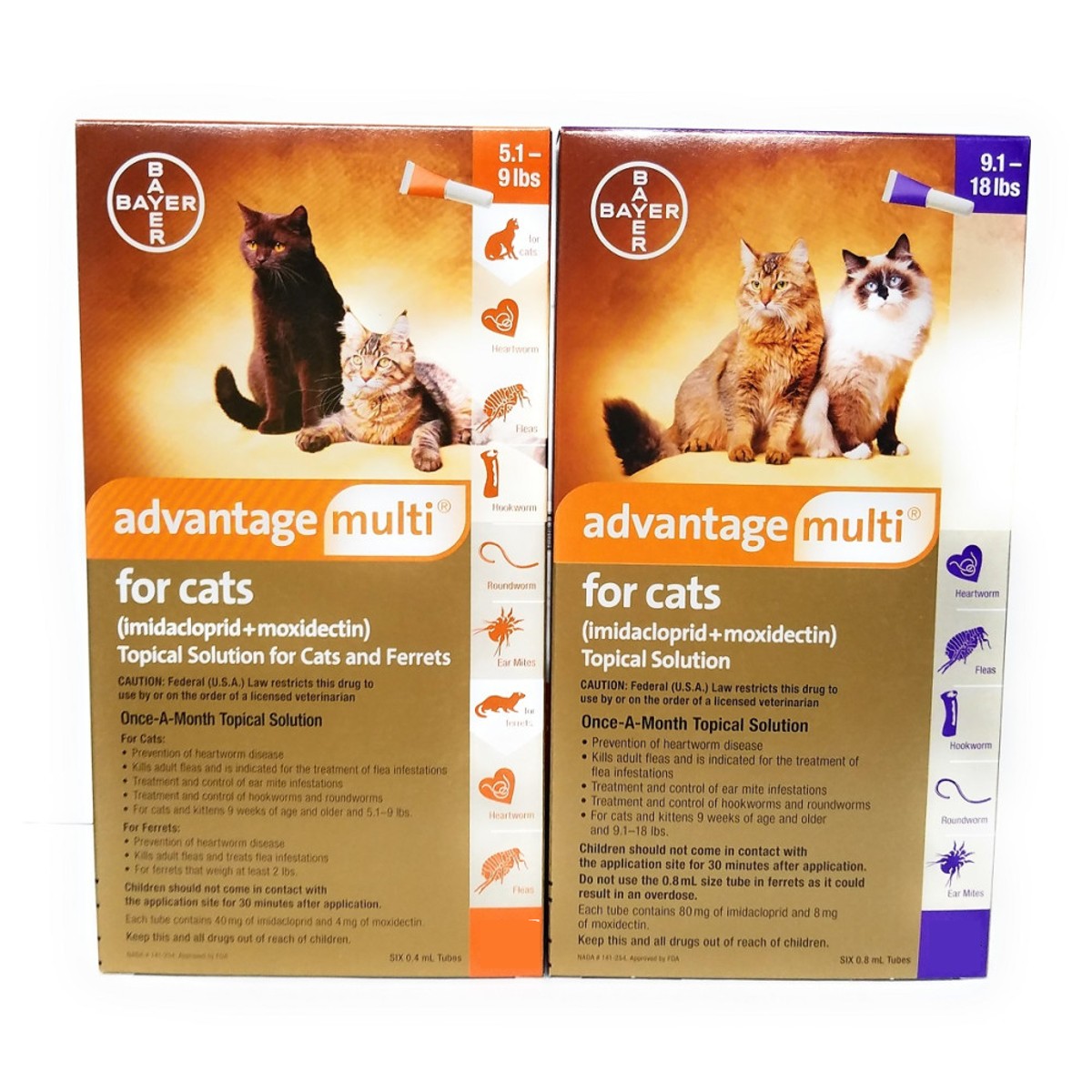
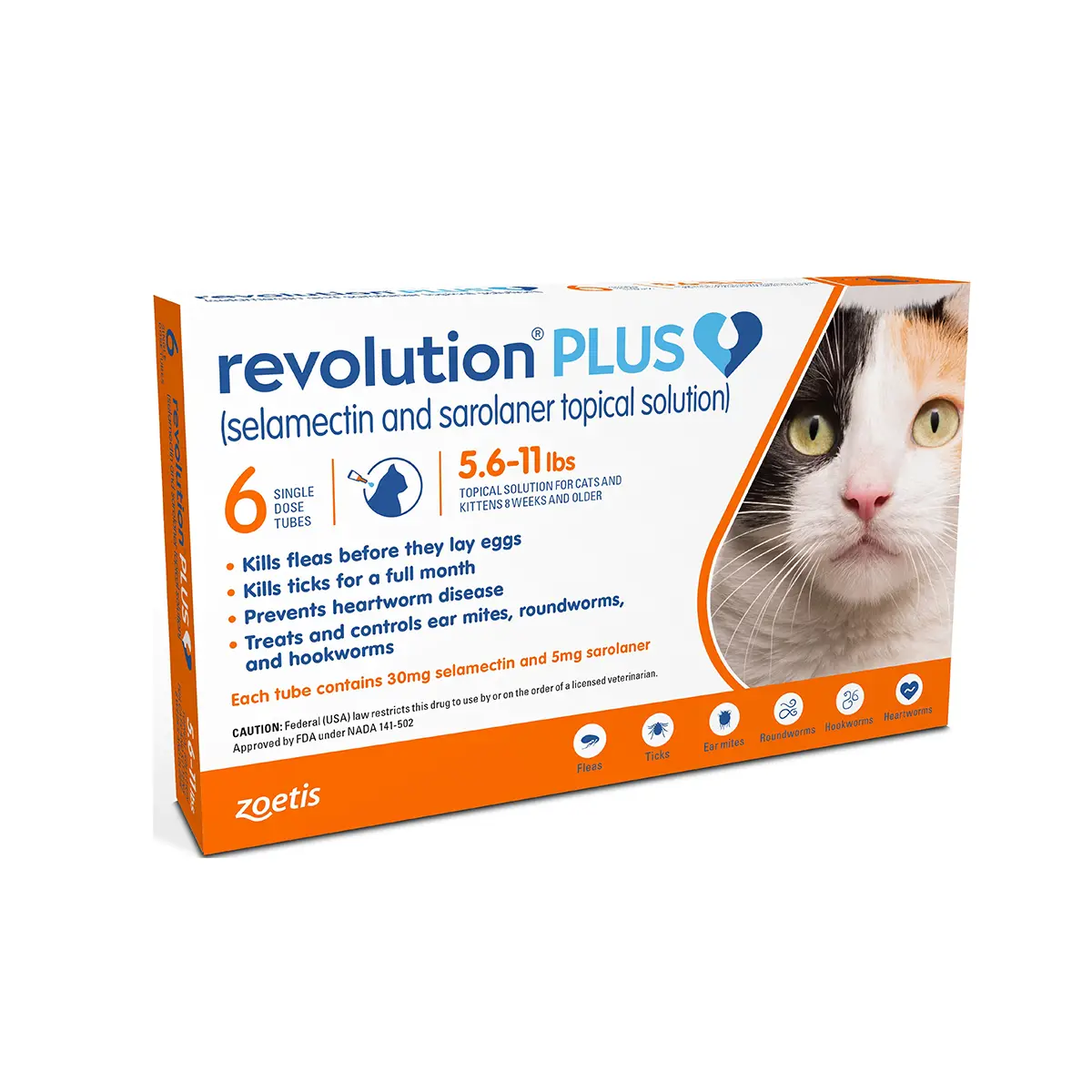
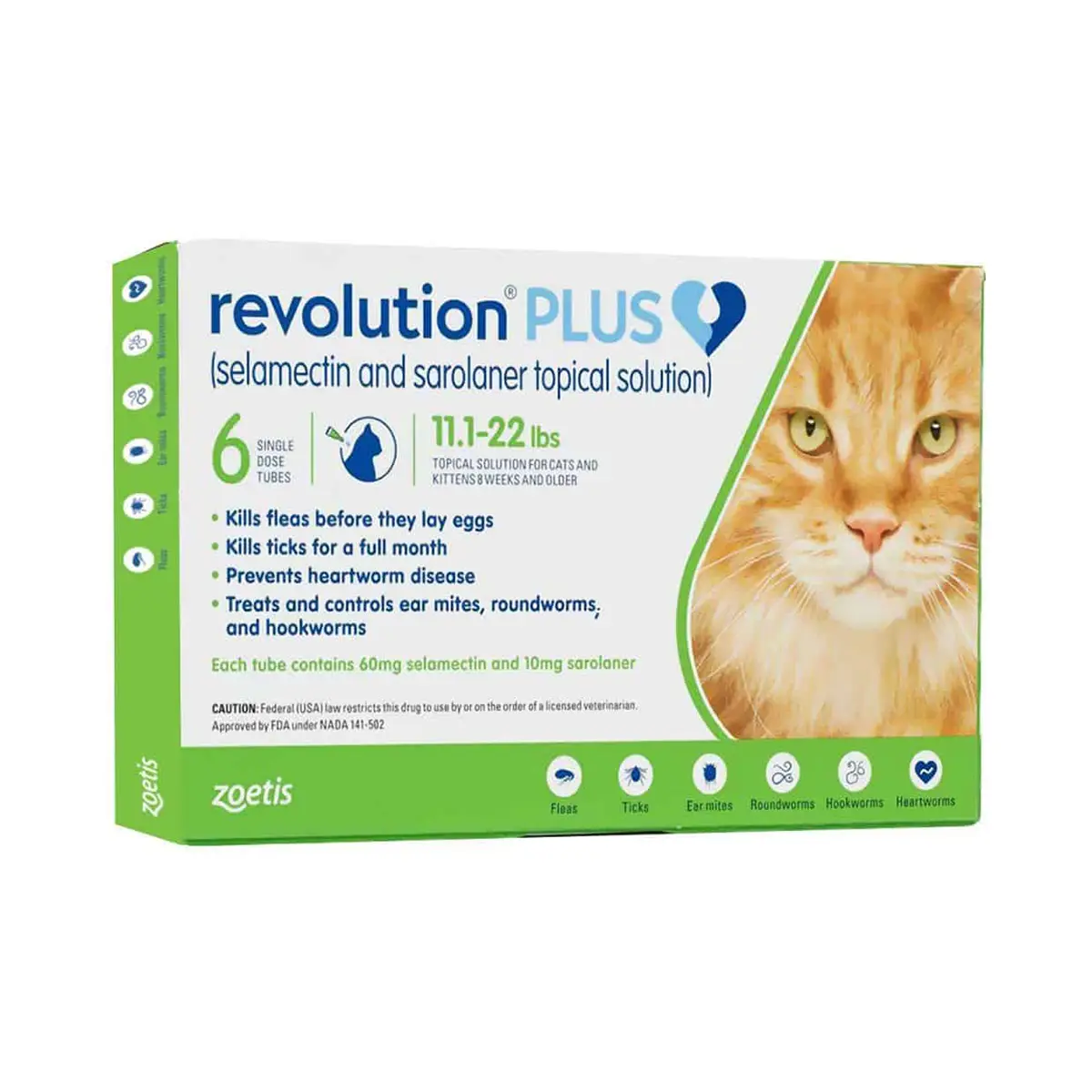


Understanding Cat Lice
Cat lice are species specific parasites. This means you do not have to worry about catching them from your cat. They cannot live on humans or dogs. They are most common in cats that are older, have long hair, or are unable to groom themselves properly. Cats in crowded environments or rescue situations are also at a higher risk.
Lice survive by chewing on skin debris and scales. Unlike fleas, they do not usually drink blood, but they still cause significant irritation. A cat with lice will often be extremely itchy. You might notice them scratching their neck, ears, and groin area. These are the spots where lice prefer to hide because they are warm and protected.
The Life Cycle of Lice
Knowing the life cycle helps you understand why treatment takes time.
- Eggs (Nits): These hatch in about one to two weeks.
- Nymphs: These look like smaller versions of adults and begin feeding immediately.
- Adults: Once mature, they begin laying new eggs.
Because most treatments only kill the living lice and not the eggs, you usually have to treat the cat multiple times. This ensures that any new lice that hatch are killed before they can lay more eggs.
Understanding Cat Dandruff
Dandruff is a symptom of a skin condition called seborrhea. It happens when the skin cells reach the surface too quickly and the "glue" that holds them together fails. This causes them to flake off in visible clumps. There are two main types of seborrhea in cats. Seborrhea sicca is the dry form, resulting in white, dusty flakes. Seborrhea oleosa is the oily form, which results in yellowish, greasy scales and a distinct odor.
Common Causes of Flaky Skin
Several factors can trigger dandruff in cats.
- Low Humidity: Dry indoor air, especially during winter, can sap moisture from the skin.
- Poor Nutrition: A lack of essential fatty acids like Omega-3 can lead to a dull, flaky coat.
- Grooming Issues: Overweight or senior cats may struggle to reach their back and tail area. This allows dead skin to build up.
- Allergies: Environmental or food allergies can cause skin inflammation and flaking.
- Parasites: Ironically, other parasites like mites can also cause skin to flake.
Vet Tip: If your cat has sudden, severe dandruff accompanied by hair loss or red, raw skin, consult your veterinarian. These can be signs of a secondary skin infection or an underlying health issue like hyperthyroidism or diabetes.
How to Perform a Physical Check
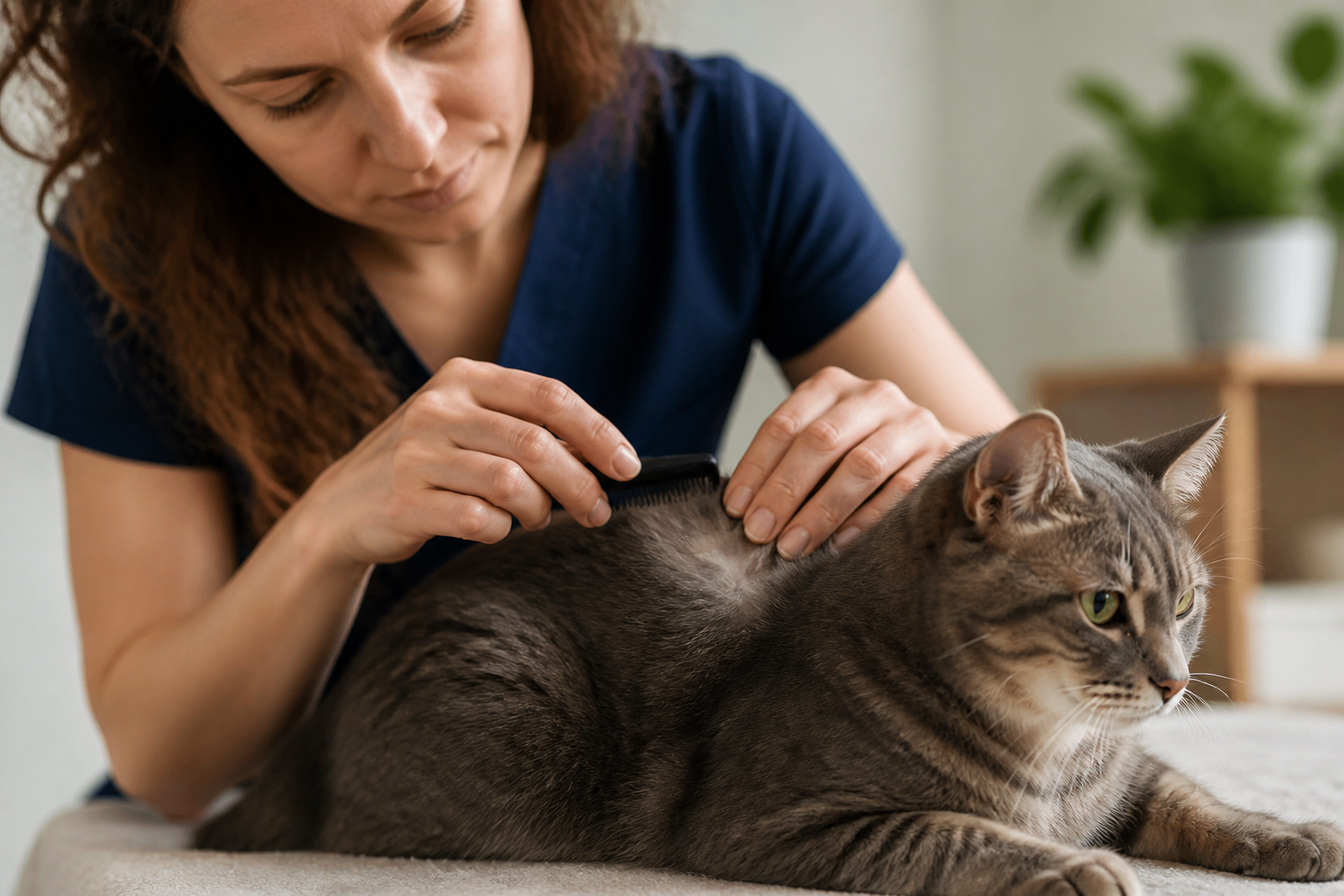
You can perform a simple check at home to determine what you are dealing with. You will need a fine tooth comb and a bright light. Natural sunlight works best for spotting movement.
Step 1: Place your cat on a dark colored towel or surface. This makes it easier to see what falls out of the coat.
Step 2: Start at the base of the neck or the base of the tail. Use a fine tooth comb to brush through the fur.
Step 3: Look at what is on the comb. If you see flat, irregular flakes that crumble when you touch them, that is dandruff.
Step 4: Check the hair shafts near the skin. If you see tiny white bumps that do not move when you blow on them or flick them, try to slide one off with your fingernails. If it stays put, it is a nit.
Step 5: Inspect the skin for movement. Adult lice are pale and move slowly. If you see fast moving, dark brown insects, those are likely fleas, not lice.
Managing Cat Lice and the Pharmacy
If you confirm that your cat has lice, you must act quickly to stop the cycle. Lice are very contagious between cats. If you have a multi cat household, you will likely need to treat all of them. You also need to wash their bedding in hot water and vacuum any areas where they spend time.
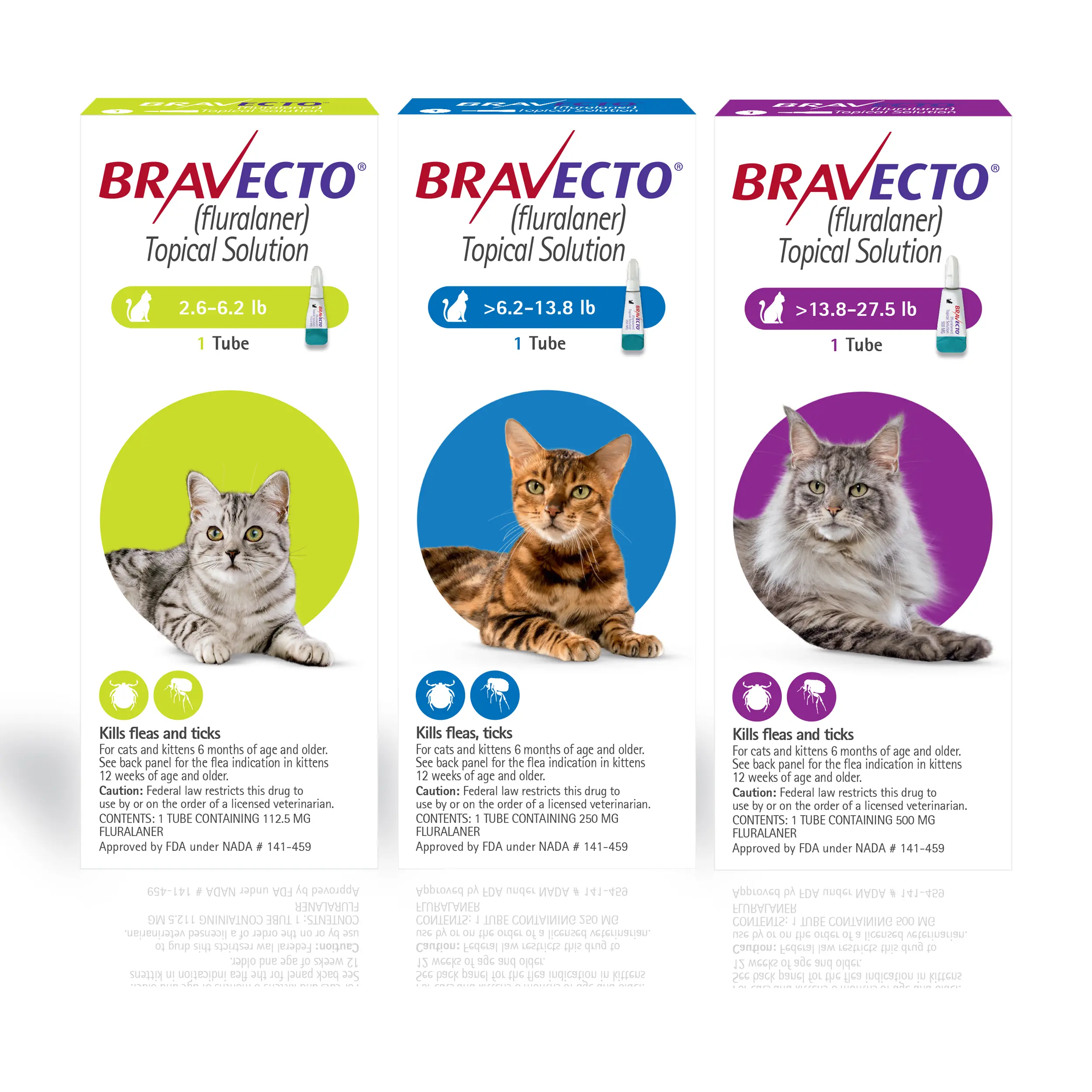
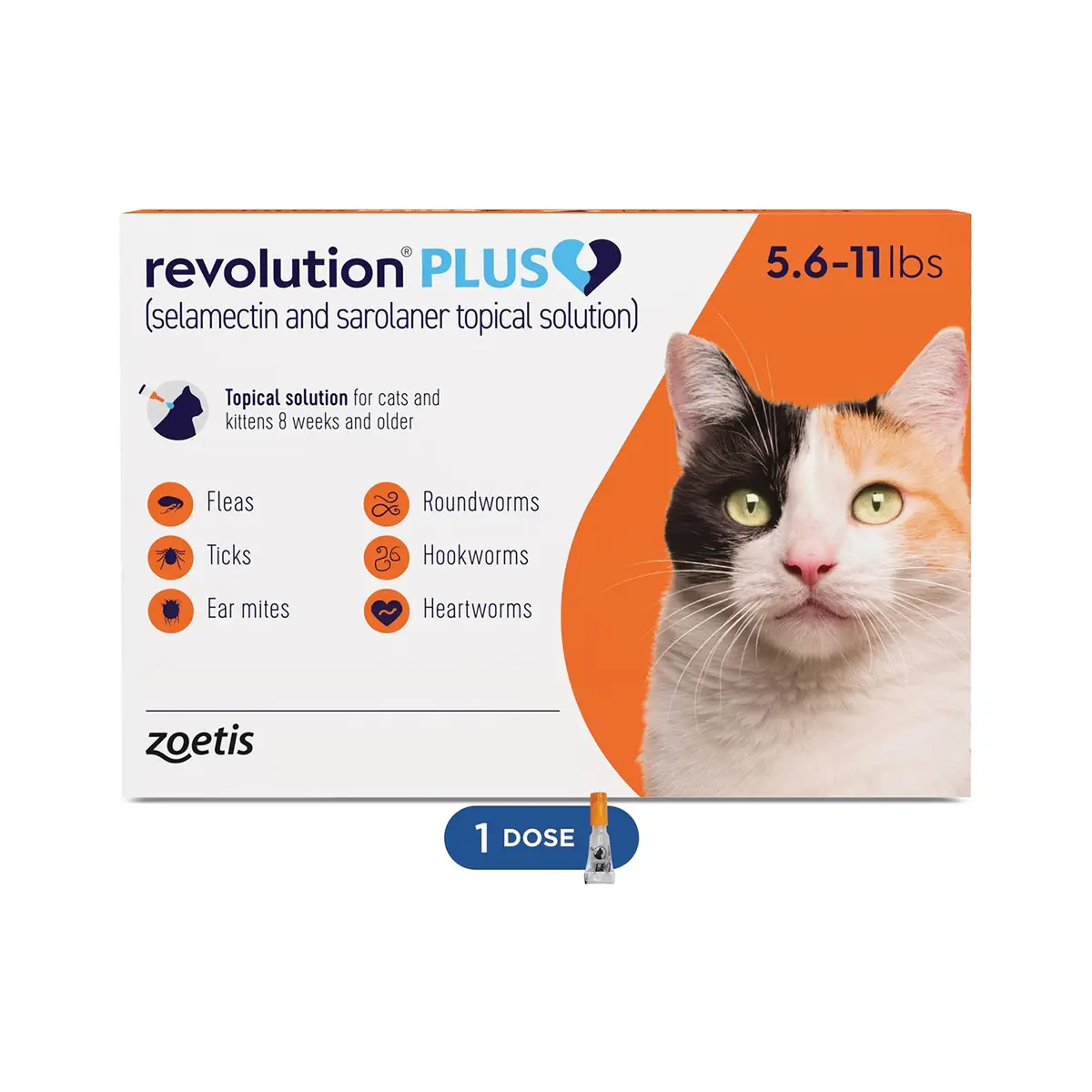
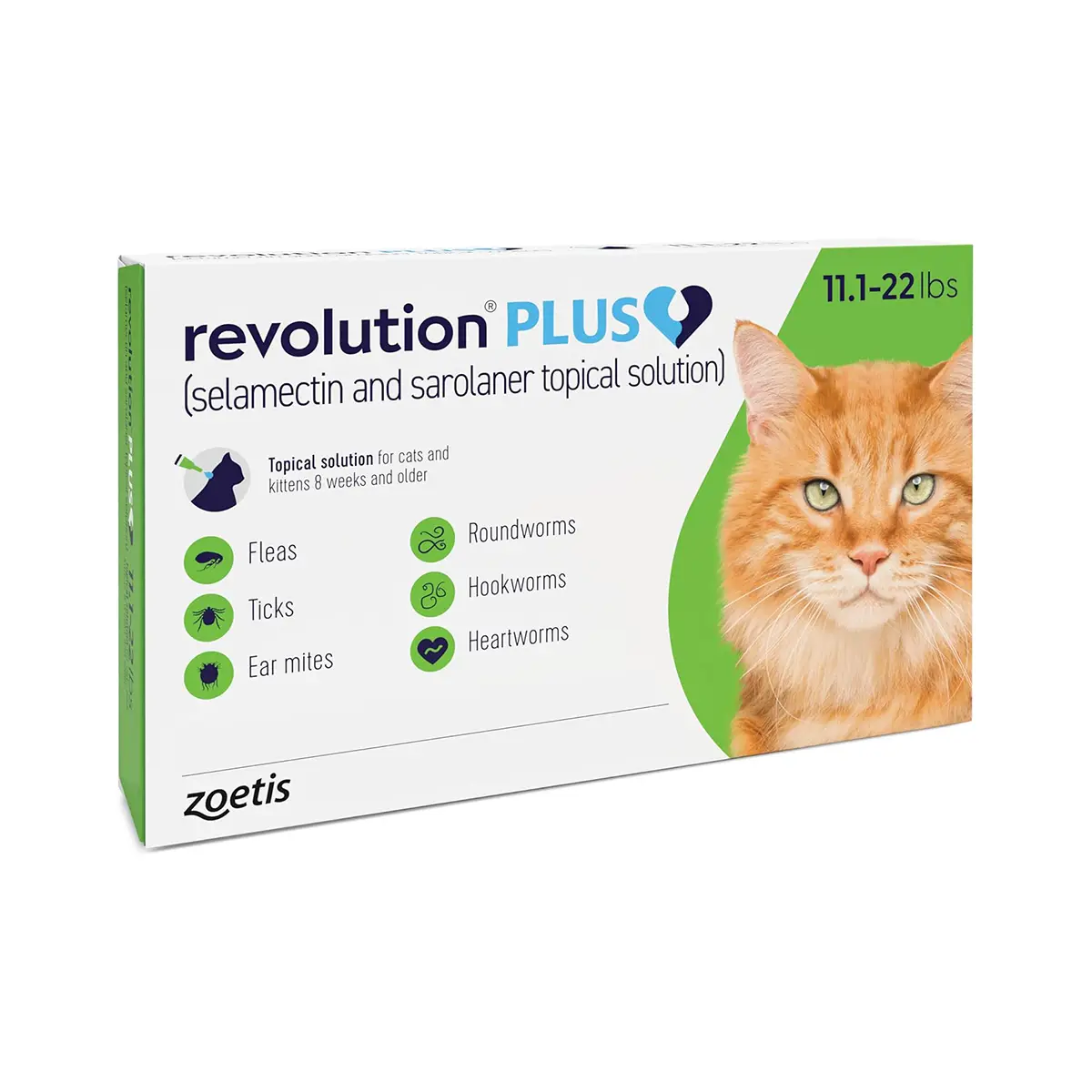
Most common flea and tick preventives also work against lice. Products containing ingredients like fipronil or selamectin are highly effective. We carry a wide range of these preventives in our cat healthcare collection. However, some cases require a stronger approach.
Our pharmacy offers FDA approved medications and prescription pet foods through our partnership with Pet's Choice. If your vet determines that the infestation is severe or has caused a secondary skin infection, they may provide a prescription for a specific medicated dip or a professional grade spot on treatment. Using our pet pharmacy ensures you are getting genuine, regulated products that are safe for your cat's specific health profile.
Bottom line: Lice require an insecticide to kill the living parasites and a repeated treatment plan to catch emerging nymphs.
Helping a Cat with Dandruff
Treating dandruff is usually about improving overall skin health and grooming habits. If the flakes are caused by dry air, a humidifier in your home can make a big difference. For cats who cannot groom themselves, daily brushing is essential. We carry various soft slicker brushes and grooming wipes in our cat grooming collection that can help remove dead skin and distribute natural oils.
Nutritional Support
Diet is one of the most effective ways to manage chronic dandruff. Look for foods rich in Zinc and Vitamin A. Brands like Farmina and Royal Canin offer specialized formulas for skin and coat health.
Adding a supplement can also help.
- Fish Oil: High in EPA and DHA to reduce inflammation.
- Coconut Oil: Can be used topically or in small amounts in food to support the skin barrier.
- Biotin: Supports keratin production for stronger hair and skin.
Medicated Shampoos
For oily dandruff, you may need a keratolytic shampoo. These products help break down the excess oil and slow the production of skin cells. Look for ingredients like salicylic acid or sulfur. Always ensure the shampoo is specifically formulated for cats. Never use human dandruff shampoo on a cat, as the pH balance is different and can cause chemical burns or severe irritation.
When to Contact Your Vet
While you can often manage mild dandruff at home, some situations require professional help. If your cat is scratching so much they are breaking the skin, they need a vet. Open sores can quickly lead to painful staph infections.
You should also seek help if you see:
- Patchy hair loss or thinning fur
- A strong, musty odor coming from the skin
- Thick, crusty scabs
- Lethargy or a loss of appetite
Your vet can perform a skin scraping or a "tape prep" to look at the cells under a microscope. This is the only way to rule out other issues like ringworm or Cheyetiella mites, which are often called "walking dandruff" because they look like moving skin flakes.
Key Takeaway: Chronic skin issues are often a window into a cat's internal health. A vet visit can rule out systemic problems that might be causing poor coat quality.
Comparing Lice and Dandruff
| Feature | Cat Lice (Nits) | Cat Dandruff |
|---|---|---|
| Movement | Stuck to hair; adults move slowly | Loose; falls off when touched |
| Shape | Uniform teardrop or oval | Irregular, jagged flakes |
| Contagion | Highly contagious to other cats | Not contagious |
| Attachment | Glued to hair shaft | Sits on top of skin/fur |
| Itch Level | Usually very high | Mild to moderate |
| Location | Often neck, ears, and groin | Distributed across the back |
Environmental Cleanup
Whether you are dealing with lice or dandruff, a clean environment helps your cat recover. For lice, this is mandatory. Lice can only live off a host for a few days, but you do not want to take any chances.
- Wash all cat trees covers and blankets in water at least 130 degrees Fahrenheit.
- Discard any grooming tools that cannot be thoroughly disinfected.
- Vacuum daily for at least two weeks to pick up any stray hairs that might have nits attached.
For dandruff, environmental care is more about comfort. Regular vacuuming removes the dander that can irritate your own allergies. Keeping the air hydrated helps prevent your cat's skin from cracking and flaking further.
Long Term Prevention
The best way to handle lice is to never get them in the first place. Keep your cats indoors and maintain a regular flea and tick prevention schedule. This creates a chemical barrier that makes your cat an inhospitable host for lice.
For dandruff, consistency is key.
- Maintain a high quality diet.
- Brush your cat at least three times a week.
- Monitor their weight to ensure they can reach all parts of their body for self grooming.
- Schedule annual vet exams to catch health changes early.
Our MVP Rewards program is a great way to save on the high quality food and grooming tools needed to keep your cat's coat in top shape. You earn points on every purchase that can be used for future savings on skin support supplements or grooming supplies.
Summary of Next Steps
Dealing with white specks in your cat's fur can be a nuisance, but it is manageable. Once you identify whether you are looking at lice or dandruff, you can take the right steps to fix the problem.
- Perform the "slide test" to check for nits.
- If nits are present, visit our pharmacy for cat treatments for effective treatments.
- If it is dandruff, evaluate your cat's diet and grooming routine.
- Use a fine tooth comb to clear out debris and monitor progress.
Bottom line: Whether it is a parasite or a skin condition, early intervention prevents your cat from suffering through unnecessary itching and discomfort.
Trust us to provide the tools you need for a healthy, happy pet. From professional grooming combs to prescription diets, we have supported pet owners since 2006 with expertly curated products. If you are ever unsure about a product, our team is here to help you find the right fit for your cat's specific needs.
FAQ
Can I catch lice from my cat?
No, you cannot catch lice from your cat. Cat lice are species specific and can only survive on feline hosts. They will not jump to humans, dogs, or other non feline pets in your home. You should still practice good hygiene and wash your hands after treating a cat for lice.
Does my cat need a prescription to treat lice?
While some over the counter flea and tick products effectively kill lice, a veterinarian might recommend a prescription strength treatment for severe infestations. Our pharmacy, through our partnership with Pet's Choice, can fulfill these prescriptions for FDA approved medications. This ensures your cat receives the most effective and safe dose for their specific condition.
Why does my cat have dandruff but no lice?
Dandruff is often caused by non parasitic factors like dry air, poor nutrition, or an inability to groom properly. It can also be a symptom of underlying health issues like allergies or hormonal imbalances. If the white flakes fall off the fur easily and are not attached to the hair, it is likely a skin health issue rather than a parasite.
For additional feline grooming guidance, see our guide to caring for a cat’s whiskers.
Will bathing my cat get rid of lice?
Bathing a cat with regular soap might remove some adult lice, but it will not kill the nits glued to the hair. To fully eradicate lice, you need a specialized treatment that kills the insects and stays active long enough to kill new ones as they hatch. Consult your vet about the best medicated shampoo or spot on treatment to use safely on your cat.
For ongoing flea and parasite prevention, you can also read how flea collars work.






- Site & Contents BaxterBoo.com. BaxterBoo is located in the United States.
- Privacy & Security
- Terms of Use
- Accessibility Statement
