
 Save 15% on your 1st Autoship learn more

 Email us
 Live Chat
 FAQs





Introduction
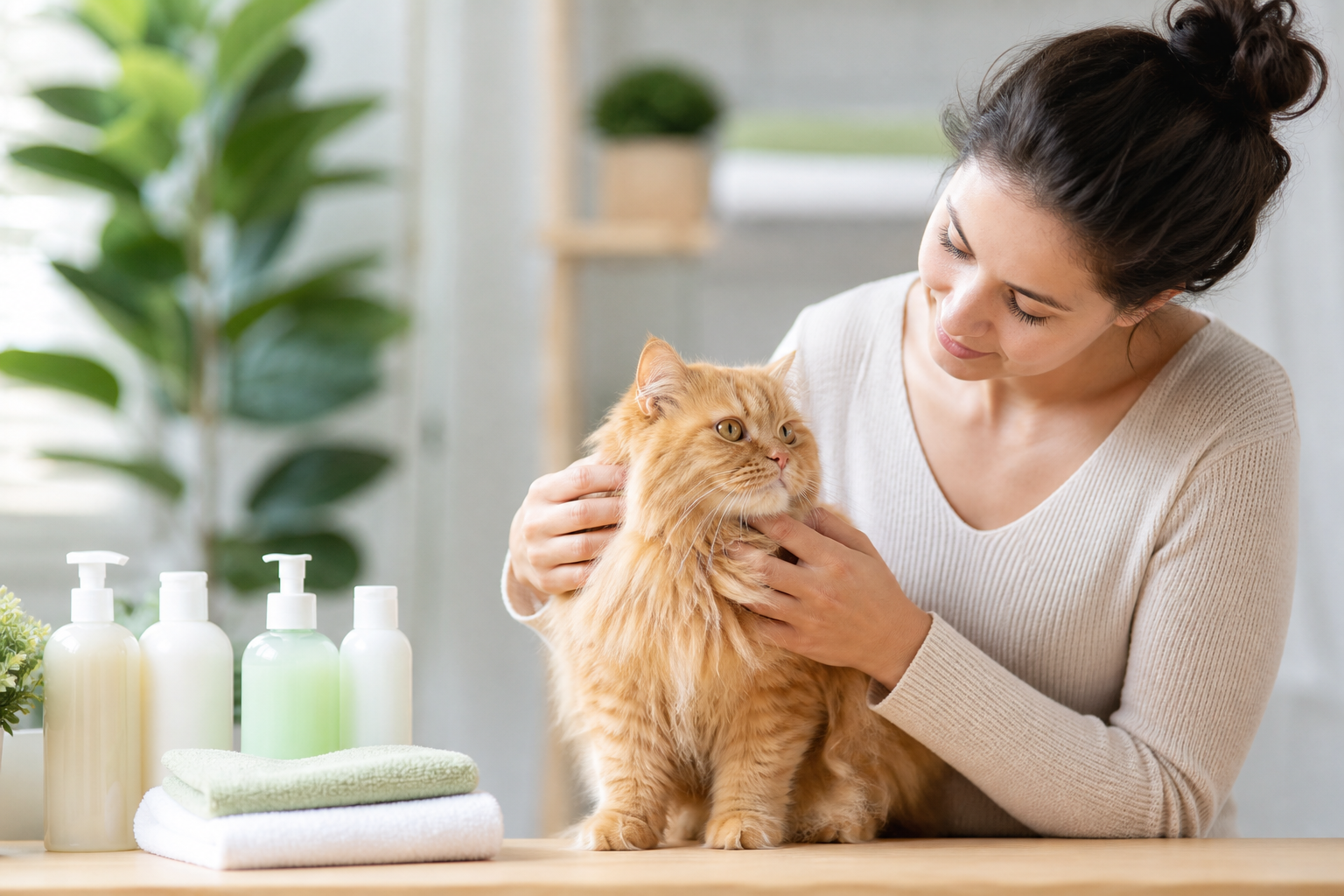
You are petting your cat on a quiet afternoon and notice a fine dusting of white flakes on their dark fur. It looks like a light snowfall has landed right on their back. This is cat dandruff, and while it is common, it usually means your cat’s skin needs a little extra attention. Seeing these flakes can be frustrating for you and uncomfortable for your feline friend.
At BaxterBoo, we know that a healthy coat starts with healthy skin. We have helped pet owners find the right grooming solutions since 2006. This post covers the causes of feline dandruff and how to pick a cat anti dandruff shampoo that actually works. We will also discuss when a flake is just dry skin and when it might be a sign of something that requires a trip to the veterinarian. Finding the right balance of moisture and cleaning is the key to a happy, flake-free cat.
Understanding Feline Dandruff
Dandruff is more than just a grooming eyesore. It consists of dead skin cells that have clumped together and shed from the body. While every cat sheds some skin as part of a natural cycle, visible flakes indicate that the cycle is out of balance. This is different from dander. Dander is microscopic and normal for all pets. Dandruff is visible to the naked eye and often collects along the base of the tail or the spine.
When you see these flakes, it is a signal that the skin barrier is struggling. The skin might be too dry, or it could be overproducing oils. Both scenarios lead to flaking. If your cat is also scratching or biting at their skin, the irritation is likely deeper than just the surface. Identifying the type of flake can help you choose the right product. Dry dandruff looks like white powder. Greasy dandruff may appear yellowish and feel slightly oily to the touch.
Quick Answer: Cat dandruff is a buildup of dead skin cells caused by dry skin, poor grooming, or underlying health issues. A specialized cat anti dandruff shampoo helps by moisturizing the skin and removing flakes without stripping natural oils. If the dandruff is accompanied by redness or hair loss, a veterinary visit is necessary to rule out infections.
Cat Shampoos & Conditioners



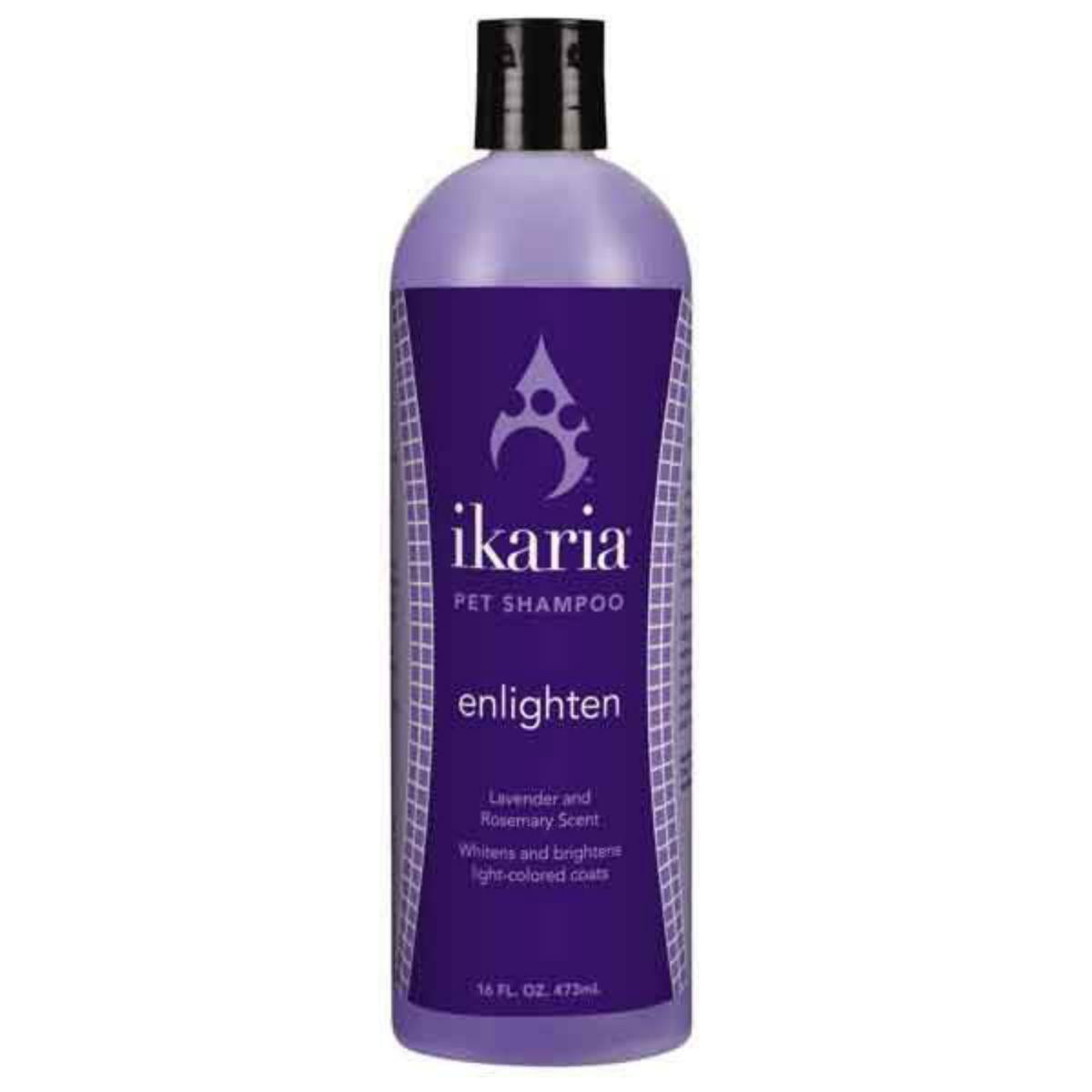
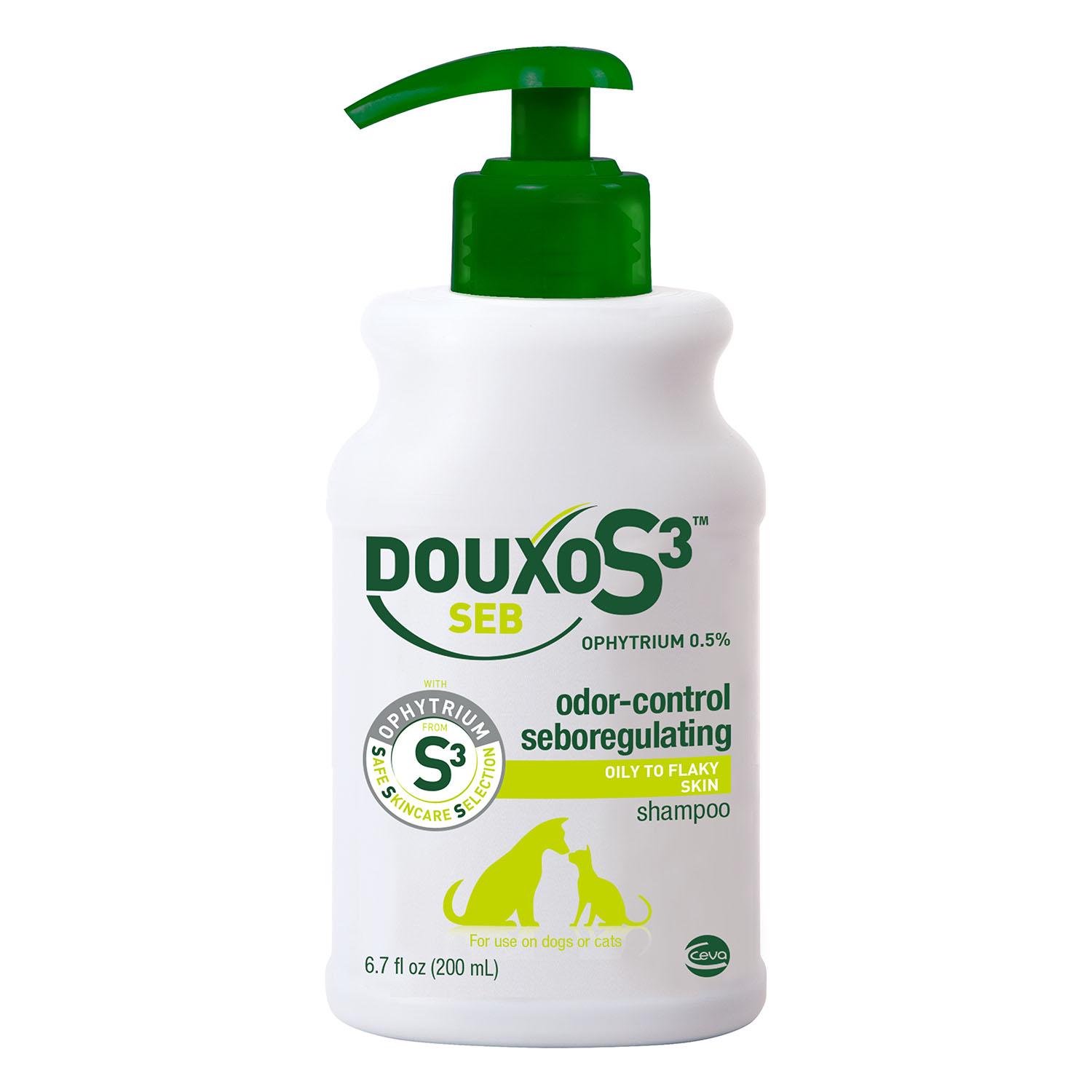
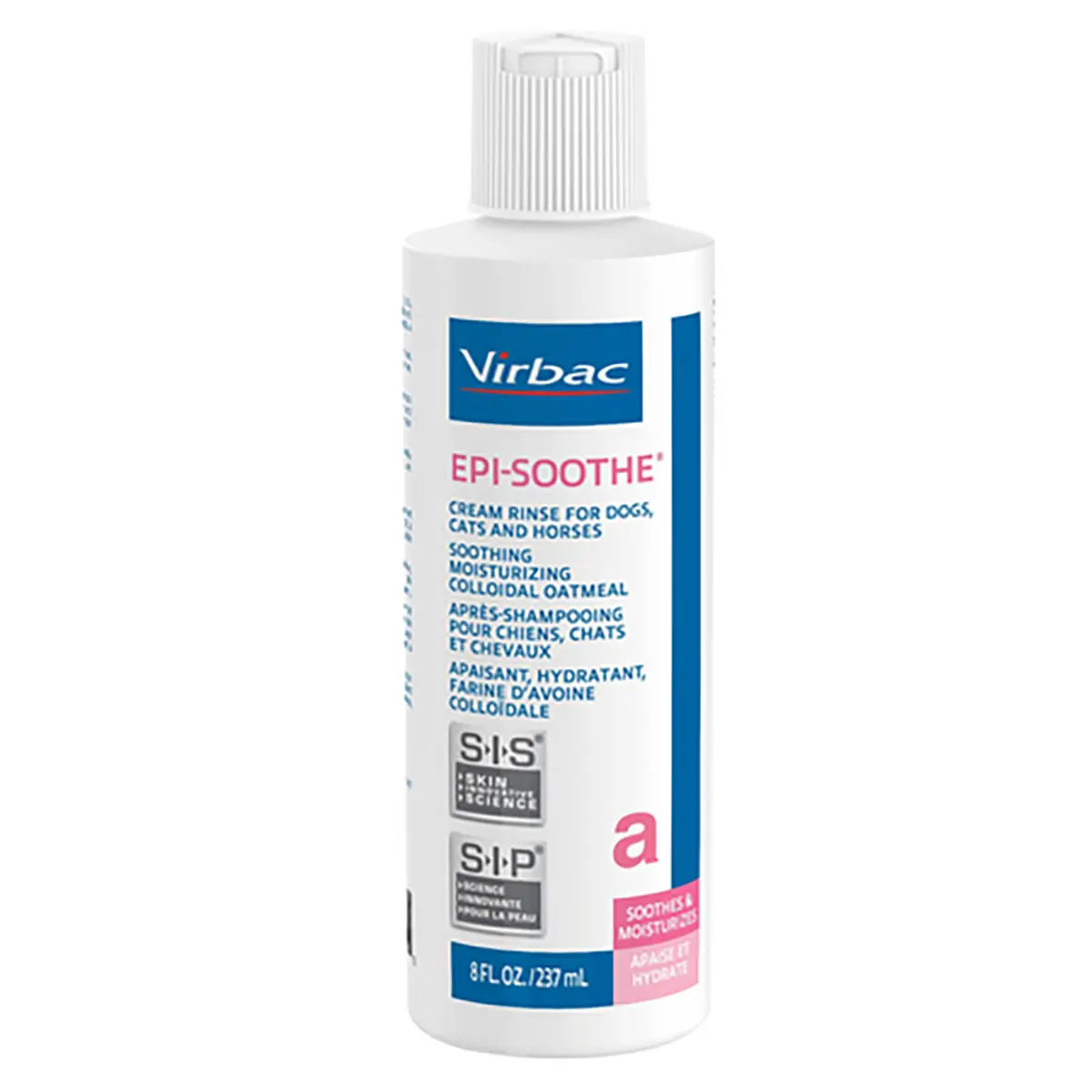
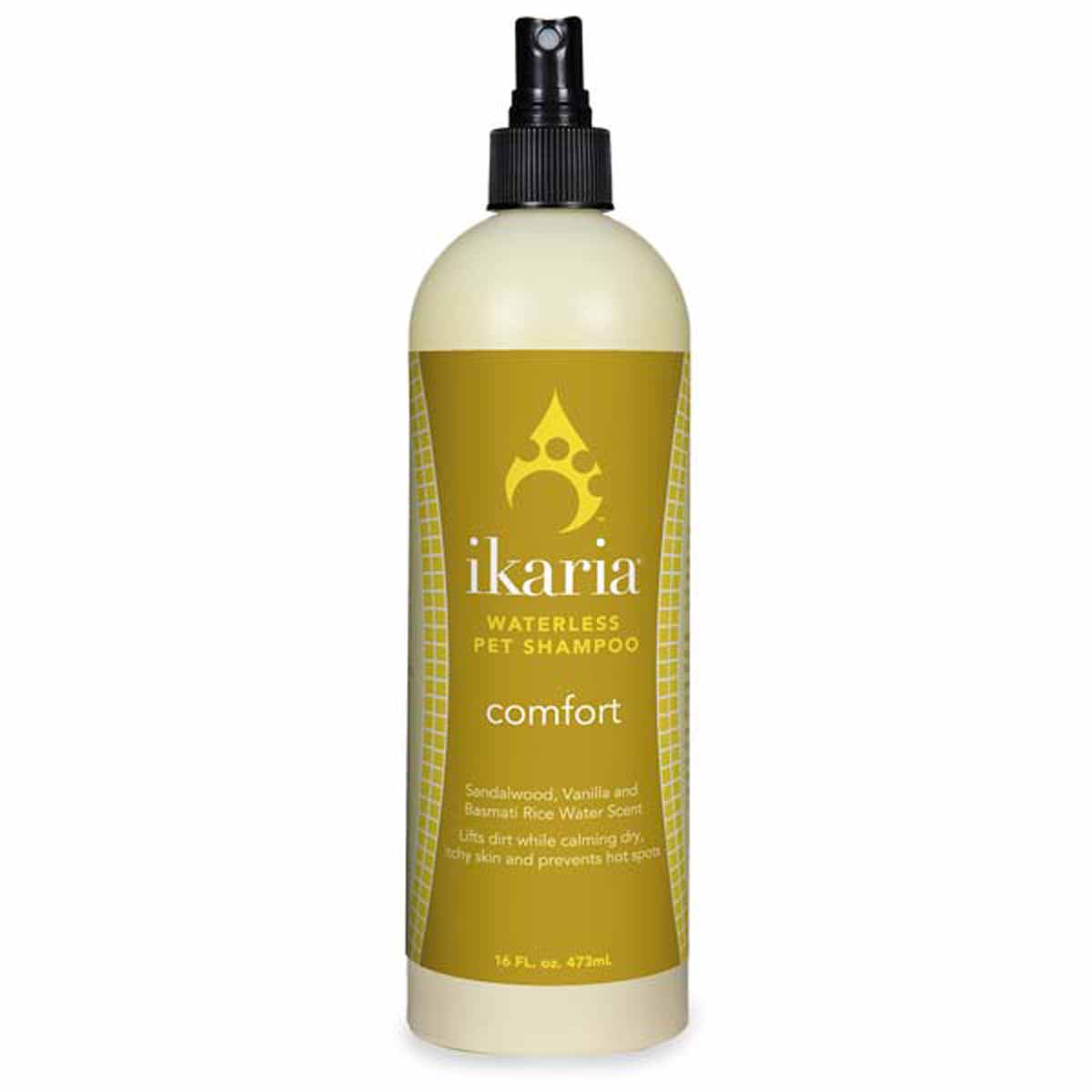
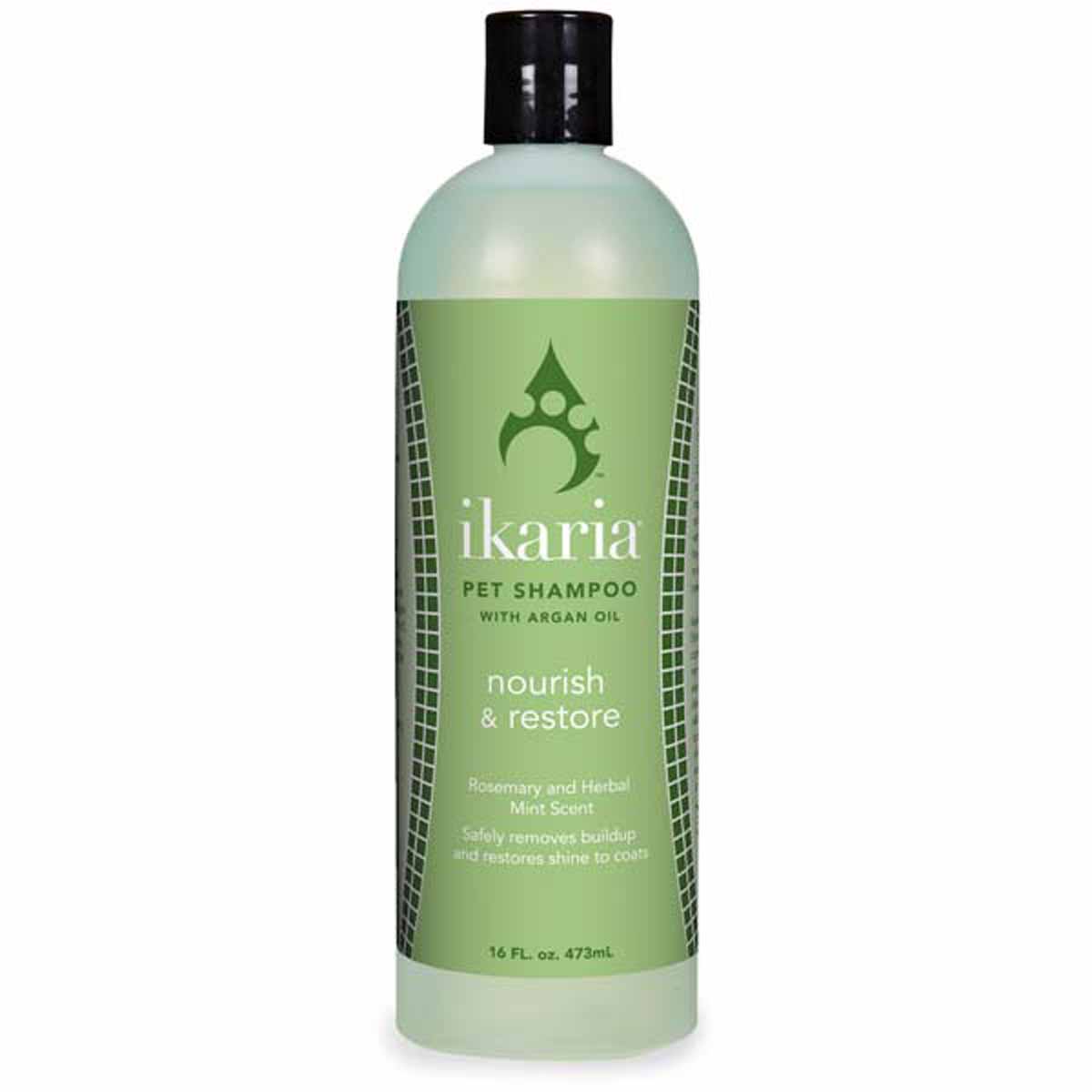
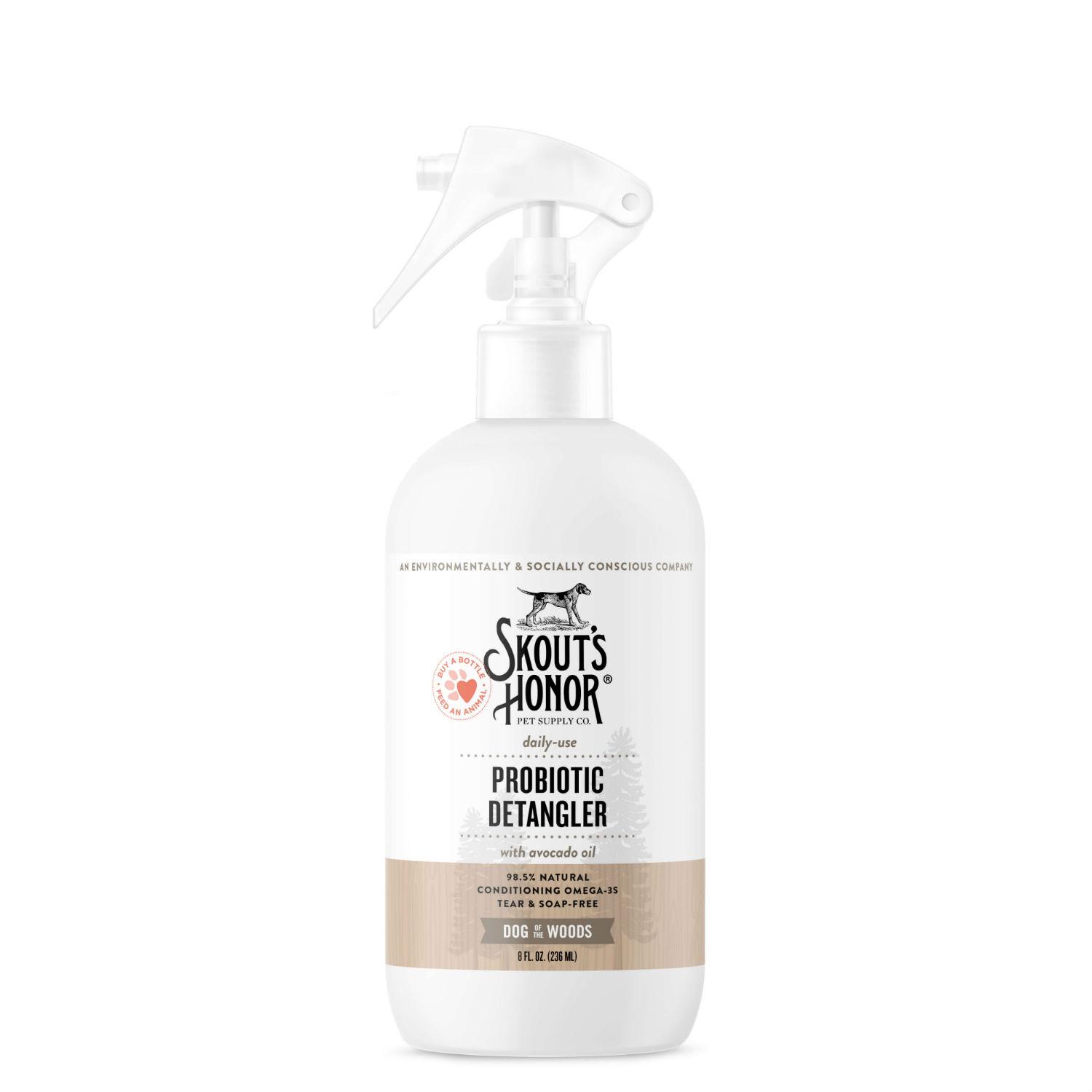
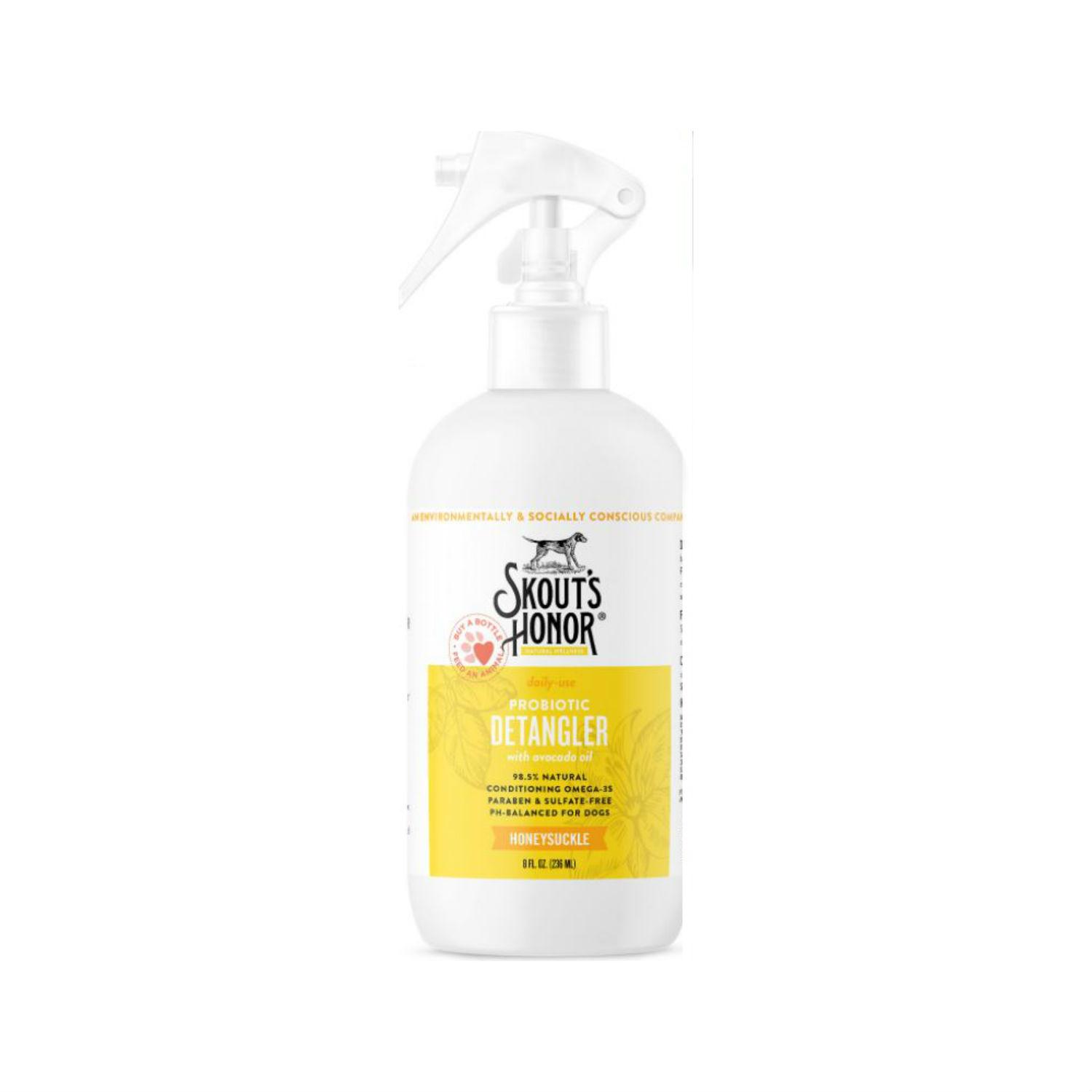
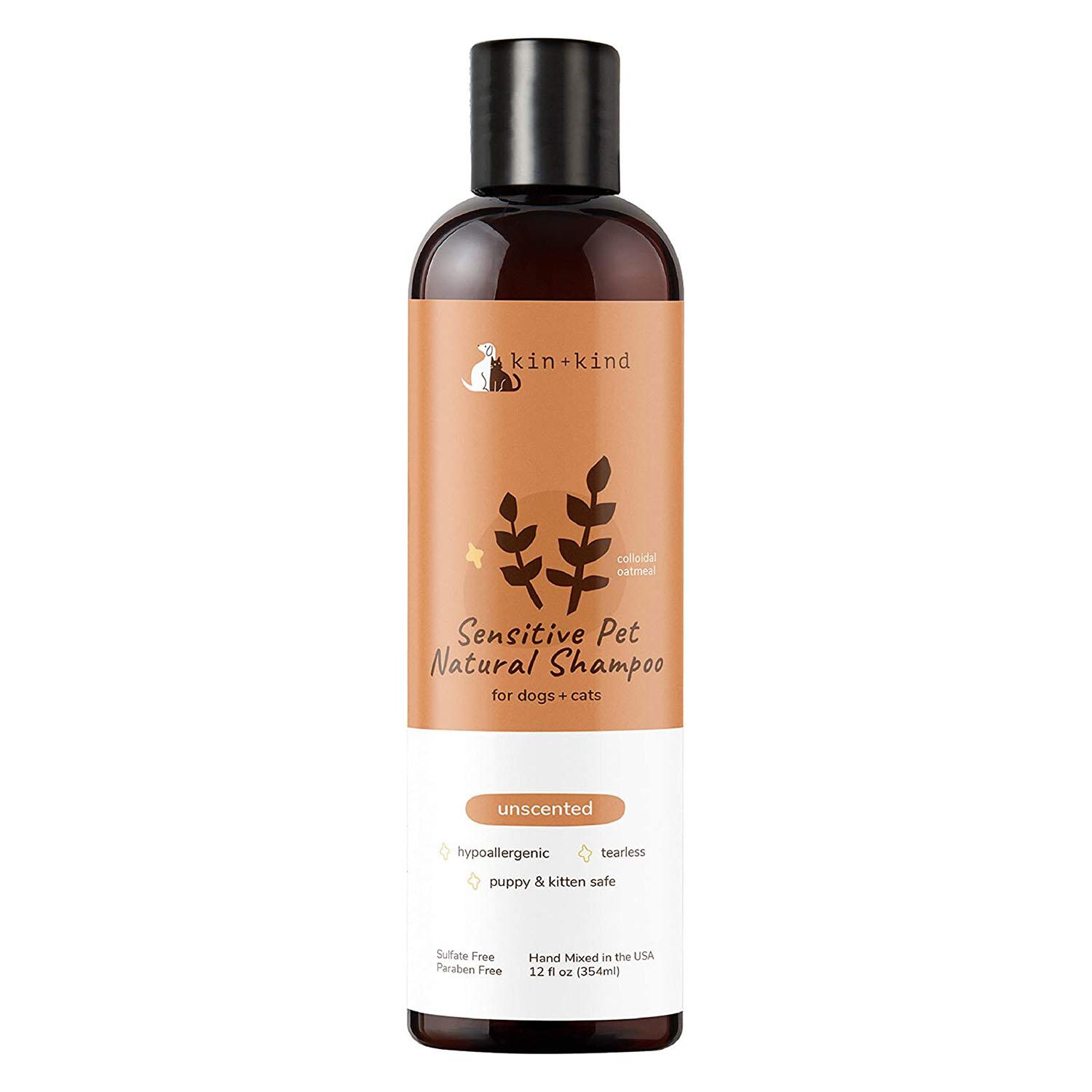
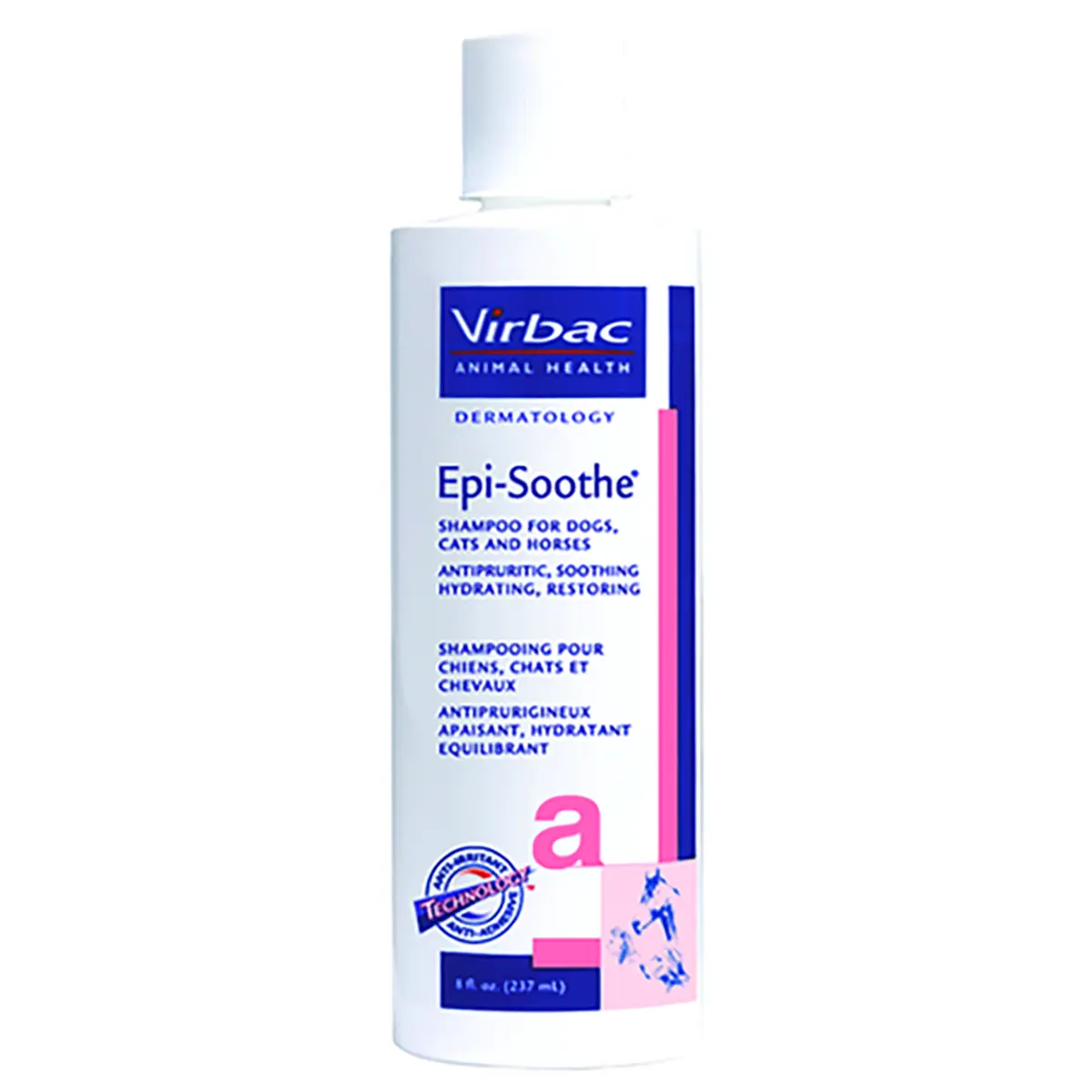
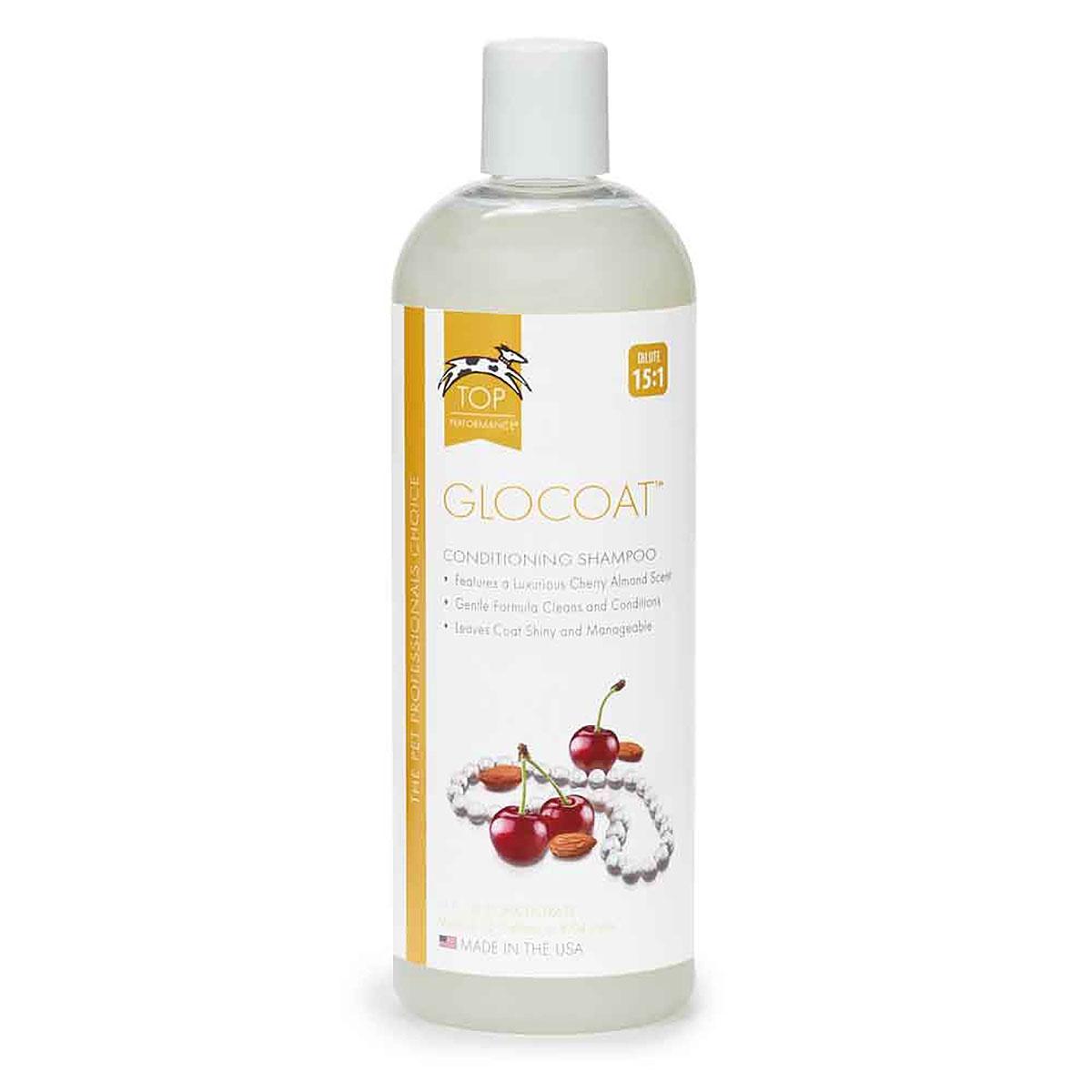
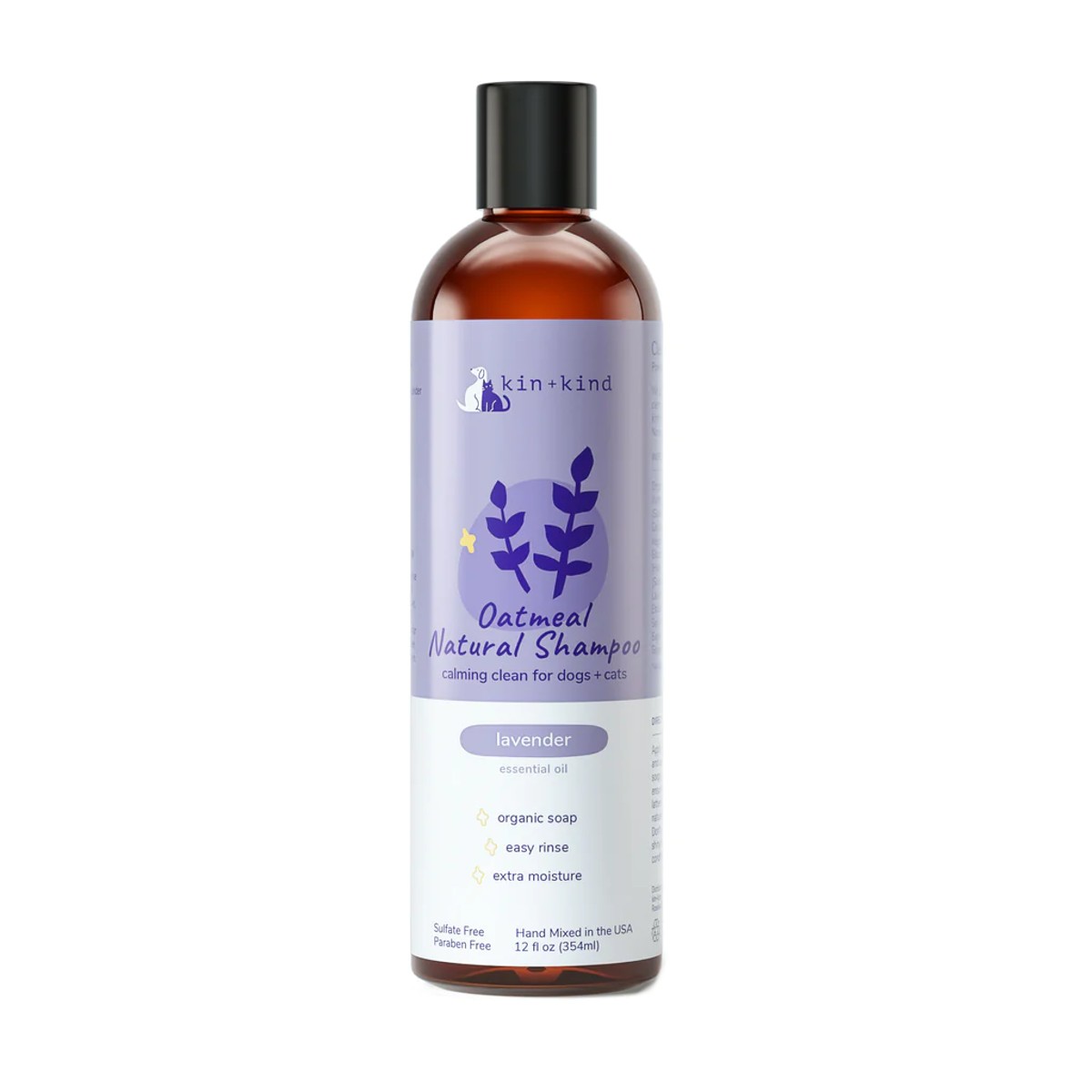
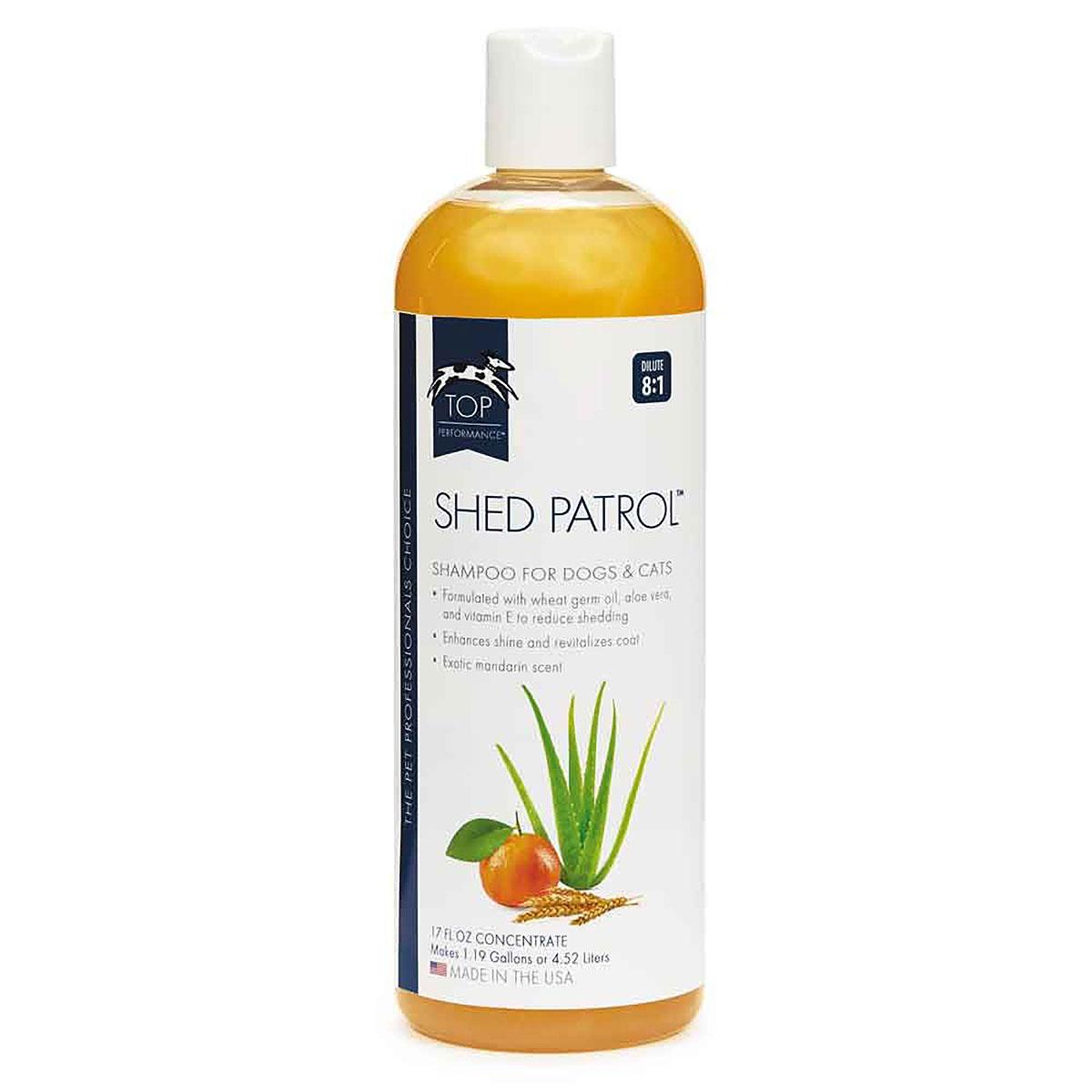
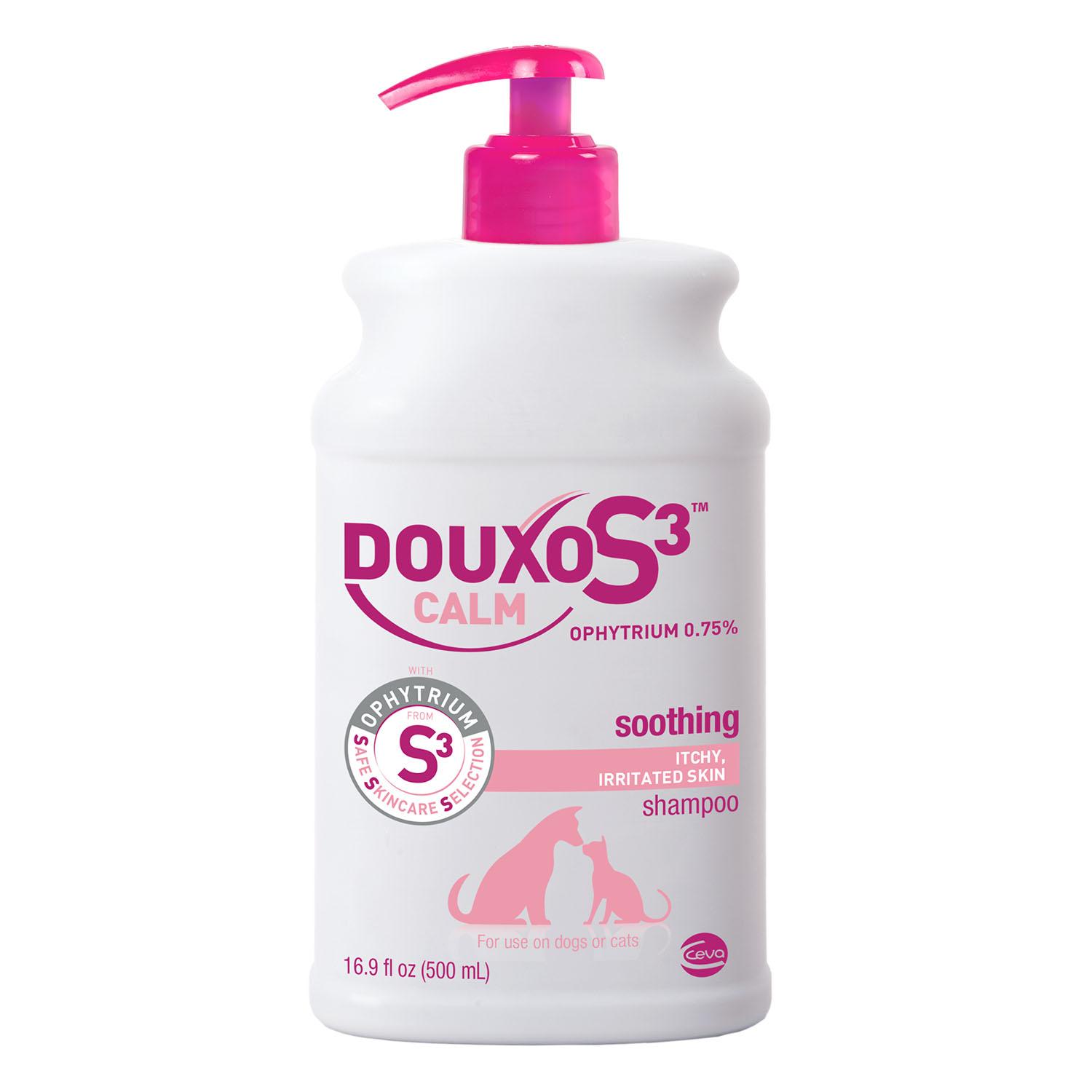
Common Causes of Flaky Skin in Cats
Before you reach for a bottle of shampoo, it helps to know why the dandruff appeared. Some causes are simple to fix at home. Others require a bit more investigation.
Environmental Factors and Dry Air
During the winter months, indoor heating systems strip moisture from the air. This dry environment affects your cat's skin just as it affects your own. Without enough humidity, the skin becomes brittle and starts to flake. This is especially common in cats that enjoy sleeping near radiators or heat vents.
Grooming Habits and Mobility
Cats are famous for their cleanliness. They usually spend hours every day grooming themselves. However, some cats cannot reach every spot. Senior cats with arthritis may find it painful to twist and groom their lower back. Overweight cats often have physical limitations that prevent them from reaching the base of their tail. When a cat stops grooming an area, dead skin and oils build up. This leads to heavy dandruff in those specific spots.
Nutritional Deficiencies
Healthy skin requires specific nutrients to stay supple. Omega-3 fatty acids are essential for maintaining the skin's moisture barrier. If a cat's diet is low in high-quality fats, their skin is often the first place to show signs of trouble. We carry several premium food brands like Farmina and Open Farm that focus on balanced nutrition for skin and coat health.
Internal Health Conditions
Sometimes dandruff is a secondary symptom of a larger problem. Conditions like diabetes, hyperthyroidism, or kidney disease can change the quality of a cat's coat. These illnesses can make the skin feel dry or greasy. If your cat is also drinking more water than usual or losing weight, the dandruff could be a clue that their body is struggling.
Key Takeaway: Feline dandruff is often a symptom of an external issue like dry air or an internal issue like a lack of Omega-3s. Helping your cat with grooming and ensuring proper nutrition are the first steps toward a healthy coat.
Choosing the Right Cat Anti Dandruff Shampoo
Not all soaps are created equal. You should never use human dandruff shampoo on a cat. Human skin has a different pH level than feline skin. Our shampoos are far too acidic for pets and can cause chemical burns or severe irritation.
Look for Soothing Ingredients
When shopping for a cat anti dandruff shampoo, look for ingredients that calm the skin. Oatmeal is a classic choice for a reason. It provides a protective layer and locks in moisture. Aloe vera is another excellent ingredient for cooling irritated skin. We curate our selection at BaxterBoo to include brands like Earthbath and Burt's Bees because they prioritize these gentle, natural components.
Avoid Harsh Chemicals
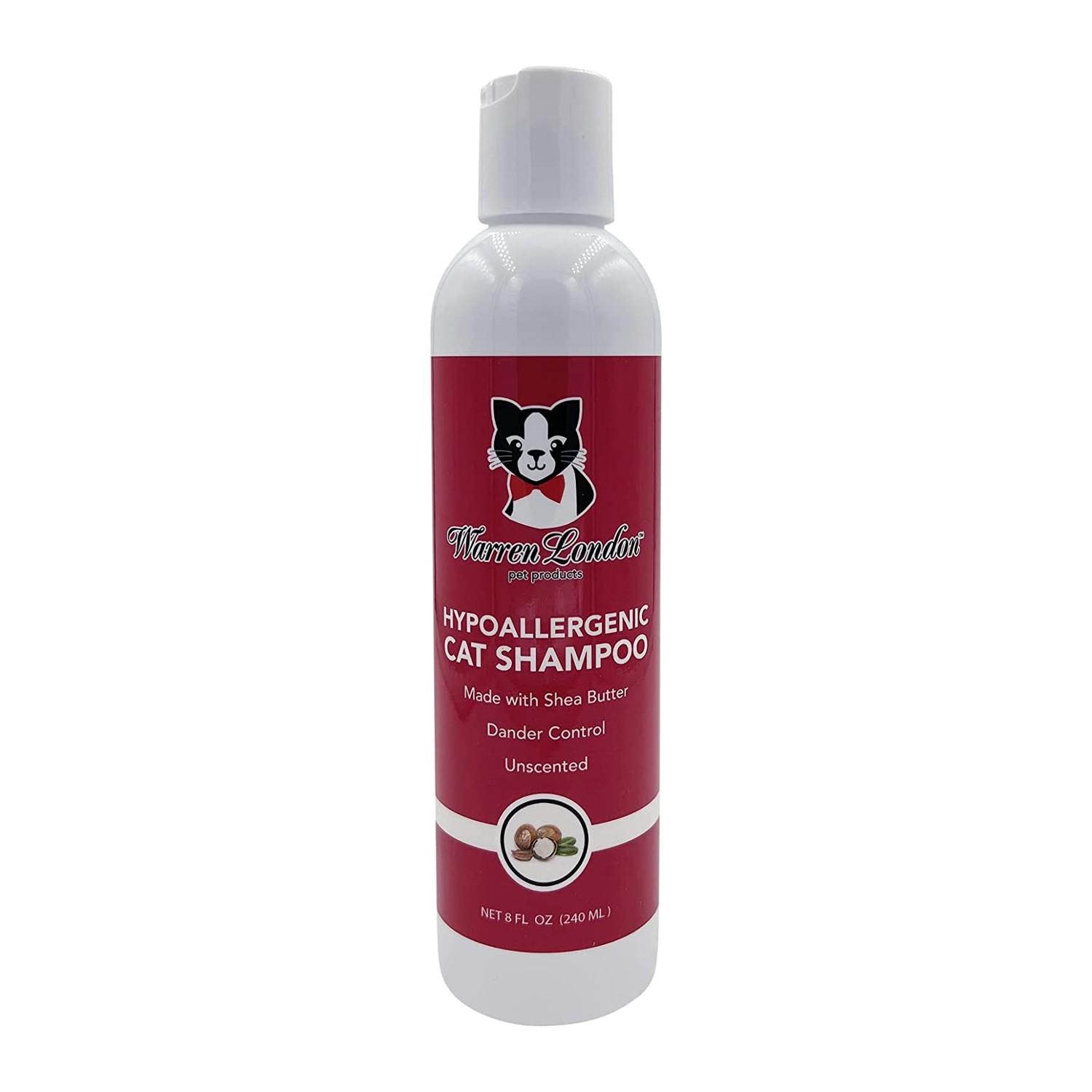
The best shampoos for cats are free from parabens, sulfates, and artificial dyes. These chemicals can strip the natural oils that a cat needs to stay waterproof and insulated. If your cat has sensitive skin, look for "fragrance-free" or "hypoallergenic" labels. Strong perfumes can be overwhelming for a cat's sensitive nose and may cause them to over-groom after the bath to remove the scent.
Medicated vs. Non-Medicated
If your cat's dandruff is mild, a moisturizing shampoo is usually enough. However, if the skin is very greasy or has a foul odor, a medicated shampoo may be necessary. Ingredients like salicylic acid or benzoyl peroxide help break down excess oils and scale. These products are more powerful and should be used with care.
| Ingredient | Purpose | Best For |
|---|---|---|
| Colloidal Oatmeal | Soothes and hydrates | Dry, itchy skin |
| Aloe Vera | Cools and heals | Irritated or red skin |
| Salicylic Acid | Exfoliates dead cells | Heavy, crusty scaling |
| Benzoyl Peroxide | Flushes follicles | Greasy skin or acne |
| Vitamin E | Antioxidant support | General coat health |
Traditional vs. Waterless Shampoos
Bathing a cat is a famous challenge. Not every cat is willing to sit in a tub of water. Fortunately, you have options that do not involve a struggle in the sink.
Traditional Rinse-Off Shampoos
A full bath is the most effective way to remove a large amount of dandruff. The water helps physically wash away the flakes while the shampoo treats the skin. This is the best choice for cats that have gotten into something sticky or cats with very thick, greasy coats. If you choose this route, make sure you have plenty of towels ready and keep the water at a lukewarm temperature.
Waterless Foam and Wipes
For cats that are terrified of water, waterless cat shampoos are a great alternative. These are typically foams that you massage into the coat and then towel off. They do a good job of breaking up surface flakes and adding a bit of moisture. Grooming wipes are also handy for spot-cleaning the lower back of a senior cat who can no longer reach that area.
Bottom line: Traditional shampoos offer a deeper clean, but waterless options are a low-stress way to manage dandruff in water-avoidant cats.
Key Ingredients for Flake Relief
When you read a label, the order of ingredients matters. You want the active, skin-loving ingredients to be near the top. Here is a closer look at what helps.
Moisturizers
Look for glycerin or coconut oil. These ingredients act as humectants. They draw moisture into the skin cells. This prevents the skin from becoming brittle and flaking off. If you live in a dry climate, these are essential components for your cat’s grooming routine.
Skin Conditioners
Vitamin E and silk proteins help to smooth the hair shaft. While they do not directly treat the skin, they prevent the hair from tangling. When hair is tangled, it traps dandruff against the skin, making the problem worse. A smooth coat allows flakes to be brushed out more easily.
Gentle Surfactants
Surfactants are what make the shampoo bubbly. Look for coconut-based cleansers instead of harsh detergents. These will clean the fur without removing the vital oils that keep the skin healthy. If a shampoo produces a massive amount of suds, it might be too harsh for a cat with existing dandruff.
How to Bathe Your Cat Without the Stress
If you decide that a traditional bath is the best path forward, preparation is everything. A stressful bath can make the skin irritation worse due to rising cortisol levels.
Step 1: Brush thoroughly first.
Remove as many loose flakes and tangles as possible before the fur gets wet. This allows the shampoo to reach the skin more effectively.
Step 2: Prepare the environment.
Place a rubber mat or a towel in the bottom of the sink or tub. Cats panic when they feel their feet sliding. Having a firm grip will keep them much calmer.
Step 3: Use the right temperature.
The water should be lukewarm, not hot. Cats have a higher body temperature than humans, but their skin is very thin and sensitive to heat.
Step 4: Dilute the shampoo.
Many cat anti dandruff shampoos are concentrated. Mix a small amount of shampoo with water in a cup before applying it. This makes it easier to spread and much easier to rinse out.
Step 5: Rinse and rinse again.
Leftover soap residue is a major cause of skin irritation and more dandruff. Ensure the water runs completely clear and the fur feels squeaky clean before you stop.
Step 6: Dry gently.
Towel dry your cat as much as possible. Avoid using a loud hair dryer unless your cat is specifically trained for it. Keep your cat in a warm, draft-free room until they are completely dry.
When Dandruff Requires Medical Attention
Most cases of dandruff are a simple grooming or environmental issue. However, you must be able to spot the signs of a more serious condition.
If you notice that the "dandruff" seems to be moving, your cat likely has Cheyletiella mites. This is often called "walking dandruff." These are tiny parasites that require specific medical treatment. You might also notice redness, scabs, or patches of missing fur. These can indicate a fungal infection like ringworm or a bacterial skin infection.
Vet Tip: If your cat's dandruff is accompanied by intense itching, hair loss, or an unpleasant smell, consult your veterinarian. They can perform a skin scraping to check for parasites or infections. Our pharmacy carries FDA approved medications and medicated shampoos if your vet issues a prescription.
Our cat pharmacy is a resource for those more difficult cases. Whether your cat needs a prescription-strength antifungal shampoo or a specialized diet for skin allergies, we provide access to the items your vet recommends. Remember that skin health is often a reflection of internal health. A vet can run blood work to ensure the dandruff is not a sign of a metabolic condition.
Supporting Skin Health from the Inside Out
A good shampoo is only one part of the solution. To keep the flakes away long-term, you should look at your cat’s daily routine.
Hydration and Diet
Encourage your cat to drink more water. Cats have a low thirst drive, and many live in a state of mild dehydration. This dries out the skin. A pet water fountain can encourage more frequent drinking. You might also consider adding wet food to their diet. Brands like Tiki Cat or Fussie Cat offer high moisture content which naturally hydrates the skin.
Supplementing the Diet
If your cat's skin is chronically dry, an Omega-3 supplement might be the answer. Fish oil or krill oil can significantly improve skin elasticity and coat shine. We carry several trusted supplement brands like Zesty Paws and Honest Paws. Always start with a small dose to ensure it does not upset your cat's stomach.
Regular Brushing
Brushing does more than just remove hair. It stimulates the skin and distributes natural oils across the body. For cats with dandruff, a soft slicker brush or a rubber grooming tool is best. These tools gently massage the skin without scratching it. Aim for a five-minute brushing session three times a week. This will help move the oils from the skin down the hair shaft, preventing the buildup that leads to flakes.
Managing the Indoor Environment
Since dry air is a primary culprit for dandruff, managing your home's humidity can make a big difference. This is especially true during the winter months in the United States.
Use a Humidifier
Placing a humidifier in the room where your cat sleeps most can help keep their skin hydrated. You do not need to turn the whole house into a tropical rainforest. Just a slight increase in humidity can prevent the skin from cracking and flaking.
Check for Allergens
Sometimes dandruff is an allergic reaction. Cats can be allergic to dust, mold, or even the scent of certain cleaning products. If the dandruff appeared after you switched laundry detergents or floor cleaners, try going back to a scent-free version to see if the skin clears up.
Key Takeaway: Long-term flake control involves a combination of the right cat anti dandruff shampoo, a diet rich in Omega-3s, and a humidified indoor environment.
Conclusion
Managing cat dandruff does not have to be an overwhelming task. By choosing a gentle cat anti dandruff shampoo and supporting your cat's health from the inside, you can restore their coat to its natural luster. Most cats will respond well to a routine of regular brushing, high-quality nutrition, and occasional baths with soothing ingredients like oatmeal and aloe.
If your cat's skin does not improve or if you see signs of discomfort, don't hesitate to reach out to a professional.
- Check the skin for redness or sores regularly.
- Incorporate Omega-3 supplements into their daily routine.
- Use waterless shampoo for a low-stress grooming experience.
- Consult your vet for persistent or worsening skin issues.
Bottom line: A flake-free coat is a sign of a comfortable, healthy cat.
For those cats requiring specialized care, our pharmacy offers a wide range of prescription diets and medications. You can also earn rewards on your grooming supplies and food by joining our MVP Rewards program. Visit our cat grooming category to find the perfect shampoo for your cat's needs today.
FAQ
Can I use human anti dandruff shampoo on my cat?
No, you should never use human shampoo on a cat. Human skin has a much lower pH level than feline skin. Using human products can strip a cat's protective skin barrier, lead to severe dryness, and cause painful irritation or chemical burns. Always use a product specifically formulated for cats.
How often should I bathe a cat with dandruff?
For most cats, a bath every 4 to 6 weeks is sufficient to manage dandruff. Over-bathing can actually backfire by stripping away natural oils and making the skin even drier. If you need to manage flakes between baths, use a waterless foam or grooming wipes instead of a full immersion bath.
Is cat dandruff always a sign of an allergy?
Dandruff can be a sign of a food or environmental allergy, but it is often caused by simpler factors. Dry air, obesity, and age-related grooming issues are more common causes. If the dandruff is accompanied by red skin, ear infections, or constant licking of the paws, an allergy is more likely, and you should consult a vet.
Does brushing help get rid of cat dandruff?
Yes, regular brushing is one of the best ways to manage dandruff. Brushing helps physically remove dead skin cells before they can clump together. It also stimulates the skin to produce natural oils and distributes those oils along the fur, which provides a natural moisturizing effect. For the best results, use a soft brush at least three times a week.






- Site & Contents BaxterBoo.com. BaxterBoo is located in the United States.
- Privacy & Security
- Terms of Use
- Accessibility Statement
