
 Save 15% on your 1st Autoship learn more

 Email us
 Live Chat
 FAQs





Introduction
You are petting your cat when you notice a dusting of white, snowy flakes across their lower back. On a dark-coated cat, these specks stand out immediately. While it might look like a simple cosmetic issue, flaky skin often signals that your cat needs a little extra help with their grooming or nutrition. At BaxterBoo, we know that seeing these flakes can be worrying for any dedicated pet owner. This guide covers the common causes of feline skin irritation and how to select the best cat dandruff shampoo for your pet's specific needs. We will also look at when a bath is necessary and when a trip to the veterinarian is the better option. Understanding the underlying cause of your cat's dry skin is the first step toward restoring their sleek, healthy coat.
Understanding Feline Dandruff Versus Dander
It is easy to confuse dandruff with dander, but they are different things. Dander consists of microscopic skin cells that all cats shed naturally as part of a healthy skin cycle. You cannot see dander with the naked eye, though it is often what triggers allergies in humans. Dandruff, however, is visible. These are larger clumps of dead skin cells that have dried out and flaked off.
When you see these flakes, it means the skin's natural renewal process is out of balance. Healthy skin produces oils that keep cells flat and hydrated. When those oils are missing, or when skin cells grow too quickly, they peel away in the form of dandruff. While a few flakes during a dry winter might be normal, persistent dandruff usually indicates a need for intervention.
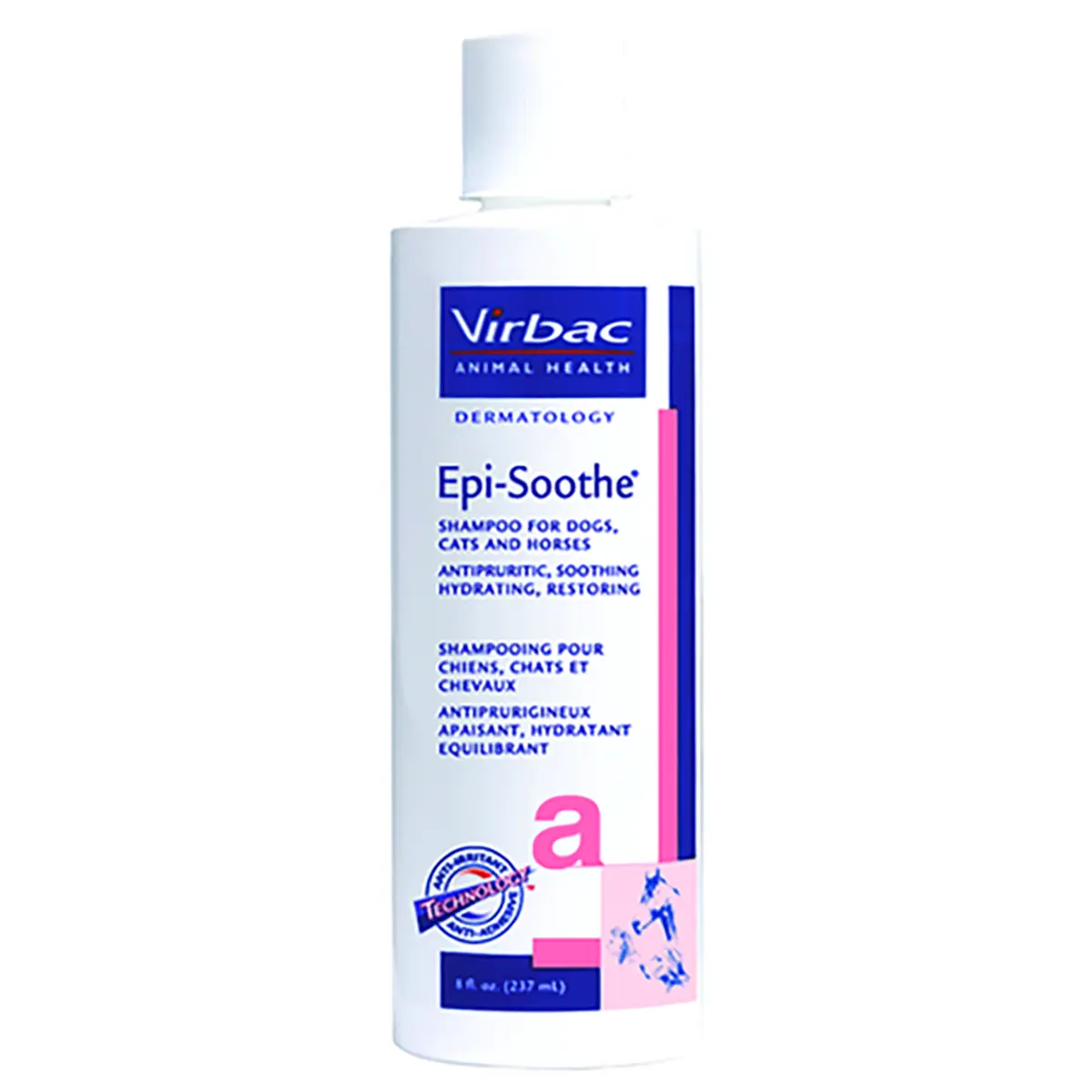
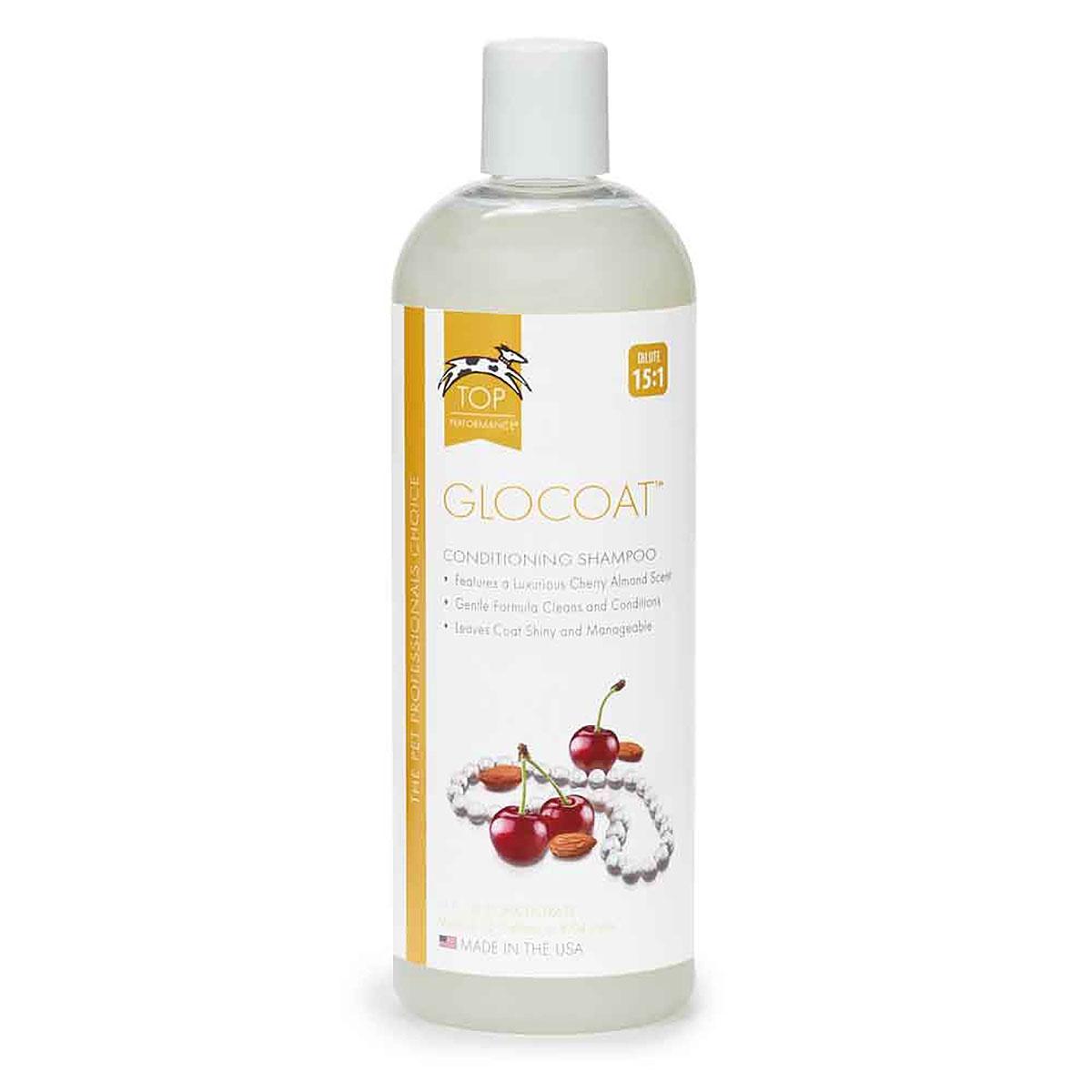
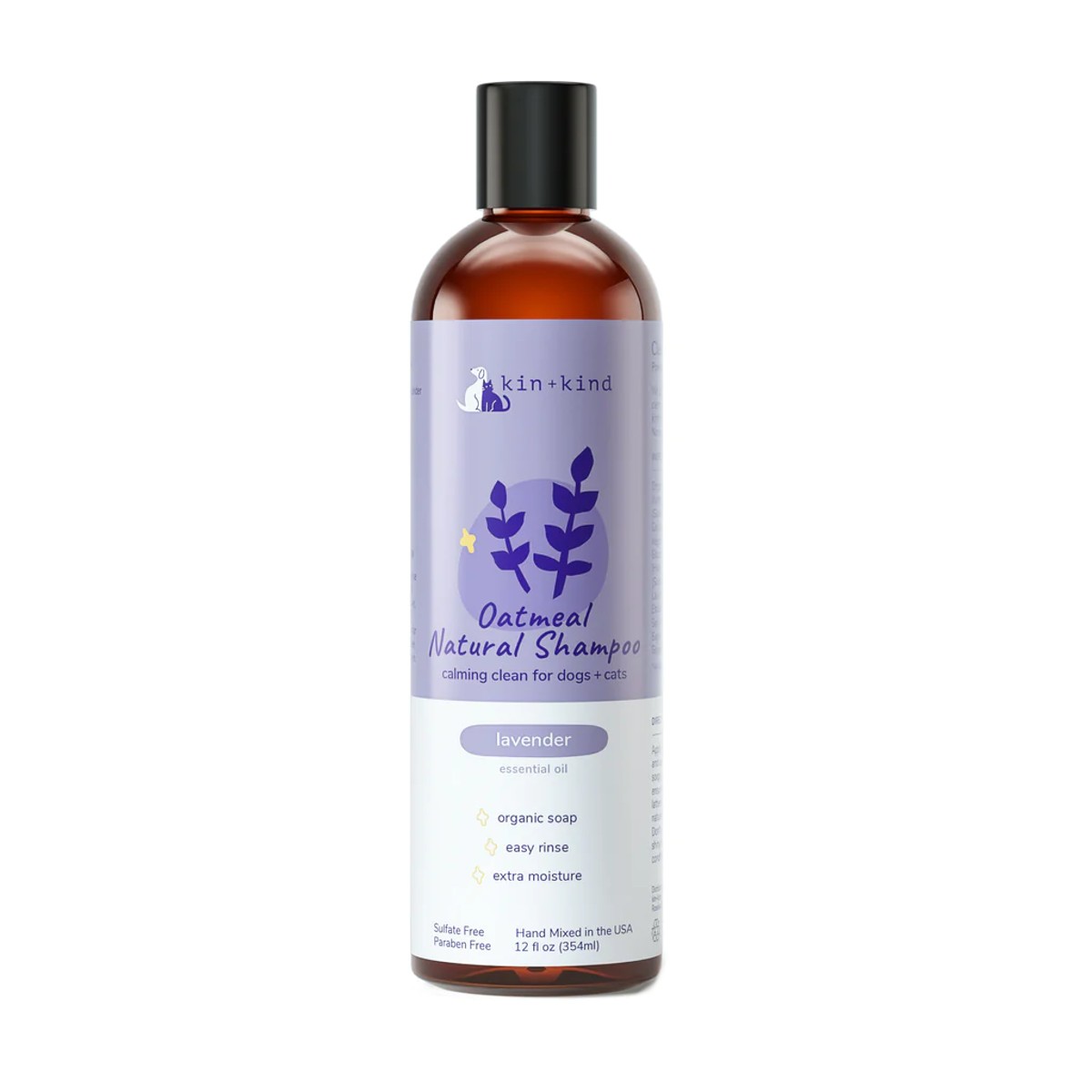
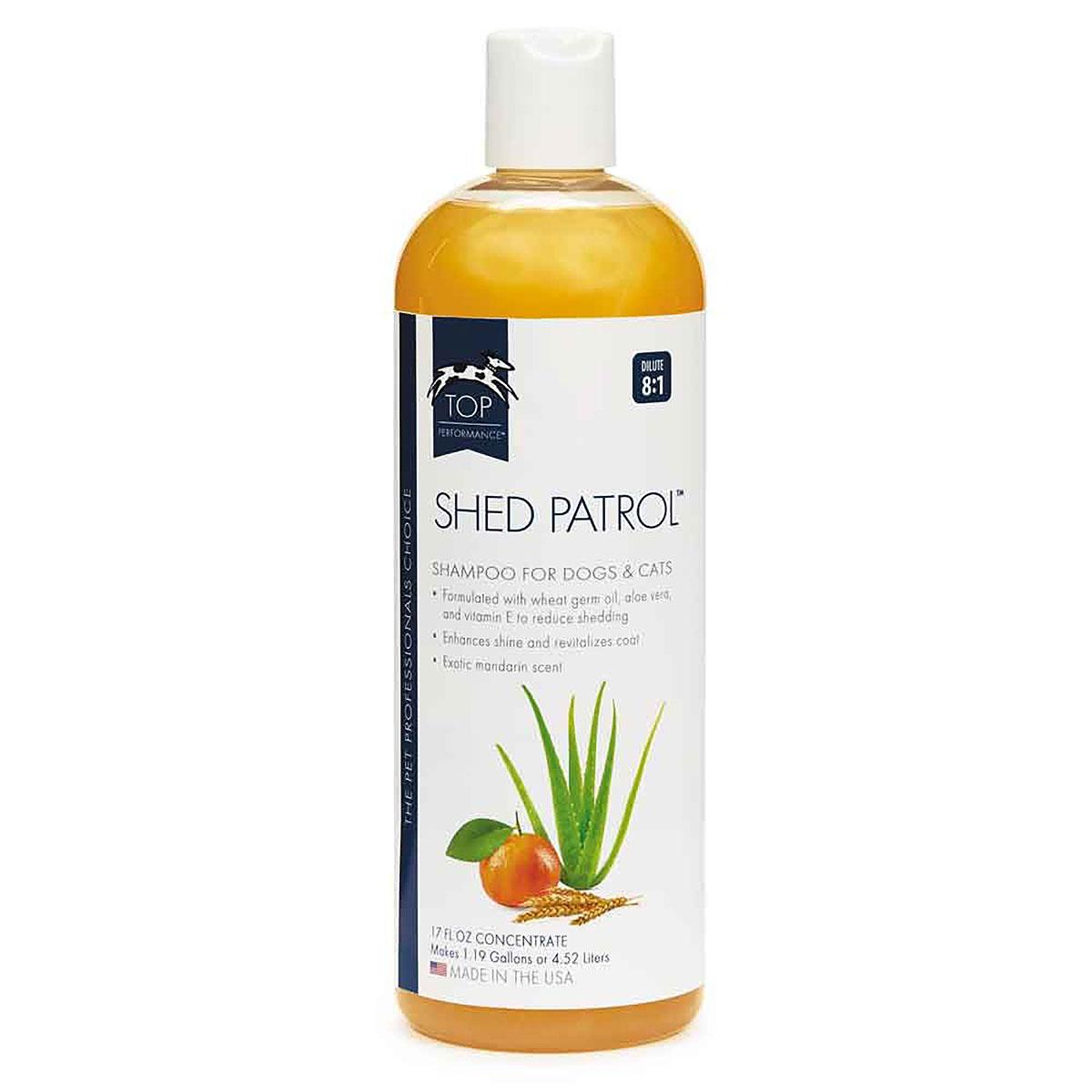
Cat Shampoos & Conditioners



Why Do Cats Get Dandruff?
Before reaching for a bottle of shampoo, you need to understand why the flakes are appearing. Cats are usually expert groomers, so visible dandruff often means something is preventing them from maintaining their coat.
Reduced Mobility and Aging
Senior cats often struggle with dandruff because of arthritis or general stiffness. If a cat cannot reach their lower back or the base of their tail, dead skin cells and loose hair begin to accumulate. This buildup eventually flakes off as dandruff. Senior cats also produce fewer natural skin oils as they age, which makes their skin more prone to drying out.
Obesity and Weight Issues
An overweight cat faces similar challenges to a senior cat. If they cannot physically reach certain parts of their body to groom, dandruff will form in those "hard to reach" spots. This is most common along the spine and near the tail. Helping your cat reach a healthy weight is a long-term solution for skin health.
Nutritional Deficiencies
The skin is the largest organ of the body and requires a lot of nutrients to stay healthy. Diets low in Omega-3 and Omega-6 fatty acids often lead to dull fur and flaky skin. These essential fats help maintain the moisture barrier of the skin. If your cat's diet is lacking, their skin will be the first place you notice a problem.
Environmental Factors
Just like humans, cats react to the air around them. During the winter, indoor heating systems strip moisture from the air. This dry environment can sap the hydration right out of your cat's skin. You might notice that your cat's dandruff only appears when the heater is running and disappears during the more humid summer months.
Key Takeaway: Dandruff is a symptom of an underlying issue like poor grooming, dry air, or nutritional gaps rather than a disease itself.
Ingredients to Look for in a Cat Dandruff Shampoo
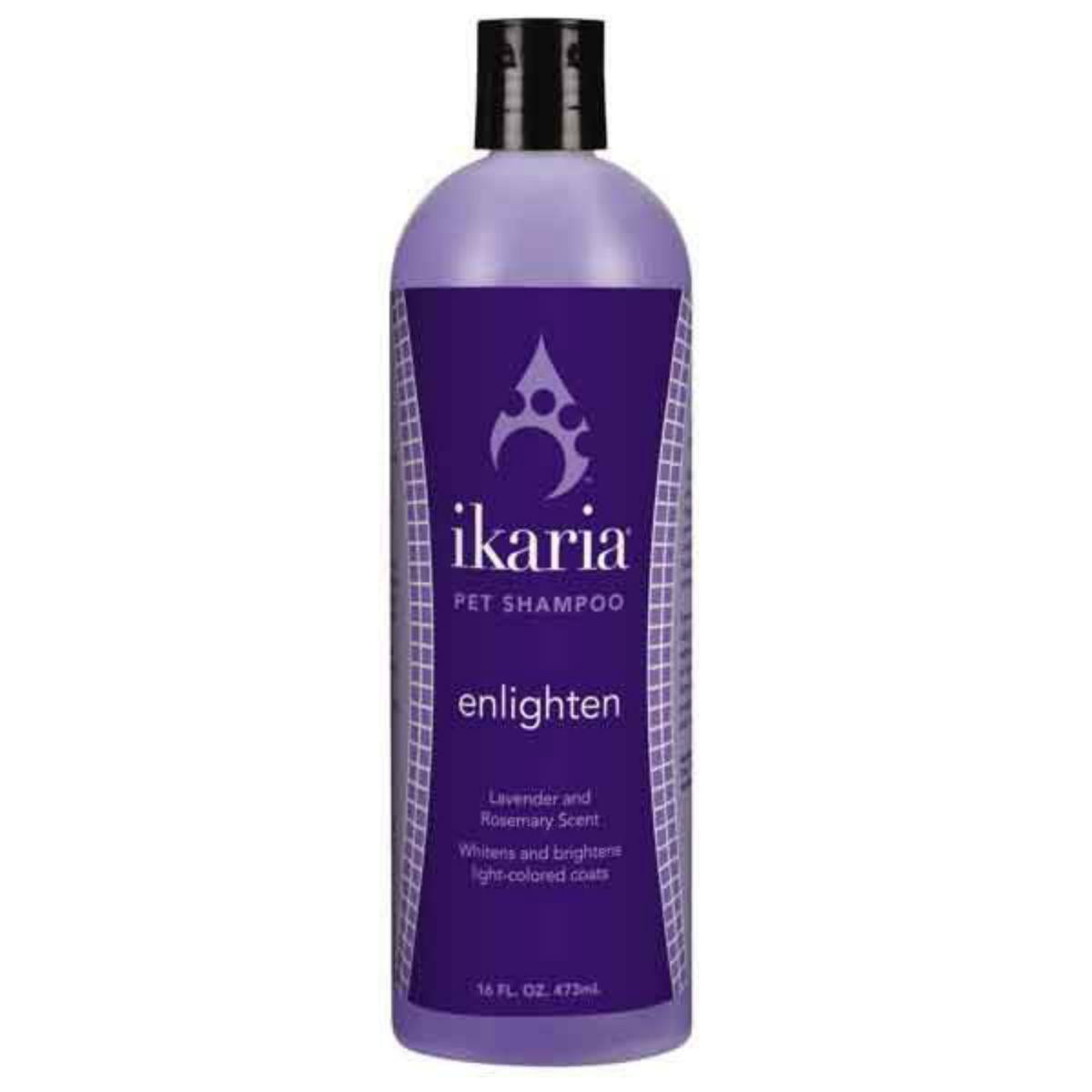
When you shop for the best cat dandruff shampoo, the ingredient list is your most important tool. Cat skin has a different pH balance than human skin, so you should never use human dandruff shampoos on a cat. They are far too acidic and can cause chemical burns or severe irritation.
Moisturizing Agents
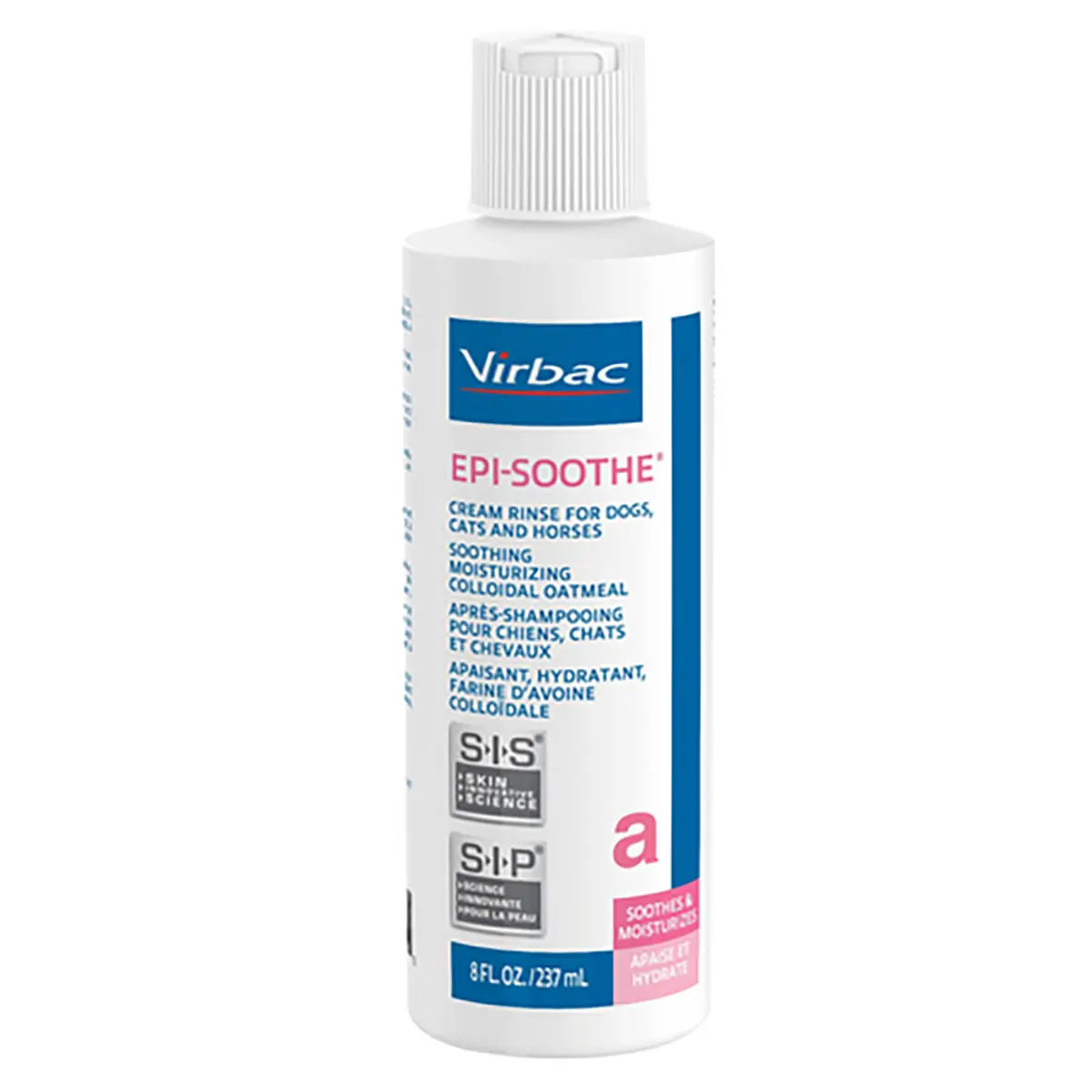
Look for shampoos that contain natural moisturizers. Colloidal oatmeal is a classic choice because it coats the skin and locks in moisture while soothing itchiness. Aloe vera is another excellent ingredient for calming red or inflamed skin. These ingredients help the skin heal without using harsh chemicals.
Fatty Acids and Vitamins
Some premium shampoos, like those we carry at BaxterBoo, include Vitamin E or fish oils directly in the formula. These nutrients help support the skin barrier from the outside in. Glycerin is also a helpful ingredient as it acts as a humectant, which means it draws moisture from the air into the skin.
Salicylic Acid and Sulfur
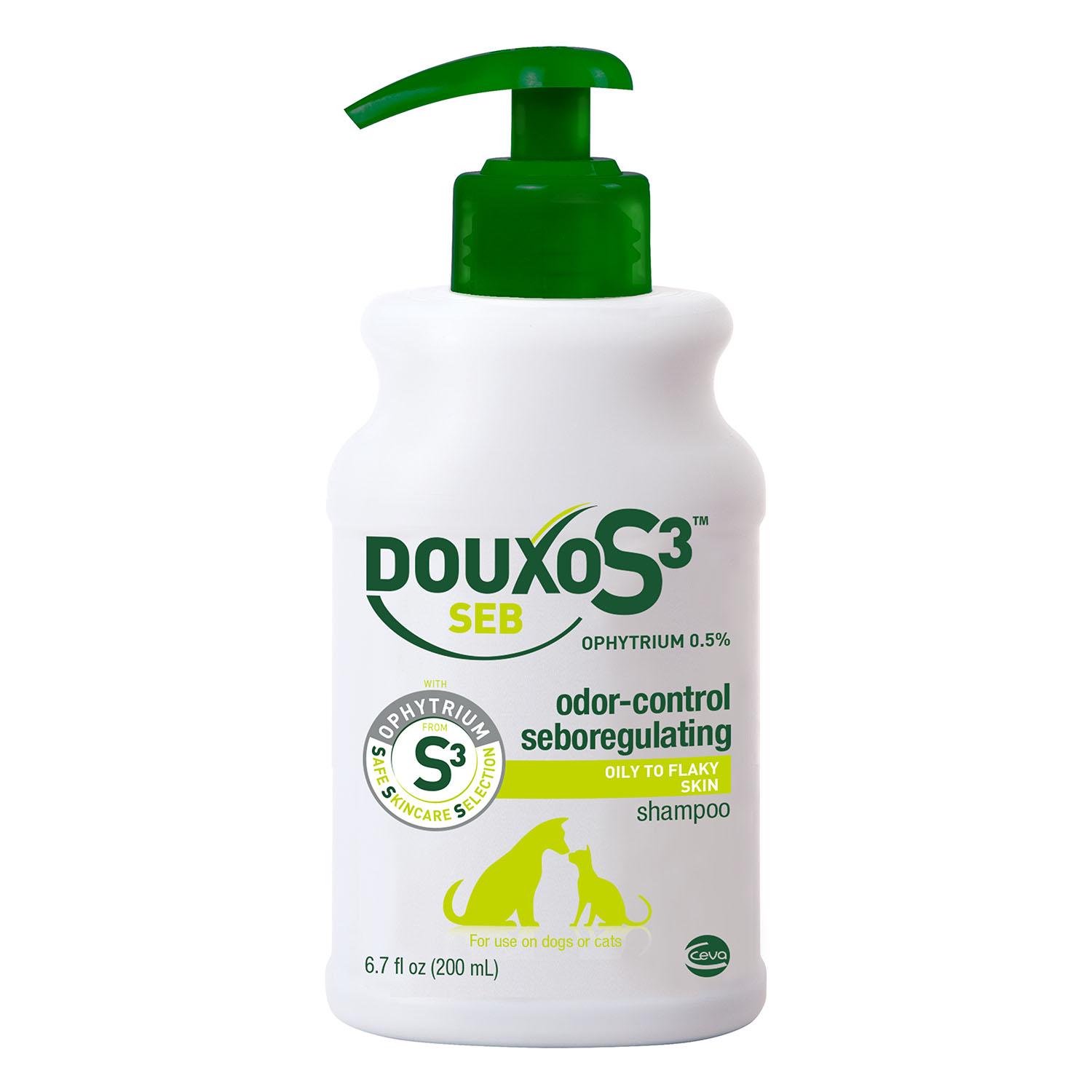
For cats with very heavy flaking or oily dandruff, a veterinarian might recommend a shampoo with salicylic acid or sulfur. These ingredients help break up the clumps of dead skin so they can be washed away more easily. However, these are more "active" ingredients and should generally only be used under professional guidance to ensure they do not over-dry the skin.
Vet Tip: Always check that a shampoo is specifically labeled for cats. Some ingredients safe for dogs, like certain essential oils or higher concentrations of tea tree oil, can be toxic to cats if they lick their fur after a bath.
The Different Types of Dandruff Shampoos
There is no single "best" shampoo for every cat. The right choice depends on your cat's temperament and the severity of their skin issues.
Traditional Rinse Shampoos
These provide the deepest clean. They are best for cats who have gotten into something sticky or cats who have very oily skin. Because you rinse these off, they remove the most debris and dead skin. However, many cats find a full bath very stressful.
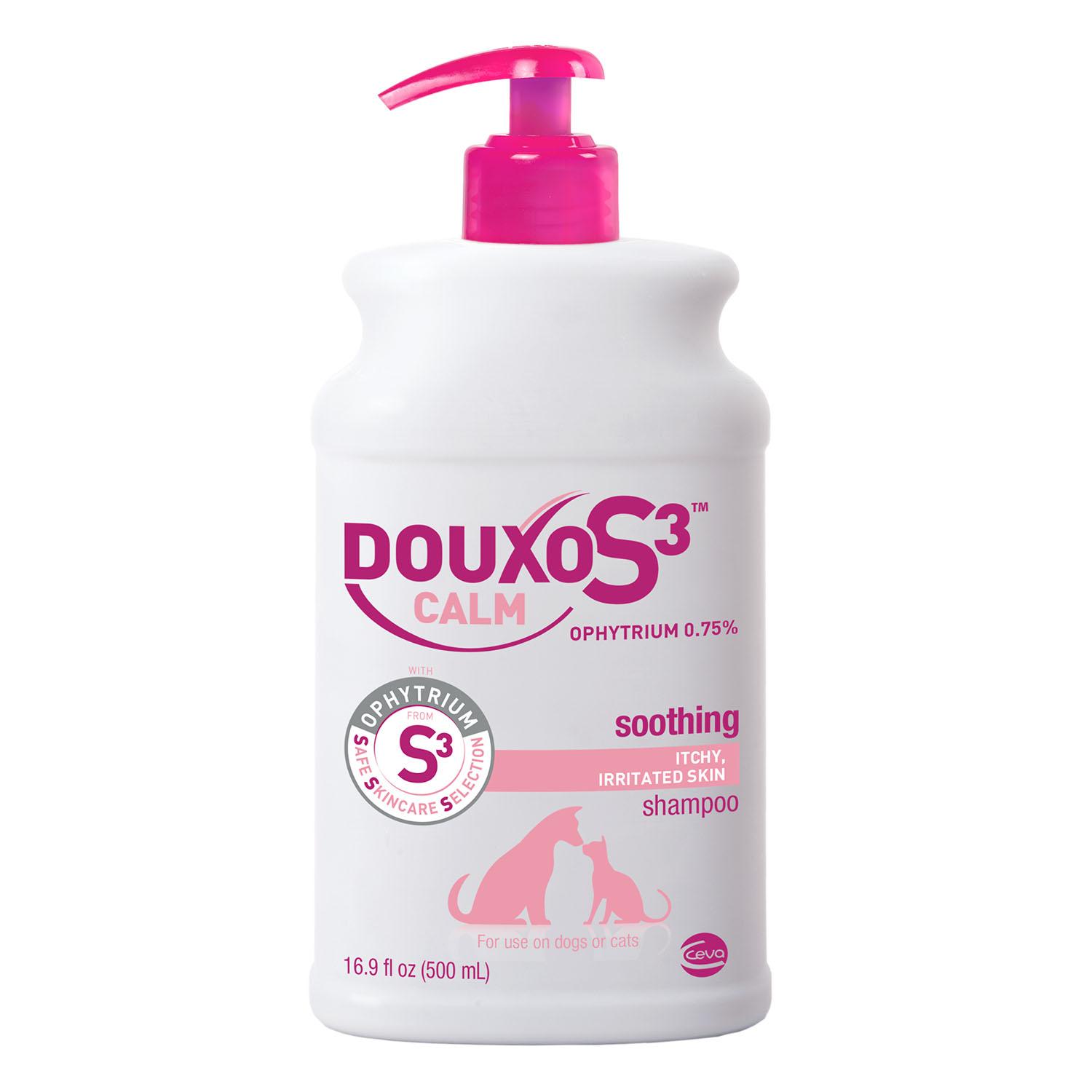
For oatmeal-based formulas, explore our cat grooming collection and look for options such as earthbath® Oatmeal & Aloe Shampoo - Fragrance Free.
Waterless and Foam Shampoos
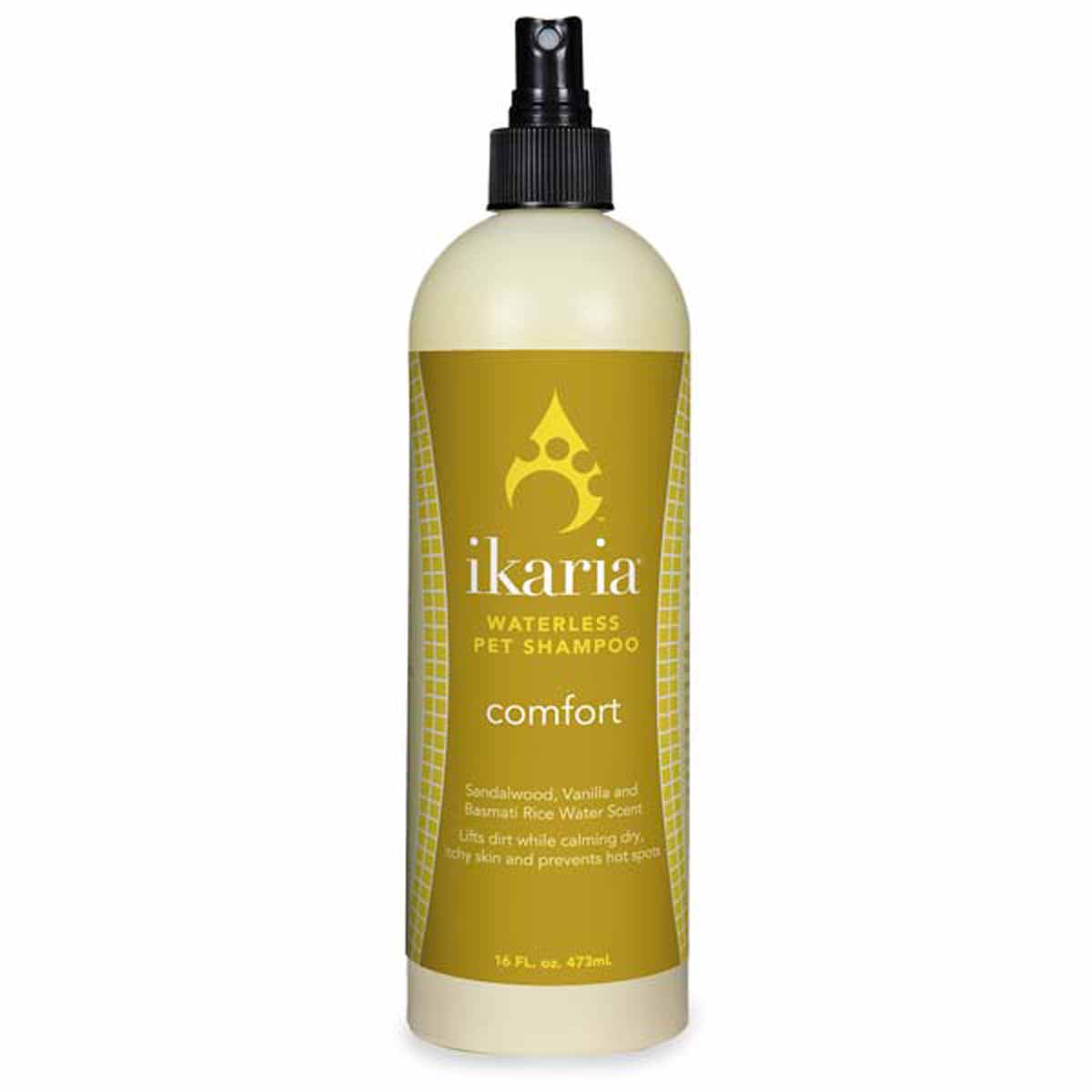
For most cats with mild dandruff, a waterless shampoo is the better option. These come as a foam or spray that you massage into the coat and then towel off. There is no rinsing required. This is much less stressful for the cat and still allows moisturizing ingredients like aloe and oatmeal to reach the skin.
A product such as Vet's Best Dry Clean Waterless Cat Bath can be useful when your cat does not tolerate a traditional bath.
Medicated Shampoos
If your cat's dandruff is caused by a fungal infection or a bacterial issue, a standard moisturizing shampoo will not work. You will need a medicated formula. Our pharmacy carries FDA-approved medicated shampoos and topical treatments through our partnership with Pet's Choice. These products often require a prescription from your veterinarian.
For additional skin and coat support, browse our cat skin and coat health selection.
Quick Answer: If your cat hates water, a waterless foam shampoo with oatmeal and aloe is usually the best choice for managing light dandruff. For severe crusting or redness, consult your vet for a medicated option.
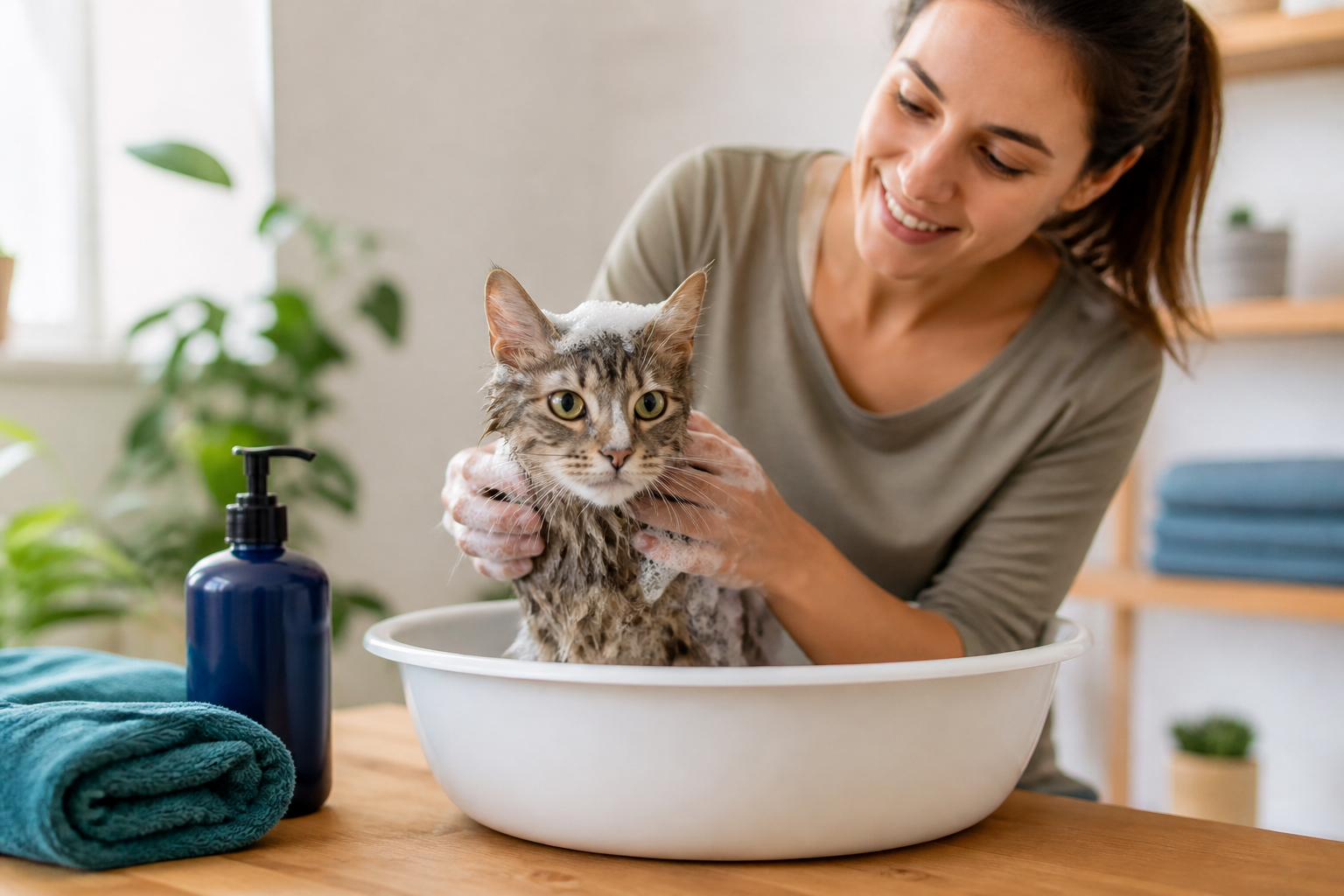
How to Bathe a Cat for Dandruff
If you decide that a traditional bath is necessary, preparation is the key to success. A stressful bath can make a cat's skin issues worse due to stress-related grooming or scratching.
Step 1: Brush the coat thoroughly. / This removes loose fur and breaks up large flakes of dandruff before they get wet. If you do not brush first, the water can mat the hair and trap the dandruff against the skin.
Step 2: Set up your space. / Use a sink or a small tub rather than a large bathtub. Place a rubber mat or a towel on the bottom so your cat feels secure and does not slip.
Step 3: Use lukewarm water. / Water that is too hot will dry out the skin further. Water that is too cold will shock the cat. Use a gentle stream of water to wet the coat, avoiding the ears and eyes.
Step 4: Massage the shampoo in. / Work the shampoo through the fur down to the skin. Most dandruff shampoos need to sit for 5 to 10 minutes to be effective. Keep your cat warm during this wait time.
Step 5: Rinse and dry. / Rinse thoroughly until the water runs clear. Any leftover soap can cause more itching. Blot the cat dry with a towel rather than using a hair dryer, as the heat from a dryer can irritate dry skin.
When Shampoos Are Not Enough
Sometimes, what looks like dandruff is actually something more serious. If you see the "flakes" moving, your cat likely has Cheyletiella mites, also known as "walking dandruff." These are tiny parasites that require specific medical treatment. Shampoos designed for dry skin will not kill mites.
If your cat's skin is red, bleeding, or has a strong odor, it is time to stop home treatment and call the vet. These symptoms suggest an infection or an allergy that needs professional diagnosis. At BaxterBoo, we emphasize that your veterinarian is your best partner in pet health. If they prescribe a specific treatment plan, you can fulfill those needs through our pharmacy services and the Pet's Choice partnership.
- Consult a vet if dandruff is accompanied by hair loss.
- Seek help if the skin appears greasy or "yeasty" in smell.
- Check for tiny moving specks that indicate parasites.
- Watch for excessive scratching or biting at the skin.
Bottom line: While shampoo helps manage symptoms, persistent skin issues usually require a veterinary exam to rule out parasites or internal health conditions.
Supporting Skin Health from the Inside Out
The best cat dandruff shampoo works better when supported by a healthy lifestyle. Think of the shampoo as a tool to clean up the mess while you address the cause.
Hydration and Wet Food
Cats often have a low thirst drive. If a cat is slightly dehydrated, their skin is one of the first places to show it. Switching some of your cat's meals to wet food can significantly increase their daily water intake. This extra hydration helps keep the skin cells plump and less likely to flake off.
Brushing and Massage
Regular brushing is one of the most effective ways to prevent dandruff. It stimulates the blood flow to the surface of the skin and helps spread the cat's natural oils across the fur. For senior cats, a daily brushing session replaces the grooming they can no longer do themselves. We carry a wide range of soft-bristled brushes that are gentle on sensitive, dry skin.
You can pair regular grooming with our cat healthcare products for additional skin and coat support.
Supplemental Oils
Adding a high-quality fish oil supplement to your cat's food can transform their coat in a matter of weeks. These oils provide the building blocks the skin needs to stay hydrated. Always talk to your vet before adding supplements to ensure they are appropriate for your cat's specific health profile.
Creating a Stress-Free Grooming Routine
Consistency is key when dealing with skin issues. If you only address the dandruff once every few months, it will likely keep coming back. Instead, aim for a "micro-grooming" approach. Spend five minutes a day brushing your cat. If you use a waterless shampoo, apply it once a week to keep moisture levels up.
When using any new product, do a "patch test" first. Apply a small amount of the shampoo to a small area of the cat's skin and wait 24 hours. If there is no redness or irritation, it is safe to use on the rest of the body. This is a simple way to avoid a full-body reaction if your cat happens to be sensitive to an ingredient.
For regularly replenished grooming products, consider our Autoship programme.
| Shampoo Type | Best For | Pros | Cons |
|---|---|---|---|
| Traditional Rinse | Heavy dirt/oils | Deepest cleaning | High stress for cat |
| Waterless Foam | Maintenance | Very low stress | Surface cleaning only |
| Medicated | Infections/Parasites | Treats the cause | May require prescription |
| Wipes | Spot cleaning | Extremely portable | Not for full-body issues |
Summary of Best Practices
Managing cat dandruff is a multi-step process that involves more than just a quick wash. You must identify if the issue is environmental, nutritional, or medical.
- Select a cat-specific shampoo with moisturizing ingredients like oatmeal.
- Use waterless options for cats who find baths stressful.
- Improve hydration through wet food and fresh water access.
- Maintain a daily brushing routine to distribute natural skin oils.
- Monitor for signs of infection or parasites that require a vet.
Key Takeaway: A combination of a moisturizing shampoo, regular brushing, and better hydration is the most effective way to eliminate feline dandruff.
The Role of Professional Care
While most dandruff is a minor issue, never hesitate to reach out to a professional. If home remedies do not show results within two to three weeks, there may be an underlying metabolic issue like hyperthyroidism or diabetes. These conditions change how a cat's body processes nutrients and can lead to poor coat quality.
Our team is dedicated to providing the products you need for every stage of this journey. Whether you are looking for a gentle oatmeal shampoo or need to fulfill a prescription for a medicated topical through our pharmacy, we are here to help. Using the right tools makes the grooming process easier for both you and your cat.
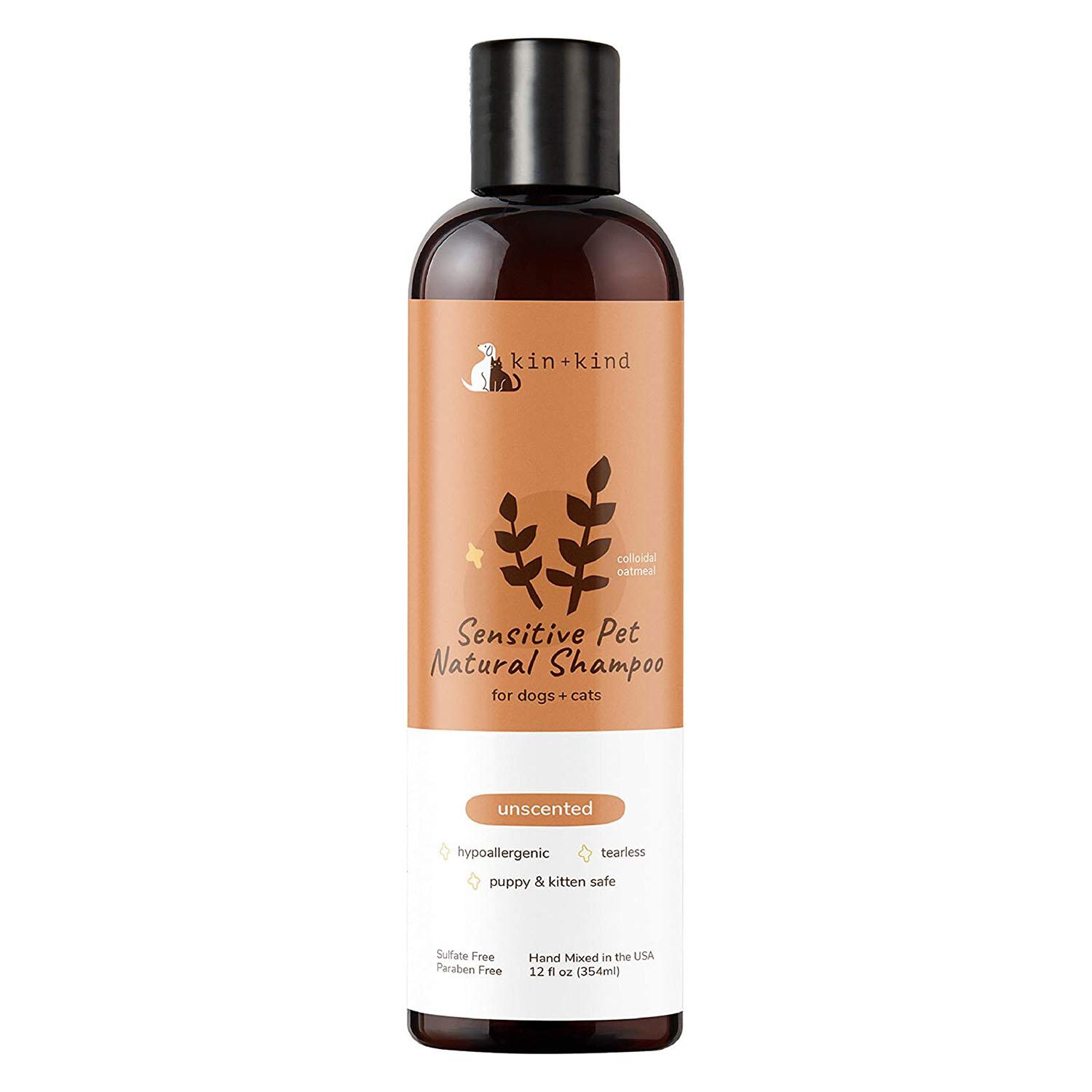
For gentle cleansing, consider Pure and Natural Pet Tearless Cat Shampoo - Unscented.
Conclusion
Finding the best cat dandruff shampoo is about understanding your cat's unique skin needs and temperament. For most felines, a gentle, moisturizing formula used alongside a regular brushing routine will clear up those pesky white flakes. Remember to stay patient, as skin takes time to heal and regenerate. If you notice any signs of distress or if the dandruff persists despite your best efforts, consult your veterinarian to rule out more serious health concerns. You can find a wide selection of grooming tools, supplements, and skin-supportive foods at BaxterBoo to keep your cat’s coat looking its best. For those who need specialized care, our pharmacy partnership with Pet's Choice offers a convenient way to manage prescribed skin treatments.
Bottom line: Start with a gentle moisturizing shampoo and a better brushing routine, but always consult a vet if the skin looks red or irritated.
FAQ
Can I use human dandruff shampoo on my cat?
No, you should never use human shampoo on a cat. Human skin has a different pH level than feline skin, and our shampoos are far too acidic for them. Additionally, many human dandruff shampoos contain ingredients like zinc pyrithione or selenium sulfide which can be toxic to cats if ingested during grooming.
How often should I bathe my cat for dandruff?
For most cats, once a month is the maximum frequency for a traditional water-based bath. Over-bathing can actually strip the skin of its natural oils and make dandruff worse. If your cat needs more frequent help, it is better to use a waterless foam shampoo or grooming wipes once or twice a week.
Does wet food really help with cat dandruff?
Yes, wet food can be very helpful because it increases your cat's overall hydration. Many cats live in a state of mild dehydration because they do not drink enough water from a bowl. Since skin health depends on internal hydration, the moisture in wet food helps keep the skin from becoming dry and flaky.
What if my cat’s dandruff looks like it is moving?
If you see white flakes that appear to be moving, your cat likely has Cheyletiella mites, commonly known as "walking dandruff." This is a parasitic infestation, not standard dry skin. You will need to see a veterinarian for a specific antiparasitic treatment, as regular dandruff shampoos will not kill these mites.






- Site & Contents BaxterBoo.com. BaxterBoo is located in the United States.
- Privacy & Security
- Terms of Use
- Accessibility Statement
