
 Save 15% on your 1st Autoship learn more

 Email us
 Live Chat
 FAQs
FAQs





Introduction
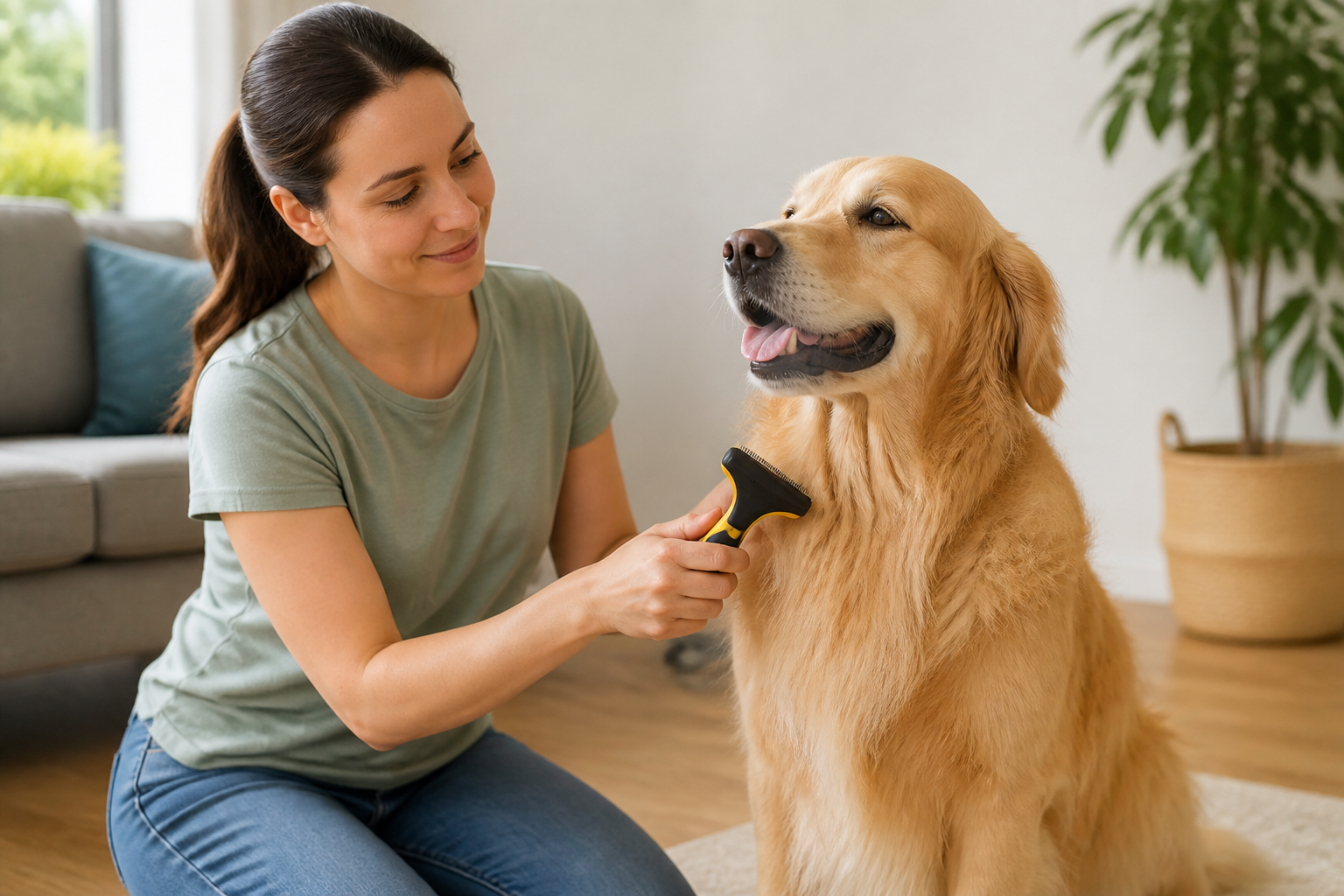
You just finished vacuuming the living room. Ten minutes later, you spot a fresh tumbleweed of fur drifting across the hardwood floor. Your favorite black sweater is now a permanent shade of "dog hair grey." At BaxterBoo, we know that heavy shedding is a common hurdle for many pet owners. It can feel like a losing battle against your dog's coat. However, the right de-shedding dog grooming brush can reduce the mess by up to ninety percent. This post covers the different types of tools available and how to match them to your dog's specific coat. We will also look at safety tips to ensure your pet stays comfortable during their spa day. Understanding how these tools work helps you keep your home cleaner and your pet's skin healthier.
Why Dogs Shed So Much
Shedding is a natural process for almost all dogs. It is the way their bodies get rid of old, damaged, or extra hair. Most dogs have a coat that changes with the seasons. They grow a thick layer in the winter for warmth and lose it in the spring to stay cool. This is often called "blowing the coat."
Different breeds have different shedding patterns. Some dogs have a single coat, while others have a double coat. A double coat consists of a harsh outer layer and a soft, dense undercoat. The undercoat is usually what ends up on your furniture. It grows and dies faster than the outer guard hairs. If this dead hair stays trapped against the skin, it can cause itching or even painful mats.
The Undercoat Connection
The undercoat serves as insulation. It keeps a dog warm in the cold and cool in the heat by trapping air. When this hair dies, it needs to be removed so new hair can grow in. A standard brush often only slides over the topcoat. It does not reach the dense layer underneath. This is why you might brush your dog for ten minutes and still see hair falling off them later that day. Our dog brushes and combs are designed to help you find the right tool for your dog's coat.
Quick Answer: A de-shedding tool is different from a regular brush because it reaches through the topcoat to remove loose hair from the undercoat. This prevents the hair from falling out around your home. It also helps regulate your dog's body temperature.
Types of De-Shedding Dog Grooming Brushes
Not all grooming tools are the same. Some use sharp edges to thin the coat. Others use friction or tiny teeth to pull hair away. Choosing the wrong one can lead to skin irritation or a damaged coat.
Undercoat Rakes
An undercoat rake looks like a small gardening tool. It has long, metal tines that are spaced out. These tines reach deep into long, thick fur. They are excellent for breeds like Golden Retrievers or Huskies. The teeth hook the dead undercoat and pull it out without cutting the topcoat. Some rakes have rotating teeth. This feature helps the tool glide through small tangles without pulling on the dog's skin.
De-Shedding Blades and Edges
Tools like the Furminator use a stainless steel edge with very fine teeth. These teeth are designed to grab the tiniest loose hairs from the undercoat. Many of these tools include an ejector button. This allows you to push the collected hair off the blade with one thumb. This makes the process faster because you do not have to stop to pull hair out of the brush manually.
Other blades, like the SleekEZ, use a wave pattern on a flat metal strip. These do not have traditional long teeth. Instead, they grab the tips of the hair to extract them from the skin. They are very gentle and work well on a variety of coat lengths. These blades are also great for removing dander and dirt that is buried deep in the fur.
Rubber Curry Brushes
Rubber brushes, such as the Kong ZoomGroom, are the best choice for short-haired dogs. They do not have metal teeth. Instead, they use soft rubber "fingers." These fingers create a static charge that attracts loose hair like a magnet. They also massage the skin. This stimulates natural oil production, which leads to a shinier coat.
Key Takeaway: Match the tool material and tooth length to your dog's coat depth. Use long metal tines for thick double coats and soft rubber for short, sleek coats.
Selecting a Brush Based on Hair Length
The length of your dog's hair determines which de-shedding dog grooming brush will be most effective. Using a tool meant for long hair on a short-haired dog can scrape their skin. Conversely, a short-hair tool will simply glide over the surface of a thick coat.
Short-Haired Breeds
Dogs like Labradors, Beagles, and Boxers have short, stiff hair. They may not look like heavy shedders, but they lose hair constantly. For these dogs, look for:
- Rubber curry brushes
- Grooming mitts
- SleekEZ style blades
- Bristle brushes with natural fibers
These tools help lift the hair from the skin without needing to penetrate a thick layer of fur.
Long-Haired Breeds
Breeds like German Shepherds, Collies, and Newfoundlands have a lot of coat to manage. Their hair can hide a massive amount of loose undercoat. For these dogs, you need:
- Long-tined undercoat rakes
- Stainless steel edge tools with "Long Hair" designations
- Slicker brushes for finishing and smoothing
Make sure the tool you choose is wide enough to cover their body efficiently. A small brush on a large dog will make the job take much longer than necessary. Our selection of Master Grooming Tools includes slicker brushes, combs, and undercoat rakes for different grooming needs.
Professional Techniques for Home Grooming
Using a de-shedding tool is different from a quick daily brushing. It requires a bit more care and technique. If you are too aggressive, you can cause "brush burn." This is a red, irritated patch of skin.
Step 1: Inspect the skin. / Check for any lumps, bumps, or sores before you start. Never use a de-shedding tool over a wound or an active skin irritation.
Step 2: Remove mats first. / De-shedding tools are not for detangling. Use a regular comb or a slicker brush to remove any knots. If the tool hits a mat, it will pull painfully on the dog.
Step 3: Follow the hair growth. / Always brush in the direction the hair grows. Start at the neck and work your way toward the tail. Use long, gentle strokes.
Step 4: Use light pressure. / You do not need to press hard. Let the weight of the tool and the design of the teeth do the work. If you find you are pressing down, you may need a different tool.
Step 5: Limit the time. / Do not spend too much time on a single spot. Two or three passes in one area are usually enough. Over-brushing can remove too much hair and leave the skin vulnerable.
Vet Tip: If you notice your dog's skin becoming pink or red during grooming, stop immediately. Allow the skin to calm down for a few days before trying again. Ensure you are using the correct tool for their specific coat type.
When Shedding Indicates a Health Concern
While shedding is normal, excessive hair loss can sometimes signal a medical issue. If your dog is losing hair in patches, it is time to see a veterinarian. Other signs of trouble include red skin, a foul odor from the coat, or constant scratching.
Sometimes, poor nutrition leads to a brittle coat that sheds more than usual. High-quality food with Omega fatty acids can help strengthen the hair follicles. If your vet diagnoses an allergy or a skin infection, they may prescribe specific treatments. Our dog skin and coat care selection includes products for supporting your dog's grooming routine.
Our pharmacy carries FDA-approved medications and prescription pet foods through our partnership with Pet's Choice. This includes treatments for skin allergies and chronic conditions that affect coat health. While a de-shedding dog grooming brush manages the symptoms of shedding, addressing the root cause through professional care is vital for your pet's comfort.
Bottom line: Healthy skin produces a healthy coat, so keep an eye out for changes in skin color or texture during your grooming sessions.
Care and Maintenance of Your Grooming Tools
A good grooming brush is an investment. It will last for years if you take care of it properly. Hair, skin oils, and dander can build up on the teeth over time. This makes the tool less effective and can even spread bacteria back onto your dog's skin.
- Clean after every use: Remove all hair from the teeth. Most modern tools have a button to help with this.
- Wash regularly: Use warm water and a mild soap. A clean toothbrush can help scrub between fine metal teeth.
- Dry thoroughly: Metal tools can rust if left damp. Wipe them down with a dry towel and store them with the teeth facing up.
- Inspect for damage: Check for bent teeth or rust. A damaged tooth can scratch your dog's skin or pull their hair.
Conclusion
Managing your dog's shedding does not have to be an endless chore. By choosing the right de-shedding dog grooming brush, you can keep the fur on your pet and off your furniture. Remember to match the tool to your dog's coat length and always use a gentle hand. Regular grooming sessions are also a great way to bond with your pet and check for any skin changes. We carry a wide selection of top brands at BaxterBoo to help you find the perfect match for your dog. For even more convenience, you can use our Autoship programme to have grooming supplies and healthy treats delivered right to your door. This also earns you a free MVP Gold membership for extra savings on every order.
Key Takeaway: Consistent grooming with the correct tool reduces household mess and promotes better skin health for your dog.
FAQ
How often should I use a de-shedding brush on my dog? For most dogs, once or twice a week is enough to keep shedding under control. During the heavy shedding seasons in spring and fall, you may need to use it more frequently. Do not use these tools every day, as you can irritate the skin or thin the coat too much. Always monitor the skin for redness after each session.
Can I use a de-shedding tool on a wet dog? It is best to use these tools on a completely dry coat. Wet hair is more elastic and can break more easily when pulled. It is also harder for the teeth of the brush to reach through the damp undercoat. For the best results, bathe your dog, dry them thoroughly, and then use the de-shedding tool.
Will a de-shedding brush stop my dog from shedding entirely? No tool can stop a dog from shedding completely because it is a natural biological process. However, these brushes can reduce the amount of loose hair in your home by up to ninety percent. They work by removing the hair before it has a chance to fall off onto your floor. Regular use makes the remaining shedding much more manageable.
Does de-shedding hurt the dog? When used correctly, de-shedding is a comfortable experience for most dogs. It feels like a firm massage. However, it can be painful if the tool catches on a mat or if you apply too much pressure. Always remove tangles with a regular comb first and use a light touch to keep the experience positive for your pet.






