
 Save 15% on your 1st Autoship learn more

 Email us
 Live Chat
 FAQs






Introduction
You notice your dog is suddenly gassy after a walk or struggling with loose stools during a transition to new food. These small digestive hiccups can affect their energy levels and overall comfort. Maintaining a healthy balance of bacteria in the gut is a major part of keeping your pet happy. At BaxterBoo, we know that gut health is often the foundation of total body wellness. This post covers how dog probiotics tablets work, which strains offer the most benefits, and how to choose a supplement that actually reaches your dog's digestive tract alive. We will also look at when a prescription option from a pharmacy might be the better choice.
What Are Dog Probiotics Tablets?
Probiotics are beneficial microorganisms that live in your dog’s digestive tract. These bacteria and yeasts help break down food, produce vitamins, and keep harmful pathogens from taking over. While these microbes occur naturally, certain situations can wipe them out. Stress, a round of antibiotics, or eating something they shouldn't have can cause an imbalance.
Probiotics tablets are a concentrated way to reintroduce these "good" bugs. They are formulated to deliver a specific number of live cultures directly to the stomach and intestines. Unlike yogurt or other human foods, these tablets are designed for the specific pH levels and bacterial needs of a canine's gut.
The Role of CFUs
When you look at a bottle of dog probiotics tablets, you will see a number listed as CFUs. This stands for Colony Forming Units. This number tells you how many live, active microbes are in each tablet. Most experts recommend a daily dose between 1 billion and 10 billion CFUs for a healthy dog. A higher number is not always better if the strains included are not the ones your dog needs.
Quick Answer: Dog probiotics tablets are oral supplements containing live beneficial bacteria. They help restore the natural balance of the gut microbiome, which supports digestion and immune function.
Dog Digestive Health





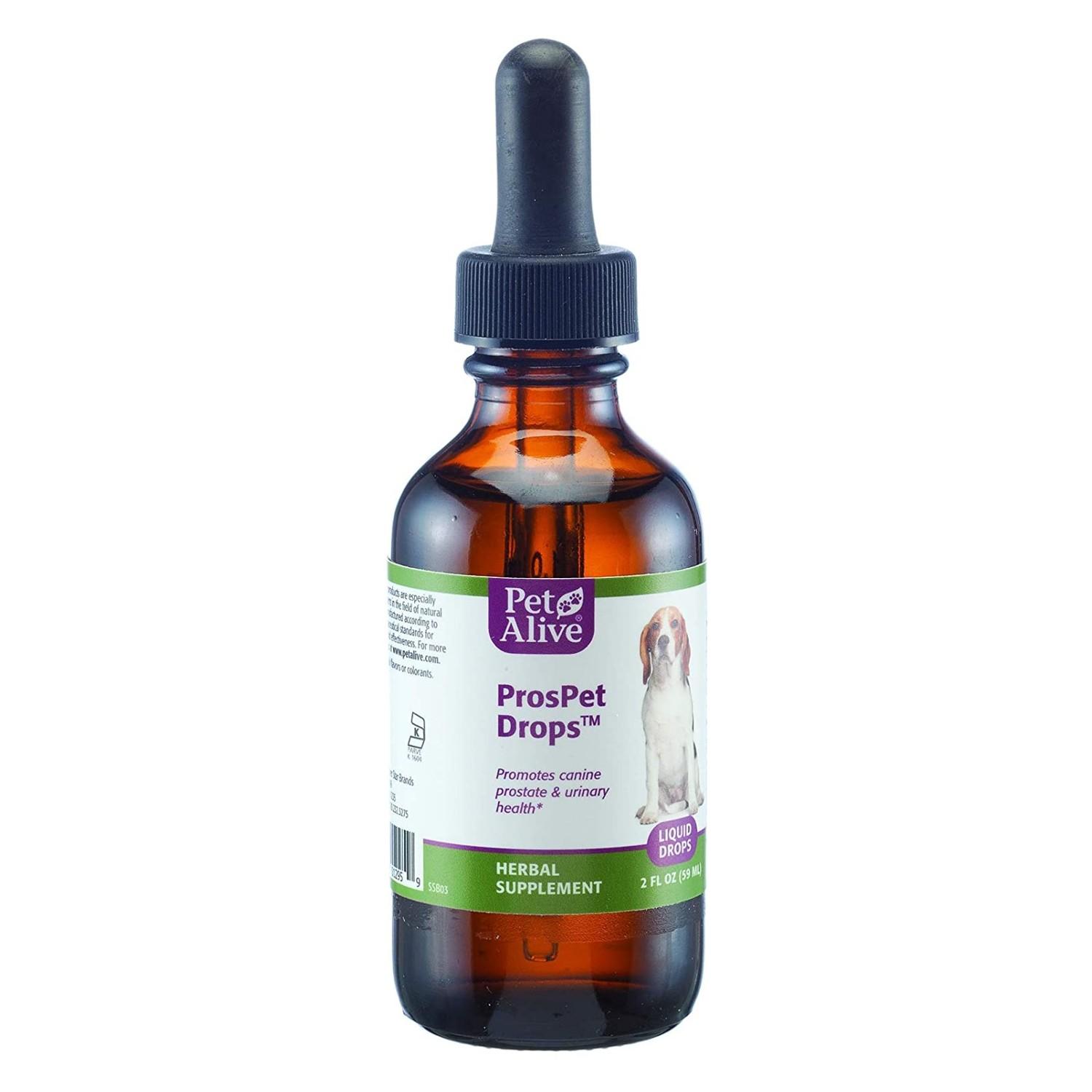
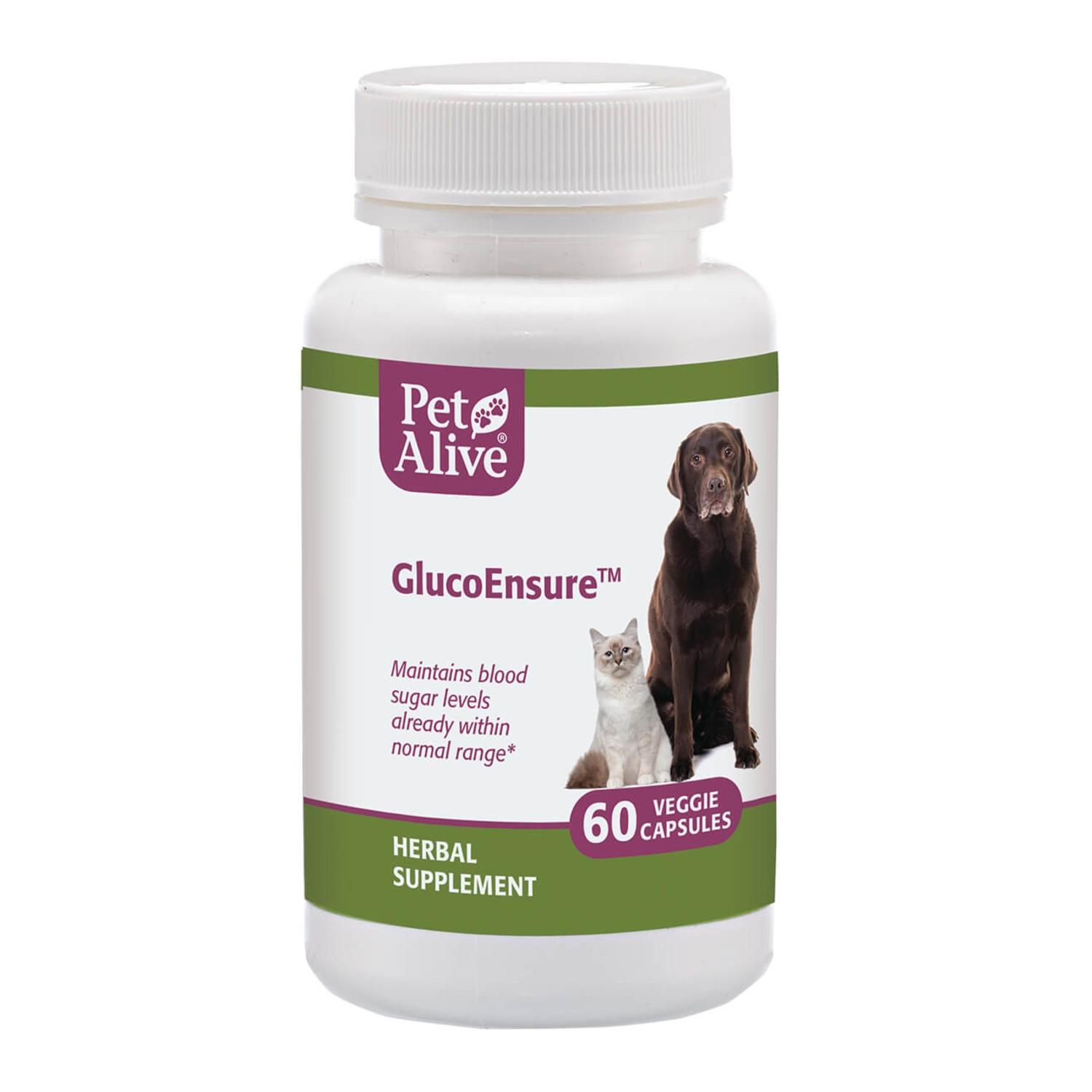


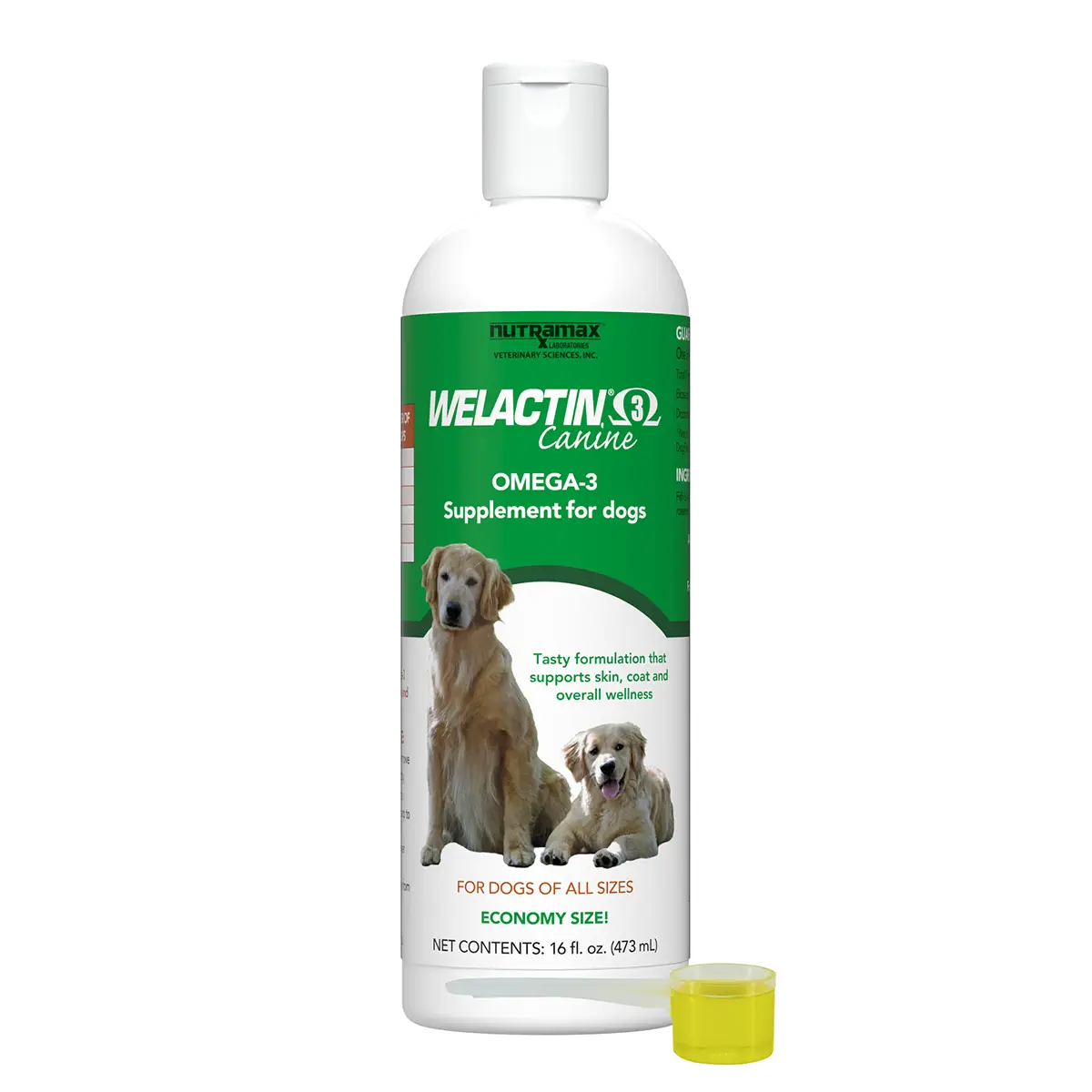


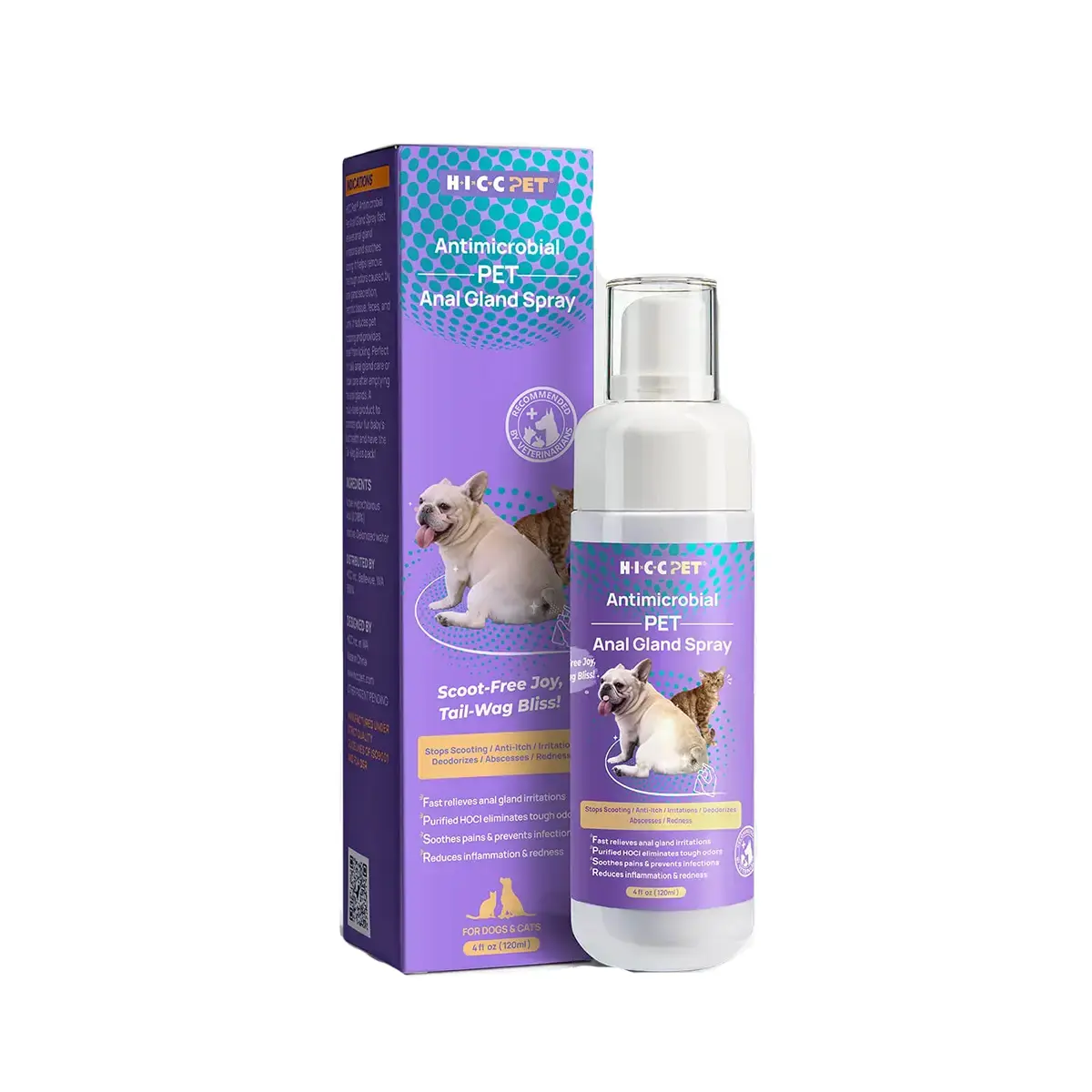
How Probiotics Support the Immune System
It might seem strange to think that digestive health affects the rest of the body, but about 70 percent of a dog's immune system lives in the gut. The lining of the intestines acts as a barrier. When the gut is healthy, it allows nutrients in while keeping harmful bacteria and toxins out.
Probiotics produce short-chain fatty acids. These acids inhibit the growth of harmful bacteria like Salmonella or E. coli. By competing for the same resources, the "good" bacteria essentially starve out the "bad" ones. This constant competition keeps the immune system alert and ready to handle external threats.
Common Signs Your Dog Needs Gut Support
- Frequent gas or bloating
- Loose stools or occasional diarrhea
- Lethargy or low energy
- Dull coat or itchy skin
- Stinky breath that does not go away with brushing
Why Choose Tablets Over Other Forms?
Probiotics come in powders, chews, and tablets. Tablets are often the preferred choice for owners who want precise dosing. Powders can sometimes get left at the bottom of the bowl, and chews may contain extra calories or flavors that a sensitive dog cannot handle. For a closer comparison of supplement formats, read our guide to chews, powders, and oils for dogs.
Stability and Potency
Tablets are often more stable than other forms. Many manufacturers use a process called microencapsulation. This creates a tiny protective shell around the bacteria. This shell ensures the probiotics survive the journey through the acidic environment of the stomach. Without this protection, a large percentage of the bacteria might die before they even reach the intestines where they are needed most.
Ease of Use
Tablets are easy to store and usually do not require refrigeration, though you should always check the label. They are portable for travel or boarding. If your dog is a picky eater, you can easily hide a tablet in a small piece of cheese or a pill-hide treat.
Key Takeaway: Tablets offer a stable, accurately dosed way to provide probiotics. Look for microencapsulated versions to ensure the bacteria stay alive until they reach the gut.
Specific Strains to Look For
Not all bacteria are the same. Different strains perform different jobs in the body. When shopping for dog probiotics tablets, look for these specific names on the ingredient list:
- Enterococcus faecium: This strain is very effective at shortening the duration of diarrhea. It is often used for dogs experiencing stress-related digestive upset.
- Lactobacillus acidophilus: This is one of the most common strains. It helps improve stool quality and can assist with nutrient absorption.
- Bifidobacterium animalis: This is a powerhouse for reducing the time it takes for a dog to recover from acute gastrointestinal issues.
- Bifidobacterium longum: This strain is often linked to the gut-brain axis. It may help dogs stay calmer during stressful events like thunderstorms or moving house.
The Gut-Brain Connection
Recent research shows that the gut and the brain are in constant communication. When the gut is out of balance, a dog might show signs of anxiety, such as excessive barking or pacing. Providing specific strains like Bifidobacterium longum can support emotional regulation and help a dog feel more settled in their environment.
The Importance of Prebiotics
You will often see the word "prebiotics" on the same label as probiotics. These are not the same thing. Prebiotics are types of fiber that act as food for the probiotics. Think of probiotics as the "good bugs" and prebiotics as the "fuel" they need to grow and thrive.
Common prebiotics include:
- Pumpkin powder
- Psyllium husk
- Fructooligosaccharides (FOS)
- Chicory root
Using a supplement that contains both is often called a "synbiotic." This combination ensures that once the beneficial bacteria arrive in the gut, they have the energy they need to start working immediately. You can compare available options in our dog digestive health collection.
Vet Tip: If your dog has a chronic health condition or is severely immunocompromised, always talk to your veterinarian before starting a probiotic. Their immune system may react differently to added bacteria.
Probiotics for Skin and Allergy Support
Many owners are surprised to learn that gut health affects the skin. When the gut is inflamed or unbalanced, it can lead to a condition often called "leaky gut." This allows allergens to enter the bloodstream more easily, which can trigger itchy skin, hot spots, and ear infections.
A balanced microbiome helps regulate the body’s inflammatory response. Some studies suggest that dogs with atopic dermatitis have less diversity in their gut bacteria. By introducing dog probiotics tablets, you may help reduce the severity of seasonal allergies and improve the overall shine and softness of their coat. For additional guidance, explore our ultimate pet supplement guide.
When to Use Probiotics
There are specific times when your dog will benefit most from a boost in beneficial bacteria.
After Antibiotic Use
Antibiotics are life-saving medications, but they are not selective. They kill off the bad bacteria causing an infection, but they also wipe out the good bacteria in the gut. This is why many dogs get diarrhea while taking antibiotics. Starting a probiotic during or immediately after a course of medication can help repopulate the gut and prevent secondary digestive issues.
During Transitions
Moving to a new home, boarding at a kennel, or switching to a new brand of food can all cause stress. Stress changes the acidity of the stomach and can lead to an upset tummy. Giving probiotics a few days before a known stressful event can help prepare your dog's system.
Senior Dog Care
As dogs age, their digestive systems become less efficient. Senior dogs may struggle to absorb nutrients as well as they used to. A daily probiotic can help support their aging gut and keep their immune system strong during their golden years. Learn more about life-stage nutrition in our guide to supplements for puppies, adults, and senior pets.
Key Takeaway: Probiotics are especially useful during transitions, after medical treatments, or as daily support for aging pets.
Choosing a Quality Supplement
Because the supplement industry is not as strictly regulated as the medication industry, you need to be careful about which brands you choose. At BaxterBoo, we carry over 500 trusted brands, including names like Zesty Paws, Honest Paws, and Cosequin.
Label Checklist
When reviewing dog probiotics tablets, look for these markers of quality:
- A visible expiration date: Probiotics are live organisms and will die over time.
- A list of specific strains: The label should name the exact bacteria, not just "probiotic blend."
- A CFU guarantee: The manufacturer should guarantee the number of live bacteria at the time of manufacture or, ideally, through the expiration date.
- Manufacturing standards: Look for brands that follow National Animal Supplement Council (NASC) guidelines.
Prescription Probiotics and the Pharmacy
Sometimes, a standard over-the-counter tablet is not enough. If your dog is dealing with a chronic condition like Irritable Bowel Disease (IBD), severe food allergies, or recurring urinary tract infections, they may need a more potent option.
Our pharmacy at BaxterBoo offers access to FDA-approved medications and prescription-strength supplements through our partnership with Pet's Choice. This includes specialized diets from brands like Farmina Vet Life or Royal Canin that are formulated with specific probiotic levels for medical needs. If your vet writes a prescription for a high-potency probiotic or a medication to manage gut inflammation, we can help you get those items delivered to your door through our dog pharmacy.
Transitioning to a New Supplement
When you start giving your dog probiotics tablets, do not be surprised if things seem a little worse for a day or two. Some dogs experience a "die-off" phase where they might have a bit of extra gas or a softer stool as the new bacteria take hold.
Step 1: Consult your veterinarian. / Ensure the supplement is right for your dog's specific symptoms.
Step 2: Start with a half dose. / Give your dog's system a few days to adjust to the new bacteria.
Step 3: Monitor for changes. / Watch for improved stool consistency, less gas, and better energy over the next two to four weeks.
Step 4: Stay consistent. / Probiotics work best when given at the same time every day to maintain a steady population in the gut.
Safety and Side Effects
Probiotics are generally very safe for most dogs. Because they are natural inhabitants of the digestive tract, the body usually accepts them well. However, very high doses can occasionally cause temporary bloating or constipation.
If your dog develops a fever, starts vomiting, or seems unusually lethargic after starting a supplement, stop use and contact your vet. This is rare but can happen if a dog has an undiagnosed underlying condition.
Bottom line: While side effects are rare and usually mild, a slow introduction is the best way to ensure your dog's comfort.
Conclusion
Dog probiotics tablets are a practical tool for managing everything from occasional gas to chronic skin issues. By supporting the microbiome, you are giving your pet a stronger immune system and a better chance at long-term wellness. Whether you are helping a puppy adjust to new food or supporting a senior dog's digestion, the right bacteria make a difference. We offer a wide selection of top-tier brands to fit your budget and your dog's needs. If your vet recommends a more intensive treatment plan, remember that our pharmacy carries prescription options to support complex health journeys.
- Select a tablet with microencapsulated bacteria for better survival.
- Look for specific strains like Enterococcus faecium for diarrhea or Bifidobacterium longum for anxiety.
- Always check for a CFU guarantee on the label.
- Consider our Autoship program to save on recurring orders and ensure you never run out of your dog's daily gut support.
FAQ
Can I give my dog human probiotic tablets?
While human probiotics are generally not toxic to dogs, they are not the best choice. A dog's gut has a different pH level and a different balance of bacterial species than a human's. Using a canine-specific supplement ensures your dog gets the strains that are most effective for their unique digestive system.
How long does it take for dog probiotics tablets to work?
You might see an improvement in digestive issues like gas or loose stools within a few days. However, for more complex benefits like skin health or immune support, it typically takes three to four weeks of daily use. Behavioral benefits for anxiety can sometimes take up to six weeks to become noticeable.
Should I give my dog probiotics every day?
For most dogs, a daily probiotic is a great way to maintain a healthy baseline. It is especially beneficial for senior dogs or those with sensitive stomachs. If your dog is healthy and has no digestive issues, you might choose to only use them during times of stress or after medical treatments.
Can puppies take probiotics tablets?
Yes, puppies can benefit from probiotics as their immune systems and digestive tracts are still developing. They are particularly helpful during the weaning process or when moving to a new home. Always check the packaging for age-appropriate dosing and consult your vet before starting a supplement for a young puppy.






- Site & Contents BaxterBoo.com. BaxterBoo is located in the United States.
- Privacy & Security
- Terms of Use
- Accessibility Statement
