
 Save 15% on your 1st Autoship learn more

 Email us
 Live Chat
 FAQs





Introduction
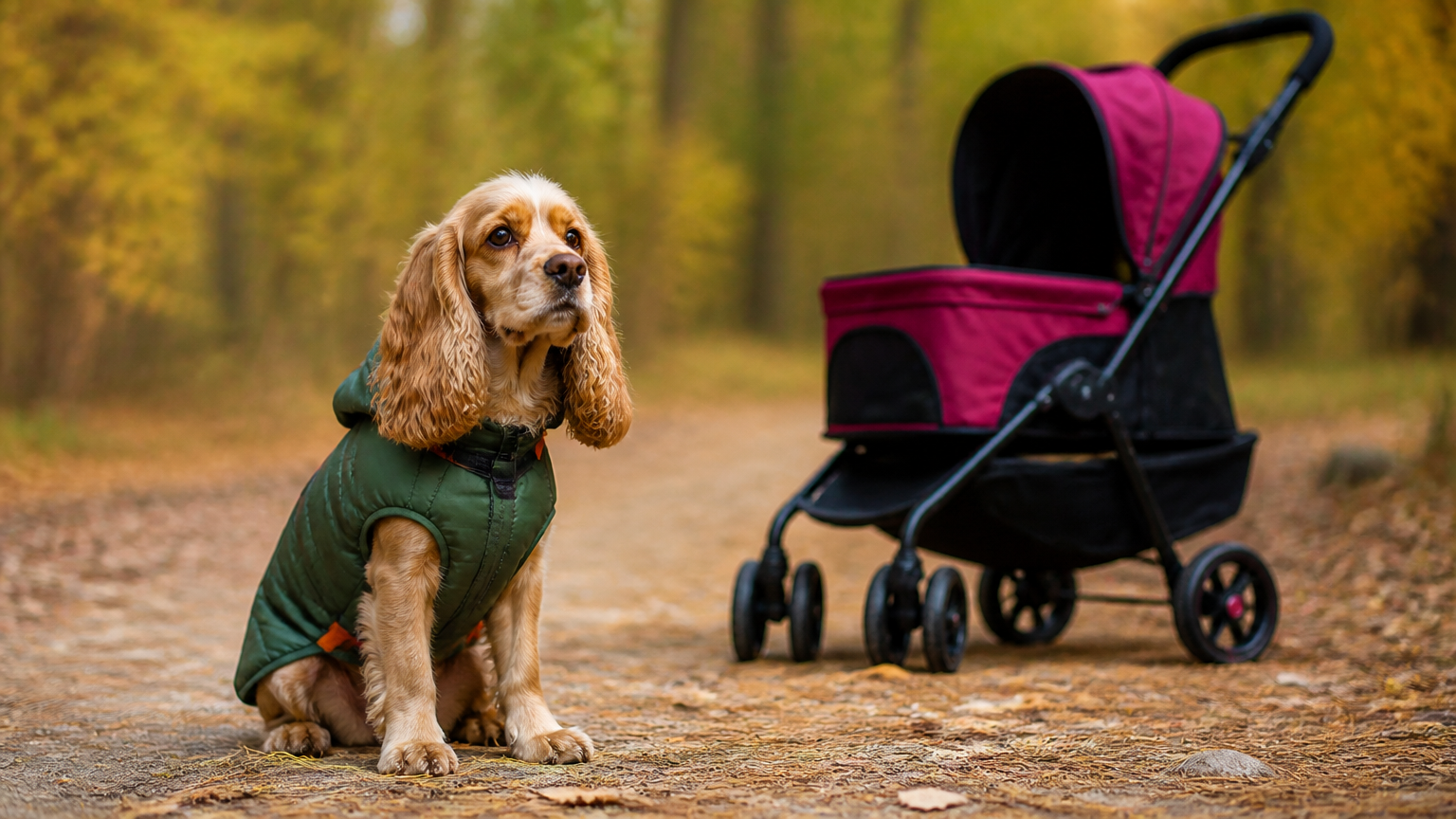
A rainy walk can leave your Cocker Spaniel's legs and belly covered in mud, while a bulky coat may get in the way of an otherwise happy walk. The right clothes depend on what you want them to do: block rain, add warmth or keep more of that long feathering clean.
At BaxterBoo, we know a size label doesn't tell the whole story. A comfortable coat needs room through the chest, a suitable back length and openings that let your dog move naturally. We'll help you compare clothing styles, measure for a better fit and decide what to look for in a dog stroller. Start with your dog's measurements and the conditions you'll use the gear in.
Choose Clothes for Your Cocker Spaniel's Needs
A Cocker Spaniel doesn't automatically need a wardrobe. Some dogs are comfortable without clothing in mild weather, while others appreciate a layer on a cold or wet outing. Coat length, age, health, activity and the weather all affect the choice.
Think about the job before choosing a style. A raincoat and a winter coat may look similar, but they don't necessarily offer the same protection.
| Clothing type | Useful for | What to check |
|---|---|---|
| Lightweight raincoat | Wet walks when warmth isn't the main concern | Belly coverage, closures and a harness opening |
| Insulated coat | Cold outings when your dog needs an extra layer | Room to move and a lining suited to the conditions |
| Sweater or fleece | Cool, dry days or a chilly room | Soft fabric, comfortable leg openings and easy removal |
| Overall or slush suit | Muddy walks and wet ground | Coverage of the belly and legs without restricting movement |
| Lightweight shirt or outfit | Short, supervised wear for a photo or occasion | Comfortable fabric and no loose decorations |
A simple coat may be enough if you mainly want to keep your dog's back dry. If muddy leg feathering is the bigger problem, an overall offers more coverage, though it can take longer to put on and take off.
Raincoats and Mud Protection
For wet walks, look for a raincoat that covers the back and offers enough belly coverage for your route. A dog who stays on sidewalks may need less coverage than one who likes muddy trails.
Check the product description for the difference between water-resistant and waterproof. Water-resistant fabric can help with light moisture, but it isn't the same claim as waterproof fabric. Coverage matters, too: Even a waterproof coat won't keep exposed legs and ears dry.
Long feathering can catch in fasteners or rub against a rough lining. Clothing maker Janutex's Cocker Spaniel guide recommends a smooth lining for long coats. Look for closures that you can fasten without trapping fur.
Winter Coats and Sweaters
A warm dog coat can be useful on cold outings, particularly for a puppy, senior dog or Cocker with a closely clipped coat. Your dog's comfort matters more than the season on the calendar. Wind, dampness and how long you'll be outside all make a difference.
Choose a layer that covers the torso without pulling across the shoulders. If your dog becomes uncomfortably warm, remove the garment and let them cool down. A thick coat isn't automatically the best choice for every walk.
Dog sweaters and fleece can be useful in cool, dry conditions. They may become wet in rain or slush, so an outer layer designed for wet weather is a better choice when keeping dry is the priority.
Vet Tip: Ask your veterinarian about cold-weather needs if your Cocker has a health condition or seems unusually sensitive to cold.
Overalls and Occasional Outfits
An overall can cover more leg and belly feathering than a standard coat. Choose one with openings that let your dog walk, squat and relieve themselves comfortably. Long legs on the garment shouldn't drag or bunch under the paws.
For a party outfit or lightweight shirt, comfort still comes first. Avoid pieces with small decorations your dog could chew off, and keep the outfit away from their eyes and mouth. Some dogs would rather skip the costume, and that's fine.
Before choosing any garment, check that:
- The coverage matches the weather and your walking route.
- Closures won't trap long ear or body hair.
- Your harness and leash can be used safely with it.
- The fabric and care instructions suit how often you plan to use it.
Dog Coats


How to Measure a Cocker Spaniel for Dog Clothes
Cocker Spaniels vary in build, so there isn't one reliable clothing size for the breed. This applies to both American and English Cocker Spaniels. Use a flexible measuring tape and compare your dog's numbers with the chart for each garment.
Keep your dog standing naturally while you measure. Record the measurements so you can compare them with different styles, then remeasure a growing puppy or a dog whose coat length or body size has changed.
Step 1: Measure the back. Measure from the base of the neck, where a collar normally rests, to the base of the tail. This helps you judge how much of the back a coat will cover.
Step 2: Measure the chest. Wrap the tape around the widest part of the chest, just behind the front legs. Keep it flat against the coat without pulling it tight.
Step 3: Measure the neck. Measure around the neck where the garment's neckline will sit. Check the product's instructions, since a high collar and a lower neckline may fit differently.
Step 4: Compare the chart. Check all listed measurements rather than choosing by weight or a small, medium or large label. Follow the manufacturer's fitting guidance for the specific garment.
If your dog falls between sizes, don't assume that going up will solve every problem. A larger size may give the chest more room but leave the back too long or the leg openings too loose. Look for an adjustable style or a different cut if one measurement fits and another is far outside the chart.
For a full-body suit, check whether the seller also requests leg measurements. A garment can fit around the torso but still have legs that bunch or limit your dog's stride.
Check the Fit Before Your First Walk
Once the clothes arrive, try them on at home before heading outside. You should be able to fasten the garment without pulling, and your dog should be able to stand, sit and walk comfortably.
Pay attention to the chest and front leg openings. A coat that pulls when your dog steps forward may be too tight or cut in the wrong place. A loose garment can also cause trouble if it slips, twists or hangs low enough to trip over.
Check the neckline around those long ears. Ear feathering should fall freely rather than getting caught under the collar or in a hook-and-loop closure. The back of the coat should not bunch over the tail, and the underside should leave room for normal bathroom breaks.
If your dog wears a harness, try the two pieces together. A leash opening should line up with the harness attachment point without pulling the coat out of place. Don't attach the leash to a decorative loop or assume a clothing opening is an attachment point.
Use this quick fit check:
- Your dog can take a normal stride and turn comfortably.
- The neckline and leg openings don't pinch or catch fur.
- The garment stays in place without twisting.
- Your dog can relieve themselves without soiling the fabric.
- The leash connects securely to the harness or collar as intended.
Introduce unfamiliar clothes gradually. Let your dog sniff the garment, reward calm interest and begin with a short try-on. If they freeze, scratch at it or try repeatedly to remove it, take it off and reassess the fit before trying again.
Keep Clothing and Feathering Clean
After a wet walk, remove the coat and check the hair underneath, especially around the chest, armpits and belly. Dry damp fur and gently work through any tangles with your usual grooming tools. Clothing can reduce how much mud reaches covered areas, but it doesn't replace coat care.
Check the outer ear hair as well, since most coats leave it exposed. If your dog has ongoing ear odor, redness or discomfort, ask your veterinarian for guidance rather than trying to treat the problem with clothing or routine grooming.
Follow the garment's washing instructions and let it dry before the next use. Check fasteners, seams and elastic for wear. Replace or repair a piece that no longer stays secure or has loose parts your dog could chew.
Choosing a Dog Stroller for a Cocker Spaniel
A dog stroller can be useful when your Cocker needs a place to rest during an outing or can't comfortably walk the whole route. It can also give you more flexibility on a long day away from home. A stroller is separate from clothing, though a well-fitting coat may still be useful in cool weather.
Start with the manufacturer's weight limit, then look at the interior dimensions. Your dog should have enough space to lie down, sit and reposition comfortably. Measure your dog and compare those measurements with the usable space inside the stroller, not just its overall outside dimensions.
Consider how you'll use it. Larger wheels may be easier to maneuver on uneven paths, while a compact folding frame may be more practical for getting in and out of a car. Check the folded size and weight if you'll need to lift it regularly.
Look for a secure enclosure, ventilation and brakes that are easy for you to operate. If the stroller has an interior tether, follow its instructions and attach it to a properly fitted harness rather than your dog's neck. Keep your dog supervised, and don't leave them in an enclosed stroller where they could become too warm.
Before buying, check:
- The weight limit and interior space suit your dog.
- The opening lets your dog enter and leave comfortably.
- The brakes, wheels and handle are manageable for you.
- The stroller fits your usual route and storage space.
Let your Cocker investigate the stationary stroller first. Reward them for approaching it, then practice getting in and out before taking a short, calm ride.
A stroller doesn't have to replace walks your dog enjoys and can comfortably manage. If you're considering one because of new stiffness, pain or reduced stamina, talk with your veterinarian about what your dog needs.
Conclusion
The best clothes for your Cocker are the ones that fit comfortably and suit the outing. Start with the measurements, then choose the coverage you need rather than relying on a breed label.
- Pick a raincoat for wet walks or an insulated coat when extra warmth is useful.
- Check the chest, neckline, leg openings and harness access before use.
- Choose a stroller by its usable space and features, not weight capacity alone.
Next step: Explore seasonal dog apparel at BaxterBoo and compare each garment's size chart with your Cocker's measurements.
FAQ
What size clothes does a Cocker Spaniel wear?
There is no single size that fits every Cocker Spaniel. Measure your dog's chest, neck and back, then compare those numbers with the chart for the garment you're considering.
Does a Cocker Spaniel need a coat in winter?
Some Cockers benefit from an extra layer in cold conditions, but not every dog needs the same coat. Consider your dog's age, health, coat length and comfort, along with the weather and length of the outing.
Can a Cocker Spaniel wear a raincoat over a harness?
Yes, if the raincoat fits comfortably over the harness and has an opening that lines up with the leash attachment. Check the setup at home so neither the coat nor the harness shifts or restricts movement.
Is a stroller suitable for a Cocker Spaniel?
A stroller can be a useful resting place on an outing if it has enough interior space and supports your dog's weight. If your dog needs a stroller because walking has become difficult, ask your veterinarian about the change.




- Site & Contents BaxterBoo.com. BaxterBoo is located in the United States.
- Privacy & Security
- Terms of Use
- Accessibility Statement
