
 Save 15% on your 1st Autoship learn more

 Email us
 Live Chat
 FAQs






Introduction
You may have a new puppy with a list of deworming dates or an adult dog already taking a monthly preventive. Either way, it can be hard to tell when another dewormer is needed and when an extra dose would simply overlap with existing medication.
A dog dewormer schedule depends on your dog’s age, the parasites involved and the product being used. Puppies usually need treatments every two weeks early in life, followed by a regular preventive plan. Adult dogs may receive ongoing parasite control or a different schedule recommended by their veterinarian.
At BaxterBoo, we want to help you understand the questions to ask before giving a dose. The main point is simple: follow a plan made for your dog, not a one-size-fits-all calendar.
Puppy Dewormer Schedule
A common puppy schedule starts at 2 weeks of age, with treatments repeated every two weeks through about 8 weeks. Your veterinarian can then advise when to begin an appropriate monthly parasite-control product. Some puppy plans include monthly treatment through 6 months, with timing adjusted when a suitable year-round preventive begins.
The Pet Advocate Vet’s puppy schedule describes this early series and the transition to ongoing prevention. It also notes that a puppy may need a different plan based on previous treatment and the product selected.
| Puppy stage | Common approach | What to confirm with your vet |
|---|---|---|
| Around 2 to 8 weeks | Begin at 2 weeks and repeat about every 2 weeks. | Which product and dose suit the puppy’s age and current weight. |
| After the early series | Move to an appropriate regular parasite-control plan, often given monthly. | When to start the preventive and whether a separate dewormer is still needed. |
| Older puppy | Continue the veterinarian’s plan and recommended stool checks. | How to adjust the plan as the puppy grows. |
Puppies can acquire certain worms before birth or while nursing. Repeat treatments matter because a single dose may not address every stage of a parasite’s life cycle. The right product and timing depend on the worms being targeted.
What if your puppy’s history is incomplete?
Ask the breeder, rescue or previous caregiver for the names and dates of any treatments. Bring those records to your puppy’s veterinary visit, along with the package if you have it.
If you can’t find the records, don’t try to recreate the missed doses yourself. Your veterinarian can recommend a plan based on your puppy’s age, weight, health and available history.
Vet Tip: If you care for a nursing mother and her litter, ask your veterinarian about a plan for both. Don’t assume a puppy’s medication or schedule is suitable for the mother.
Dog Dewormers

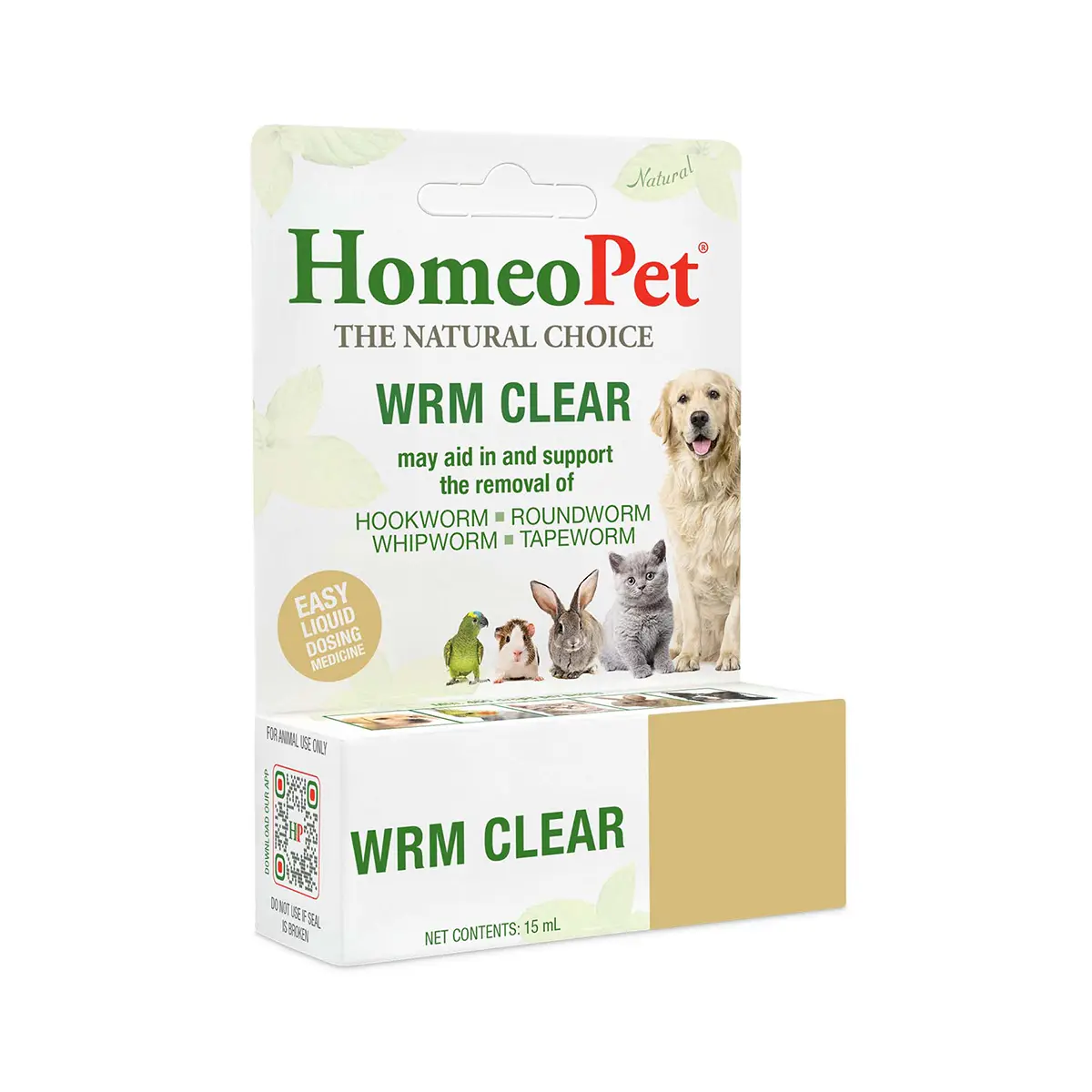


How Often Do Adult Dogs Need Dewormer?
Adult dogs need an ongoing parasite-control plan, but they do not all need a separate dewormer at the same interval. Some take a year-round preventive that also controls certain intestinal worms. Others may need periodic treatment, depending on their risk and their veterinarian’s advice.
For an adult dog not receiving a broad-spectrum preventive, treatment every three months is one approach a veterinarian may consider. It is not an instruction to add a quarterly dewormer to every dog’s routine. Ellicott Street Animal Hospital notes that exposure and existing preventive use can change the plan.
Your veterinarian may ask about:
- Your dog’s current heartworm, flea and intestinal parasite products.
- Time spent outdoors or around areas where other dogs pass stool.
- Hunting, scavenging or eating prey.
- Previous parasite diagnoses and recent stool-test results.
- Your dog’s age, health and medications.
Keep regular stool testing on the calendar even if your dog takes a preventive. A fecal exam helps your veterinarian check for parasites that may not be covered by the product, although a single test does not detect every infection.
What about heartworm prevention?
Heartworms are different from intestinal worms. Some heartworm preventives also control certain intestinal parasites, but coverage varies by product.
Check the label with your veterinarian rather than assuming a heartworm medicine covers every worm. Likewise, a separate intestinal dewormer should not be assumed to provide heartworm prevention.
Key Takeaway: A monthly preventive may be part of your dog’s deworming plan. Ask your veterinarian what it covers before adding another product.
How Long Does Dog Dewormer Last?
There is no single answer for every dewormer. A treatment given for an existing intestinal worm infection may remove the targeted worms without providing lasting protection against a new exposure. Your dog can encounter parasites again after treatment.
A preventive product is different from a one-time treatment. It is intended for use on the schedule in its label or prescription, and its coverage depends on its ingredients. A product given monthly does not necessarily cover every type of worm for the entire month.
For example, a dog’s preventive may control certain intestinal worms but not cover tapeworms. A veterinarian may recommend a different treatment if tapeworms are identified. Flea control also matters because some tapeworm infections are associated with fleas, as explained by Ellicott Street Animal Hospital.
Ask these questions when you receive a product:
- Which parasites does it treat or control?
- Is this a treatment for a current infection or part of an ongoing preventive plan?
- When is the next dose due?
- Does my dog need a follow-up stool test?
- Should any existing preventive continue on its usual schedule?
How Many Times Can You Give a Dog Dewormer?
There is no universal maximum number of dewormer doses for every dog. Some treatments require a course or a repeat dose, while preventive products may be used regularly over a dog’s life. The safe interval depends on the specific medicine and your dog’s needs.
Don’t give another dose early because you see worms, worry that the first dose did not work or miss a scheduled treatment. Contact your veterinarian with the product name, the amount given and the date. They can tell you whether another dose or a follow-up test is appropriate.
The same advice applies if your dog vomits after taking a dewormer or you aren’t sure the full dose was swallowed. Don’t automatically repeat it. Tell your veterinarian what happened and when, then follow their instructions.
What if a dose is late?
Check the product instructions and contact your veterinarian or the pharmacy if you are unsure what to do. A missed preventive dose may require a different response from a missed dose in a short treatment course.
Avoid doubling up unless your veterinarian specifically directs you to do so. Write down the revised date so the next treatment is not given too soon.
How to Give a Dog a Dewormer Pill
Before giving a pill at home, confirm that the product is intended for your dog and that you understand the veterinarian’s instructions. Some dewormers have specific directions about food or how they should be administered.
Step 1: Check the label and your dog’s weight. Confirm the product name, instructions and amount prescribed or recommended. Puppies grow quickly, so use a current weight rather than relying on an old record.
Step 2: Ask about giving it with food. If the label and your veterinarian allow it, you may be able to hide the pill in a small amount of food your dog normally tolerates. Ask before crushing or splitting a tablet.
Step 3: Make sure your dog swallows it. Watch for a pill dropped on the floor or left in the food. If your dog refuses the medicine, ask your veterinarian about another way to give it rather than forcing the pill.
Step 4: Record the treatment. Note the product, amount and date, along with any directions for a repeat treatment or follow-up test. Set a reminder only after you’ve confirmed the next due date.
Step 5: Watch your dog afterward. Some dogs may experience digestive upset after deworming. Contact your veterinarian if you’re concerned about a reaction or if symptoms persist or worsen.
Keep all medications out of reach of pets and children. If your dog may have eaten more than directed, contact your veterinarian or an emergency veterinary clinic promptly. Have the package available when you call.
Can You Use Horse Dewormer or Give Dog Dewormer to a Kitten?
Do not substitute horse dewormer for a dog’s medication on your own. Products made for horses can differ in concentration, formulation and directions. A veterinarian must select an appropriate medicine and calculate any dose for your dog.
Likewise, do not give a kitten a product intended for a dog unless a veterinarian specifically directs you to use that exact product. Species, age and weight matter, and an amount intended for a dog may be inappropriate for a kitten.
If either animal has already received the wrong product, call your veterinarian or an emergency veterinary clinic right away. Bring or photograph the package and tell the clinic how much was given and when. Don’t induce vomiting unless a veterinary professional instructs you to.
When to Call Your Veterinarian
A dog can have intestinal parasites without obvious signs. When signs do appear, they can include diarrhea, vomiting, weight loss, a swollen-looking belly or visible worms or segments in stool. Those signs can also have other causes, so a veterinarian needs to assess your dog rather than relying on appearance alone.
Call your veterinarian if you notice worms, ongoing digestive problems or a change in your dog’s energy or appetite. Seek urgent veterinary care for severe weakness, pale gums, a painful or swollen abdomen, repeated vomiting, bloody diarrhea or trouble breathing. Young puppies can become ill quickly, so contact your veterinarian promptly if a puppy seems unwell.
If you see something that may be a worm, ask the clinic how to bring in a stool sample or share a photo. Don’t delay an urgent visit to collect one.
Reduce the Chance of Reinfection
Medication is one part of a parasite-control plan. Dogs can be exposed again through contaminated environments, infected prey or fleas, depending on the parasite.
Pick up stool promptly in your yard and on walks. Wash your hands after cleanup, and keep children away from areas where dogs pass stool. Ask your veterinarian about suitable flea control and what to do if your dog frequently hunts or scavenges.
Making Your Dog’s Plan Easier to Follow
The best schedule is one that accounts for your dog’s age, exposure and existing medications. Keep the instructions together and review them with your veterinarian whenever your dog’s health or routine changes.
- Keep treatment dates and product names in one place.
- Check what your dog’s current preventive covers before adding a dewormer.
- Follow through with recommended stool tests and veterinary visits.
Vet Tip: Bring every parasite-control package or a photo of each label to your next appointment. Your veterinarian can help identify gaps and avoid unnecessary overlap.
For prescribed veterinary products, ask your veterinarian about the appropriate pharmacy option. Pet’s Choice fulfills prescriptions for BaxterBoo; BaxterBoo itself is not the licensed pharmacy.
FAQ
Can I deworm my dog at home?
You can give a dewormer at home when your veterinarian recommends an appropriate product and explains how to use it. Follow the label or prescription, and keep veterinary visits and stool testing on your dog’s schedule.
Does an indoor dog still need a parasite-control plan?
Yes. Indoor dogs can still encounter parasites through fleas or contaminated areas when they go outside. Your veterinarian can help choose a plan that fits your dog’s actual exposure.
Do I need to see worms for the dewormer to work?
No. You may not see worms after treatment, and their absence from the stool does not by itself confirm that an infection has cleared. Ask your veterinarian whether your dog needs a follow-up stool test.
Can I give a dewormer with my dog’s monthly preventive?
Sometimes, but the products and timing matter. Check with your veterinarian before combining them so you know whether the extra treatment is needed and appropriate for your dog.




- Site & Contents BaxterBoo.com. BaxterBoo is located in the United States.
- Privacy & Security
- Terms of Use
- Accessibility Statement
