
 Save 15% on your 1st Autoship learn more

 Email us
 Live Chat
 FAQs





Introduction
You are sitting on the sofa with your cat, enjoying a quiet moment of brushing or petting. As you run your hand down their back, you notice small white flakes clinging to their glossy fur. It looks a bit like salt or tiny bits of paper. This is a common sight for many cat owners, but it often brings up a lot of questions. Is it just dry skin from the winter air, or is it a sign that something is wrong?
At BaxterBoo, we see these concerns often from pet parents who want to keep their felines feeling their best. While a few flakes might seem like a minor grooming issue, the underlying cat dandruff cause can range from simple environmental factors to serious internal health conditions. Understanding why these flakes appear is the first step toward restoring your cat's coat to its natural shine. This post covers the most frequent causes of feline dandruff and practical ways to manage it at home.
Understanding Cat Dandruff vs. Cat Dander
Before we look at the causes, we must distinguish between dandruff and dander. These two terms are often used interchangeably, but they mean very different things for your cat.
Cat dander consists of microscopic skin cells that all healthy cats shed as part of their normal skin cycle. You cannot see dander with the naked eye. It is the protein in this dander that usually triggers allergies in humans. Every cat produces dander, and it is a completely natural biological process.
Dandruff is different. These are larger, visible flakes of dead skin that have clumped together. If you can see white or gray flecks on your cat’s fur, you are looking at dandruff. While dander is healthy, dandruff usually signals an imbalance. It means the skin cells are turning over too quickly or the cat is unable to remove them through normal grooming.
Quick Answer: Cat dandruff is the visible buildup of dead skin flakes on a cat's coat. It is often caused by low humidity, poor grooming, or underlying health issues like allergies, parasites, or systemic diseases.
Cat Skin & Coat Care













Environmental Factors and Low Humidity
One of the most common reasons for a sudden appearance of flakes is the environment. Just like humans, cats experience dry skin when the air lacks moisture. This is especially prevalent during the winter months in the United States. When you turn on the heater, the indoor humidity drops significantly. This saps the moisture from your cat's skin, leading to irritation and flaking.
Environmental dryness often shows up as fine white flakes along the spine. The skin may feel slightly tight or rough to the touch. If your cat is otherwise acting normal, eating well, and grooming properly, the heat in your home might be the primary culprit.
Seasonal Shifts
Changes in the weather can also trigger shedding cycles. As a cat grows or loses their seasonal coat, the skin undergoes changes as well. If the skin cannot keep up with the rapid turnover of fur, you might see temporary dandruff. Usually, this clears up once the new coat is fully established.
Household Irritants
Sometimes the cause is not the air, but what is in it. Strong perfumes, cleaning chemicals, or even certain types of dusty cat litter can irritate a cat’s sensitive skin. If their skin becomes inflamed by an irritant, it may start to peel or flake off in response.
Grooming Challenges and Physical Limitations
Cats are famous for their cleanliness. They spend a large portion of their waking hours grooming. This process does more than just keep them clean. It distributes natural oils across the skin and removes dead cells. When a cat stops grooming effectively, dandruff is one of the first signs you will see. For additional feline wellness supplies, explore our cat healthcare category.
Obesity and Accessibility
If a cat is overweight, they simply cannot reach every part of their body. You will often see a thick patch of dandruff and greasy fur right at the base of the tail or along the lower back. These are the "hard to reach" spots for a feline with a rounder middle. The oils and skin cells build up in these areas because the tongue cannot reach them to clear them away.
Senior Cats and Arthritis
As cats age, they often develop osteoarthritis. This makes twisting and reaching to groom very painful. A senior cat might want to stay clean, but the physical cost of bending to reach their hindquarters is too high. If you notice your older cat developing flakes and mats on their back, it is likely a sign of mobility issues rather than a primary skin disease.
Key Takeaway: Dandruff on the lower back or tail base often indicates a grooming problem. This is usually caused by obesity or arthritis preventing the cat from reaching those areas.
Parasites and the "Walking Dandruff" Mite
Not all flakes are just dead skin. Sometimes, what looks like dandruff is actually a living parasite. Cheyletiella mites are a specific type of external parasite that causes a condition nicknamed "walking dandruff."
If you look very closely at the flakes on your cat, you might actually see them moving. These mites live on the skin surface and cause heavy scaling. This condition is highly contagious to other pets and can even cause itchy red spots on humans.
Fleas and Flea Dirt
Fleas are another major cat dandruff cause. When a cat has fleas, they often develop an allergy to the flea saliva. This is called Flea Allergy Dermatitis. It causes intense itching, redness, and significant flaking.
You might also see "flea dirt," which looks like black pepper flakes. If you see both white flakes (dandruff) and black flecks (flea dirt), your cat likely has a flea infestation. Regular prevention is the best way to handle this. Browse the cat flea and tick collection for prevention options. You can also read our guide to flea and tick prevention. Our pharmacy carries FDA-approved flea and tick preventives through our partnership with Pet's Choice. Many of these require a prescription from your vet, which we can help fulfill to keep your home pest-free.
Skin Infections and Allergies
Infections are a frequent cause of flaky skin. These can be fungal, like ringworm, or bacterial. Ringworm is particularly troublesome because it is a fungus that feeds on the protein in hair and skin. It often causes circular patches of hair loss with crusty, flaky edges.
Bacterial Dermatitis
If a cat scratches their skin due to another irritation, they can create small breaks in the skin barrier. Bacteria can then enter and cause a secondary infection. This leads to inflammation, pus, and eventually, scabbing and flaking as the skin tries to heal.
Food and Environmental Allergies
Cats can be allergic to ingredients in their food, such as specific proteins or grains. They can also be allergic to pollen, mold, or dust. Unlike humans who get watery eyes or a runny nose, cats usually express allergies through their skin. This is known as atopic dermatitis. It results in itchy, red, and flaky skin that often leads to over-grooming and hair loss.
Internal Health Issues and Systemic Disease
Sometimes the problem on the outside is a reflection of a problem on the inside. The skin is the largest organ of the body, and it requires a lot of resources to stay healthy. When a cat is dealing with a systemic illness, the body often diverts nutrients away from the skin to support vital organs.
Diabetes and Kidney Disease
Chronic conditions like diabetes mellitus or kidney disease can cause significant changes in the skin. Dehydration is common in both of these illnesses. When a cat is dehydrated, their skin loses elasticity and becomes dry and brittle. This leads to heavy dandruff.
Hyperthyroidism
Hyperthyroidism is common in middle-aged and senior cats. It speeds up the metabolism, which can cause the skin to produce more oil than usual or cause the fur to become matted and unkempt. The result is often a greasy coat with large flakes of dandruff trapped within the fur.
Vet Tip: If your cat has dandruff along with changes in thirst, appetite, or litter box habits, schedule a vet visit immediately. These symptoms together often point to internal issues like diabetes or kidney disease.
Nutritional Deficiencies and Diet Quality
What your cat eats directly impacts how they look. To maintain a healthy coat, cats need high-quality protein and specific fats. Specifically, Omega-3 and Omega-6 fatty acids are vital for maintaining the skin's moisture barrier.
The Importance of Fatty Acids
If a cat's diet is low in these essential fats, the skin becomes dry and the hair loses its shine. You might notice the fur feels coarse or "crunchy" rather than soft. Many low-quality commercial cat foods may meet the bare minimum requirements but lack the concentrations of fatty acids needed for a glowing coat. See our cat skin and coat care options for products formulated around feline wellness needs.
Hydration and Skin Health
Cats have a naturally low thirst drive. In the wild, they get most of their moisture from their prey. If a cat eats only dry kibble and does not drink enough water, they may live in a state of mild, chronic dehydration. This shows up on the skin as dullness and flaking. Adding wet food or a water fountain can often help improve skin moisture from the inside out. You can compare options in our cat food category.
Identifying Symptoms Beyond the Flakes
When you notice dandruff, it is important to look for other clues. These signs help you and your veterinarian determine how urgent the situation is. If you see any of the following, the dandruff is likely not just a simple case of dry air:
- Excessive Scratching: This points toward allergies or parasites.
- Hair Loss: Patches of missing fur often signal infections or extreme stress.
- Redness or Lesions: Inflamed skin suggests an active infection or severe allergic reaction.
- Greasy Fur: Often associated with hormonal imbalances or an inability to groom.
- Lethargy or Weight Loss: These are red flags for systemic diseases like hyperthyroidism or cancer.
Bottom line: Dandruff is a symptom, not a diagnosis. Always look for accompanying signs like itching or behavior changes to understand the full picture.
Managing and Treating Cat Dandruff at Home
Once your veterinarian has ruled out serious illness, you can take several steps to manage the flakes. At BaxterBoo, we recommend a multi-pronged approach that focuses on the environment, grooming, and nutrition.
Improve Indoor Humidity
If the dandruff is seasonal, a humidifier can make a world of difference. Place one in the room where your cat spends the most time. Keeping the humidity between 40% and 50% can prevent the skin from drying out during the winter.
Establish a Grooming Routine
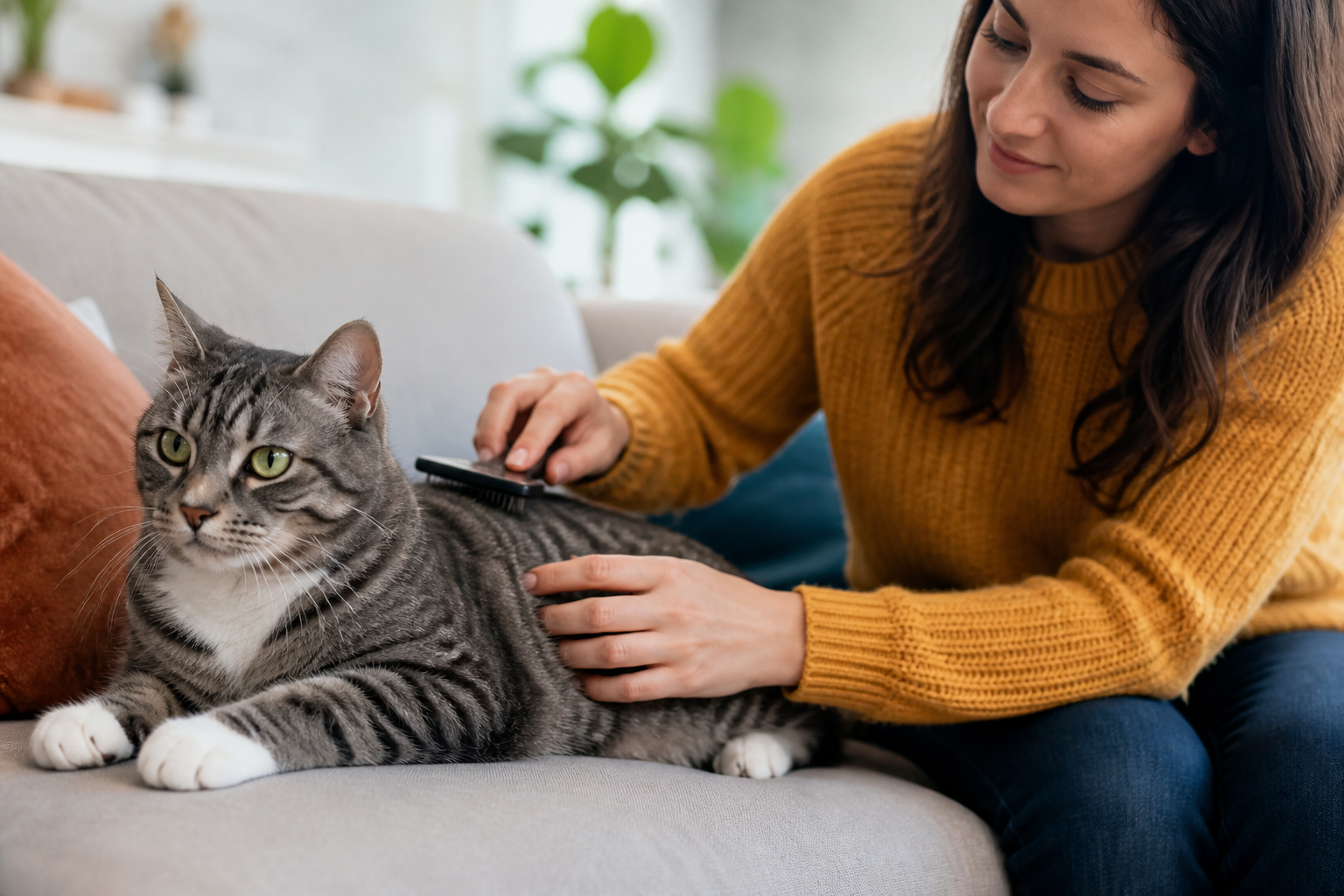
If your cat cannot groom themselves, you must step in. Brushing your cat daily does more than remove flakes. It stimulates blood flow to the skin and helps spread natural oils.
Step 1: Choose the right tool. / Use a soft slicker brush or a rubber grooming mitt that won't irritate the skin.
Step 2: Brush in the direction of hair growth. / Use gentle, long strokes to lift dead skin and loose fur.
Step 3: Focus on problem areas. / Pay extra attention to the lower back and base of the tail if your cat is older or overweight.
Step 4: Wipe the coat. / Use a damp, pet-safe grooming wipe to lift away any lingering flakes after brushing.
For more feline grooming guidance, read our article about caring for a cat’s whiskers and coat.
Dietary Supplements
Adding a high-quality fish oil or Omega-3 supplement to your cat’s food can significantly improve skin health. Brands like Zesty Paws or Honest Paws offer targeted support for skin and coat. Always start with a small amount to ensure it doesn't upset your cat's stomach. You can also review our cat vitamins and supplements selection.
The Role of Prescription Care and the Pharmacy
In many cases, over-the-counter solutions are not enough. If your cat has a bacterial infection, a fungal issue like ringworm, or a chronic condition like diabetes, they will need medical intervention.
Our pet pharmacy provides a streamlined way to get the medications and therapeutic diets your vet prescribes. We carry FDA-approved medications for a variety of conditions that cause skin issues. Through our partnership with Pet's Choice, we can fulfill prescriptions for:
- Medicated Shampoos: These often contain anti-fungal or anti-bacterial agents that are much stronger than standard grooming products.
- Prescription Diets: Brands like Royal Canin and Farmina Vet Life offer specialized formulas for skin sensitivities and internal health management.
- Allergy Medications: If your cat has severe atopic dermatitis, your vet may prescribe medications to calm the immune system.
- Parasite Treatments: Prescription-strength flea and mite treatments are often necessary for stubborn infestations.
By using our pharmacy, you can have these essential health products delivered right to your door. This is especially helpful for managing chronic conditions that require long-term medication or special food.
Summary of Management Steps
| Cause | Primary Solution | Suggested Action |
|---|---|---|
| Dry Air | Environment | Use a humidifier and pet-safe wipes. |
| Obesity | Lifestyle | Weight management and assisted grooming. |
| Parasites | Prevention | Monthly flea and tick control (Pharmacy). |
| Nutrition | Diet | Add Omega-3 supplements or higher-quality food. |
| Systemic Disease | Medical | Veterinary exam and prescription management. |
Key Takeaway: Lasting relief for cat dandruff comes from treating the root cause. While brushing helps the symptoms, resolving underlying health or environmental issues is the only way to stop the flakes for good.
Conclusion
Finding dandruff on your cat can be frustrating, but it is often the body's way of asking for help. Whether the issue is as simple as the winter blues or as complex as a hidden health condition, paying attention to those white flakes is a vital part of being a pet parent. By combining regular grooming, high-quality nutrition, and professional veterinary guidance, you can keep your cat's skin healthy and their coat beautiful.
We are here to support you through every stage of your pet's life. If your cat needs specialized care, remember that our pharmacy and Pet's Choice partnership are ready to provide the prescription diets and medications your vet recommends. For ongoing needs like food and supplements, consider our Autoship program to save time and ensure you never run out of the essentials.
FAQ
Can I use human dandruff shampoo on my cat?
No, you should never use human dandruff shampoo on a cat. These products contain ingredients like zinc pyrithione or salicylic acid that can be highly toxic if a cat licks their fur. Always use products specifically formulated for felines or those prescribed by your veterinarian.
Is cat dandruff contagious to humans?
Simple dandruff caused by dry skin or allergies is not contagious. However, if the dandruff is caused by parasites like Cheyletiella mites or fungal infections like ringworm, it can be passed to humans and other pets. If you or other family members develop itchy spots, consult a doctor and your vet.
Does bathing my cat help with dandruff?
Bathing can help lift away existing flakes, but doing it too often can actually make the problem worse by stripping away natural oils. Most cats do not need regular baths. If you must bathe them, use a soap-free, moisturizing oatmeal shampoo designed for cats and ensure you rinse them thoroughly.
Why does my cat have dandruff only on the base of their tail?
Dandruff concentrated at the base of the tail is a classic sign of a grooming issue. This usually happens when a cat is too overweight or arthritic to reach that specific spot. It can also be a sign of a flea allergy, as fleas tend to congregate in that area.






- Site & Contents BaxterBoo.com. BaxterBoo is located in the United States.
- Privacy & Security
- Terms of Use
- Accessibility Statement
