
 Save 15% on your 1st Autoship learn more

 Email us
 Live Chat
 FAQs





Introduction
You might be relaxing on the sofa with your cat when you notice small, white flakes scattered across their glossy fur. Perhaps you see them most clearly when you are brushing their back or when they get up from a nap on a dark blanket. While we often think of dandruff as a human problem, it is quite common in the feline world as well. At BaxterBoo, we know that these little flakes can sometimes be a sign that your cat needs a bit of extra support for their skin or overall health. This post covers the most frequent reasons for feline skin flaking and how you can help your cat feel comfortable again. Understanding these triggers is the first step toward restoring that soft, silky coat you love to pet.
Quick Answer: Cat dandruff is usually caused by environmental factors like dry air, grooming challenges due to age or weight, or underlying health issues like parasites and allergies. While occasional mild flaking can be normal, persistent dandruff often requires a look at your cat's diet, hydration, and environment.
Defining Cat Dandruff Versus Dander
It is easy to get confused by the terminology used for pet skin. Many people use the words dandruff and dander interchangeably, but they are actually two different things. Dander refers to the microscopic skin cells that all healthy cats shed naturally as part of their normal skin cycle. You cannot see dander with the naked eye, but it is the primary culprit for human allergies to cats.
Dandruff, on the other hand, consists of visible flakes of dead skin that have clumped together. These flakes are large enough to see against the fur, especially on cats with darker coats. When you see these white or gray specks, it means the skin is shedding cells faster than normal or the cat is unable to remove them through their usual grooming routine.
Key Takeaway: Dander is invisible and normal for all cats, while dandruff is visible flaking that often indicates an imbalance in skin health or grooming habits.
Cat Skin & Coat Care








Environmental Factors and Dry Air
One of the most common cat dandruff causes is simply the air inside your home. During the winter months, many families run their heaters constantly. This pulls moisture out of the air and, consequently, out of your cat's skin. Cats that spend a lot of time near heat vents are particularly prone to this type of seasonal dryness.
Low humidity does not just affect the surface of the skin. It can make the fur feel brittle and less lustrous. If the skin becomes too dry, it loses its elasticity and begins to crack and flake. This is often a temporary issue that resolves when the weather warms up or when humidity levels in the home are managed.
Using a Humidifier
If you suspect dry air is the problem, adding moisture back into your environment is a great first step. A small humidifier placed in the room where your cat spends most of their time can make a significant difference. You might also notice that your own skin and hair feel better with this change.
Access to Water
Hydration starts from the inside out. Cats are notorious for having a low thirst drive. If they are slightly dehydrated, their skin is one of the first places where it shows. Ensure your cat has multiple sources of fresh water. Many cats prefer moving water, so a pet fountain can encourage them to drink more frequently. You can also explore our cat food selection for meals that may add moisture to your cat's routine.
Bottom line: Dry indoor air and low water intake are primary triggers for seasonal skin flaking in healthy cats.
Grooming Challenges and Mobility
Cats are famous for their cleanliness. They typically spend a large portion of their waking hours grooming themselves. Their sandpaper-like tongues act as a natural comb, removing dead skin cells and distributing natural oils across their coat. When a cat stops grooming effectively, dandruff quickly builds up.
The Impact of Weight
Obesity is a major factor in grooming struggles. If a cat is carrying too much weight, they may physically be unable to reach certain parts of their body, such as the lower back or the base of the tail. This is why you will often see a concentrated patch of dandruff on the hindquarters of heavier cats. They simply cannot reach those spots to clean them.
Arthritis and Aging
Senior cats often develop arthritis or general joint stiffness. These conditions make the twisting and stretching required for grooming quite painful. A cat that used to be meticulous about their appearance might start looking unkempt because it hurts to reach their back. If you notice your older cat has flakes and seems less flexible, it is a sign they need your help with their daily beauty routine.
How to Support Their Grooming
Step 1: Choose a soft-bristled brush or a grooming glove that feels like petting.
Step 2: Start with short, gentle sessions of just one or two minutes.
Step 3: Focus on the areas your cat cannot reach, like the middle of the back and the base of the tail.
Step 4: Reward them with a healthy treat afterward to make the experience positive.
For more ideas about gentle feline care, read our cat grooming guide.
Vet Tip: If your cat has suddenly stopped grooming, it is important to schedule a checkup. A decline in grooming can be a primary indicator of dental pain, joint discomfort, or systemic illness that needs professional diagnosis.
Parasites and Walking Dandruff
Sometimes, what looks like dandruff is actually something much more active. External parasites are a frequent cause of skin irritation and flaking. While we all know about fleas, there are other pests that specifically target the skin.
Cheyletiella Mites
There is a specific condition called cheyletiellosis, which is frequently referred to as walking dandruff. This is caused by large, white mites that live on the surface of the skin. To the naked eye, these mites look exactly like flakes of skin. However, if you watch closely, you may see the flakes moving. These mites are highly contagious between pets and can cause intense itching and redness.
Fleas and Ticks
Flea bites can lead to a condition called flea allergy dermatitis. Even a single bite from a flea can cause a massive reaction in a sensitive cat, leading to scratching, hair loss, and excessive flaking. Flea dirt, which looks like small black pepper flakes, often accompanies the white dandruff flakes in these cases.
The Importance of Prevention
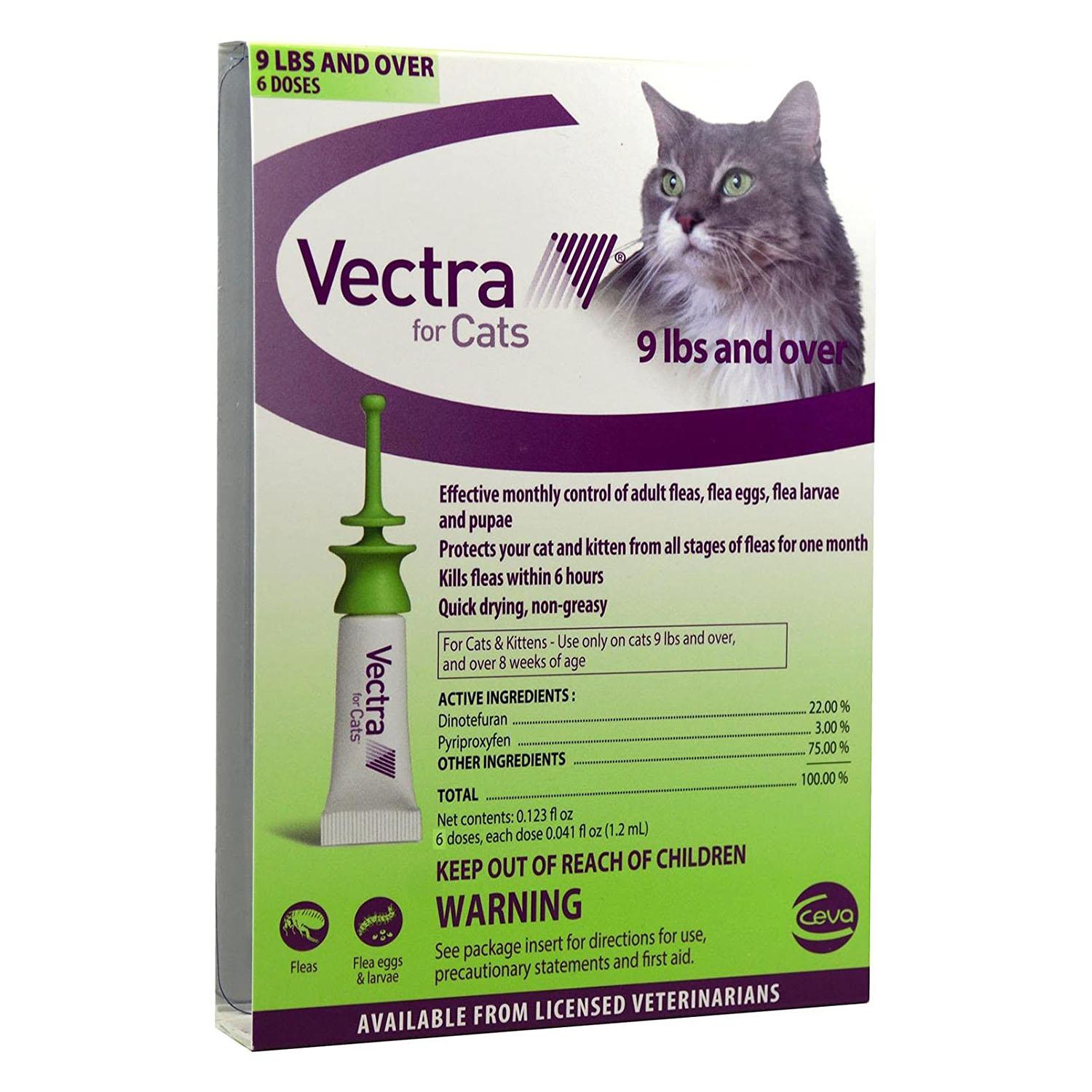
Regular prevention is the best way to keep these pests away. Our cat flea and tick collection offers options for helping manage common household pest concerns. Many of these effective treatments require a prescription from your veterinarian. Keeping your cat on a year-round preventive schedule ensures they stay comfortable and flake-free.
For additional information, see how flea collars work.
Bottom line: Parasites like mites and fleas can mimic or cause dandruff, and professional-grade preventives are the most effective way to manage these risks.
Allergies and Skin Infections
Cats can suffer from allergies just like people do. When a cat's immune system overreacts to a substance, the skin is often the place where the symptoms manifest. This irritation leads to inflammation and flaking.
Food Sensitivities
If your cat is sensitive to a specific protein or ingredient in their food, their skin may become itchy and flaky. You might notice them scratching their ears or over-grooming their belly. In these cases, a veterinarian might recommend a prescription diet or a limited-ingredient food to help identify the trigger.
Environmental Allergies
Pollen, dust, mold, and even certain household cleaners can cause allergic reactions in cats. This is often called atopy. It can be difficult to pinpoint the exact cause, but your vet can help with testing or medications to manage the itch.
Bacterial and Fungal Infections
Sometimes, the dandruff is a side effect of a skin infection. Ringworm, which is actually a fungus and not a worm, is a common cause of circular patches of hair loss and flaky skin. Bacterial infections can also occur, especially if a cat has been scratching and has broken the skin. These conditions require specific medications, such as antifungals or antibiotics, which can be filled through our pet pharmacy once your vet provides a prescription.
| Condition | Common Appearance | Primary Sign |
|---|---|---|
| Dry Skin | Small, consistent white flakes | Minimal itching, worse in winter |
| Walking Dandruff | Moving white specks | Intense itching, highly contagious |
| Ringworm | Circular patches, scaly skin | Hair loss, red edges |
| Flea Allergy | Flakes plus black specks | Scabs near the tail, scratching |
The Role of Proper Nutrition
The quality of the food your cat eats has a direct impact on the health of their skin. The skin is the largest organ in a cat's body, and it requires a significant amount of protein and specific fats to maintain its barrier function.
Omega Fatty Acids
Omega-3 and Omega-6 fatty acids are essential for skin health. They help maintain the moisture barrier and reduce inflammation. If a cat's diet is low in these healthy fats, their skin can become dry and prone to flaking. Many high-quality cat foods already include these, but some cats benefit from an additional supplement.
Complete and Balanced Diets
We carry a wide selection of premium brands at BaxterBoo, such as Farmina, The Honest Kitchen, and Stella and Chewy's, which prioritize high-quality ingredients. You can browse our selection of Farmina and The Honest Kitchen products when comparing food options for your cat.
A diet rich in animal-based proteins and essential vitamins like Vitamin A and Zinc supports the constant regeneration of skin cells.
Transitioning to New Food
If you decide to change your cat's diet to support their skin, remember to do it slowly.
Step 1: Mix 25 percent of the new food with 75 percent of the old food for two days.
Step 2: Move to a 50/50 mix for the next two days.
Step 3: Increase to 75 percent new food for another two days.
Step 4: Transition to 100 percent of the new food once your cat is comfortable.
For a moisture-rich option, consider a food such as Feline Natural Grain Free Wet Cat Food.
Key Takeaway: Skin health starts with nutrition, specifically through a balance of high-quality proteins and omega fatty acids that support the skin's moisture barrier.
Underlying Medical Conditions
In some instances, dandruff is a secondary symptom of a more serious internal health problem. When a cat's body is struggling with a systemic disease, it often diverts nutrients away from the skin and coat to support vital organs.
Hyperthyroidism
This is a common condition in middle-aged and senior cats. An overactive thyroid speeds up the cat's metabolism, which can lead to weight loss, increased appetite, and a very greasy or matted coat with significant dandruff.
Diabetes Mellitus
Cats with diabetes often have poor skin quality. Because their bodies cannot properly process glucose, their skin and coat health can suffer. You may also notice they are drinking much more water and using the litter box more frequently.
Kidney Disease
As kidneys become less efficient at filtering waste, a cat can become chronically dehydrated. As we discussed earlier, dehydration is a fast track to flaky skin. A dull, dry coat is often one of the first things a veterinarian looks for during a senior cat exam.
Vet Tip: If your cat has dandruff along with changes in appetite, thirst, or bathroom habits, please consult your veterinarian. These can be signs of systemic issues like diabetes or kidney disease that require a professional treatment plan and potentially prescription medications.
Practical Steps to Manage Dandruff at Home
While you wait for a vet appointment or if your vet has confirmed the dandruff is a minor issue, there are several things you can do at home to help your cat feel better.
Regular Brushing
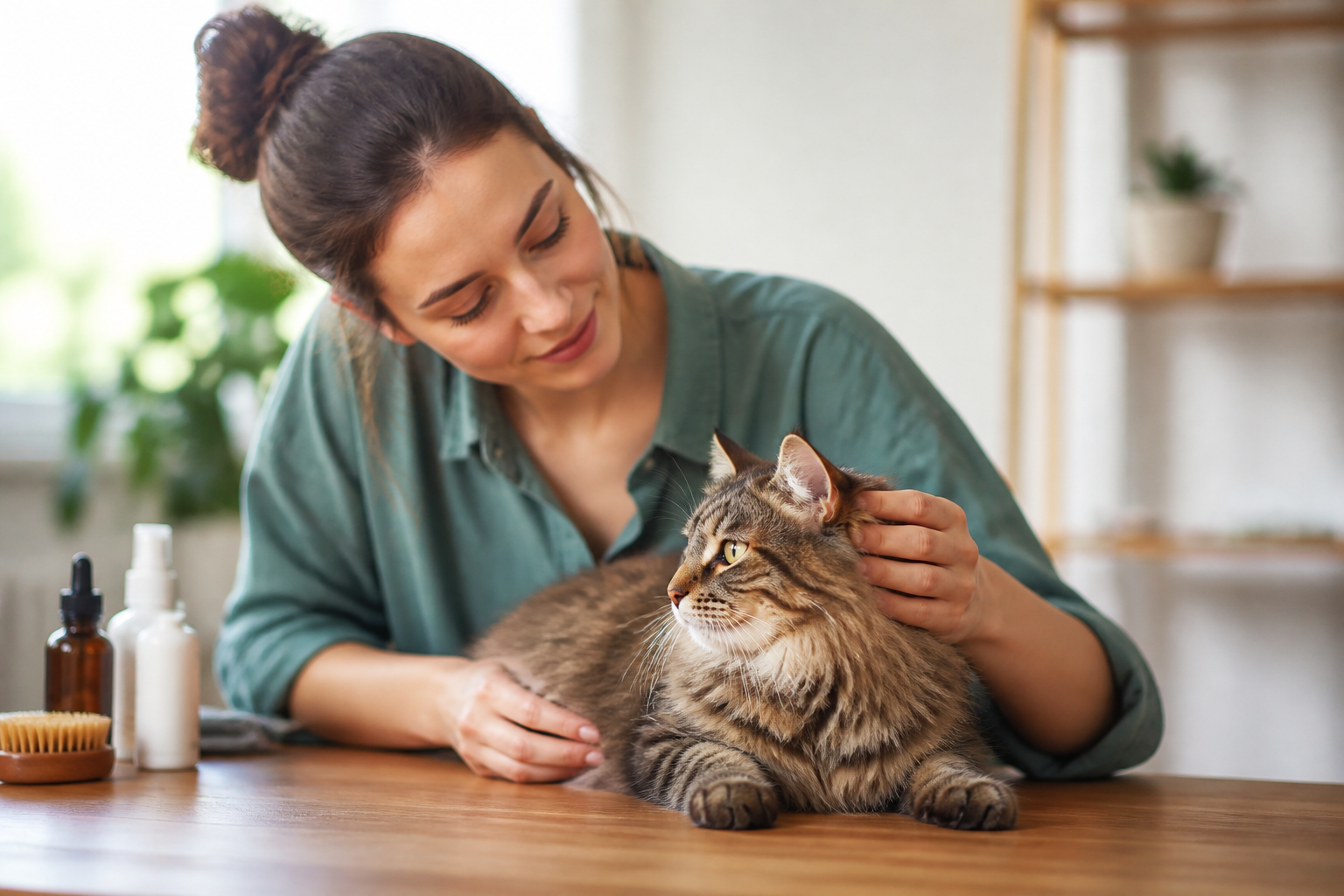
This is the most effective way to manage flakes. Brushing removes the dead skin before it can clump together and move oils through the coat. For long-haired cats, this may need to be a daily task. Short-haired cats can usually be brushed once or twice a week. Explore our cat grooming supplies for brushes, combs, wipes, and other grooming tools.
Gentle Grooming Wipes
If your cat is not a fan of water, grooming wipes are a great alternative to a full bath. They can help remove surface allergens and excess flakes without the stress of a tub. Look for wipes that are fragrance-free and formulated specifically for cats to avoid irritating their sensitive skin.
Evaluating the Home Environment
Check where your cat sleeps. If they love a particular bed, make sure it is washed regularly in a pet-safe, unscented detergent. This reduces the buildup of old skin cells and potential allergens that could be making the flaking worse.
Bottom line: Consistent brushing and maintaining a clean environment are the most effective home remedies for managing simple, non-medical dandruff.
When a Bath is Necessary
Most cats do not need regular baths because they are so good at cleaning themselves. However, if your cat has a skin infection or a very greasy coat, your vet might recommend a medicated shampoo.
When bathing a cat, always use lukewarm water. Water that is too hot can further dry out the skin and make the dandruff worse. Be sure to use a shampoo formulated specifically for cats. Human shampoos have a different pH level and can strip away the essential oils your cat needs. Always rinse thoroughly, as leftover soap residue can cause even more itching and flaking.
For more reading on protecting pets from parasites, see this guide to flea and tick prevention.
Supporting Your Cat Through Every Life Stage
As your cat ages, their needs will change. A kitten's skin might flake because they are still learning how to groom, while a senior cat might need your help due to mobility issues. We are committed to providing the products and expertise you need for every step of that journey.
Whether you need to pick up a new slicker brush, a high-quality skin and coat supplement, or a bag of premium food, we have you covered. For those managing chronic conditions that require specific medications or prescription diets, the BaxterBoo pharmacy partnership with Pet's Choice is here to help make those essentials easy to access. You can also simplify recurring food and care purchases through our Autoship programme.
By staying observant and proactive about your cat's skin health, you can ensure they remain comfortable and their coat stays as beautiful as ever. Most cases of dandruff are easy to manage once you identify the underlying cause, and your cat will certainly appreciate the extra care and attention.
FAQ
Is it normal for cats to have a little bit of dandruff?
A very small amount of occasional flaking can be normal, especially during seasonal changes when the air gets dry. However, if you see large patches of flakes, or if the flaking is accompanied by itching, redness, or hair loss, it usually indicates an underlying issue. It is always best to monitor your cat's behavior and grooming habits to see if the dandruff is a new or worsening problem.
Can I use human dandruff shampoo on my cat?
No, you should never use human dandruff shampoo on a cat unless specifically instructed by a veterinarian. Human products are formulated for our skin's pH and often contain ingredients that are toxic to cats if ingested during grooming. Always use products labeled specifically for felines to ensure they are safe and effective for your pet's unique needs.
Does my cat's weight affect their dandruff?
Yes, weight plays a significant role in skin health because overweight cats often cannot reach their entire body to groom. The lower back and base of the tail are common spots for dandruff to accumulate when a cat has limited mobility. Helping your cat maintain a healthy weight and assisting them with daily brushing can significantly reduce these flakes.
How can I tell the difference between dandruff and fleas?
Dandruff appears as white or gray flakes of skin, while flea dirt looks like tiny grains of black pepper. If you are unsure, you can place some of the dark specks on a wet white paper towel; if they turn reddish-brown, it is flea dirt (digested blood). Regardless of which one you see, regular flea prevention is a vital part of maintaining your cat's skin health and comfort.






- Site & Contents BaxterBoo.com. BaxterBoo is located in the United States.
- Privacy & Security
- Terms of Use
- Accessibility Statement
