Save 15% on your 1st Autoship learn more

 Email us
 Live Chat
 FAQs
FAQs





Introduction
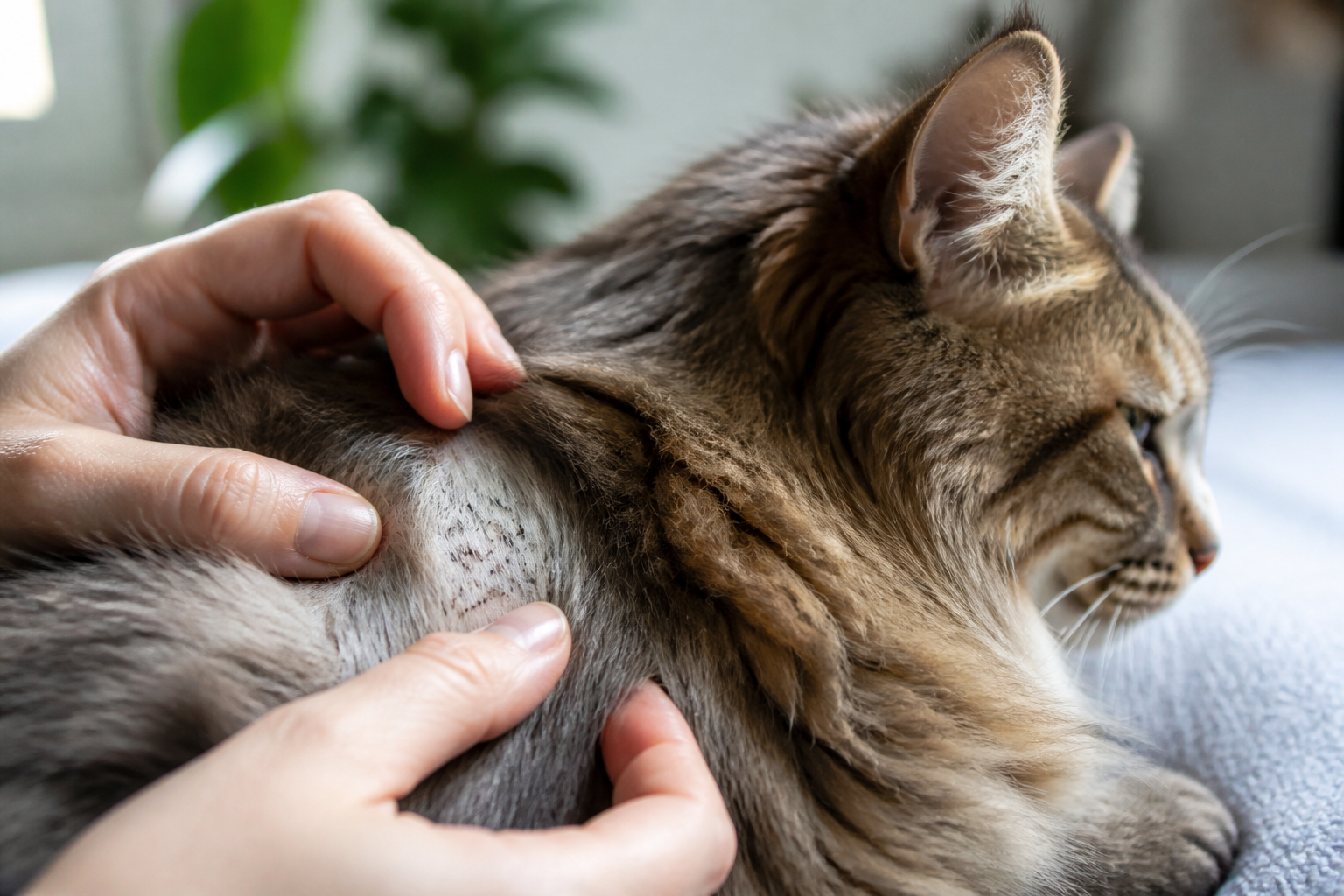
You are relaxing on the sofa with your cat when you notice something unusual. As you run your hand through their coat, you see tiny, gritty black specks nestled against the skin. Your first thought is likely fleas. However, after a thorough check, you find no hopping insects or red bites. This discovery can be confusing and a little unsettling for any pet owner. At BaxterBoo, we know how much you care about your cat's comfort and health. Seeing these "black pepper" flakes often leads to a frantic search for answers. This post explores why your cat might have dark debris in their fur when parasites are not the culprit. We will look at feline acne, environmental dirt, and certain mites that can mimic the look of flea dirt. Understanding these causes helps you provide the right care for your feline friend.
Quick Answer: If the black specks do not turn red when placed on a wet paper towel, they are likely not flea dirt. Common causes include feline acne (especially on the chin), environmental debris like soil or soot, or skin conditions like seborrhea.
The First Step: The Water Test
Before you look at other causes, you must be absolutely certain that the specks are not flea dirt. Flea dirt is actually the waste produced by fleas, and it consists mainly of digested blood. It is the most common reason for black grit in a cat's coat.
To perform the water test, follow these steps:
Step 1: Use a fine-toothed flea comb to collect some of the black specks from your cat's fur.
Step 2: Place the debris onto a clean, white paper towel.
Step 3: Add a few drops of water directly onto the specks and wait about thirty seconds.
If the specks begin to dissolve and leave a reddish or rusty brown stain, it is flea dirt. The red color is the blood the flea consumed. If the specks remain black or brown and do not change color, you are dealing with something else.
Key Takeaway: The water test is the most reliable way to distinguish between flea waste and other types of debris. Always start here to rule out a hidden infestation.
For additional prevention ideas, read our guide to flea and tick prevention products.
Feline Acne and the "Pepper Chin"
One of the most frequent causes of black specks on a cat is feline acne. While we often think of acne as a human issue, cats can develop it too. It most commonly appears on the chin and around the lower lip. Owners often describe it as looking like their cat has been eating black pepper or has dirt stuck in their fur.
Feline acne occurs when the hair follicles become clogged with excess keratin and sebum. Keratin is a protein found in the skin, and sebum is the natural oil cats produce. When these get trapped, they form blackheads, also known as comedones. These blackheads look like tiny black dots or grit.
Several factors can contribute to this condition:
- Plastic Food Bowls: Plastic is porous and can harbor bacteria in tiny scratches. When your cat's chin rubs against the bowl, it can trigger an inflammatory response or infection.
- Poor Grooming: Some cats are less diligent about cleaning their chin area, leading to oil buildup.
- Stress: High stress levels can affect a cat's immune system and skin health.
- Overactive Sebaceous Glands: Some cats simply produce more oil than others.
If the acne is mild, it might just look like black specks. If it becomes infected, you might see redness, swelling, or even small pustules.
Vet Tip: If your cat's chin appears swollen or has open sores, consult your veterinarian. They may need to prescribe medicated cleansers or antibiotics through our pet pharmacy to clear up an infection.
Walking Dandruff: The Cheyletiella Mite
Sometimes what looks like black specks or dark dandruff is actually a sign of a parasite that is not a flea. Cheyletiella mites cause a condition known as "walking dandruff." These mites are tiny, but they are large enough to be seen with the naked eye if you look closely.
These mites live on the surface of the skin and spend their entire life cycle on the animal. They are highly contagious and can spread between cats, dogs, and rabbits. They produce a lot of skin scaling and flaking. While the flakes themselves are usually white, the movement of the mites underneath the scales can make the debris look like it is shifting or moving. In some light, or if the cat has a darker coat, the debris and the mites together can appear as dark or greyish specks.
If your cat has walking dandruff, they will likely be very itchy. You might notice them scratching their back and neck frequently. This condition requires specific antiparasitic treatment. Since these mites can also temporarily bite humans, it is important to address the issue quickly.
Environmental Dirt and Debris
We often forget that cats are natural explorers. Even indoor cats find ways to get into dusty corners. If you see black specks, consider where your cat has been lately.
Outdoor cats are prone to picking up actual dirt, garden soil, or mulch. These particles can get trapped deep in the undercoat, especially in long-haired breeds. For indoor cats, check for these common environmental sources:
- Fireplaces: If you have a wood-burning stove or fireplace, your cat might have picked up tiny bits of soot or ash.
- Houseplants: Cats love to dig in potting soil. Small pieces of dried dirt or peat moss can look like black grit.
- Dusty Basements: Unfinished areas of a home can have dark dust or old insulation particles that cling to fur.
- New Furniture or Rugs: Sometimes new textiles shed small dark fibers or manufacturing dust.
To check for environmental dirt, simply give your cat a bath or use a damp cloth to wipe the area. If the specks come off easily and do not return, it was likely just a messy adventure.
For more ways to support an indoor or outdoor cat, explore these quality-of-life tips for cats.
Seborrhea and Oily Skin Issues
Dandruff is usually thought of as white flakes, but in cats, skin conditions can sometimes result in darker debris. Seborrhea is a condition where the skin's sebaceous glands produce too much oil. This is known as seborrhea oleosa.
When a cat has oily seborrhea, the excess oil can clump skin cells together. These clumps can trap dirt and dust from the environment, turning them into dark, waxy specks. You will often find this along the base of the tail or the lower back. This area has a high concentration of oil glands.
You can often identify seborrhea by the texture of the coat. If the fur feels greasy to the touch or has a distinct "doggy" odor (which is unusual for cats), an oil imbalance is likely. This can be caused by:
- Hormonal Imbalances: Conditions like hyperthyroidism can affect skin health.
- Nutritional Deficiencies: A lack of Omega-3 fatty acids can lead to poor skin barrier function.
- Allergies: Environmental or food allergies can cause the skin to overproduce oil as a protective measure.
Key Takeaway: Oily skin can trap environmental dust, creating dark flakes that look like grit. Regular grooming and a high-quality diet are the first lines of defense against seborrhea.
For products designed to support your cat’s coat and skin-care routine, browse our cat skin and coat care selection.
The Role of Nutrition in Skin Health
The quality of your cat's coat is a direct reflection of their internal health. If the skin is dry or overly oily, it will produce flakes that can be mistaken for black specks. A balanced diet provides the building blocks for a healthy "acid mantle," which is the thin, protective layer on the surface of the skin.
We recommend looking for foods that are rich in essential fatty acids. Omega-3 and Omega-6 fatty acids are crucial for maintaining the moisture barrier. Brands like Farmina, Royal Canin, and Stella and Chewy’s offer formulations specifically designed to support skin and coat health. You can compare options in our cat food category or browse our selection of Stella & Chewy's products.
If your cat is struggling with chronic dandruff or skin irritation, your vet might suggest a prescription diet. These diets often use hydrolyzed proteins to reduce allergic reactions or higher levels of specific vitamins like Biotin and Zinc. Our pharmacy can help you fulfill these prescription food orders, ensuring your cat gets exactly what the doctor ordered.
Practical Steps for Managing Black Specks
Once you have ruled out fleas using the water test, you can take practical steps at home to manage the issue. Most cases of non-flea black specks can be resolved with a few changes to your daily routine.
Switch Your Bowls
If the specks are concentrated on the chin, the very first thing you should do is throw away any plastic food or water bowls. Replace them with stainless steel, ceramic, or glass options. These materials do not have the microscopic pores that trap bacteria. We suggest washing these bowls daily in hot, soapy water or the dishwasher.
Improve Your Grooming Routine
Regular brushing is essential for moving natural oils across the skin and removing dead cells before they clump.
- Short-haired cats: Use a soft bristle brush or a rubber grooming mitt once or twice a week.
- Long-haired cats: Use a slicker brush and a metal comb daily to prevent mats and clear out debris.
- Specific Areas: Pay extra attention to the chin and the base of the tail, as these are "hot spots" for oil and acne.
You can find brushes, combs, wipes, and other tools in our cat grooming category.
Manage Humidity
During the winter months, indoor air becomes very dry. This can zap the moisture from your cat's skin, leading to increased flaking. Using a humidifier in the rooms where your cat spends the most time can make a significant difference.
Use Specialized Cleansers
For mild feline acne, you can gently wipe the chin with a soft cloth dipped in warm water. Some owners find success with very mild, vet-approved antiseptic wipes. Do not use human acne medications, as these are often toxic to cats or too harsh for their delicate skin.
Bottom line: Simple changes like switching to ceramic bowls and increasing grooming frequency can resolve many cases of black specks.
When the Specks Mean a Visit to the Vet
While many causes of black grit are minor, some require professional medical intervention. It is important to know when home care is not enough. You should schedule a veterinary appointment if you notice any of the following:
- Inflammation: The skin under or around the specks is bright red, hot to the touch, or swollen.
- Bleeding or Oozing: If the "acne" spots are bleeding or producing pus, your cat likely has a secondary bacterial infection.
- Significant Hair Loss: Patches of missing fur combined with black specks can indicate mites, ringworm, or severe allergies.
- Lethargy or Loss of Appetite: If your cat is acting "off" or stops eating, the skin issue may be a symptom of a systemic problem like an endocrine disorder.
- Excessive Itching: If your cat is scratching so hard they are breaking the skin, they need immediate relief that only a professional can provide.
Your veterinarian can perform a skin scraping or a "tape prep" to look at the debris under a microscope. This is the only way to definitively diagnose mites like Cheyletiella or to identify specific types of bacteria and yeast.
If your vet determines that a medical treatment is necessary, remember that we can help. Our cat pharmacy carries a wide range of FDA-approved medications, from topical flea and tick preventives (just in case) to medicated shampoos and oral antibiotics.
Maintaining a Healthy Coat for Life
Preventing black specks and dandruff is an ongoing process of care. At BaxterBoo, we believe that a proactive approach is always better than a reactive one. By staying consistent with grooming and nutrition, you can keep your cat's skin resilient.
We suggest joining our MVP Rewards programme to earn points on the high-quality foods and grooming tools you use every day. If you find a food or supplement that works well for your cat's skin, our Autoship programme is a great way to ensure you never run out, while also saving on every order.
A glossy, flake-free coat is more than just a sign of beauty; it is a sign that your cat is thriving. Whether you are dealing with a little bit of "pepper chin" or just want to upgrade your grooming kit, we are here to support you with products we trust and expert advice you can use.
Key Takeaway: A combination of high-quality nutrition, regular grooming, and the right veterinary support is the secret to a healthy, speck-free cat.
Summary of Potential Causes
| Cause | Primary Location | Appearance | Treatment Type |
|---|---|---|---|
| Feline Acne | Chin and lower lips | Black "pepper" grit | Ceramic bowls, cleaning |
| Flea Dirt | Base of tail, neck | Dark specks that turn red | Flea preventives |
| Mites | Back and shoulders | Moving or shifting flakes | Antiparasitics |
| Environmental | Anywhere on coat | Dust, soil, or soot | Bathing or wiping |
| Seborrhea | Lower back, tail | Waxy, dark clumps | Diet and supplements |
FAQ
Why does my cat have black specks on their chin but no fleas?
This is almost certainly feline acne. It happens when hair follicles on the chin get clogged with oil and keratin, forming blackheads. It is often triggered by bacteria in plastic food bowls or poor grooming habits in that specific area. Switching to stainless steel or ceramic bowls and gently cleaning the chin can usually clear it up.
Can indoor cats get black specks that aren't dirt?
Yes, indoor cats can develop feline acne, skin infections, or even pick up mites like Cheyletiella from other pets or visiting animals. They can also get "walking dandruff" mites that may be brought into the home. Even without going outside, they may find dust or soot in fireplaces and hidden corners that look like black grit in their fur.
How do I tell the difference between flea dirt and feline acne?
Location and the water test are the two best methods. Flea dirt is usually found at the base of the tail or neck and will turn red when placed on a wet paper towel. Feline acne is almost exclusively located on the chin and lips and will stay black or brown during the water test because it does not contain blood.
Are the black specks in my cat's fur contagious to me?
It depends on the cause. If the specks are feline acne or environmental dirt, they are not contagious. However, if the specks are caused by Cheyletiella mites (walking dandruff), these parasites can temporarily bite humans and cause an itchy rash. If you suspect mites, it is important to visit a vet and wash your bedding in hot water.