Save 15% on your 1st Autoship learn more

 Email us
 Live Chat
 FAQs
FAQs





Introduction
You are petting your cat when you notice a dusting of white flakes along their lower back. On a dark coat, these tiny specks stand out immediately. While it might look like a simple cosmetic issue, flaky skin can be itchy and uncomfortable for your feline friend. At BaxterBoo, we know that healthy skin starts from the inside out and requires the right routine on the outside. This article explores the common causes of feline flakes and provides a practical dandruff cat treatment plan. We will cover grooming habits, nutritional shifts, and when it is time to call the veterinarian for a professional opinion. Understanding the root cause is the first step toward restoring your cat's sleek and shiny coat.
Quick Answer: Cat dandruff treatment typically involves increasing humidity, improving grooming habits, and adding Omega-3 fatty acids to the diet. If flakes are accompanied by itching or redness, a vet visit is necessary to rule out parasites or infections.
What Exactly Is Cat Dandruff?
Many owners use the terms dander and dandruff interchangeably, but they are quite different. Dander is a normal and healthy occurrence. It consists of microscopic skin cells that shed naturally as the skin renews itself. Because these particles are so small, you usually cannot see them on your cat's fur.
Dandruff is a visible accumulation of dead skin cells. These flakes are often accompanied by dry skin or an overproduction of skin oils. When the skin's natural cycle is disrupted, cells shed more rapidly and clump together. This creates the white specks you see on your cat's back or bedding.
Visible flakes are usually a signal that something in the environment or the cat's health needs attention. While a few flakes might appear during a seasonal change, persistent dandruff often points to an underlying issue. This could be as simple as dry winter air or as complex as a metabolic disorder.
Common Environmental Causes
The air inside your home plays a major role in your cat's skin health. During the winter, forced air heating systems strip moisture from the environment. This dry air can cause the skin to lose its natural hydration, leading to cracks and flaking.
Low humidity is one of the most frequent triggers for mild dandruff. If your cat spends a lot of time near heat vents, their skin may become particularly dry in those areas. You might notice the flakes are more prominent on the lower back and the base of the tail.
Stress is another environmental factor that impacts skin quality. When a cat is stressed, their body produces hormones that can affect the health of their coat. You might see a sudden "explosion" of dandruff after a vet visit or a move to a new home. This is often a temporary reaction, but it shows how closely skin health is linked to overall well-being.
Bottom line: External factors like dry indoor air and stress are leading causes of occasional skin flaking in healthy cats.
Grooming Habits and Physical Limitations
Cats are famous for their meticulous grooming. A healthy cat spends a large portion of their day cleaning their fur. This process does more than just keep them clean. It also removes dead skin cells and distributes natural oils across the coat.
When a cat stops grooming effectively, dandruff starts to build up. This is very common in older cats or those with physical limitations. Two of the most common reasons for poor grooming include:
Obesity and Mobility Issues
If a cat is carrying extra weight, they simply cannot reach every part of their body. You will often see a thick layer of dandruff and greasy fur along the spine and the base of the tail. These are the hardest spots for an overweight cat to reach. Similarly, cats with arthritis may find the twisting and stretching of grooming too painful.
Oral Health Problems
Grooming requires a healthy mouth. If a cat has dental disease or oral inflammation, using their tongue to clean themselves can be painful. You might notice a dull coat and flakes because the cat is avoiding their usual cleaning routine.
Vet Tip: If you notice your cat has stopped grooming a specific area, consult your veterinarian. This change in behavior often indicates underlying pain from arthritis or dental issues that require professional care.
Practical Dandruff Cat Treatment at Home
Once you have identified that your cat has dry skin, you can start a consistent treatment routine. Most cases of mild dandruff respond well to simple changes in the home environment and grooming schedule.
Increasing Indoor Humidity
Adding moisture to the air is a great first step. Placing a humidifier in the room where your cat sleeps can prevent their skin from drying out during the winter. You do not need to humidify the whole house. Just focusing on their favorite nap spots can make a big difference.
Regular Brushing Sessions
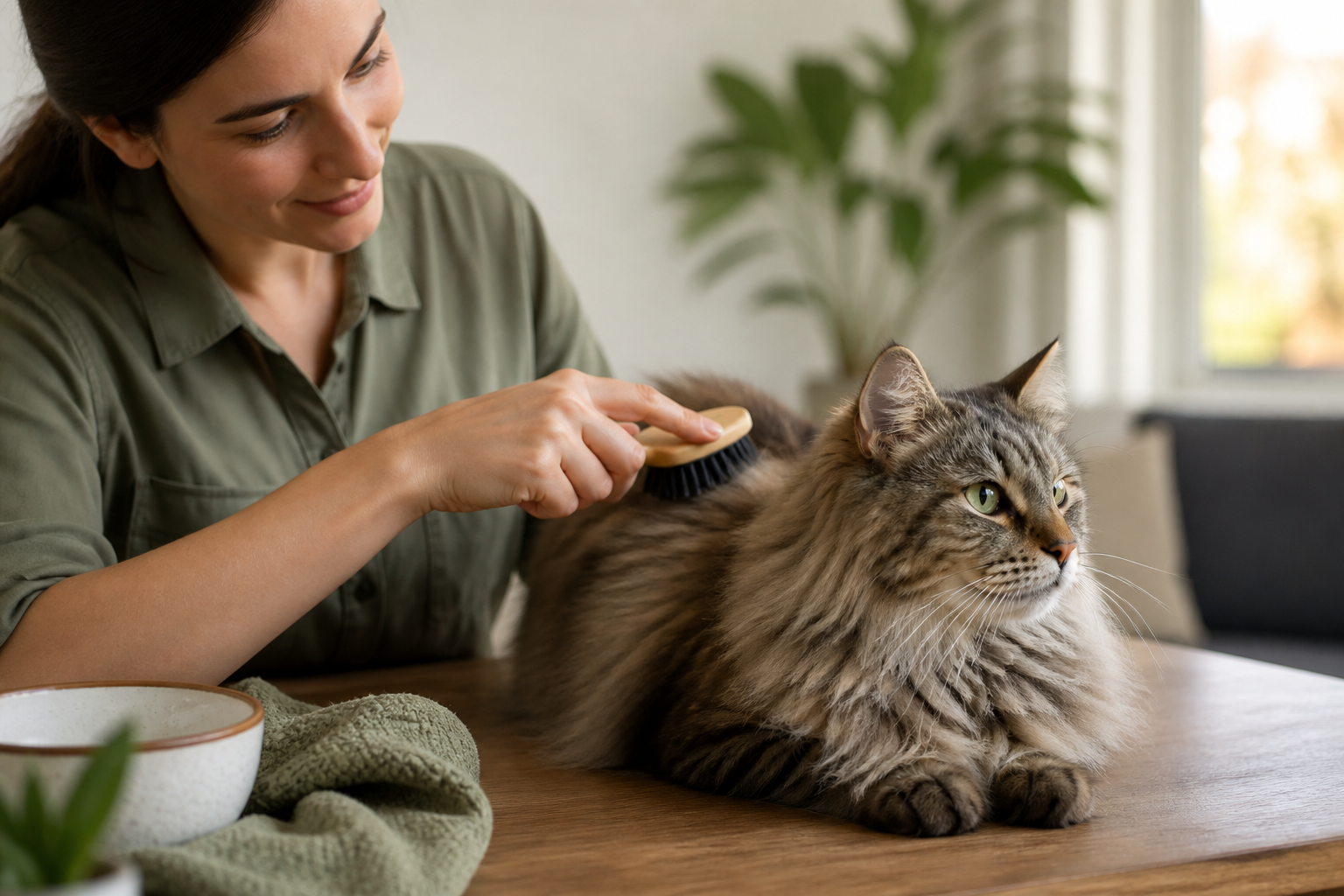
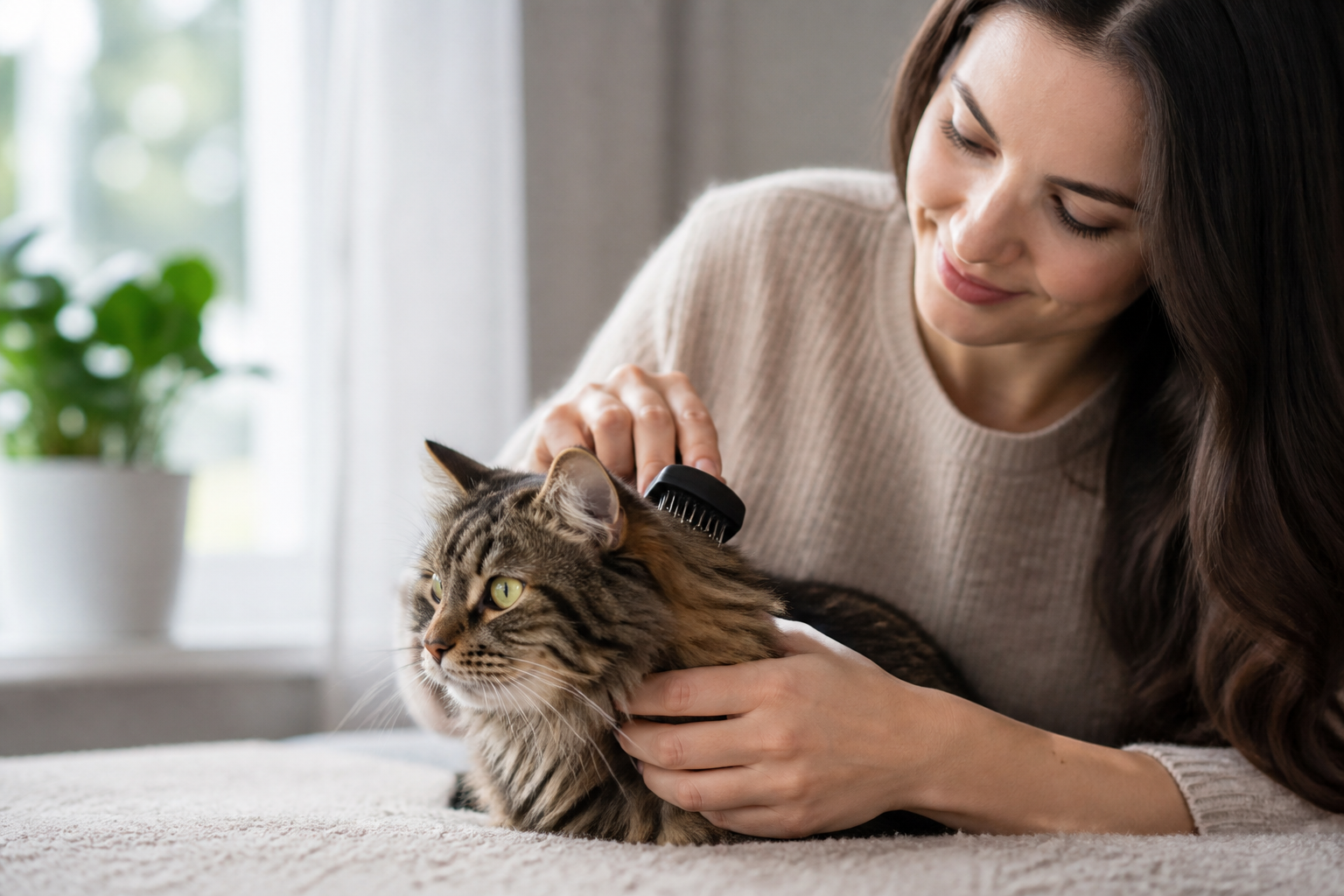
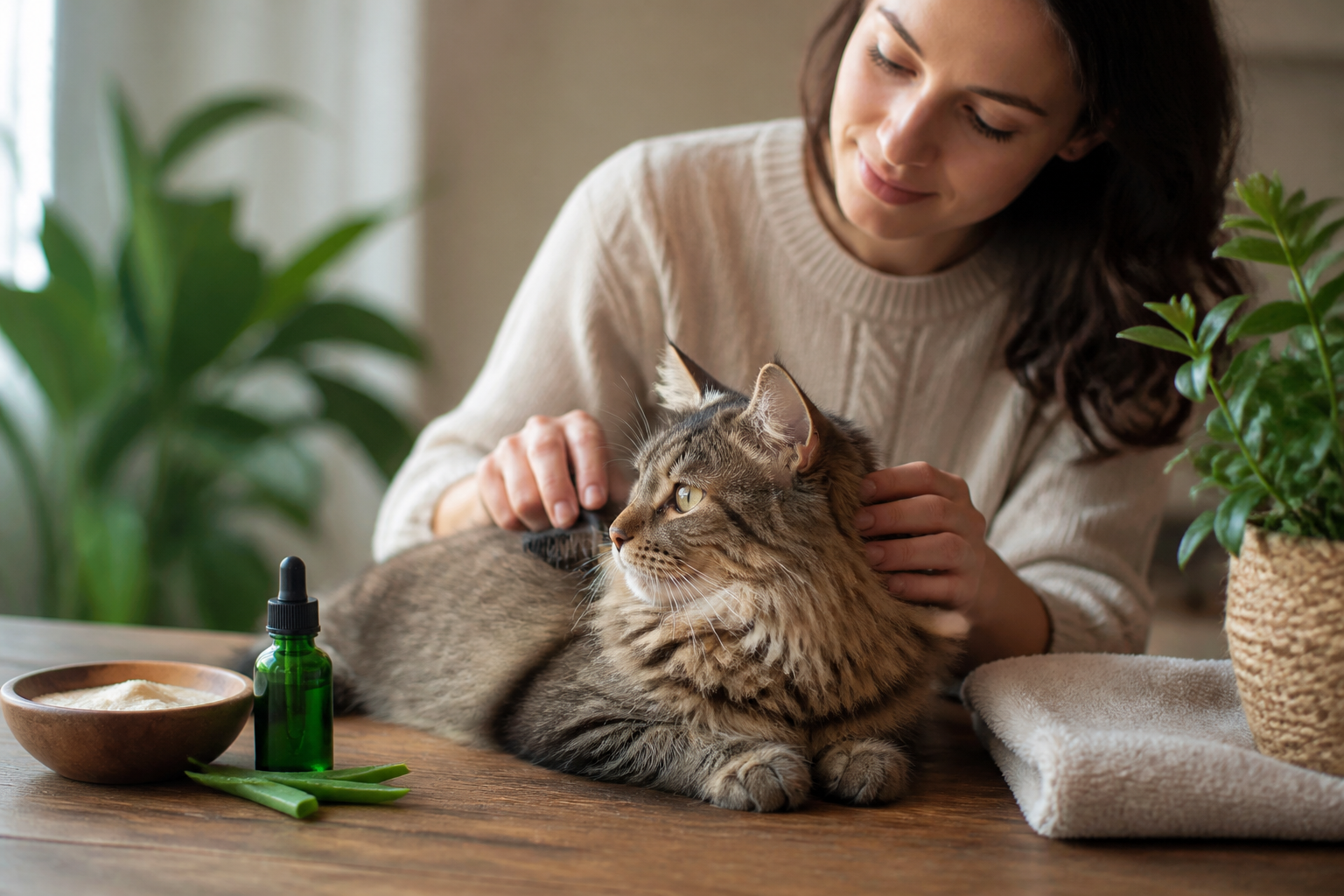
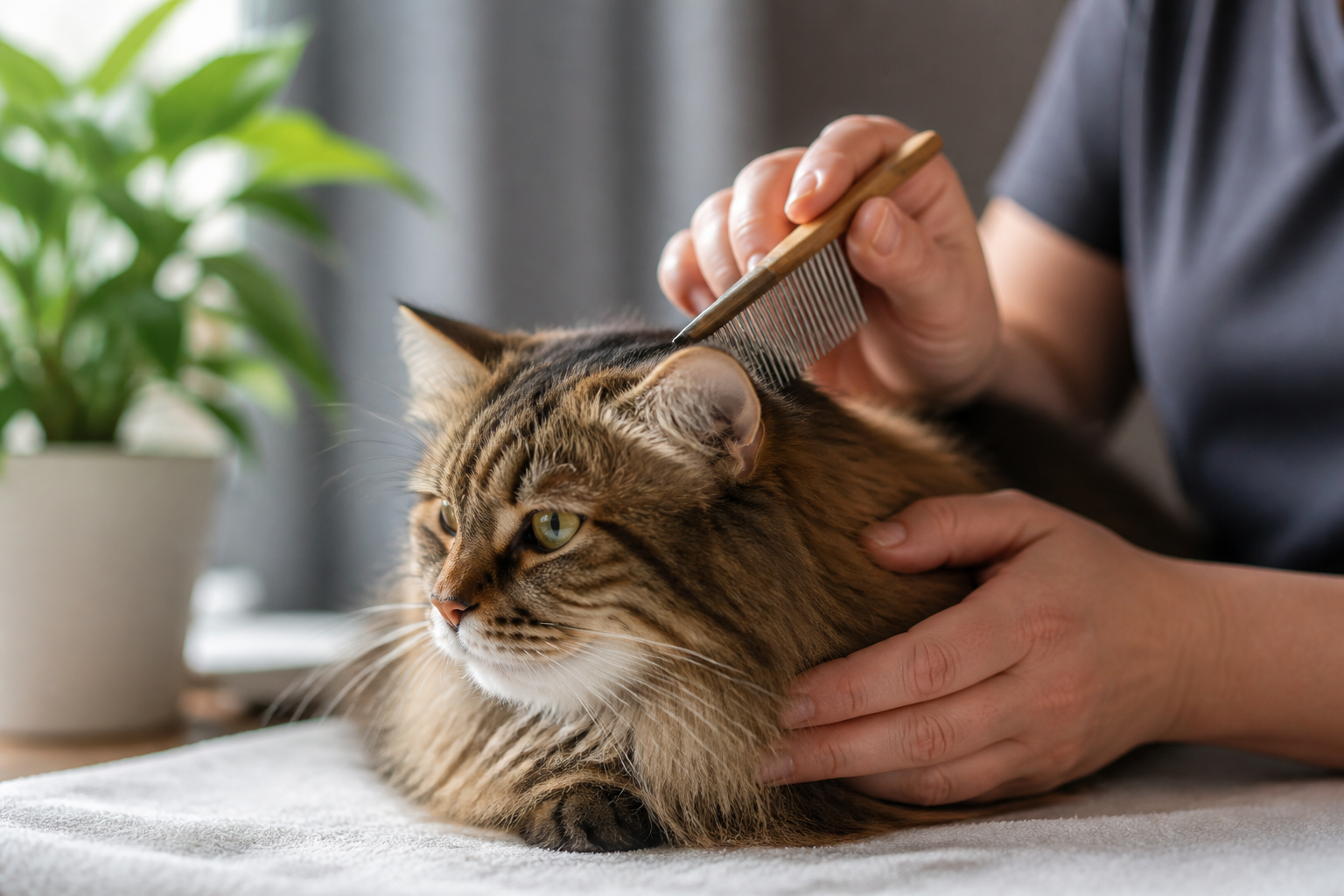
If your cat cannot groom themselves well, you must step in. Brushing helps move natural oils from the skin surface down the hair shaft. This moisturizes the coat and manually removes dead skin cells before they clump into visible flakes. You can find brushes, combs, and other tools in our cat grooming collection.
- For short-haired cats: Use a soft bristle brush or a grooming mitt twice a week.
- For long-haired cats: Use a stainless steel comb or a slicker brush daily to prevent mats and remove trapped flakes.
- Be gentle: Dry skin can be sensitive. Use light strokes to avoid irritating the skin further.
Improving Hydration
Cats are notoriously poor drinkers. Since skin hydration starts from within, encouraging your cat to consume more water is essential. Many cats prefer running water over a still bowl. Switching to a pet fountain can entice them to drink more frequently.
We also suggest adding wet food to their diet. Canned food has a much higher moisture content than dry kibble. This extra hydration helps keep the skin supple and less prone to flaking. Explore our cat food selection for moisture-rich meal options.
The Role of Nutrition and Supplements
The quality of the food you put in the bowl directly affects the quality of the coat. Skin cells require specific nutrients to maintain a strong barrier. If a diet is low in essential fats, the skin will likely become dry and flaky.
Omega-3 Fatty Acids
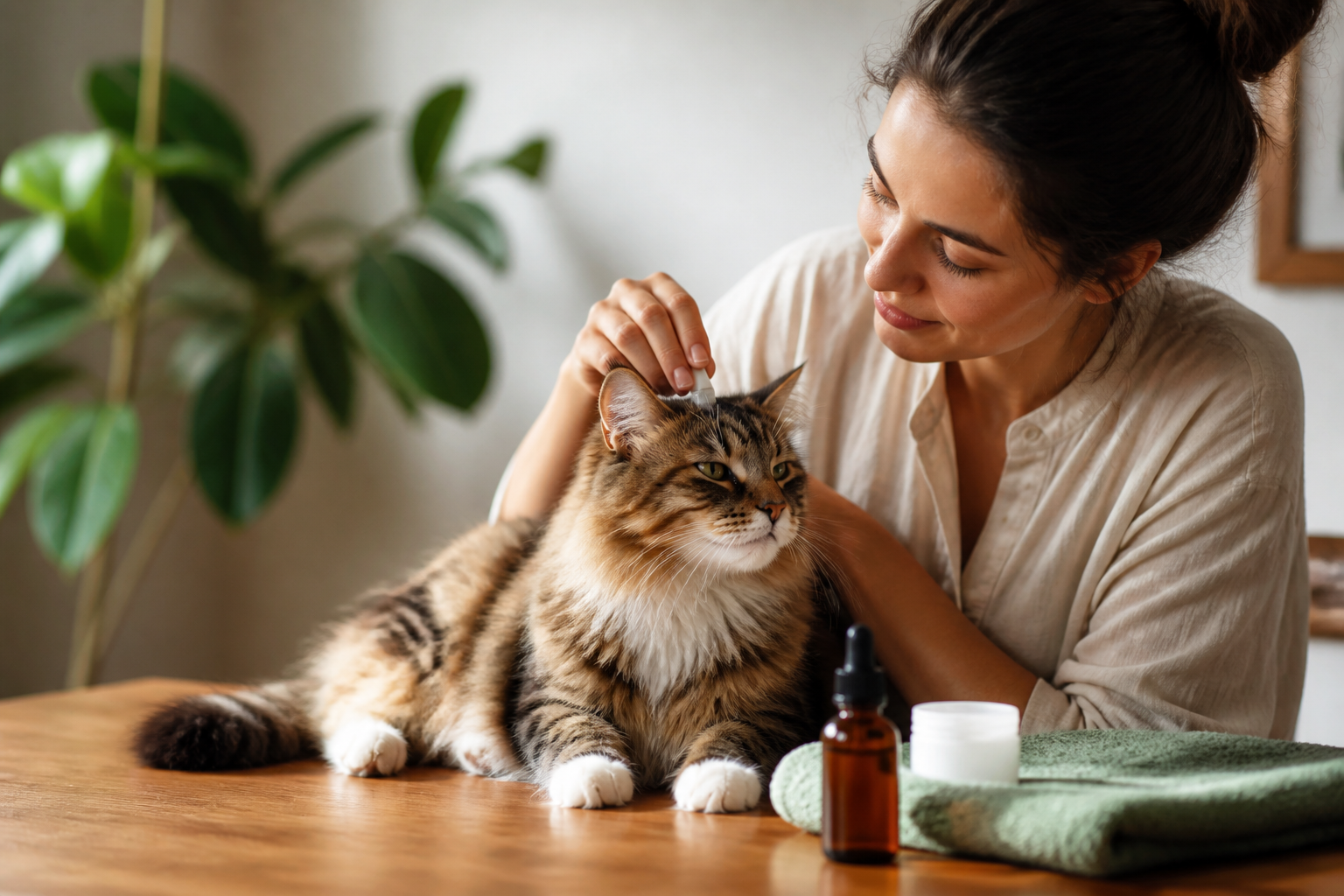
Omega-3 fatty acids, often found in fish oil, are a cornerstone of dandruff cat treatment. These healthy fats reduce inflammation and help the skin retain moisture. Supplements like those from Zesty Paws or Grizzly Salmon Oil can be easily pumped onto your cat's food. Browse our cat healthcare products for supplements and skin-and-coat support options.
High-Quality Proteins
The coat is made almost entirely of protein. If a cat is not getting enough high-quality protein, their body will prioritize internal organs over skin and fur. Look for foods that list a specific meat source as the first ingredient, such as those from brands like Farmina or Orijen.
Transitioning to a New Food
If you decide to change your cat's diet to support their skin, do it slowly. A sudden change can cause stomach upset.
- Step 1: Mix 25 percent of the new food with 75 percent of the old food for three days.
- Step 2: Move to a 50/50 mix for the next three days.
- Step 3: Use a mix of 75 percent new food and 25 percent old food for the final three days.
- Step 4: Transition completely to the new diet.
Key Takeaway: Proper skin health requires a combination of internal hydration, high-quality protein, and essential fatty acid supplementation.
Parasites and Walking Dandruff
Sometimes, those white flakes are not actually skin. There is a specific type of mite called Cheyletiella that is often mistaken for ordinary dandruff. This condition is nicknamed "walking dandruff" because if you look closely, you can see the flakes moving. These mites live on the skin surface and cause intense itching and scaling.
Fleas can also lead to flaky skin. Many cats have an allergy to flea saliva. A single bite can cause a massive inflammatory reaction, leading to redness, crusting, and heavy flaking. Keeping your cat on a year-round preventive is the best way to avoid these issues.
Our pharmacy offers a wide range of FDA-approved flea and tick preventives through our partnership with Pet's Choice. Many of these effective treatments require a prescription from your veterinarian. If you suspect your cat's dandruff is caused by parasites, your vet can provide a diagnosis and send the prescription directly to us for fulfillment. Browse our cat flea and tick products for preventive options.
When to See the Veterinarian
While most dandruff is a minor issue, it can sometimes be a symptom of a more serious internal health problem. Conditions like hyperthyroidism, diabetes, and kidney disease can all affect skin quality. These metabolic changes often make the coat look dull, greasy, or excessively flaky.
You should schedule a veterinary visit if you notice:
- Extreme itching or over-grooming
- Red, inflamed, or bleeding skin
- Patches of hair loss
- A foul odor coming from the skin
- Changes in thirst or appetite
- Lethargy or weight loss
A veterinarian can perform a skin scraping to check for mites or a fungal culture to rule out ringworm. They may also recommend blood work to ensure your cat's internal organs are functioning correctly. For cats with severe allergies or chronic skin conditions, a prescription diet or specialized medication might be necessary.
Bathing and Topical Treatments
Most cats do not need regular baths. In fact, bathing a cat too often can strip away natural oils and make dandruff worse. However, in cases of greasy dandruff or fungal infections, a medicated bath might be part of the dandruff cat treatment plan.
If your vet recommends a bath, always use a shampoo specifically formulated for cats. Human shampoos have a different pH balance and can be very irritating to feline skin. Look for ingredients like oatmeal, aloe vera, or salicylic acid, which help soothe the skin and loosen flakes.
If your cat absolutely hates water, you can use grooming wipes or waterless foam shampoos. These allow you to clean the fur and add a bit of moisture without the stress of a full bath. Always follow up a cleaning session with a treat to keep the experience positive. For more information about seasonal parasite protection, read our guide to flea and tick prevention products.
Managing Weight for Skin Health
Since obesity is a leading cause of poor grooming and subsequent dandruff, weight management is a vital long-term treatment. Helping your cat reach a healthy weight will allow them to resume their natural grooming routine.
This process usually involves a combination of portion control and increased activity. Use interactive toys to get your cat moving every day. For cats who are significantly overweight, your vet might prescribe a therapeutic weight loss diet. These foods are designed to keep your cat feeling full while providing the high levels of nutrients needed to maintain skin health during weight loss.
You can use our Autoship program to ensure you never run out of your cat's specialized food. This service not only saves you money but also ensures your cat stays on their consistent nutritional path.
Summary of Treatment Steps
Managing cat dandruff is about consistency. Most cats will not see a change overnight. It often takes three to four weeks of a new routine to see a visible improvement in the coat.
- Check for parasites first and maintain monthly prevention.
- Increase moisture in the diet with wet food and fountains.
- Add a daily Omega-3 supplement to support the skin barrier.
- Brush your cat several times a week to distribute oils.
- Use a humidifier during dry winter months.
Key Takeaway: Consistency is the most important part of treating flaky skin. It takes time for new, healthy skin cells to reach the surface and for the coat to reflect improved nutrition.
Conclusion
Dealing with cat dandruff can be frustrating, but most cases are easily managed with a few lifestyle adjustments. By focusing on better nutrition, regular grooming, and environmental moisture, you can help your cat feel much more comfortable. At BaxterBoo, we are committed to providing the supplies and expertise you need to keep your pet's skin healthy and flake-free. Whether you need a new grooming tool, a high-quality supplement, or a prescription treatment from our pharmacy, we are here to support your cat's wellness journey. Start with a thorough brushing and a boost of Omega-3s, and you will likely see those white flakes disappear in no time.
FAQ
Can I use human dandruff shampoo on my cat?
No, you should never use human dandruff shampoo on a cat. These products contain ingredients like zinc pyrithione or selenium sulfide that can be toxic if your cat licks their fur. Always use a shampoo specifically labeled for feline use to ensure the pH balance is safe for their delicate skin.
Why does my cat get more dandruff in the winter?
Winter dandruff is usually caused by low humidity in the home. When you turn on your heater, the air becomes very dry, which pulls moisture out of your cat's skin. Using a humidifier and increasing the frequency of brushing can help counteract these seasonal effects.
Is cat dandruff contagious to humans or other pets?
Ordinary dandruff caused by dry skin or poor grooming is not contagious. However, if the flakes are actually "walking dandruff" mites (Cheyletiella) or ringworm, these can be spread to other pets and even humans. If you suspect a parasite or fungal infection, keep the affected cat separate and see a vet immediately.
Will salmon oil really help with my cat's dandruff?
Salmon oil is highly effective for many cats because it is rich in Omega-3 fatty acids. These fats help strengthen the skin's natural moisture barrier and reduce the inflammation that leads to flaking. Most owners see an improvement in coat shine and a reduction in flakes after about three to four weeks of daily supplementation.