Save 15% on your 1st Autoship learn more

 Email us
 Live Chat
 FAQs
FAQs





Introduction
You are petting your cat and notice small white flakes across their lower back. It looks like salt or tiny bits of paper stuck in their fur. At first, you might think it is just dust from a recent exploration under the sofa. However, if these flakes persist or return after brushing, you are likely looking at dandruff. This common feline skin issue can stem from simple environmental changes or more complex health concerns. At BaxterBoo, we understand that any change in your cat's coat can be a cause for concern. This article explores why these flakes appear, how to distinguish them from other skin issues, and the best ways to restore your cat's glossy coat. Understanding the root cause is the first step toward a happy, comfortable pet.
Quick Answer: Cat dandruff is the visible buildup of dead skin cells that flake off into the fur. It is often caused by low humidity, poor grooming, or nutritional gaps, but it can also signal underlying medical issues like parasites or allergies.
What Exactly Is Cat Dandruff?
Dandruff is the common term for seborrhea sicca. This occurs when the sebaceous glands in the skin produce an abnormal amount of oil, or when the skin cells turn over too quickly. In a healthy cat, skin cells regenerate and shed in a way that is invisible to the naked eye. When the cycle is disrupted, these cells clump together. They form the visible white or gray flakes you see on the surface of the fur.
You will most often notice dandruff along the base of the tail and the lower back. These are areas where oils can accumulate more easily or where a cat might have trouble reaching during their daily grooming routine. While a few occasional flakes might not be a major concern, a sudden increase usually means something in the cat's environment or body has changed.
Dandruff vs. Dander
It is very common for pet owners to use the terms dandruff and dander interchangeably. However, they are quite different. Every cat produces dander. Dander consists of microscopic skin cells that shed naturally. Because it is microscopic, you cannot see it on the fur. Dander is also the primary carrier of the proteins that cause allergies in humans.
Dandruff is visible to the human eye. If you can see the flakes, it is dandruff. While all cats have dander, not all cats have dandruff. If your cat has visible flakes, it indicates that the skin is either too dry or too oily, or that the shedding process has accelerated beyond normal levels.
Dandruff vs. Flea Dirt
Before you treat for dry skin, you must ensure you are not looking at flea dirt. Flea dirt is actually flea excrement. It looks like small grains of black pepper. If you see black or dark brown specks along with white flakes, your cat likely has a flea infestation.
A simple way to check is the wet paper towel test. Collect some of the dark specks and place them on a damp white paper towel. If the specks dissolve and leave a reddish-brown stain, it is flea dirt. This indicates the presence of blood. In this case, the dandruff is likely a secondary symptom of the irritation caused by flea bites. You can explore our cat flea and tick collection for prevention options.
Common Environmental Causes
Often, the reason for flaky skin is found in the cat's surroundings. Cats have sensitive skin that reacts quickly to changes in air quality and temperature.
Low Humidity Levels
During the winter months, indoor heating systems strip moisture from the air. This dry air pulls moisture from your cat's skin. This is one of the most common reasons for seasonal dandruff. If you notice your own skin feeling tighter or itchier in the winter, your cat is likely feeling the same way.
Excessive Bathing
Unlike dogs, most cats do not need regular baths. Their tongues are designed to clean their fur and distribute natural oils. If you bathe your cat too frequently, or if you use a shampoo that is not formulated specifically for felines, you can strip away the protective lipid layer of the skin. This leads to irritation and flaking.
For gentle bathing and coat care, browse our cat grooming supplies.
Lack of Hydration
Cats have a low thirst drive. If a cat is slightly dehydrated, their body will prioritize internal organs over the skin. This can lead to a lack of elasticity and increased flakiness. Ensuring your cat has access to fresh, circulating water can help maintain skin health from the inside out.
Key Takeaway: Environmental factors like dry winter air and low hydration are the most frequent causes of mild cat dandruff. Simple adjustments to home humidity and water access often solve the problem.
Grooming and Mobility Issues
Cats are famous for their cleanliness. They typically spend a significant portion of their waking hours grooming. When a cat stops grooming effectively, dead skin cells and oils build up, leading to visible dandruff.
Obesity and Accessibility
If a cat is overweight, they physically cannot reach certain parts of their body. The lower back and the base of the tail are usually the first areas to suffer. When the cat cannot reach these spots to lick and groom, the undercoat becomes thick and the skin becomes flaky. Helping your cat reach a healthy weight is a long-term solution for this type of dandruff.
Arthritis and Senior Pets
Senior cats often develop osteoarthritis. This makes it painful for them to twist and turn into the positions required for a full-body groom. If you notice your older cat has a "spiky" look to their fur or more flakes than usual, it may be due to joint discomfort.
In these cases, the dandruff is a sign that the cat needs help. We carry various mobility aids and supplements, such as Cosequin, which can support joint health and make grooming more comfortable for your senior friend. You can also browse our cat hip and joint care options.
Step-by-Step: Helping Your Cat Groom
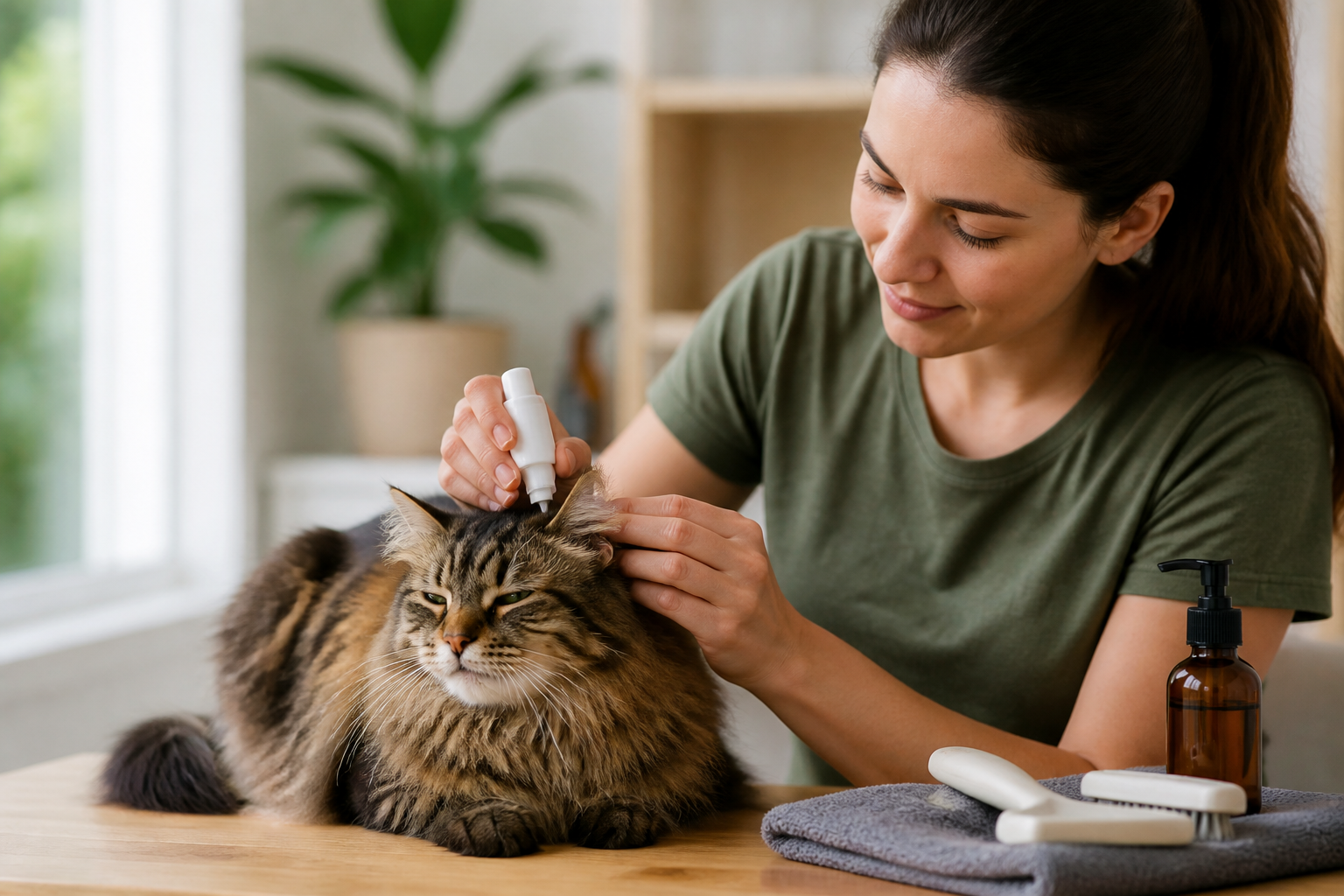
If your cat cannot groom themselves, you must step in. This routine helps remove dandruff and distributes oils.
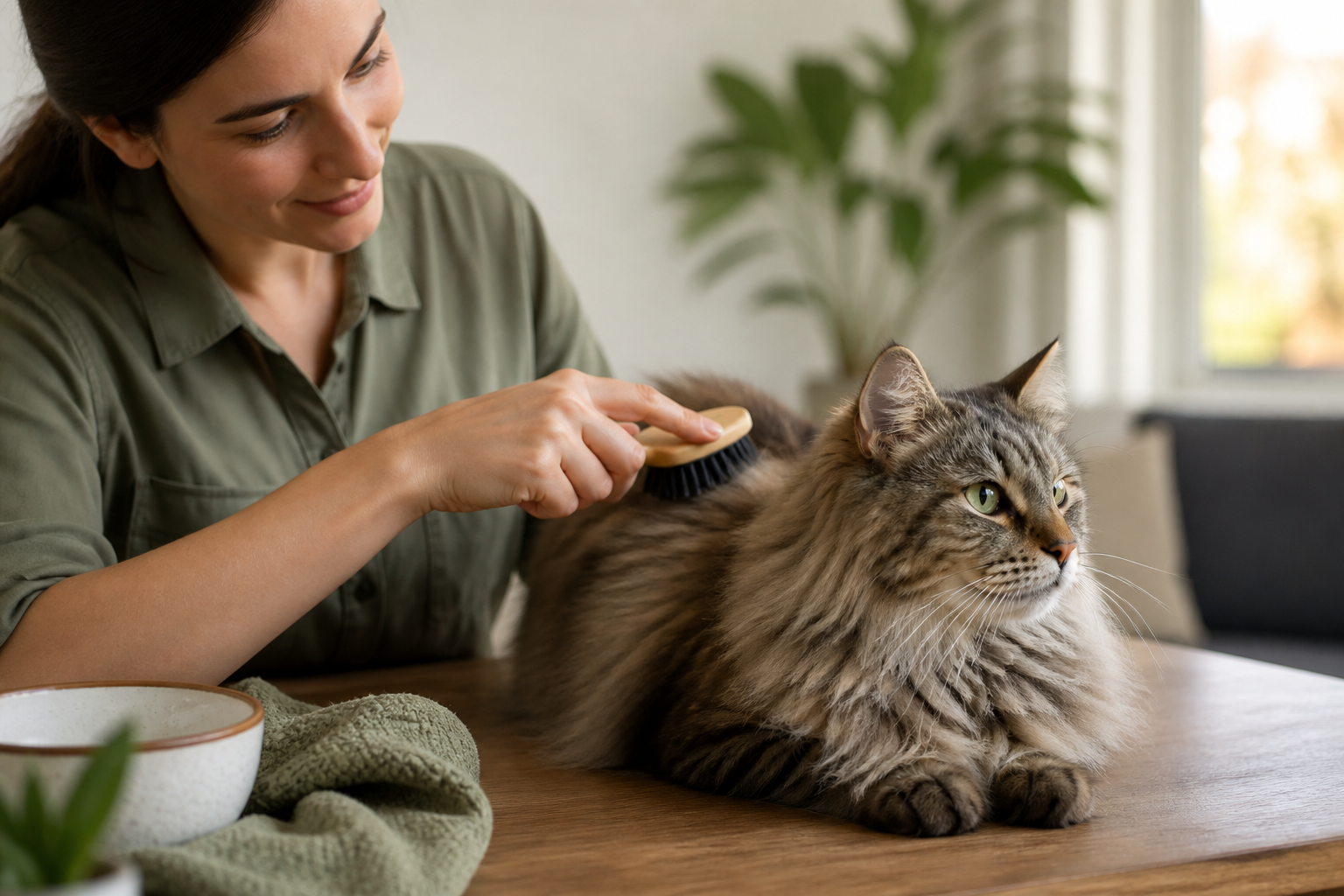
Step 1: Choose the right tool. / Use a soft-bristled brush or a fine-toothed comb specifically designed for cats.
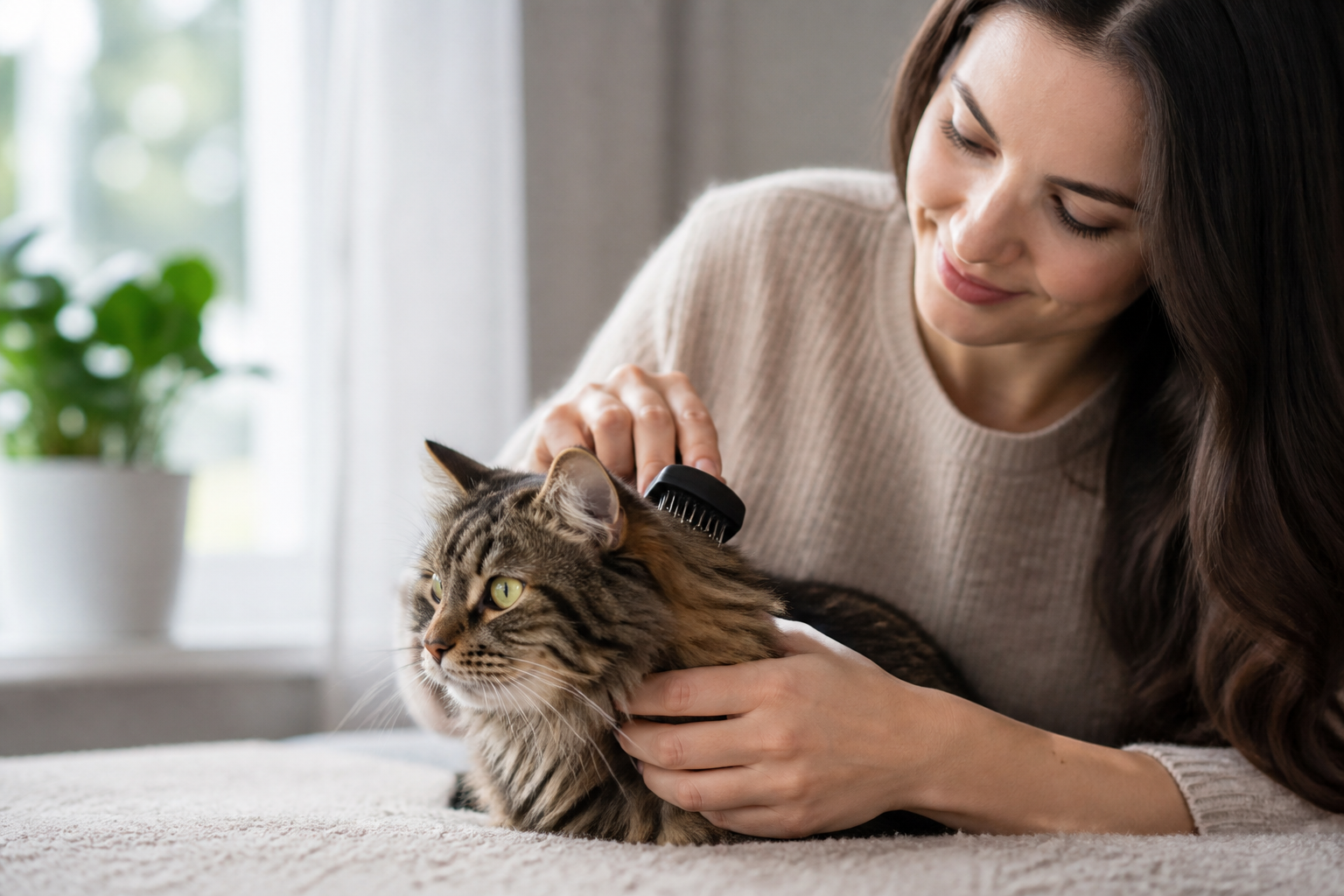
Step 2: Start with gentle strokes. / Focus on the areas your cat cannot reach, like the lower back, using slow movements to avoid pulling the skin.
Step 3: Check the skin. / As you brush, look for redness or sores that might indicate a deeper infection.
Step 4: Use a damp cloth. / If the dandruff is heavy, a warm, damp microfiber cloth can mimic the sensation of a cat's tongue and help lift away flakes.
For additional grooming guidance, read our tips for caring for a cat’s whiskers and coat.
Nutritional Factors and Skin Health
What your cat eats has a direct impact on the quality of their coat. The skin is the largest organ in the body, and it requires specific nutrients to remain supple and healthy.
Essential Fatty Acids
Omega-3 and Omega-6 fatty acids are the building blocks of healthy skin. Many commercial cat foods provide these, but sometimes the levels are not high enough for cats with naturally dry skin. A deficiency in these fats often results in a dull, brittle coat and plenty of dandruff.
Adding a high-quality fish oil supplement can often clear up dandruff within a few weeks. We offer several skin and coat supplements that can be easily added to your cat's daily meals. Explore our cat skin and coat health products.
Protein Quality
Cats are obligate carnivores. They need high-quality animal protein to produce keratin, the protein that makes up their fur and the outer layer of their skin. If a diet is too high in fillers or low-quality plant proteins, the skin may become thin and prone to flaking.
The Role of Moisture in Diet
Many cats thrive when wet food is added to their diet. Wet food provides much-needed hydration that kibble lacks. Brands like Tiki Cat or Fussie Cat focus on high-moisture recipes that can help keep your cat's skin hydrated.
Vet Tip: If you notice your cat’s dandruff is accompanied by a very greasy feel or a foul odor, consult your veterinarian. This could indicate a yeast or bacterial infection that requires medicated treatment rather than just a change in diet.
Parasites and "Walking Dandruff"
While regular dandruff is just dead skin, there is a specific type of parasite that mimics the appearance of flakes. This is known as Cheyletiella mites, or walking dandruff.
These microscopic mites live on the surface of the skin. As they move around under the scales of the skin, it looks like the dandruff is actually moving. This condition is highly contagious between pets and can even cause a temporary rash on humans.
Symptoms of walking dandruff include:
- Visible moving flakes
- Intense itching and scratching
- Redness along the back
- Small crusts or scabs on the skin
If you suspect your cat has mites, a vet visit is essential. They will likely perform a skin scraping to identify the parasite. Treatment usually involves specific flea and tick preventatives that are effective against mites. Our pharmacy carries a range of FDA-approved preventatives, including those that require a prescription, through our partnership with Pet's Choice. You can also learn more about flea and tick prevention options.
Medical Conditions Linked to Dandruff
Sometimes, flaky skin is a "warning light" for an internal health issue. When a cat is systemically unwell, their coat is often the first thing to show signs of neglect.
Allergies
Cats can suffer from food, environmental, or flea allergies. When a cat has an allergic reaction, their skin often becomes inflamed. This inflammation disrupts the normal shedding process, leading to heavy dandruff and itching. Identifying the allergen is key, which may require a limited-ingredient diet from brands like The Honest Kitchen or Zesty Paws.
Diabetes and Kidney Disease
Chronic illnesses like diabetes or kidney disease can cause dehydration and changes in metabolism. These changes often result in a poor coat. A cat with poorly managed diabetes may have very greasy, flaky skin, particularly along the spine.
Hyperthyroidism
This is common in older cats. An overactive thyroid speeds up the body's metabolism, which can cause the skin to produce cells too rapidly. This results in a coat that looks unkempt, greasy, and full of dandruff.
Skin Infections
Bacterial or fungal infections (like ringworm) can cause localized dandruff. Ringworm typically appears as circular patches of hair loss with crusty, flaky skin in the center. Because ringworm is a fungus that can spread to humans, it requires prompt veterinary diagnosis and treatment.
Bottom line: Persistent dandruff that does not respond to grooming or humidity changes deserves a veterinary checkup to rule out systemic illness.
The Role of the BaxterBoo Pharmacy
When dandruff is caused by a medical condition, a simple over-the-counter shampoo may not be enough. Your veterinarian might prescribe medicated topicals or specific prescription diets to manage the underlying cause.
Through our partnership with Pet's Choice, we provide access to a fully licensed pharmacy. This allows you to get FDA-approved medications and prescription pet foods delivered directly to your door. If your cat requires a specialized diet for skin sensitivities, such as Farmina Vet Life, our pharmacy can help fulfill those needs with a valid prescription. This integration makes it easier for you to manage your cat's long-term health without multiple trips to different stores.
Visit our cat pharmacy when your veterinarian recommends prescription medications or therapeutic food.
Practical Remedies and Home Care
If your vet has ruled out serious illness, you can manage mild dandruff with a few practical steps at home.
Use a Humidifier
If you live in a dry climate or experience cold winters, place a humidifier in the room where your cat spends the most time. Keeping the humidity level around 40 to 50 percent can significantly improve skin moisture.
Improve Brushing Consistency
For short-haired cats, a weekly brushing session is usually enough. For long-haired cats, daily brushing is necessary. This prevents mats, which trap moisture and bacteria against the skin, leading to flakes and irritation.
Switch to Stainless Steel or Ceramic Bowls
Plastic bowls can harbor bacteria and may cause "feline acne" or skin irritation around the chin. While this is not the same as body dandruff, it is a sign of skin sensitivity. Switching to cleaner materials like stainless steel can improve overall skin health.
Introduce Water Fountains
Many cats prefer running water over standing water. A pet fountain encourages more frequent drinking, which helps keep the skin hydrated.
For more ideas about encouraging cats to drink, read these cat hydration and water fountain tips.
Topical Skin Conditioners
There are waterless shampoos and foam conditioners designed specifically for cats. These can help break down excess oils and hydrate the skin without the stress of a full bath. Look for products containing aloe or oatmeal, which are soothing to feline skin.
Prevention for the Long Term
Preventing dandruff is often easier than treating it once it becomes severe. A proactive approach to skin health will keep your cat comfortable year-round.
- Maintain a healthy weight: Use interactive toys to keep your cat moving.
- Stay current on parasite prevention: Use monthly flea and tick treatments to prevent irritation.
- Provide a balanced diet: Look for foods rich in animal proteins and healthy fats.
- Regular vet visits: Annual exams can catch metabolic changes before they ruin your cat's coat.
By staying observant, you can catch the first sign of flakes and adjust your care routine before your cat becomes uncomfortable.
Key Takeaway: A combination of proper nutrition, consistent grooming, and environmental management is the most effective way to prevent and treat cat dandruff.
Conclusion
Dandruff in your cat is more than just a cosmetic issue. It is a window into their overall well-being, reflecting everything from the humidity in your home to the quality of their diet. While most cases are easily managed with better grooming and hydration, persistent flakes should never be ignored. By paying attention to these small changes, you ensure your cat remains comfortable and healthy. Whether you need a new grooming tool or a specialized supplement, we are here to support your journey as a pet owner.
- Check for "walking dandruff" if you see moving flakes.
- Increase indoor humidity during winter months.
- Use our pharmacy for prescription skin diets and medications.
- Help senior or obese cats with their daily grooming.
Bottom line: If home remedies don't clear up the flakes within two weeks, schedule a vet visit to check for underlying health issues.
For all your cat's skin care needs, from premium food to medicated solutions, visit our cat healthcare collection and our cat pharmacy to find the right products for your feline friend.
FAQ
Is cat dandruff contagious to humans?
Standard dandruff caused by dry skin or poor grooming is not contagious. However, if the dandruff is actually "walking dandruff" caused by Cheyletiella mites, those mites can temporarily jump to humans and cause an itchy rash. Fungal infections like ringworm, which also cause flaking, are highly contagious to people and other pets.
Can I use human dandruff shampoo on my cat?
No, you should never use human dandruff shampoo on a cat. These products often contain ingredients like zinc pyrithione or selenium sulfide, which are toxic to cats if ingested during grooming. Furthermore, human skin has a different pH level than cat skin, so these shampoos can cause severe irritation and worsen the dryness.
Why does my cat only have dandruff at the base of their tail?
The base of the tail is a common spot for dandruff because it contains a high concentration of sebaceous glands. It is also one of the hardest places for a cat to reach, especially if they are senior, arthritic, or overweight. If oils and dead skin cells aren't groomed away, they clump together and form visible flakes in this specific area.
How long does it take for cat dandruff to go away?
The timeline depends on the cause. If the dandruff is due to dry air, using a humidifier might show results in a week. If you are changing your cat's diet or adding fish oil supplements, it typically takes 4 to 6 weeks to see a significant improvement, as this is how long it takes for new skin cells to grow and the coat to cycle.