
 Save 15% on your 1st Autoship learn more

 Email us
 Live Chat
 FAQs
FAQs





Introduction
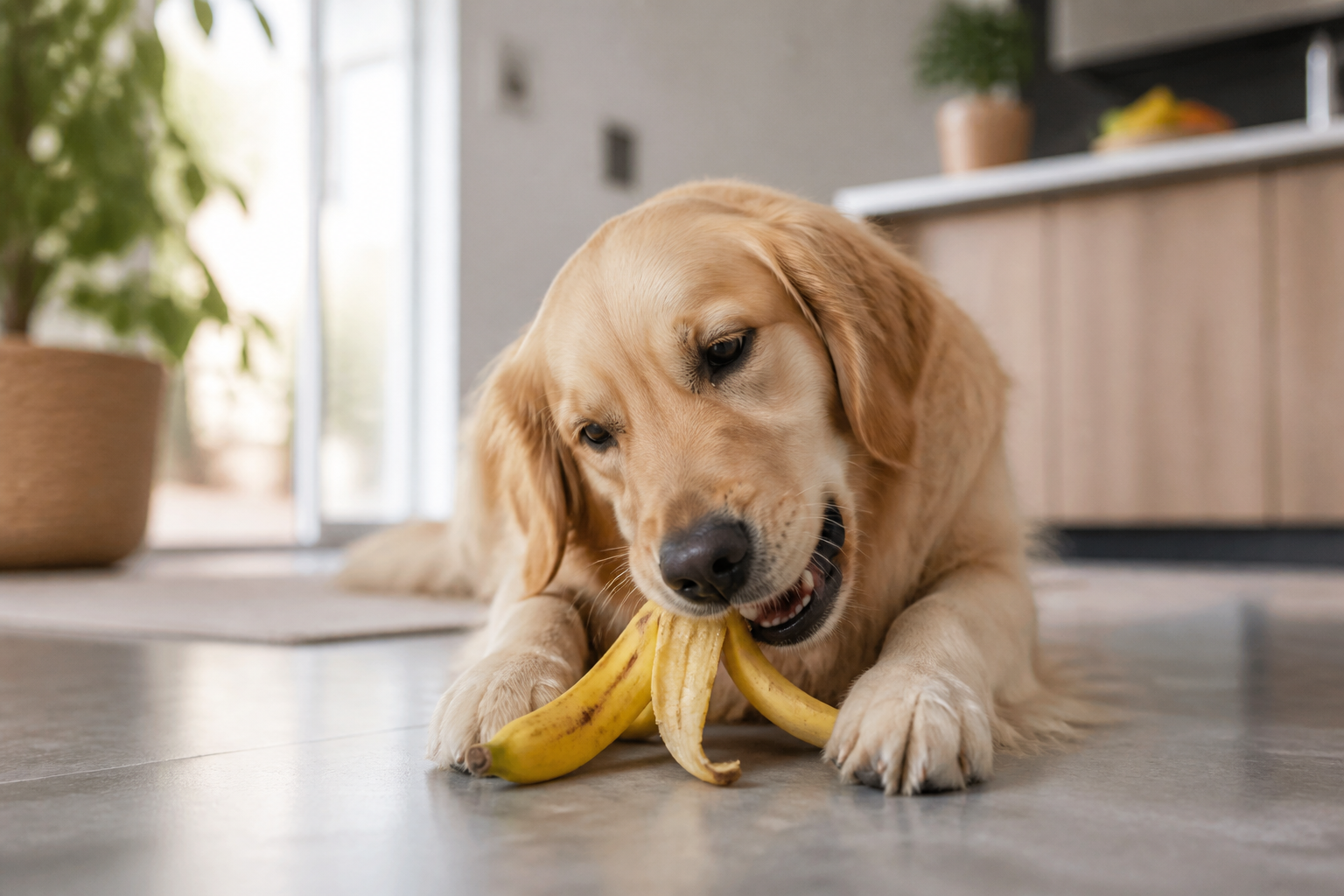
You are sitting on the sofa enjoying a healthy snack when your dog gives you those unmistakable "puppy eyes." You might have heard a rumor that rubbing a banana peel on a dog's teeth can whiten them or help with plaque. It sounds like a cheap and easy hack for a chore most dogs dislike. At BaxterBoo, we see many pet owners looking for natural ways to support their dog's health without unnecessary stress. This post covers the science behind banana peels, why the whitening myth persists, and the potential risks of letting your dog chew on the skin of the fruit. We will also look at proven methods to keep your dog's mouth healthy and fresh.
Quick Answer: No, banana peels do not effectively clean or whiten a dog's teeth. While they contain minerals like potassium and magnesium, these do not absorb into the enamel through rubbing and the peel itself can cause digestive blockages.
The Science Behind the Banana Peel Myth
The idea that banana peels can clean teeth usually comes from the presence of certain minerals. Bananas are famous for being high in potassium, magnesium, and manganese. On social media, some people claim that rubbing the inside of a ripe peel against the teeth allows these minerals to absorb into the enamel. They suggest this process removes stains and strengthens the tooth structure.
Unfortunately, this is not how dental biology works. Minerals like potassium do not simply soak into the hard surface of a tooth upon contact. For these nutrients to support dental health, a dog needs to ingest them as part of a balanced diet. Even then, the impact is internal, helping with bone density rather than surface stains.
Research into this specific topic has actually shown the opposite of the desired effect. In some studies, rubbing fruit peels on teeth resulted in a loss of surface shine. Instead of a brighter smile, the teeth appeared duller or even slightly more yellow. This happens because the fruit residue can leave a film on the teeth that attracts more particles rather than repelling them.
Are Banana Peels Safe for Dogs to Eat?
While the fruit itself is a healthy treat in moderation, the peel is a different story. Banana peels are not technically toxic to dogs. If your dog accidentally swallows a small piece, they will likely be fine. However, we do not recommend giving them peels as a snack or a chew toy for several reasons.
Difficulty with Digestion
The skin of a banana is incredibly fibrous and thick. A dog's digestive system is designed to process proteins and fats much more efficiently than heavy plant cellulose. The peel is very hard for their stomach to break down. This often leads to digestive upset, including vomiting or diarrhea.
Risk of Intestinal Blockage
The biggest danger is the risk of a physical obstruction. Because the peel is so tough, it can get stuck in the throat or the intestinal tract. This is especially dangerous for smaller breeds. A blockage is a serious medical emergency that often requires surgery to fix.
Pesticide Concerns
Commercial bananas are often treated with pesticides and waxes to keep them fresh during shipping. These chemicals stay on the outer skin. When you peel a banana for yourself, you discard these toxins. If you let your dog chew on the peel, they are ingesting those residues directly.
Key Takeaway: The risks of feeding banana peels far outweigh any imagined dental benefits. Stick to the fruit and throw the peel in the compost.
The Reality of Canine Dental Disease
To understand why a banana peel is not enough, we have to look at the scale of dental issues in dogs. Most dogs show signs of periodontal disease by the time they are two years old. This is because plaque and tartar build up constantly.
Plaque is a soft film of bacteria that forms on the teeth after eating. If it is not brushed away, it hardens into tartar within about 48 hours. Tartar is like concrete. You cannot rub it off with a fruit peel or even a standard toothbrush. It requires professional scaling by a veterinarian.
Many owners do not notice dental problems until they become severe. Dogs are very good at hiding pain. They might continue to eat even if they have a toothache or infected gums. By the time you notice bad breath or bleeding, the disease has often progressed under the gum line where you cannot see it. For more warning signs, read our guide to recognizing bad teeth in dogs.
Better Alternatives for Dental Health
If you want to keep your dog's teeth clean, there are several proven methods that actually work. These focus on mechanical cleaning and chemical prevention of plaque. You can find brushing supplies, dental treats, and oral-care products in our dog dental and breath care category.
Daily Brushing
Brushing is the gold standard of pet dental care. You do not need to spend twenty minutes on it. Even a quick 30 second session every day can make a massive difference. Always use a toothpaste formulated specifically for dogs. Human toothpaste contains ingredients like xylitol or high levels of fluoride that can be toxic to pets.
Dental Chews and Toys
Certain toys are designed with ridges and nubs that act like a squeegee on the teeth. As the dog chews, the toy scrapes away soft plaque. We carry many durable toys from brands like Kong that can help with this process. Look for items that have the Veterinary Oral Health Council (VOHC) seal of approval. Our dental dog toys offer another option for dogs that enjoy chewing.
Water Additives
For dogs that absolutely refuse a toothbrush, water additives can be a helpful tool. These are tasteless liquids you add to their water bowl. They contain enzymes that help break down the biofilm of bacteria in the mouth.
For additional ideas, explore our guide to the top pet dental care tips.
When to Consult Your Veterinarian
Natural hacks like fruit peels can never replace professional medical care. If you notice any of the following symptoms, it is time to schedule a checkup.
- Persistent bad breath: This is often the first sign of an infection or heavy tartar buildup.
- Red or bleeding gums: Healthy gums should be a light pink. Redness indicates inflammation.
- Difficulty eating: If your dog drops food or only eats on one side of their mouth, they may have a painful tooth.
- Loose or broken teeth: These can lead to abscesses if not addressed.
Vet Tip: Annual dental cleanings are just as important for dogs as they are for humans. Your vet can clean under the gum line where most disease starts, which is something you cannot do at home.
You can also review our article about dental chews for dogs when discussing at-home options with your veterinarian.
Using the BaxterBoo Pharmacy for Dental Care
For dogs with advanced dental needs or chronic gum issues, a standard treat might not be enough. Our pet pharmacy offers a wide range of FDA approved medications and prescription diets through our partnership with Pet's Choice.
If your vet discovers an infection, they may prescribe a course of antibiotics. We can fill those prescriptions and deliver them right to your door. We also carry prescription dental diets from brands like Farmina Vet Life and Royal Canin. These foods are specifically shaped to scrub the teeth as the dog eats and contain minerals that prevent tartar from hardening.
Having a real warehouse and a dedicated pharmacy means we can support your pet through every stage of their health journey. Whether you need a simple toothbrush or a specialized prescription diet, our team is here to help you find the right solution.
Can Bananas Ever Help Teeth?
While the peel is a no-go, the banana fruit itself can be part of a healthy routine. However, there is a catch. Bananas are high in natural sugars. When a dog eats sugary food, the bacteria in their mouth ferment those sugars into acid. This acid can erode enamel and lead to cavities.
Cavities are relatively rare in dogs compared to humans, but they do happen. If you use bananas as a treat, do so in moderation.
Step 1: Slice the banana into small, bite-sized pieces appropriate for your dog's size. Step 2: Limit fruit treats to no more than 10 percent of their daily calorie intake. Step 3: Offer a drink of fresh water after sugary treats to help rinse the mouth. Step 4: Maintain your regular brushing schedule to remove any fruit residue.
Summary of Dog Dental Basics
Keeping your dog's mouth healthy does not require social media hacks. It requires consistency and the right tools. Skip the banana peels and focus on what science supports.
- Brush often: Use dog-safe paste and a soft brush.
- Choose the right treats: Use VOHC-approved dental chews.
- Watch for signs: Check the mouth weekly for redness or bad breath.
- Professional help: Keep up with annual vet visits and cleanings.
Bottom line: Banana peels are a digestive hazard and provide zero dental benefits, so stick to brushing and professional veterinary care.
For recurring dental products, our Autoship programme can help make routine care easier to maintain.
FAQ
Will rubbing a banana peel on my dog's teeth whiten them?
No, there is no scientific evidence that rubbing a banana peel on a dog's teeth provides any whitening effect. The minerals in the peel do not absorb into the enamel, and the residue can actually make the teeth look duller. It is much more effective to use a dog-specific whitening paste or schedule a professional cleaning.
Can banana peels cause a blockage in my dog?
Yes, banana peels are very high in cellulose and fiber, making them difficult for a dog to digest. If swallowed in large pieces, the peel can become lodged in the stomach or intestines. This is a serious condition that may require emergency veterinary surgery to resolve.
Is the sugar in bananas bad for my dog's teeth?
While bananas are a healthy source of vitamins, they are high in sugar. Bacteria in the mouth feed on these sugars to produce plaque and acid, which can lead to tooth decay. If you give your dog bananas, do so sparingly and follow up with teeth brushing or a dental chew.
What should I do if my dog eats a banana peel?
If your dog eats a banana peel, monitor them closely for signs of distress like vomiting, loss of appetite, or straining to have a bowel movement. While a small piece might pass naturally, a whole peel is a significant risk. Contact your veterinarian immediately if you notice any changes in their behavior or digestion.






