
 Save 15% on your 1st Autoship learn more

 Email us
 Live Chat
 FAQs
FAQs





Introduction
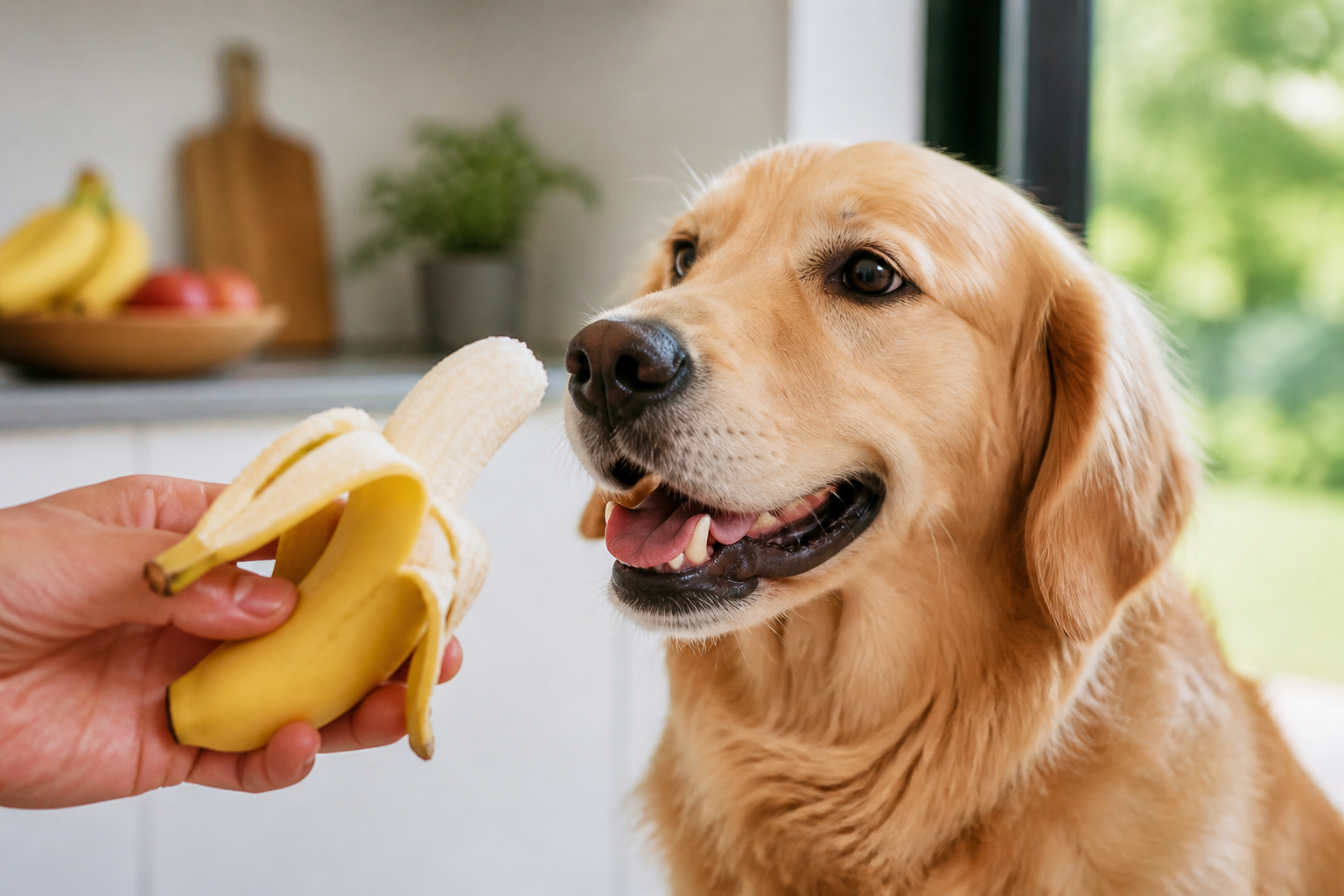
You are sitting on the couch enjoying a snack when those hopeful eyes look up at you. Many of us share a slice of banana with our dogs because it feels like a healthy, natural choice. You might have heard that some fruits can help scrub away plaque. At BaxterBoo, we often hear from pet parents who want to know if their favorite fruits double as dental tools. It is a fair question since we all want to keep those puppy kisses fresh without a struggle.
This article explores the reality of bananas and canine oral hygiene. We will look at the nutritional benefits of this fruit and why its texture matters for teeth. You will also learn about better alternatives for keeping a dog's mouth clean. Our goal is to help you build a dental routine that actually works. While bananas are a great treat, they are not the toothbrush replacement you might hope they are.
The Reality of Bananas and Dental Hygiene
Many people assume that because bananas are healthy, they must be good for every part of the body. When it comes to the mouth, the physical structure of a food determines its cleaning power. Bananas are soft and creamy. They lack the abrasive texture needed to scrape away tartar or plaque. In fact, their consistency is part of the reason they do not help with cleaning.
Instead of scrubbing the teeth, a banana tends to coat them. The soft fruit can easily get stuck in the small gaps between teeth or along the gum line. This is the opposite of what you want during a cleaning session. A food that helps clean the mouth should be firm enough to create friction against the enamel. Bananas simply mush against the surface without removing any buildup.
Quick Answer: Bananas do not clean a dog's teeth. Their soft texture provides no abrasive action to remove plaque, and their high sugar content can actually contribute to tooth decay if fed too often.
The Role of Sugar in Canine Oral Health
Bananas are famous for being sweet. As they ripen, their starch turns into sugar. While these are natural sugars, the bacteria in your dog's mouth do not know the difference between a banana and a processed biscuit. Bacteria thrive on sugar. When your dog eats a banana, a sugary residue can linger on the teeth.
If this residue stays on the enamel, it feeds the bacteria that create plaque. Over time, this plaque hardens into tartar. While cavities are less common in dogs than in humans, they can still happen. Diets high in fermentable carbohydrates and sugars increase this risk. If you provide bananas as a frequent treat, you might be unintentionally feeding the very bacteria you want to eliminate.
Key Takeaway: The high sugar content in ripe bananas makes them a poor choice for dental health. Instead of cleaning the mouth, the fruit can leave behind a sticky film that encourages plaque growth.
Nutritional Benefits Beyond the Teeth
Just because bananas do not clean teeth does not mean they are bad for your dog. They are packed with essential nutrients that support overall wellness. When fed in moderation, they are a much better alternative to fatty, calorie-dense table scraps.
Potassium and Heart Health
Bananas are one of the best sources of potassium. This mineral is vital for maintaining healthy heart function and proper muscle contractions. It also helps regulate fluid balance in the body. For active dogs, potassium supports their energy levels and recovery after a long walk or a game of fetch.
Fiber for Digestion
The fiber in bananas can help regulate a dog's digestive system. If a dog has mild stomach upset, a small amount of banana can sometimes provide enough fiber to firm up stools. However, too much fiber can have the opposite effect. It is all about finding the right balance for your pet's specific needs.
Vitamins and Minerals
Bananas contain Vitamin C, which supports the immune system. They also provide Vitamin B6, which is crucial for brain function and hormone regulation. Magnesium is another benefit found in this fruit. It helps the body absorb vitamins and promotes healthy bone growth.
Safer Ways to Serve Bananas
If your dog loves bananas, you do not have to cut them out entirely. You just need to change your expectations about what they do for dental health. Treat them as a high-value reward rather than a cleaning tool.
- Cut bananas into small, bite-sized coins to prevent choking.
- Use mashed banana as a topper for healthy kibble.
- Freeze banana slices for a refreshing summer treat.
- Avoid feeding the peel, as it is very difficult to digest and can cause blockages.
Vet Tip: Always consult your veterinarian before adding new fruits to your dog's diet, especially if your pet has underlying health issues like diabetes or kidney disease. The sugar and potassium levels in bananas may be inappropriate for dogs with these specific conditions.
Better Natural Alternatives for Clean Teeth
If you want to use food to help clean your dog's teeth, you should look for items with a crunch. Mechanical abrasion is the key to natural teeth cleaning. When a dog bites into a firm vegetable, the edges of the food rub against the tooth surface. This helps pull away soft plaque before it can harden.
Crunchy Carrots
Raw carrots are excellent for dental health. They are hard enough to provide significant scrubbing action. Most dogs enjoy the crunch and the natural sweetness. Carrots are also low in calories, making them a great choice for dogs watching their weight.
Crisp Apple Slices
Apples are another good option. The skin and the firm flesh of the apple can help clean the teeth as the dog chews. Just be sure to remove all seeds and the core. Apple seeds contain small amounts of cyanide and can be harmful if consumed in large quantities.
Celery Sticks
Celery is often called nature's floss. The fibrous strands can help get into the spaces between teeth. It also has a high water content, which can help wash away loose food particles. Some dogs find the texture of celery a bit strange, but many enjoy the satisfying snap.
The Importance of the BaxterBoo Pharmacy
While natural treats are a nice supplement, some dogs require specialized help for their oral health. Many pets suffer from advanced periodontal disease that a carrot simply cannot fix. In these cases, your veterinarian might prescribe a specific dental diet or oral medications to manage infections and inflammation.
Our pharmacy provides access to these essential health products through our partnership with Pet's Choice. We carry FDA-approved medications and prescription pet foods designed to support dogs with chronic health needs. If your vet recommends a prescription dental kibble like Farmina Vet Life or Royal Canin, you can fulfill that need through the BaxterBoo pharmacy. This ensures your dog gets the professional-grade care required to prevent tooth loss and systemic health issues.
Developing a Total Dental Care Routine
A truly clean mouth requires a multi-faceted approach. Relying on any single food or treat is rarely enough to prevent dental disease. Most veterinarians recommend a daily routine to keep the mouth healthy. For additional guidance, review these pet dental care tips.
Step 1: Start a brushing habit. / Brushing is the gold standard of pet dental care. Use a soft-bristled brush and toothpaste made specifically for dogs. Human toothpaste contains ingredients like xylitol that are toxic to pets.
Step 2: Incorporate dental chews. / Products like Greenies or other VOHC-approved chews are designed to be abrasive. They last longer than a standard treat, giving the product more time to work against the teeth.
Step 3: Use water additives or wipes. / If your dog refuses a toothbrush, dental wipes can be a helpful middle ground. Water additives can also help reduce the bacterial load in the mouth every time your dog takes a drink.
Step 4: Schedule professional cleanings. / Even with great home care, some tartar will build up. Regular veterinary exams are necessary to catch problems early. A professional cleaning under anesthesia is the only way to clean beneath the gum line.
Key Takeaway: A successful dental routine combines active brushing, high-quality dental chews, and professional veterinary oversight.
Recognizing the Signs of Dental Disease
It is easy to miss the early signs of dental trouble because dogs are experts at hiding pain. By the time a dog stops eating, the disease is often very advanced. You should check your dog's mouth at least once a week for any changes. This guide to warning signs of dental disease in dogs can help you know what to watch for.
- Bad Breath: While "dog breath" is common, an extremely foul or metallic smell is a sign of infection.
- Red or Bleeding Gums: Healthy gums should be a pale pink. Bright red or bleeding edges indicate gingivitis.
- Visible Tartar: Look for yellow or brown crusty buildup near the gum line.
- Changes in Eating Habits: If your dog starts dropping food or only chewing on one side, they may be in pain.
- Excessive Drooling: Sudden drooling or pawing at the face can signal a cracked tooth or an abscess.
Vet Tip: If you notice bleeding gums or loose teeth, do not wait for a scheduled checkup. Dental infections can lead to bacteria entering the bloodstream, which may cause damage to the heart, kidneys, and liver. Contact your vet for a diagnostic exam immediately.
Why Quality Gear Matters for Training
Teaching a dog to accept dental care often requires a bit of patience and the right tools. If you are struggling to keep your dog still for brushing, a comfortable harness or a short leash can help keep them focused. We carry a wide variety of gear from brands like RC Pets and Kong that can make these grooming sessions easier.
Using high-value treats during the process is also vital. While we have established that bananas do not clean teeth, they make a fantastic reward for a dog who has just sat through a tooth brushing. When you use the MVP Rewards programme at BaxterBoo, you can earn points on every purchase of treats and grooming supplies. This makes it easier to keep your dental kit fully stocked.
The Myth of Dry Kibble and Cleaning
A common misconception is that all dry kibble cleans teeth simply because it is crunchy. Most standard kibble is quite brittle and shatters almost instantly when a dog bites it. This does not provide enough contact time to remove plaque.
Specialized dental diets are different. They are often made of larger, fibrous nuggets that do not shatter. Instead, the tooth sinks into the kibble, allowing the fibers to scrub the surface of the tooth. If your vet suggests a dental diet, you can often find these through our partnership with Pet's Choice. These foods are formulated to be complete nutrition while providing a mechanical cleaning benefit that standard treats or bananas cannot match.
Serving Size and Safety Guidelines
If you decide to keep bananas in your treat rotation, pay attention to the quantity. A small dog only needs a couple of slices. A large dog can handle about half a banana. Feeding too much at once can lead to digestive upset or a spike in blood sugar.
Always monitor your dog when they are trying a new food. Some dogs may have sensitive stomachs and might experience gas or diarrhea after eating fruit. If you notice any vomiting or significant changes in behavior, stop feeding the fruit and consult your vet.
Bottom line: Treat bananas as a nutritional supplement and a tasty reward, but never rely on them to manage your dog's oral hygiene.
Conclusion
Keeping your dog's teeth clean is a lifelong commitment that requires more than just a healthy diet. While bananas offer wonderful vitamins and minerals, they lack the physical properties to clean enamel and their sugar content can be a drawback for oral health. Focus on crunchy vegetables for natural cleaning and maintain a strict brushing schedule. Our team at BaxterBoo is here to help you find the right tools, from dental wipes and brushes to prescription diets and medications through our pharmacy. You can also explore our dog dental care category and our dental treats collection for options that complement your routine. By combining home care with professional veterinary advice, you can ensure your dog enjoys a healthy smile for years to come.
FAQ
Can bananas cause cavities in dogs?
Yes, bananas can contribute to cavities because they are high in natural sugars that feed bacteria in the mouth. While cavities are less common in dogs than humans, the sticky residue from a ripe banana can cling to teeth and promote decay if oral hygiene is neglected. It is best to feed bananas sparingly and brush your dog's teeth regularly.
Are there any fruits that actually clean a dog's teeth?
Crunchy fruits like apples can provide a small amount of mechanical cleaning as the dog chews through the firm flesh. The abrasive action helps rub away some soft plaque, though it is not a replacement for brushing. Always remove the seeds and core of the apple before serving to ensure it is safe for your pet.
What should I do if my dog has very bad breath?
Bad breath is often the first sign of periodontal disease or an underlying infection in the mouth. You should schedule a visit with your veterinarian for a full dental exam to identify the cause. They may recommend a professional cleaning or prescribe medications through a pharmacy like ours to treat the issue.
Is it okay to give my dog banana chips instead of fresh bananas?
Most store-bought banana chips are deep-fried and loaded with extra sugar or preservatives, which are not healthy for dogs. If you want to give your dog banana chips, it is much better to make them at home using a dehydrator or a low-temperature oven without adding any sweeteners. Keep in mind that even homemade chips are concentrated in sugar and should be given in very small amounts.






