
 Save 15% on your 1st Autoship learn more

 Email us
 Live Chat
 FAQs
FAQs





Introduction
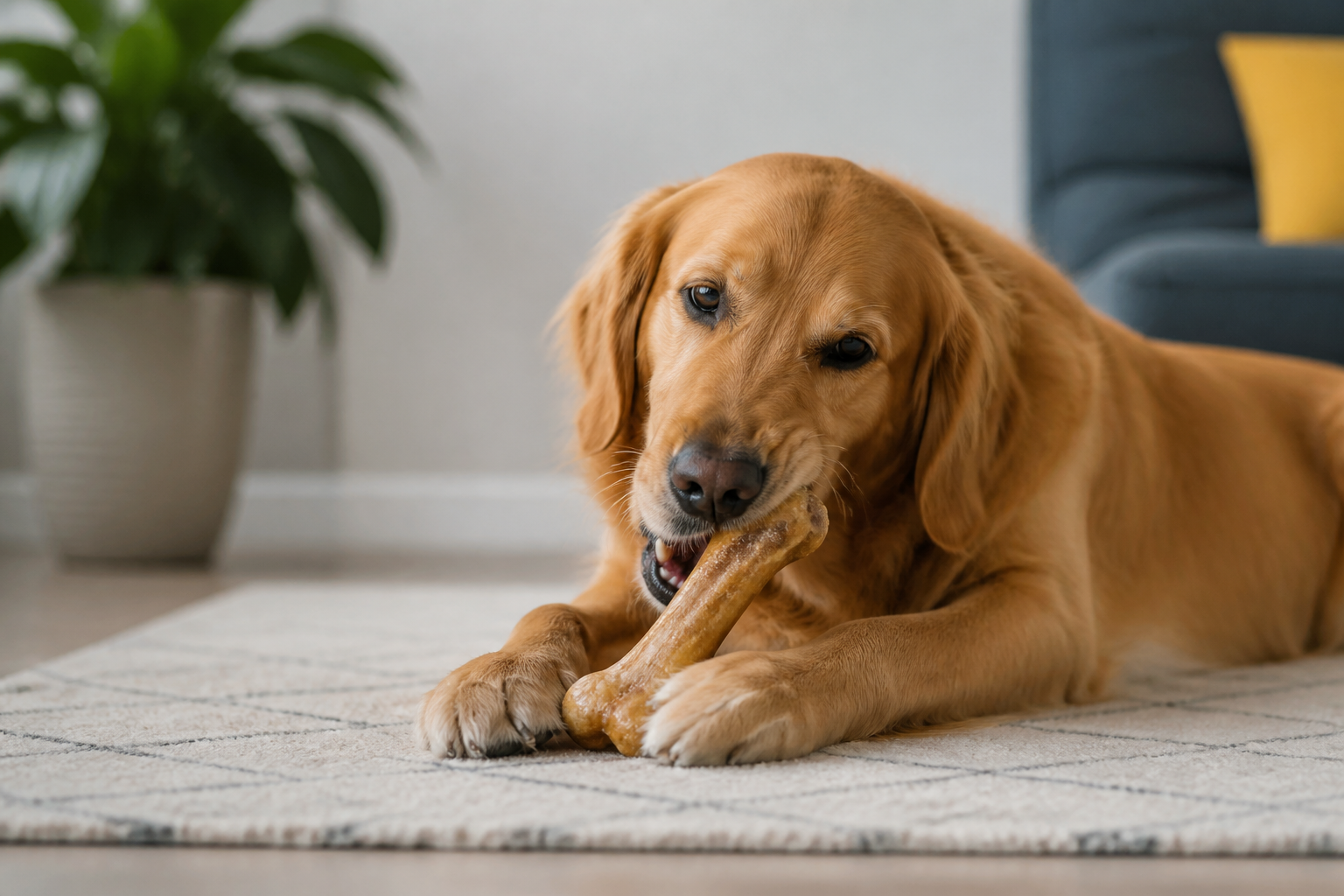
You are sitting on the floor playing tug with your dog when they let out a big yawn. You notice a thick layer of brown buildup near the gum line and a scent that is far from fresh. It is a common moment for many owners. You might wonder if tossing them a large bone from the butcher could solve the problem naturally. At BaxterBoo, we hear this question frequently from pet parents who want to avoid the stress of daily brushing. While the image of a dog gnawing on a bone is iconic, the reality of oral hygiene is more complex. This article will explore the mechanical benefits of chewing, the significant safety risks involved, and how to choose the right dental aids. You will learn why bones are not a total replacement for professional care.
Quick Answer: Bones can help reduce plaque through mechanical scraping, but they cannot remove hardened tartar. They also carry risks like fractured teeth and intestinal blockages, so they should be used with caution alongside other dental care methods.
The Mechanical Action of Chewing
When a dog chews on a hard object, the physical friction acts like a scraper against the tooth surface. This is known as mechanical abrasion. As the dog works their back molars against the surface of a bone, it helps rub away soft plaque before it has a chance to mineralize into tartar. This process mimics the way wild canines maintain their teeth by consuming whole prey, including cartilage and small bones.
However, modern dogs have different jaw structures and diets than their ancestors. A bone might reach the tips of the teeth, but it rarely cleans the sensitive area just under the gum line where periodontal disease starts. If your dog already has thick, stony tartar, a bone is unlikely to break it off. In some cases, gnawing on a very hard bone can actually push existing tartar further into the gums, causing irritation or infection.
The saliva produced during a long chewing session also plays a role. Saliva contains natural enzymes that help break down food particles. Increased saliva flow can help wash away debris, but it is not a substitute for the deep cleaning provided by a toothbrush or a professional veterinary scaling. For more at-home guidance, read these pet dental care tips.
Raw Bones Versus Cooked Bones
The most important rule in the "bones for teeth" debate is the distinction between raw and cooked. You should never give your dog cooked bones of any kind. Whether they are boiled, grilled, or smoked, the cooking process changes the molecular structure of the bone. It becomes brittle and prone to splintering into sharp shards. These fragments can puncture the esophagus, stomach, or intestines, leading to life-threatening internal injuries.
Raw bones are more flexible and less likely to shatter. Many proponents of raw feeding suggest that raw "edible" bones, such as chicken necks or wings, provide excellent nutrition and some dental benefits. However, these soft bones are often consumed too quickly to provide much cleaning action. For dental health, "recreational" bones are more common. These are large beef or bison femur and knuckle bones meant for gnawing rather than swallowing.
Safety Guidelines for Raw Bones
- Always supervise your dog during the entire chewing session.
- Discard the bone once it is small enough to be swallowed whole.
- Limit chewing sessions to 15 or 20 minutes to prevent jaw soreness.
- Wash your hands and sanitize the floor after use to prevent the spread of bacteria like Salmonella.
Key Takeaway: Cooked bones are a major safety hazard due to splintering. Raw recreational bones are safer for the digestive tract but still require strict supervision and hygiene practices.
Choosing the Right Size and Density
The density of the bone matters just as much as the size. A common mistake is giving a small dog a bone that is too hard, or a large dog a bone that is too small. If a bone is harder than the tooth itself, the tooth will eventually break. This is why many veterinarians advise against giving dogs weight-bearing bones from large animals like cows or bison. These bones are designed to support the weight of a thousand-pound animal and are incredibly dense.
For many dogs, lamb or goat bones offer a middle ground. They are hard enough to provide a good scrub but are generally less dense than beef leg bones. If you have a powerful chewer, they may apply enough force to crack their carnassial teeth, which are the large upper molars. A fractured tooth is painful and often requires an expensive root canal or extraction. If you are concerned about existing damage, review these warning signs of dental disease in dogs.
Size is the other critical factor. The bone should always be larger than the dog’s mouth. If the dog can fit the entire bone inside their jaws, the risk of choking or a life-threatening blockage increases significantly. We at BaxterBoo recommend looking for products specifically sized for your dog's weight class to minimize these dangers.
Vet Tip: Use the "knee test" for any chew. If you hit your knee with the object and it hurts you, it is likely too hard for your dog's teeth. Always consult your veterinarian before introducing bones if your dog has a history of dental fractures or sensitive digestion.
Potential Health Risks and Complications
While the goal is cleaner teeth, the risks of using real bones can be high. Beyond the danger of splintering, bones are very high in minerals and, in the case of marrow bones, very high in fat. You can compare those risks with options in our dog dental treats category.
Digestive Issues
The marrow inside a beef bone is essentially pure fat. While dogs love the taste, this richness can lead to upset stomachs, diarrhea, or even pancreatitis in sensitive breeds. Pancreatitis is a serious inflammation of the pancreas that requires immediate veterinary attention. If you choose to give a marrow bone, consider scooping out most of the marrow first.
Constipation and Blockages
If a dog consumes too much bone material, it can lead to "bone bark" or severely hard stools. In worse cases, fragments can clump together in the digestive tract, creating a blockage that may require surgery. If you notice your dog straining to go or acting lethargic after chewing a bone, call your vet immediately.
Dental Fractures
As mentioned, the "slab fracture" is a common injury from bone chewing. This happens when a piece of the tooth's outer enamel breaks off, often exposing the sensitive pulp inside. This is not just a cosmetic issue; it is a gateway for bacteria to enter the jawbone and bloodstream.
Bottom line: The benefits of mechanical cleaning must be weighed against the very real risks of tooth fractures, pancreatitis, and intestinal obstructions.
Better Alternatives for Dental Care
If the risks of real bones feel too high, there are many safer ways to keep your dog's smile bright. The pet industry has developed numerous products that provide the same mechanical scrubbing action with much lower risk. Start by browsing our dog dental and breath care selection.
Dental Chews and Treats
High-quality dental treats are designed to be flexible. As the dog bites down, the treat surrounds the tooth, scraping away plaque without the risk of cracking the enamel. Look for treats that have the Veterinary Oral Health Council (VOHC) seal of approval. This seal means the product has been tested and proven to reduce plaque or tartar by a certain percentage. For additional ideas, see these dental chews for dogs.
Rubber and Nylon Toys
Many durable rubber toys, like those from Kong, are designed with grooves and ridges. When you stuff these with a bit of wet food or dog-safe peanut butter, your dog will spend a long time licking and chewing. This action stimulates saliva and provides a gentle scrub. Nylon chews are also popular, though you should still monitor them for wear and tear. Explore our dental dog toys for alternatives to real bones.
The Gold Standard: Brushing
No bone or treat can beat a toothbrush. Brushing your dog’s teeth with pet-safe toothpaste is the only way to effectively clean the gum line. You do not need to spend twenty minutes on it; even a quick thirty-second scrub three times a week can make a massive difference in your dog's long-term health. A broader selection of our dog healthcare supplies can help support an at-home routine.
Key Takeaway: Dental chews and rubber toys provide safer mechanical cleaning than bones, but manual brushing remains the most effective way to prevent periodontal disease.
Professional Care and the BaxterBoo Pharmacy
Even with the best at-home routine, most dogs will eventually need a professional dental cleaning. During these procedures, a veterinarian can remove tartar from under the gum line and take X-rays to check for hidden decay. This is especially important for senior pets or breeds prone to dental issues, like Chihuahuas and Greyhounds.
If your vet discovers advanced dental disease, they may prescribe a specific therapeutic diet. These foods are formulated with a specific kibble size and texture to maximize cleaning. Our pharmacy at BaxterBoo carries a variety of prescription pet foods and FDA-approved medications through our partnership with Pet's Choice. Whether your dog needs a specialized dental diet or antibiotics for a gum infection, our pharmacy can help you manage their ongoing health needs with a valid prescription from your vet.
Vet Tip: Schedule a dental check-up at least once a year. Catching gingivitis early can prevent tooth loss and protect your dog's heart and kidney health, as oral bacteria can travel through the bloodstream.
Managing the Chewing Routine
If you decide to incorporate bones or chews into your routine, consistency is more important than duration. A few short sessions a week are better than one long session that leaves the dog with a sore jaw.
Step 1: Inspect the item. / Check for sharp edges or small parts that could break off.
Step 2: Set a timer. / Allow 15 to 20 minutes of chewing time to prevent over-exertion.
Step 3: Monitor the behavior. / Ensure your dog is gnawing calmly rather than trying to crush the bone with their full bite force.
Step 4: Clean up. / Remove the chew and wipe down the area to keep the environment hygienic.
By following these steps, you can help your dog enjoy the benefits of chewing while staying as safe as possible. Remember that every dog is different. What works for a gentle-chewing Golden Retriever might be dangerous for a powerful Pit Bull Terrier.
Conclusion
Bones can play a role in keeping a dog's teeth clean, but they are far from a magic solution. The mechanical action of gnawing helps reduce plaque, but the risks of tooth fractures and digestive blockages are significant. To keep your dog's mouth healthy, a multi-pronged approach is best. Use safe dental treats, invest time in regular brushing, and never skip your annual veterinary exams. We at BaxterBoo are committed to helping you find the right balance of treats, toys, and health supplies for your pet's specific needs. For dogs requiring extra support, our pharmacy offers prescription solutions to manage dental health under the guidance of your veterinarian.
- Always prioritize raw bones over cooked ones to avoid splintering.
- Match the size and density of the chew to your dog's chewing style.
- Supplement chewing with regular brushing and professional cleanings.
- Check the BaxterBoo pharmacy for prescription dental diets if recommended by your vet.
Bottom line: While bones offer some dental benefits, they should be treated as an occasional supplement rather than a primary oral hygiene tool.
FAQ
Can bones remove tartar from my dog's teeth?
Bones are effective at scraping away soft plaque, but they generally cannot remove hardened tartar. Once plaque mineralizes into tartar, it bonds strongly to the tooth and usually requires professional scaling by a veterinarian to be safely removed.
What are the safest bones for cleaning dog teeth?
Raw, non-weight-bearing bones from medium-sized animals like lamb or goat are often considered safer. You should always avoid cooked bones and very hard beef leg bones, which are the leading cause of dental fractures in dogs.
How often should I give my dog a bone for dental health?
Giving your dog a recreational bone one to two times a week for about 20 minutes is usually sufficient for supplemental cleaning. Over-chewing can lead to worn-down enamel or jaw pain, so it is important to limit the sessions.
Are there any dogs that should never have bones?
Dogs with existing dental disease, fractured teeth, or a history of pancreatitis should avoid real bones. Additionally, aggressive chewers who try to swallow large chunks are at a much higher risk for choking and should use safer alternatives like rubber toys or VOHC-approved dental chews.






