
 Save 15% on your 1st Autoship learn more

 Email us
 Live Chat
 FAQs
FAQs





Introduction
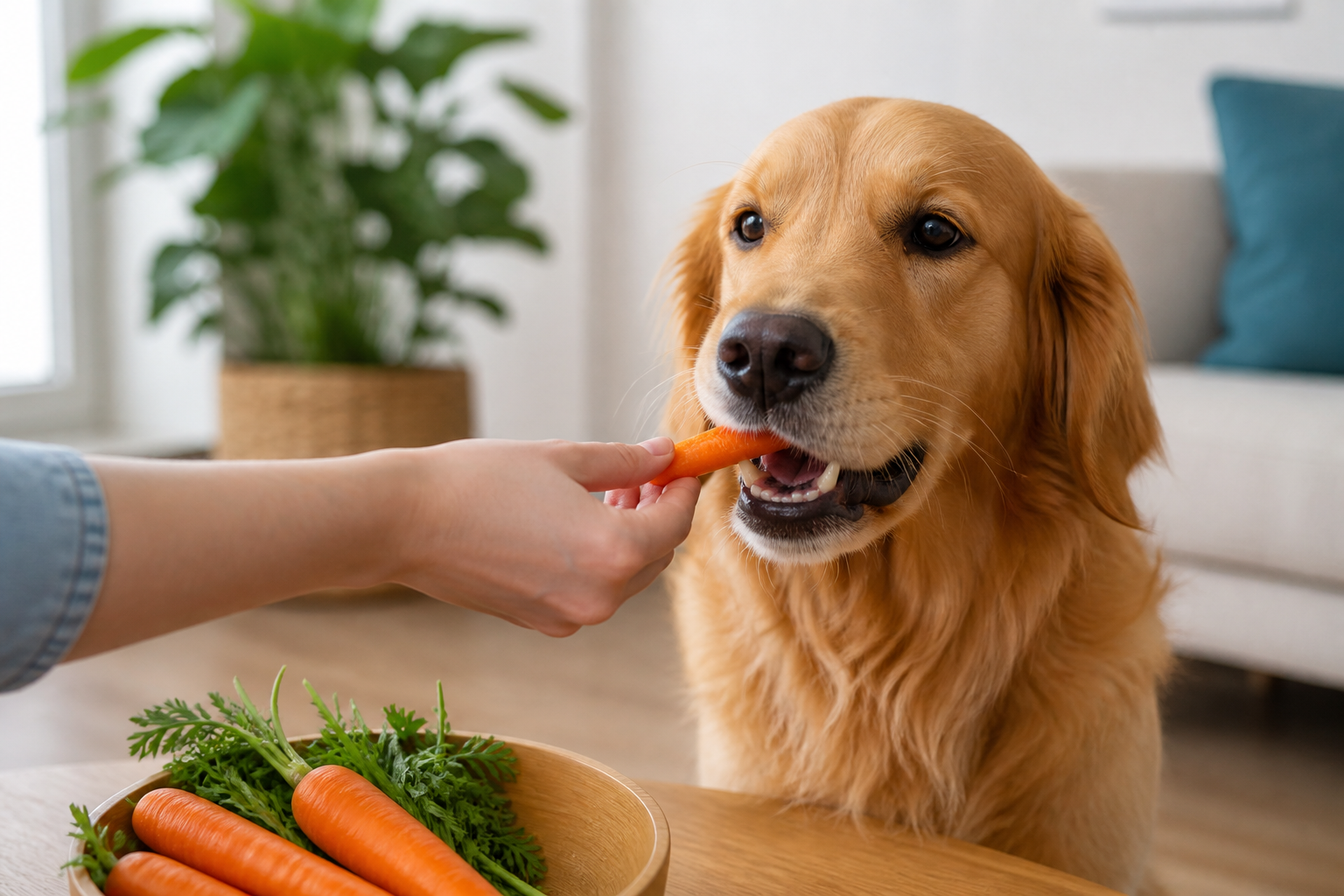
You are standing in the kitchen preparing dinner when your dog sits expectantly at your feet, eyes fixed on the bag of carrots. Many pet owners reach for a carrot as a healthy alternative to processed treats. You might have heard that the crunch of a raw carrot acts like a natural toothbrush to scrub away plaque. At BaxterBoo, we know that keeping your dog's mouth healthy is a top priority, but it can be hard to separate pet store myths from practical health facts. This article covers how carrots affect dental hygiene, the nutritional benefits they offer, and the safety steps you should take before sharing them. While carrots are a fantastic low calorie snack, they are not a complete replacement for professional dental care.
The Mechanical Action of Crunchy Carrots
The idea that carrots clean teeth comes from their firm, fibrous texture. When a dog chews on a raw carrot, the vegetable's surface rubs against the teeth. This mechanical action can help scrape away some of the soft plaque that accumulates after a meal. Chewing also stimulates the production of saliva. Saliva contains natural enzymes and antibacterial properties that help wash away food particles and protect the enamel.
However, carrots are not a miracle cure for dental disease. They are relatively soft compared to specialized dental chews or bones. While they might help with very early plaque, they cannot remove hardened tartar. Once plaque turns into tartar, it requires professional scaling by a veterinarian.
Quick Answer: Raw carrots provide a light mechanical scraping that can help remove soft plaque. They are not effective at removing hardened tartar or replacing regular tooth brushing and professional veterinary cleanings.
Why Carrots Are Not a Full Dental Solution
Unlike specialized dental treats, carrots do not have the specific shape or ingredients designed to reach every corner of the mouth. Most dogs will chew a carrot with their back molars, meaning the front teeth often miss out on the cleaning benefits. Carrots also lack the specialized enzymes found in some dental water additives or prescription foods that actively break down the biofilm on teeth.
Nutritional Benefits Beyond Dental Health
Even if they are not a total replacement for a toothbrush, carrots are one of the best snacks you can give your dog. Our team at BaxterBoo often recommends them because they are packed with essential nutrients that support more than just the mouth.
- Beta-Carotene: This antioxidant gives carrots their orange color. The body converts it into Vitamin A, which is essential for healthy vision and immune function.
- Fiber: Carrots are high in both soluble and insoluble fiber. This helps regulate digestion and can assist dogs who struggle with loose stools.
- Low Calorie Count: For dogs on a weight management plan, carrots are an ideal reward. They provide a satisfying crunch without the high fat content of many commercial biscuits.
- Vitamin K: This nutrient is vital for blood clotting and bone health.
Key Takeaway: Carrots are more than just a crunchy chew. They provide a boost of fiber and antioxidants that support eye health, digestion, and the immune system.
How to Safely Prepare Carrots for Your Dog
Safety is the most important factor when introducing any human food to your pet's diet. While carrots are non toxic, they can be a choking hazard if they are not served correctly. Your dog's size and chewing style should dictate how you prepare them.
Raw vs. Cooked Carrots
Raw carrots are the best choice for dental scraping. The hard texture is what provides the mechanical cleaning. However, raw carrots are harder for dogs to digest. You might notice small orange chunks in your dog's stool the next day. This is normal and happens because a dog's digestive tract is shorter than a human's.
Cooked carrots are much easier to digest and allow your dog to absorb more of the beta-carotene. If you want to provide nutritional support rather than dental cleaning, lightly steaming the carrots is the best method. Avoid boiling them for too long, as this can leach out the vitamins.
Serving Sizes and Shapes
To prevent choking, follow these simple preparation steps:
- For small dogs: Slice the carrot into thin rounds or small cubes.
- For large dogs: Large sticks or even a whole carrot are usually safe, provided you supervise the chewing.
- For puppies: Frozen carrot sticks can be a lifesaver during teething. The cold helps numb the gums while the chewing provides a safe outlet for the urge to gnaw.
For more ideas about safe chewing during this stage, read about when dogs lose their puppy teeth.
Vet Tip: Always supervise your dog when they are chewing on a whole carrot or large chunks. If your dog is a "gulper" who swallows food without chewing, cut the carrots into very small, bite sized pieces to prevent an airway blockage.
Potential Risks and Limitations
While carrots are healthy, they are not suitable for every dog in unlimited amounts. They contain natural sugars which can be a concern for dogs with specific health conditions.
Sugar Content and Diabetes
Carrots have more sugar than many other vegetables like green beans or broccoli. If your dog is diabetic, you must be careful with portion sizes. Large amounts of carrots can cause a spike in blood glucose levels. Always consult your veterinarian before adding carrots to the diet of a pet with a chronic health condition.
Vitamin A Toxicity
It is very rare for a dog to get too much Vitamin A from fresh vegetables. However, if your dog is already on a prescription diet or taking supplements that are high in Vitamin A, you should monitor their intake. Excess Vitamin A can build up in the body and lead to joint pain or skin issues over time.
Bottom line: Carrots are a safe treat for most dogs, but sugar levels and overall calorie balance should be monitored, especially in diabetic or overweight pets.
Building a Better Dental Routine
If you are worried about your dog's breath or yellowing teeth, carrots should be just one small part of your strategy. A complete dental routine involves multiple layers of care.
Step 1: Daily Brushing. Use a toothpaste formulated specifically for dogs. Human toothpaste contains xylitol or foaming agents that can be toxic if swallowed.
Step 2: Dental Additives. Many pet owners find success with water additives. These are available through our dog dental care category and work by changing the chemistry of the saliva to prevent plaque from sticking.
Step 3: Professional Exams. Your vet should check your dog's teeth at every annual visit. Our partnership with our pet pharmacy makes it easy to access prescription dental diets if your vet recommends them for advanced tartar control.
Step 4: High Quality Chews. Look for products with the Veterinary Oral Health Council (VOHC) seal. These have been tested to prove they actually reduce plaque and tartar buildup. You can compare options in our dental food and treats collection.
For additional guidance, see these practical pet dental care tips.
When to See a Veterinarian
Carrots cannot fix existing dental problems. If your dog already has signs of dental disease, a crunchy vegetable will not solve the underlying issue. You should make an appointment with your vet if you notice any of the following:
- Extremely bad breath that does not go away.
- Gums that look red, swollen, or bleed when your dog chews.
- Loose or broken teeth.
- Dropping food or refusing to eat hard kibble.
- Pus or discharge around the gum line.
Dental infections can lead to more serious problems. Bacteria from the mouth can enter the bloodstream and affect the heart, liver, and kidneys. Regular professional cleanings are the only way to ensure these issues are caught early.
For a closer look at warning signs, read how to recognize bad teeth in dogs.
Vet Tip: If your dog has a painful mouth or broken teeth, stop feeding raw carrots immediately. The hard texture can cause further pain or damage to an already sensitive tooth. Consult your vet for a soft food recommendation until the dental issue is resolved.
Conclusion
Carrots are a wonderful addition to your dog's snack rotation. They offer a satisfying crunch, helpful fiber, and essential vitamins for very few calories. While they provide a small amount of mechanical cleaning for the teeth, they are not a substitute for brushing or professional veterinary care. For the best results, use carrots as a healthy reward alongside a dedicated dental routine. We carry a wide range of dental care products at BaxterBoo to help you keep that tail wagging and that breath fresh. Whether you need a finger brush, a VOHC-approved chew, or a prescription dental diet through our pet pharmacy, we are here to support your pet's health.
You can also explore our Autoship programme for eligible repeat-purchase items that help support your dog's ongoing routine.
Bottom line: Enjoy sharing carrots with your pup as a healthy treat, but keep the toothbrush handy for real dental hygiene.
FAQ
Can I give my dog frozen carrots for teething?
Yes, frozen carrots are an excellent and inexpensive tool for teething puppies. The cold temperature helps soothe inflamed gums, and the hard texture gives them a safe outlet for chewing. Make sure the carrot is a safe size so the puppy cannot swallow it whole as it begins to thaw and soften.
For more teething ideas, browse our puppy teething toy guide.
Do carrots help with bad breath in dogs?
Carrots can help freshen breath slightly by removing some food particles and stimulating saliva. However, they do not treat the underlying causes of bad breath, such as gum disease or internal health issues. If your dog's breath is consistently foul, it is best to schedule a dental checkup with your veterinarian.
How many carrots can my dog eat in a day?
Treats, including healthy vegetables like carrots, should make up no more than ten percent of your dog's daily caloric intake. For most medium sized dogs, a few slices or one small carrot a day is plenty. If you notice your dog has loose stools, you may be feeding too much fiber and should reduce the amount.
Can raw carrots cause an intestinal blockage?
Raw carrots can be a choking hazard or cause a blockage if a dog swallows a very large, hard chunk without chewing. This is especially true for small breeds or dogs that eat very quickly. Always cut carrots into appropriate sizes and supervise your pet while they enjoy their snack to ensure they are chewing safely.






