
 Save 15% on your 1st Autoship learn more

 Email us
 Live Chat
 FAQs
FAQs





Introduction
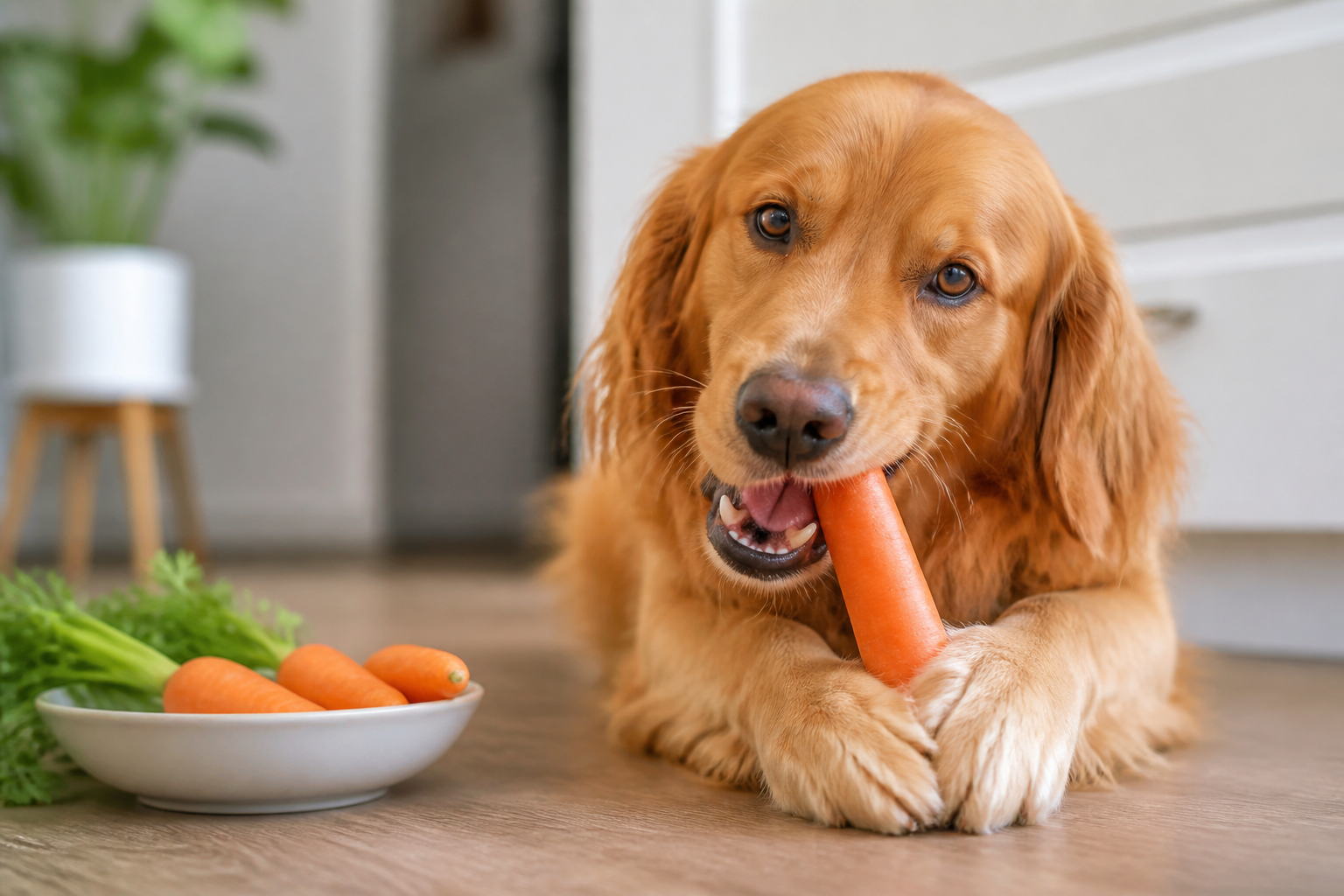
You are in the kitchen preparing dinner and your dog is sitting at your feet. Every time a piece of carrot hits the cutting board, those puppy dog eyes look up at you. You might have heard that these orange vegetables act like a natural toothbrush. It is a common belief among pet owners that the satisfying crunch of a raw carrot can scrub away dental issues. At BaxterBoo, we want to help you understand what actually happens when your dog munches on these healthy snacks. This article covers the dental benefits of carrots, the nutritional value they provide, and the safety steps you should take. We will also look at why carrots are only one small part of a complete oral hygiene routine. While carrots are a fantastic treat, they are not a total replacement for professional care.
Quick Answer: Raw carrots can help clean a dog's teeth by gently scraping away plaque through mechanical action as they chew. However, they are not abrasive enough to remove hardened tartar or replace the need for regular brushing.
How Chewing Carrots Impacts Dental Health
When your dog bites into a firm, raw carrot, the vegetable acts as a mild abrasive. The texture of the carrot fiber rubs against the surface of the tooth. This mechanical action can help pull away some of the soft, sticky plaque that accumulates after meals. It is similar to how a person might eat an apple to feel a bit cleaner between brushings.
Chewing also serves another important purpose. It stimulates the production of saliva in your dog’s mouth. Saliva is a natural defense mechanism for oral health. It contains enzymes and antibacterial properties that help neutralize acids. It also helps wash away small food particles before they can settle into the gum line.
However, there is a limit to what a carrot can do. Plaque eventually hardens into tartar, which is also known as dental calculus. Tartar is like concrete on the teeth. Once it has formed, no amount of carrot chewing will scrape it off. This is why you might see a dog who eats carrots daily but still has brown buildup near the gums.
The Scissor Bite Advantage
Dogs have a specific way of chewing called a scissor bite. Their premolars and molars are designed to shear and grind. When they work through a tough carrot, they use these back teeth extensively. This means the back of the mouth often gets the most benefit from the scrubbing action.
The front teeth, or incisors, do not get as much contact with the carrot during the chewing process. Most dogs gulp small pieces or use their back teeth to do the heavy lifting. If your dog is a "gulper" who swallows treats whole, they will get zero dental benefits from a carrot. The tooth must physically rub against the fiber for the cleaning to happen.
Comparing Carrots to Dental Chews
Carrots are a whole food, which many owners prefer over processed treats. But specifically designed dental chews often outperform carrots for cleaning. This is because dental chews are engineered to be the right consistency. They often have ridges or shapes that reach deeper into the gaps between teeth. You can explore our dental chews and treats for products designed specifically for oral care.
Many high quality dental treats also contain ingredients that help break down the biofilm of plaque. Carrots rely entirely on physical rubbing. They do not have the chemical staying power of a treat designed for oral health.
Key Takeaway: Carrots offer a natural way to reduce daily plaque through mechanical scrubbing and saliva stimulation. They are a great supplement but cannot remove hardened tartar or reach every surface of the tooth.
Nutritional Benefits Beyond the Crunch
Carrots are more than just a dental tool. They are a nutritional powerhouse for your dog. They are very low in calories, making them an excellent choice for dogs watching their weight. A medium carrot typically has only a few calories. This makes it a much safer reward than many fatty, store bought biscuits. You can also browse our carrot dog treats for other carrot-based snack options.
Carrots are famous for their beta-carotene content. Your dog's body converts beta-carotene into Vitamin A. This vitamin is essential for several bodily functions. It supports healthy vision, particularly in low light settings. It also plays a role in maintaining a strong immune system and healthy skin.
Essential Vitamins and Minerals
Beyond Vitamin A, carrots provide several other nutrients that support your dog's overall wellness. Each bite includes the following:
- Vitamin K: This is vital for blood clotting and bone health.
- Potassium: An essential electrolyte that helps with nerve function and muscle health.
- Vitamin B6: This helps your dog's body turn food into energy.
- Calcium: While found in smaller amounts, it contributes to the strength of bones and teeth.
These nutrients work together to keep your dog feeling their best. The Vitamin A and calcium are particularly important for the formation of the teeth and bones. Feeding carrots can actually help support the internal structure of the tooth, even if the external cleaning is limited.
The Power of Fiber
Carrots are rich in both soluble and insoluble fiber. Soluble fiber helps regulate blood sugar levels. Insoluble fiber adds bulk to the stool and helps keep the digestive tract moving. If your dog occasionally struggles with loose stools or constipation, a small amount of carrot might help.
The fiber also helps your dog feel full. If you have a dog that always seems hungry, adding a few carrot slices to their meal can provide satiety without adding excess weight. This is a common trick used by owners of breeds prone to obesity.
Bottom line: Carrots are a low calorie, nutrient dense snack that supports vision, immunity, and digestive health through vitamins and fiber.
Safety Considerations for Feeding Carrots
Even though carrots are safe, you should follow some basic rules to keep your dog healthy. The most significant risk with raw carrots is choking. This is especially true for small breeds or dogs that tend to swallow their food without chewing.
A whole carrot can easily get lodged in a dog's throat. It is always better to prepare the carrot based on your dog's size and eating habits. For some, this might mean long, thin sticks. For others, bite sized rounds are safer.
Monitoring Sugar Content
Carrots have more natural sugar than many other vegetables like green beans or broccoli. For a healthy dog, this sugar is not an issue when fed in moderation. However, if your dog has diabetes, you must be more careful.
Sugar can cause spikes in blood glucose levels. Always check with your veterinarian before adding carrots to a diabetic dog's diet. They can help you determine the exact portion that is safe for your pet's specific needs.
Understanding Digestibility
You might notice something strange in your dog's poop after they eat raw carrots. Often, you will see bright orange chunks that look exactly like the pieces they swallowed. This happens because dogs have a short digestive tract. They cannot always break down the tough cellulose walls of raw vegetables.
If you are feeding carrots purely for nutrition, lightly steaming them is better. Cooking breaks down those cell walls and makes the vitamins more available to the body. If you are feeding them for dental health, raw is the way to go. The hardness of the raw vegetable is what provides the cleaning action.
Vet Tip: Always supervise your dog when they are chewing on hard vegetables or treats. If your dog has existing dental pain, loose teeth, or bleeding gums, consult a veterinarian before giving them hard snacks like raw carrots.
How to Prepare Carrots for Your Dog
There are several ways to serve carrots depending on what you want to achieve. Each method has its own set of benefits.
Raw Carrot Sticks
This is the best method for dental cleaning. Choose carrots that are organic if possible to avoid pesticides. Wash them thoroughly. You do not necessarily need to peel them, but removing the outer skin can make them cleaner.
- Wash the carrot under cool water.
- Trim off the green leafy top.
- Slice the carrot into manageable pieces.
- For large dogs, a whole large carrot may be fine.
- For small dogs, thin sticks about the size of a French fry are safer.
Frozen Carrots
Frozen carrots are excellent for teething puppies. The cold temperature helps soothe inflamed gums. The extra hardness of the frozen vegetable also provides a longer lasting chew. This can keep a bored dog occupied for a few minutes. For additional ideas, read about puppy teething toys and safe chewing options.
To make these, simply wash and cut your carrots, then place them in a freezer bag. Give them a few hours to harden completely. These make a refreshing snack on a hot summer day in Illinois or anywhere else.
Steamed or Pureed
If your senior dog has missing teeth or sensitive gums, they might not be able to handle a raw carrot. You can still give them the nutritional benefits by steaming the carrots until they are soft. You can also puree them and mix them into their regular kibble. This adds flavor and moisture to their meal without the risk of choking.
Mini Next Steps for Success
- Start with a small amount to ensure no stomach upset.
- Observe your dog's chewing style to prevent choking.
- Check your dog's stool the next day for any signs of indigestion.
- Limit carrot treats to no more than ten percent of their daily calories.
The BaxterBoo Guide to a Complete Dental Routine
While we love the idea of using natural foods, we know that carrots are just one piece of the puzzle. At BaxterBoo, we recommend a multi-tiered approach to oral hygiene. Relying only on carrots is like a human only eating apples and never visiting the dentist. For more guidance, review our pet dental care tips.
The gold standard for dog dental care is daily brushing. You should use a toothpaste specifically formulated for dogs. Human toothpaste contains xylitol or fluoride, both of which are toxic to pets. A dog specific brush will have a longer handle and softer bristles to reach those back molars where carrots might miss.
Using Dental Chews and Toys
If your dog hates the toothbrush, dental chews are the next best thing. Look for products that carry the VOHC (Veterinary Oral Health Council) seal. This seal means the product has been tested and proven to reduce plaque and tartar. Brands like Greenies or specialized dental toys from Kong can provide a consistent cleaning experience.
Rubber toys with ridges can also help. You can even smear a little bit of dog safe peanut butter into the grooves of a dental toy. As the dog licks and chews, the rubber nubs rub against the teeth and gums. This provides a similar mechanical cleaning to the carrot but is often more durable.
Professional Cleanings and the Pharmacy
Sometimes, despite your best efforts, your dog will develop dental disease. This is very common in older pets. Signs of trouble include very bad breath, red gums, or a reluctance to eat hard food. In these cases, a professional cleaning at the vet is necessary. You can also read about warning signs of dental problems in dogs.
Our pharmacy at BaxterBoo offers a variety of solutions for ongoing health management. Through our partnership with Pet's Choice, we provide access to FDA-approved medications and prescription diets. Some of these prescription foods are specifically designed with a larger kibble size and a special fiber matrix. This ensures the kibble does not shatter when the dog bites it, but instead scrubs the tooth all the way to the gum line. If your vet recommends a specific dental diet or oral medication, we can help you fulfill that through our pharmacy services.
Key Takeaway: A complete dental routine includes daily brushing, VOHC-approved chews, and regular veterinary checkups. Use carrots as a healthy, supplemental treat rather than the primary cleaning method.
Alternatives to Carrots
If your dog is not a fan of carrots, or if you want to mix things up, there are other safe fruits and vegetables. Each offers a different texture and nutritional profile.
Apples
Apples provide a similar crunch to carrots. They are also high in fiber and Vitamin C. Always remove the seeds and the core before giving them to your dog. Apple seeds contain trace amounts of cyanide, which can be harmful over time. Sliced apples are a great way to provide a sweet, crunchy snack that helps with saliva production.
Green Beans
Green beans are the ultimate "diet" treat. They are very low in calories and provide a satisfying snap. Many veterinarians recommend replacing a portion of a dog's kibble with green beans to help them lose weight. They do not provide as much scrubbing action as a carrot, but they are very safe and easy to digest.
Celery
Celery is very fibrous. When a dog chews on it, the strings can act almost like dental floss. It is also mostly water, which makes it very hydrating. The main downside is that some dogs find the taste a bit bland. If your dog likes it, celery is an excellent low calorie dental aid.
Raw Bones
Some owners use raw meaty bones to clean teeth. These are very effective at removing tartar. However, they come with risks. Bones can splinter, cause blockages, or even break teeth if they are too hard. If you choose to use bones, they must be raw. Never give your dog cooked bones, as the cooking process makes them brittle and dangerous.
Common Misconceptions About Dog Teeth
There are many myths surrounding dog dental health. One common myth is that dry kibble cleans teeth. While it is better than wet food in some cases, most kibble is too small. Dogs often swallow it whole or it shatters instantly. It does not provide the prolonged chewing needed to clean the teeth.
Another myth is that bad breath is just a "dog thing." In reality, chronic bad breath is usually a sign of bacteria and decay. If your dog's breath is strong enough to clear a room, it is time for a vet visit. No amount of carrots will fix an underlying infection in the gums.
The Role of Genetics
It is important to remember that some dogs are simply more prone to dental issues. Small breeds, like Chihuahuas or Yorkies, often have crowded mouths. This creates many small crevices where bacteria can hide. These dogs need much more frequent dental care than a large breed with plenty of space between their teeth.
If you have a breed prone to dental issues, being proactive is key. Start a brushing routine while they are puppies. Use high quality treats and consider our MVP Rewards program at BaxterBoo to save on the supplies you need for long term care.
Conclusion
Carrots are a wonderful addition to your dog’s life. They provide a satisfying crunch that helps manage plaque, and they are loaded with vitamins that support everything from vision to digestion. While they are not a miracle cure for dental disease, they are one of the healthiest treats you can offer. By combining raw carrots with regular brushing and professional veterinary care, you can help your dog maintain a bright and healthy smile for years to come. We are proud to have been helping pet parents since 2006 with expertly curated products. Whether you need a new toothbrush, a bag of healthy treats, or prescription support through our pharmacy, we are here to help.
- Carrots provide mechanical scraping to help remove soft plaque.
- Vitamin A and antioxidants in carrots support overall health.
- Always cut carrots into safe sizes to prevent choking.
- Maintain a full routine of brushing and vet visits for the best results.
For more specialized dental support, explore our dog dental care category or check out our dental care collection. If your vet has prescribed a specific dental diet, visit the BaxterBoo pharmacy section to see how our partnership with Pet's Choice can make your refills simple and affordable.
FAQ
Can carrots replace brushing my dog's teeth?
No, carrots cannot replace regular brushing. While the crunch of a carrot helps scrape away some surface plaque, it cannot reach the gum line or the tiny gaps between teeth where bacteria hide. Brushing with dog specific toothpaste remains the only way to thoroughly clean all tooth surfaces and prevent gum disease.
Is it safe for my dog to eat a whole raw carrot?
It depends on the size of your dog and their chewing habits. For large dogs that chew thoroughly, a whole carrot can be a safe and engaging treat. However, for small dogs or those that "gulp" their food, a whole carrot is a serious choking hazard. It is usually safer to cut the carrot into sticks or bite sized rounds before serving.
How many carrots can I give my dog each day?
Carrots should be treated like any other snack and should not make up more than ten percent of your dog's daily calorie intake. For most medium sized dogs, a few slices or one small carrot a day is plenty. Because carrots contain natural sugars and high fiber, overfeeding can lead to an upset stomach or loose stools.
Can carrots help a teething puppy?
Yes, carrots are an excellent tool for teething puppies. Giving a puppy a cold or frozen carrot can help numb their sore gums and provide a safe outlet for their urge to chew. Just be sure to supervise them closely to ensure they do not break off and swallow a large chunk that could cause a blockage.






