
 Save 15% on your 1st Autoship learn more

 Email us
 Live Chat
 FAQs
FAQs





Introduction
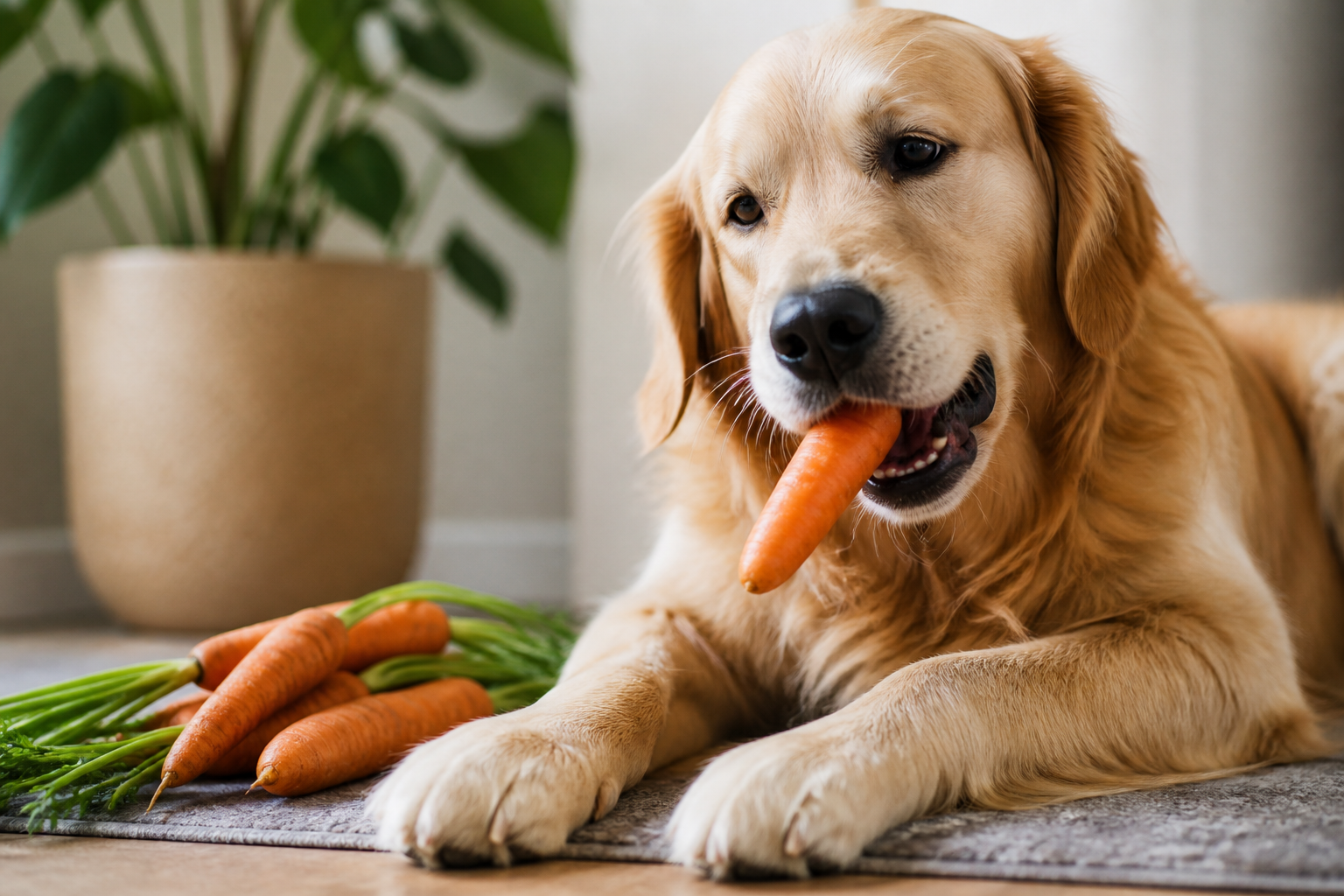
Many dog owners find themselves in the kitchen, peering into the vegetable crisper and wondering if a simple snack could save a trip to the dental specialist. You might have heard that tossing your dog a raw carrot acts like a natural toothbrush. It is a common scene: a dog happily crunching away on a bright orange root while the owner hopes those pearly whites are getting a good scrub. At BaxterBoo, we know that dental health is a top priority for pet parents who want to avoid the stress of professional cleanings.
This post covers the reality of using carrots for canine oral hygiene, including the benefits and the significant limitations. We will look at how the mechanical action of chewing works and why carrots are only one small part of a larger dental plan. While carrots are a healthy treat, they cannot replace a complete oral care routine.
Quick Answer: Raw carrots can help clean a dog's teeth through mechanical abrasion as they chew, which helps rub away some surface plaque. However, they are not effective at removing hardened tartar and should only be used as a supplement to regular brushing and professional veterinary care.
How Chewing Carrots Affects Dental Health
The primary way carrots help clean teeth is through mechanical abrasion. When a dog bites into a firm, raw carrot, the fiber in the vegetable rubs against the surface of the tooth. This action is similar to how the bristles of a toothbrush work. It can help dislodge food particles and scrape away a portion of the soft plaque that accumulates throughout the day.
Chewing also triggers the production of saliva. Saliva is a natural defense mechanism in the mouth. It contains enzymes and antibacterial agents that help neutralize the acids produced by oral bacteria. Increased saliva flow helps wash away debris and keeps the environment of the mouth more balanced.
However, carrots are not a miracle cure for bad breath or yellowing teeth. They are most effective at cleaning the large, flat surfaces of the teeth. They often fail to reach the tiny crevices along the gumline where periodontal disease typically starts. Bacteria tend to hide in these hard to reach areas, and a carrot simply cannot navigate those gaps like a specialized dental tool or a soft-bristled brush.
The Difference Between Plaque and Tartar
It is important to understand what a carrot can and cannot remove. Plaque is a soft, sticky film of bacteria that forms on the teeth every day. Because it is soft, the crunch of a carrot can indeed move some of it.
Tartar, also known as calculus, is a much bigger problem. When plaque is not removed, it reacts with the minerals in your dog's saliva and hardens into tartar within 24 to 48 hours. Once tartar has formed, it is like concrete. No amount of carrot chewing will scrape it off. Only a professional veterinary cleaning using ultrasonic scalers can safely remove tartar from the teeth and under the gums. For additional guidance, read our pet dental care tips.
Key Takeaway: Carrots provide a "scrubbing" effect that helps manage daily plaque but does nothing to remove hardened tartar.
Nutritional Benefits Beyond the Crunch
While you might be focused on dental health, carrots offer plenty of other benefits for your dog. They are low in calories and fat, making them an excellent alternative to processed biscuits. This is especially helpful for dogs that need to maintain a healthy weight. You can also explore our dog treats for additional snack options.
Carrots are packed with several key nutrients:
- Vitamin A: Essential for immune function, skin health, and vision.
- Fiber: Supports healthy digestion and can help firm up loose stools.
- Vitamin K: Important for bone health and proper blood clotting.
- Potassium: Helps with nerve function and muscle health.
- Antioxidants: Like beta-carotene, which help protect cells from damage.
For many owners, the best part of the carrot is its versatility. You can serve them raw for the dental benefits or lightly steamed to make the nutrients more bioavailable. When carrots are cooked, the tough cellular walls of the vegetable break down. This makes it easier for your dog's body to absorb the beta-carotene and other vitamins.
Vet Tip: If you notice large chunks of orange in your dog's stool after they eat raw carrots, it means they are not fully digesting the vegetable. Try grating the carrot or lightly steaming it to help their digestive system process the nutrients, though this will reduce the teeth cleaning effect.
The Risks and Downsides of Carrots
Despite their healthy reputation, carrots are not perfect for every dog. One of the biggest concerns is the sugar content. Carrots have a higher natural sugar content than many other vegetables. While this makes them delicious, it can be a problem for certain dogs.
If your dog is managing diabetes or is significantly overweight, you should be careful with carrot intake. The sugars can cause spikes in blood glucose levels. Always consult your veterinarian before adding new treats to a diabetic dog's diet.
Choking Hazards and Blockages
The physical structure of a carrot can also pose a risk. Some dogs are "gulpers" who try to swallow treats as fast as possible. If a dog bites off a large chunk of a hard carrot and swallows it whole, it can become a choking hazard. In rare cases, large undigested pieces of carrot can even contribute to an intestinal blockage.
To minimize this risk, always supervise your dog when they are chewing on a whole carrot. If you have a small dog, consider slicing the carrot into bite-sized rounds or using "baby" carrots. Even then, watch to ensure they are actually chewing the pieces rather than swallowing them whole.
Vitamin A Toxicity
It is very difficult for a dog to get Vitamin A toxicity from whole vegetables alone. However, if your dog is already on a high-quality commercial diet and takes various supplements, you should monitor their total Vitamin A intake. Too much of this fat-soluble vitamin can lead to joint pain, stiffening of the limbs, and skin issues. Most healthy dogs can handle a few carrots a week without any issue, but moderation is always the safest path.
How to Prepare Carrots for Oral Health
To get the most dental benefit, raw is the way to go. The hardness of the raw vegetable provides the resistance needed to scrape the teeth. If you want to increase the challenge, you can try freezing the carrots.
Step 1: Wash and Peel
Scrub the carrots thoroughly to remove any dirt or pesticides. Peeling is not strictly necessary but can help if you are worried about surface contaminants. Remove the green tops, as they can be bitter and may cause stomach upset in some dogs.
Step 2: Choose the Right Size
For large dogs, a whole, large carrot is often best. It forces them to hold the carrot with their paws and use their back molars to break it down. For smaller breeds, baby carrots or thick slices are safer. Avoid thin "coins" that can easily be swallowed without chewing.
Step 3: Use as an Occasional Treat
Do not make carrots the main part of the diet. They should follow the "10 percent rule" for treats. This means all treats combined should not make up more than 10 percent of your dog's daily caloric intake.
Step 4: Monitor the Results
Check your dog's poop the next day. If they are having trouble digesting the raw pieces, you may see bits of carrot. If this happens frequently or causes diarrhea, you may need to switch to a different type of dental chew or prepare the carrots differently.
Bottom line: Raw, frozen carrots offer the best mechanical cleaning, but they must be sized correctly to prevent choking.
A Complete Dental Care Strategy
At BaxterBoo, we believe in a multi-layered approach to pet health. Relying only on carrots is like a human only eating apples and never using a toothbrush. To truly keep your dog's mouth healthy, you need a routine that involves several different steps. Browse our dog healthcare collection for products that can complement your dog's routine.
Brushing is Still the Gold Standard
Nothing beats a toothbrush and pet-safe toothpaste. Brushing allows you to reach the gumline and the backs of the teeth where plaque accumulates the most. You should aim to brush your dog's teeth at least three times a week, though every day is ideal.
Never use human toothpaste on your dog. It often contains Xylitol, which is highly toxic to dogs, and foaming agents that can upset their stomachs. We carry a variety of poultry and beef-flavored toothpastes that make the experience much more pleasant for your pet.
Specialized Dental Treats
While carrots are good, VOHC-approved dental treats are often better. The Veterinary Oral Health Council (VOHC) awards its seal to products that have been scientifically proven to reduce plaque or tartar. Brands like Greenies or certain Royal Canin dental diets are specifically engineered with a texture that surrounds the tooth as the dog bites down. This provides a much more thorough cleaning than the simple surface scrape of a carrot.
Dental Toys and Chews
Durable rubber toys with ridges and nubs can also help. As your dog gnaws on a toy, the textures massage the gums and help scrape the teeth. You can even smear a little bit of dog-safe toothpaste or a tiny bit of coconut oil inside the ridges of a toy to encourage chewing and provide extra cleaning power.
Key Takeaway: Combine carrots with regular brushing and VOHC-approved treats for the most effective oral hygiene routine.
When to See the Veterinarian
Even with the best home care, most dogs will eventually need professional dental attention. Many dogs show signs of dental disease by the age of three. It is a silent condition because dogs are experts at hiding pain. They will often continue to eat even if they have a broken tooth or an abscess. Learn more about warning signs of dental disease in dogs.
Look for these warning signs:
- Extremely bad breath (halitosis)
- Red, swollen, or bleeding gums
- Yellow or brown crust (tartar) on the teeth
- Drooling more than usual
- Pawiness at the mouth or face
- Dropping food while eating or chewing on only one side
If you notice these symptoms, it is time for a professional exam. Your vet can perform a thorough check and determine if your dog needs a cleaning under anesthesia. This is the only way to clean deep under the gumline and take X-rays to check for bone loss or hidden infections.
For dogs with chronic dental issues or those who have had several extractions, your vet might recommend a prescription dental diet. Our pet pharmacy carries a wide range of FDA-approved medications and specialized prescription foods through our partnership with Pet's Choice. These diets are specifically formulated to support oral health in ways that standard grocery store kibble cannot.
Vet Tip: Annual dental exams are crucial. What looks like a simple stained tooth to an owner might actually be a painful fracture that requires professional treatment to prevent infection.
Comparison of Dental Cleaning Methods
| Method | Best For | Pros | Cons |
|---|---|---|---|
| Carrots | Daily plaque management | Low calorie, inexpensive, nutritious | High sugar, cannot remove tartar, choking risk |
| Brushing | Deep cleaning at gumline | Most effective, removes plaque before it hardens | Requires training, can be difficult with picky dogs |
| Dental Chews | Plaque and tartar prevention | Scientifically tested, very palatable | Adds calories to diet, can be expensive over time |
| Dental Toys | Enrichment and cleaning | Long-lasting, no extra calories | Effectiveness varies by toy design and chew style |
| Vet Cleaning | Removing hardened tartar | Professional, handles infections and fractures | Requires anesthesia, higher cost |
Summary of Using Carrots for Teeth
Carrots are a wonderful, healthy addition to your dog's life. They provide essential vitamins and a satisfying crunch that can help keep plaque levels down. However, they should be viewed as a healthy snack rather than a medical tool.
To keep your dog's smile bright, remember these points:
- Use raw, whole carrots for the best mechanical cleaning.
- Supervise your dog to prevent choking.
- Limit carrots for dogs with diabetes or weight concerns.
- Never rely on carrots to fix existing dental problems like tartar or gum disease.
- Maintain a routine of brushing and regular veterinary checkups.
Bottom line: Carrots are a helpful supplement to a dog's dental routine, but they cannot replace the effectiveness of brushing and professional care.
If you are looking for more ways to support your dog's oral health, we invite you to browse our curated selection of dental care products. From toothbrushes and flavored pastes to VOHC-approved treats and toys, we have the tools you need to keep your pet healthy. You can even set up an Autoship order for your favorite dental chews so you never run out, earning MVP Rewards along the way. For those needing prescription-strength support, visit our pharmacy section to see how we can help manage your dog's long-term health needs.
FAQ
Can frozen carrots help with puppy teething?
Yes, frozen carrots are an excellent tool for teething puppies. The cold temperature helps soothe inflamed gums and provides a numbing effect, while the hard texture satisfies the natural urge to chew. Just be sure to supervise the puppy to ensure they do not swallow large chunks of the carrot as it thaws and breaks apart.
How many carrots can my dog eat per day?
While carrots are healthy, they should be given in moderation due to their sugar and fiber content. For a medium-sized dog, one large carrot or a few baby carrots a day is usually plenty. Large amounts of fiber can cause digestive upset or diarrhea if introduced too quickly, so start with small pieces and see how your dog reacts.
Will carrots make my dog's breath smell better?
Carrots can help freshen breath slightly by removing food particles and plaque that cause odors. However, if your dog has truly foul breath, it is likely a sign of underlying dental disease, infection, or a digestive issue. In these cases, a carrot will not solve the problem, and you should consult your veterinarian for a thorough oral examination.
Are raw carrots better than cooked carrots for teeth?
Raw carrots are much better for cleaning teeth because their firm texture provides the necessary abrasion to scrape away plaque. Cooked carrots become soft and lose their "scrubbing" ability. While cooked carrots are easier to digest and better for nutrient absorption, they do not offer any significant dental benefits for your dog.






