
 Save 15% on your 1st Autoship learn more

 Email us
 Live Chat
 FAQs
FAQs





Introduction
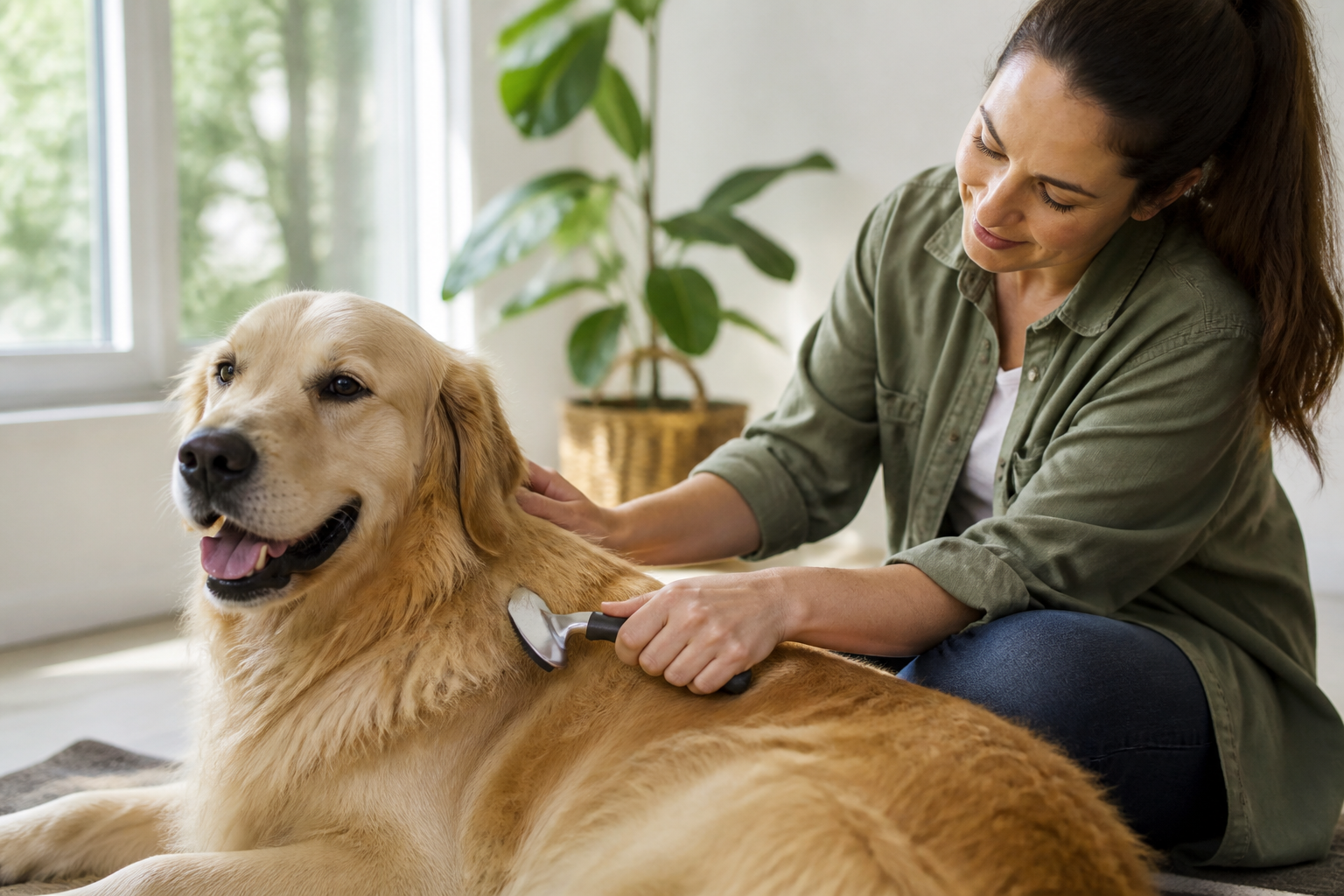
You are standing in your living room looking at a pile of fur that seems large enough to form a second dog. You reach for a heavy duty deshedding tool but hesitate as you look at those sharp metal teeth. It is a common worry for many pet owners who want to manage the mess without causing their best friend any pain. At BaxterBoo, we know that grooming is about more than just aesthetics. It is a vital part of your dog's physical health and comfort. This post covers how different deshedding tools work and how to use them without causing skin irritation or coat damage. We will also look at which tools suit specific coat types. Our goal is to help you keep your home clean while keeping your dog happy and comfortable.
Quick Answer: Deshedding brushes generally do not hurt dogs when used correctly on the appropriate coat type. However, tools with bladed edges can cause "brush burn" or skin nicks if you apply too much pressure or use them on sensitive areas. Always choose a tool designed for your dog's specific fur type and use a light hand.
Understanding How Deshedding Tools Work
A standard brush focuses on the top layer of fur to remove dust and tangles. A deshedding tool is different. It is designed to reach past the topcoat to pull out the loose, dead hairs from the undercoat. This is where the bulk of shedding comes from, especially in double coated breeds like Labs or Huskies.
Many of these tools use a stainless steel edge with very fine teeth. These teeth act like a tiny comb that grabs onto the dead hair of the undercoat. If the tool has a bladed edge, it may also cut through some of the guard hairs. This is why technique matters so much. When you use the tool correctly, it should glide through the fur and only catch the hair that is already loose.
If you have a dog with a single coat, like a Greyhound or a Poodle, these tools are often unnecessary. Using a heavy undercoat rake on a dog without an undercoat can lead directly to skin contact. This is often where the "hurt" happens.
The Risk of Brush Burn and Skin Irritation
The most common injury from grooming tools is called brush burn. This happens when the metal teeth or blades scrape against the skin repeatedly in the same spot. It looks like a red, inflamed patch of skin. It can be quite painful for your dog.
Dogs have thinner skin than humans do. What feels like a light scratch to you might feel much sharper to them. Some areas of the body are more sensitive than others. You should be especially careful around the belly, the inner thighs, and the ears.
Key Takeaway: Proper grooming should never involve "scrubbing" the skin with a metal tool. If your dog flinches or the skin turns pink, you are using too much pressure or the wrong tool for that area.
Common Signs of Grooming Discomfort
- Flinching or pulling away during the session.
- Whining or growling when the brush touches a specific spot.
- Excessive licking or scratching at the skin after grooming.
- Visible redness or small scratches on the skin surface.
- Patches of fur that look "chewed" or uneven.
Bladed Tools vs. Traditional Rakes
There is a big difference between a bladed deshedding tool and a traditional undercoat rake. Brand names like Furminator are very popular because they remove a massive amount of hair quickly. However, these tools are essentially a row of tiny blades.
If you use a bladed tool too often, you might actually be cutting the healthy topcoat. This can change the texture of your dog's fur over time. It can make the coat feel scratchy or look dull. For many dogs, a simple undercoat rake with rounded metal pins is a safer choice. These pins reach deep into the fur but do not have a sharp edge that can cut the skin or the hair.
We carry a variety of options including our dog brushes and combs and various slickers that provide a gentler experience. If your dog has a history of skin sensitivity, a rubber curry brush is often the safest starting point. It uses friction rather than sharp teeth to pull out loose hair.
Choosing the Right Tool for the Coat
Not every dog needs a heavy duty deshedding tool. Using the wrong brush is the fastest way to cause pain.
Double Coated Breeds
Dogs like German Shepherds, Golden Retrievers, and Pomeranians have a soft undercoat and a tougher topcoat. They need a tool that can reach deep. An undercoat rake with long, rotating pins is excellent here. It prevents the tool from "tugging" too hard on the hair.
Short or Smooth Coated Breeds
Boxers, Dalmatians, and Beagles shed, but they do not have a thick undercoat. A bladed metal tool is often too harsh for them. For these dogs, a rubber brush or a soft bristle brush is best. These tools massage the skin and distribute natural oils without the risk of scratching.
Curly or Wire Coated Breeds
Poodles and some Terriers have hair that keeps growing rather than shedding out constantly. These dogs usually need a slicker brush to prevent mats. Using a deshedding tool on a Poodle can damage the hair follicles and cause significant discomfort.
Vet Tip: If your dog has an ongoing skin condition, such as allergies or hot spots, consult your veterinarian before using any metal grooming tools. Our pet pharmacy offers prescription shampoos and skin treatments that may support your dog's care when prescribed by a veterinarian.
How to Prevent Pain During Grooming
The secret to a pain free grooming session is preparation. You should never try to pull a deshedding tool through a mat or a tangle. This will pull on the skin and cause immediate pain.
Step 1: Inspect the skin.
Look for any bumps, scratches, or irritated spots. Avoid these areas entirely.
Step 2: Remove mats first.
Use a wide tooth comb or a dematting tool to gently break up knots. If the mat is too close to the skin, it may need to be clipped out by a professional.
Step 3: Work in sections.
Do not just brush the whole back at once. Work on one small area at a time. This allows you to monitor the skin for redness.
Step 4: Use the "Light Touch" rule.
Hold the tool with just two or three fingers. If you have to grip it with your whole fist to get it through the fur, you are pulling too hard. The weight of the tool itself should provide most of the pressure.
The Role of Bathing in Deshedding
Many people skip the bath and go straight to the brush. This is a mistake. A bath helps loosen the dead hair before you ever touch a brush. Using a high quality shampoo and conditioner reduces friction.
After the bath, drying the dog thoroughly is key. If you use a high velocity dryer, you will see a lot of the undercoat simply blow away. This reduces the amount of mechanical brushing you need to do later. It is much more comfortable for the dog to have hair blown out than pulled out.
We recommend brands like Earthbath or TropiClean for a gentle cleaning experience. If your dog has very dry skin, look for formulas with oatmeal or aloe. Healthy skin is less likely to get irritated by grooming tools.
Managing Senior Dogs and Puppies
Both puppies and senior dogs have extra sensitive skin. Puppies are also learning how to behave during grooming. If you hurt them once with a sharp brush, they may be terrified of grooming for the rest of their lives.
For seniors, their skin loses elasticity as they age. It becomes thinner and more prone to tearing. You should also be mindful of their joints. Holding a senior dog in one position for a long time can be painful. Keep sessions short and use the softest tools possible.
Bottom line: Start with the gentlest tool that gets the job done and only move to more aggressive tools if necessary.
When to See a Professional
Sometimes, the shedding is too much for a home tool to handle. If your dog is heavily impacted, meaning the undercoat has formed a solid layer against the skin, home deshedding tools will definitely hurt. They will tug on that solid layer and pull the skin.
In these cases, a professional groomer is the safest choice. They have the equipment to "power wash" the undercoat out. They can also tell you if the shedding is normal or if it might be a sign of a health issue like hypothyroidism.
If you notice your dog's skin is constantly red or they are losing hair in circular patches, it is time for a vet visit. Our pharmacy carries prescription medications for skin infections and parasites that might be causing excessive hair loss. You can access these through our pet pharmacy when you have a valid prescription.
Nutrition and Coat Health
A dog that eats high quality food will often shed less than a dog on a poor diet. Omega fatty acids are essential for keeping the hair firmly rooted and the skin supple. Brands like Stella and Chewy's or Open Farm offer recipes rich in these nutrients.
If the skin is healthy, it can handle the occasional deshedding session much better. Dry, flaky skin is easily damaged by metal pins and blades. Consider adding a fish oil supplement to your dog's diet if you notice their coat is brittle.
- Check for Omega 3 and 6 on the label.
- Ensure the protein source is high quality.
- Keep your dog hydrated to maintain skin elasticity.
The Importance of Routine
The best way to ensure deshedding tools do not hurt is to use them regularly. If you only brush your dog once every three months, the hair will be much harder to remove. This leads to more pulling and more pressure.
Brushing for five minutes every few days is much better than a marathon one hour session. It keeps the hair manageable and keeps your dog used to the sensation. It also gives you a chance to check for ticks, fleas, or new lumps on a regular basis.
Key Takeaway: Consistency is the key to comfort. Frequent, gentle grooming prevents the need for aggressive deshedding later on.
Summary of Safe Grooming Practices
To keep your dog's skin safe and their coat healthy, follow these basic rules. Grooming should be a bonding time, not a source of stress or pain.
- Always brush in the direction of hair growth.
- Never use a deshedding tool on wet fur unless it is specifically designed for it.
- Keep the tool flat against the coat rather than digging the corners in.
- Limit the use of bladed tools to once a week or less.
- Reward your dog with treats to create a positive association.
We want every pet owner to feel confident in their grooming routine. By choosing the right tools from our dog grooming collection and using them with care, you can keep your home fur free and your dog's skin healthy. If you are unsure about a specific tool, our team is always here to help you find the best match for your pet's unique needs.
Conclusion
Deshedding brushes are powerful tools that can make life with a shedding dog much easier. While they can cause discomfort if used improperly, they are not inherently painful. By understanding your dog's coat type, using light pressure, and maintaining a regular routine, you can avoid common issues like brush burn. Always prioritize your dog's comfort over the amount of fur you are removing. If you ever see signs of skin distress, take a break and consult your vet.
Bottom line: A gentle hand and the right tool for the coat type make deshedding a safe, pain free process.
For everything you need to keep your dog's coat in top shape, browse our dog grooming supplies. If you're managing a skin condition, remember our pet pharmacy is available for your prescription needs. Don't forget to join the MVP Rewards programme to earn points on every grooming tool and bottle of shampoo you buy.
FAQ
How can I tell if I am pressing too hard with a deshedding tool?
A good test is to run the tool along the inside of your own forearm. If it feels scratchy or leaves a red mark on your skin, you are likely using too much pressure for your dog. You should also watch your dog's skin during the session; if it turns pink or red, stop immediately and lighten your touch.
Can I use a deshedding brush on a dog with a single coat?
It is generally not recommended to use heavy undercoat rakes or bladed deshedding tools on single coated dogs like Malteses or Greyhounds. Since these dogs lack a thick undercoat, the tool will spend too much time in direct contact with the skin, which can cause irritation. A soft bristle brush or a rubber curry comb is a much safer and more effective option for these breeds.
What should I do if my dog gets brush burn?
If you notice a red, irritated patch of skin after grooming, stop using all brushes on that area until it is fully healed. You can clean the area with a mild, pet safe antiseptic or a soothing aloe gel. If the area starts to ooze, swell, or seems very painful, consult your veterinarian to ensure no infection is developing.
How often should I use a deshedding tool on my double coated dog?
For most double coated dogs, using a deshedding tool once or twice a week is sufficient to manage shedding without damaging the coat. Over using these tools, especially those with blades, can lead to a thinning topcoat and skin sensitivity. Between sessions, a standard slicker brush or a simple comb can help keep the fur tidy without the intensity of a deep deshedding tool.






