
 Save 15% on your 1st Autoship learn more

 Email us
 Live Chat
 FAQs
FAQs





Introduction
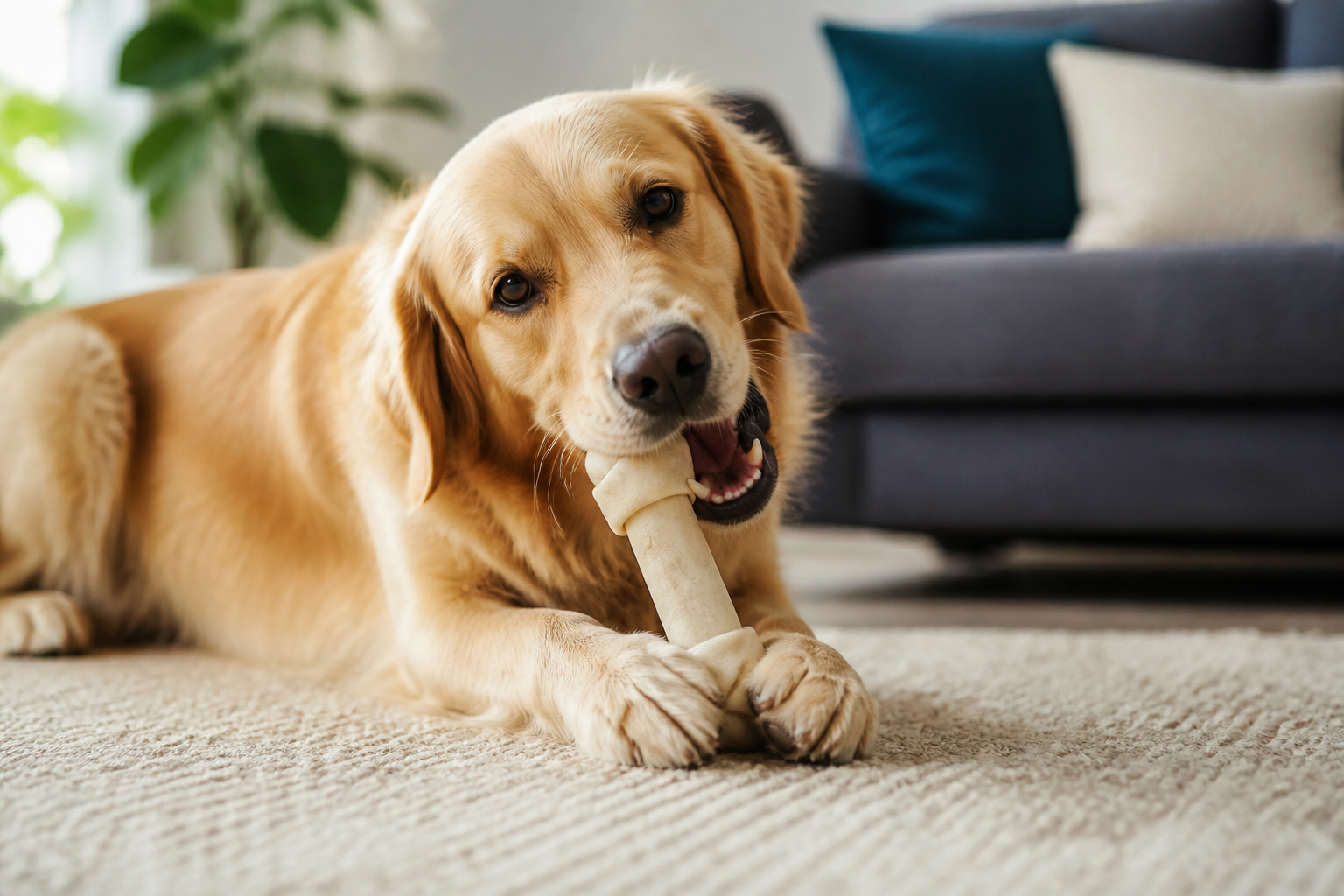
You are sitting on the sofa after a long day and your dog jumps up to give you a big, sloppy lick. Suddenly, you are hit with a wave of "dog breath" that is hard to ignore. You might look at their teeth and notice a bit of yellow buildup near the gum line. It is a common moment for many pet owners. You wonder if tossing them a bone from the butcher or a store-bought treat will fix the problem. At BaxterBoo, we hear this question frequently from people visiting our warehouse and shopping online. We want our pets to have sparkling teeth, but we also want them to be safe. This post covers the mechanics of how bones work on teeth, the risks of certain types of bones, and the best ways to maintain a healthy mouth. Natural bones can be a tool for dental health, but they are not a magic fix for every dog.
Quick Answer: Dog bones can help clean teeth by mechanically scraping away soft plaque as a dog chews. However, they cannot remove hardened tartar and carry risks like tooth fractures or digestive blockages.
The Science of Chewing: How Bones Work on Teeth
When a dog chews on a bone, they are not just passing the time. They are engaging in a mechanical process that acts like a very basic toothbrush. As the dog gnaws on the hard surface, the friction helps rub away the soft, sticky film known as plaque. This film is made of bacteria and food particles. If it stays on the teeth, it eventually hardens into tartar.
The shape of the bone matters for this process. A bone that allows a dog to use their back molars provides the most benefit. These large teeth do the heavy lifting of grinding and crushing. When a dog works on a meaty bone, they often use their front teeth to pull and their back teeth to crunch. This multi-angled approach helps clean different surfaces of the teeth.
However, the benefit is mostly limited to the surfaces the bone touches directly. It does not reach under the gum line where many dental problems start. This is why chewing is considered a supplemental tool rather than a complete solution for oral hygiene. For additional guidance, read our guide to the top pet dental care tips.
Plaque Versus Tartar: What Bones Can and Cannot Do
It is important to understand the difference between plaque and tartar to set realistic expectations. Plaque is a soft substance that forms on the teeth within hours of eating. It is easy to remove with a toothbrush, a dental chew, or a safe bone.
Tartar is a different story. When plaque is not removed, it reacts with minerals in the saliva and hardens. This hardened substance is also called calculus. Once tartar forms, it is like concrete. No amount of chewing on a bone will safely remove it. In fact, if a dog tries to chew a hard bone to break off thick tartar, they are more likely to fracture their tooth than clean it.
Key Takeaway: Bones are effective at preventing new plaque from hardening, but they cannot fix existing tartar buildup. Professional cleaning is the only way to remove hardened calculus.
Raw Meaty Bones: A Natural Toothbrush
Many proponents of raw feeding suggest that raw meaty bones are the most natural way to keep teeth clean. In the wild, canines chew on the bones of their prey. These bones are usually covered in some meat, connective tissue, and cartilage. This "messy" texture is actually beneficial.
As the dog pulls the meat off the bone, the fibers of the meat and cartilage act like dental floss. They slide between the teeth and help scrub areas that a smooth bone might miss. These bones are also typically softer and more flexible than dried or cooked versions.
If you choose to use raw bones, consider these types:
- Lamb or goat necks
- Chicken or turkey necks (for smaller dogs)
- Beef ribs
- Beef knuckles
Always ensure the bone is large enough that your dog cannot swallow it whole. A bone should be bigger than your dog's muzzle. This forces them to gnaw on it rather than trying to gulp it down.
The Dangers of Cooked Bones
One of the most important rules in pet care is to never give your dog cooked bones. Whether they are from a Sunday roast or a chicken dinner, cooked bones are dangerous. The cooking process changes the molecular structure of the bone. It makes it brittle and prone to splintering.
When a dog crunches a cooked bone, it can shatter into sharp shards. These shards can pierce the mouth, throat, or esophagus. Even worse, they can cause a perforation in the stomach or intestines. This is a life-threatening emergency that requires immediate surgery.
Cooked bones also lose the beneficial moisture and flexibility found in raw bones. They offer no nutritional or dental benefit that outweighs the extreme risk of internal injury. If your dog accidentally gets hold of a cooked bone, watch for signs of distress like gagging, vomiting, or a painful abdomen, and call your vet immediately.
Choosing the Safest Bones for Your Dog
Not all bones are created equal, and not every dog is a good candidate for bone chewing. You need to match the bone to your dog's size and chewing style. You can also compare safer options in our dog dental care collection.
Consider the Chewing Style
Some dogs are "gentle gnawers." They take their time and slowly scrape the bone. These dogs are at a lower risk for tooth fractures. Other dogs are "power chewers" or "gulpers." They try to crush the bone as fast as possible or swallow large chunks. Power chewers should avoid very hard bones like large beef femurs, as they often break their teeth trying to crack the bone.
Weight-Bearing Bones
The leg bones of large animals like cows and bison are designed to support thousands of pounds. They are incredibly dense. At BaxterBoo, we recommend being very cautious with these weight-bearing bones. They are often harder than the dog's tooth enamel. If a dog bites down with full force on a cow femur, the tooth is often what gives way first.
Better Choices for Heavy Chewers
If you have a dog that loves to chew but you worry about their teeth, look for recreational bones that are not weight-bearing. Knuckle bones are often a bit softer than leg bones. You can also look for high-quality rubber toys or nylon chews that are designed to be flexible enough to prevent fractures while still providing the scraping action needed for dental health. Our selection of dental chews and treats offers alternatives to natural bones.
Risks Associated with Chewing Natural Bones
While dental health is the goal, we must acknowledge the potential downsides of using natural bones. It is not just about the teeth; it is about the whole body.
- Gastrointestinal Obstruction: If a dog swallows a large piece of bone, it can get stuck in the digestive tract. This prevents food and water from passing and can cause tissue death in the intestines.
- Pancreatitis: Many natural bones, especially marrow bones, are very high in fat. This sudden burst of fat can trigger pancreatitis, a painful inflammation of the pancreas.
- Bacterial Infection: Raw bones can carry bacteria like Salmonella or E. coli. This can be a risk for the dog and the humans in the household who handle the bone or get "kisses" after the dog has finished chewing.
- Constipation: Eating too much bone can lead to very hard, white stools that are difficult for the dog to pass.
Vet Tip: If your dog has a history of sensitive stomach issues or pancreatitis, avoid marrow bones. The high fat content is a common trigger for digestive flare-ups. Always consult your vet before introducing bones to a dog with a chronic health condition.
Building a Complete Dental Routine
Bones can be a part of the plan, but they should not be the entire plan. A comprehensive approach is the best way to avoid expensive veterinary dental surgeries later in life.
Daily Brushing
Brushing is the gold standard of pet dental care. Even brushing two or three times a week makes a massive difference. Use a toothpaste specifically formulated for dogs, such as Nutri-Vet Dog Toothpaste, as human toothpaste contains ingredients like xylitol or fluoride that are toxic to pets.
Dental Chews and Treats
High-quality dental chews are designed to be fully digestible and have a texture that scrubs teeth. Many also contain enzymes that help break down plaque chemically. These are a safer alternative for dogs that tend to be too aggressive with natural bones. Virbac C.E.T. Enzymatic Oral Hygiene Chews are one option for adding a chew to your dog's routine.
Professional Cleanings
Just like humans, dogs need professional cleanings. Your vet can perform a thorough exam under anesthesia. This allows them to clean under the gum line and take X-rays to check for abscesses or bone loss. Our pharmacy carries prescription pet foods, including those specifically formulated for dental health like Royal Canin or Farmina Vet Life, through our partnership with Pet's Choice. These diets are designed to provide mechanical cleaning with every bite.
Water Additives and Gels
For dogs that will not tolerate brushing, dental gels and water additives can help. They work by altering the chemistry of the saliva to make it harder for plaque to stick to the teeth.
How to Supervise Bone Chewing
Never leave your dog alone with a bone. Accidents happen in an instant. A bone could get wedged on the lower jaw, or a piece could break off and become a choking hazard.
Step 1: Set a timer. / Limit chewing sessions to 15 or 20 minutes. This prevents the dog from wearing down their teeth or getting an upset stomach from too much rich marrow.
Step 2: Check the bone. / Before and after the session, look for sharp edges or cracks. If the bone has become small enough to fit entirely in the dog's mouth, throw it away.
Step 3: Watch the gums. / A little redness is normal from the friction, but if you see bleeding or if the dog seems to be in pain, take the bone away and check for gum trauma.
Signs of Dental Trouble
Even if you provide bones and chews, problems can still arise. You should regularly flip your dog's lip and look at their teeth and gums. For more warning signs, see how to recognize hidden dental problems in dogs.
- Bad Breath: Constant foul breath is a sign of infection or decay.
- Discolored Teeth: Yellow, brown, or grey teeth indicate tartar or a dead tooth.
- Red or Bleeding Gums: This is a sign of gingivitis or periodontal disease.
- Changes in Eating Habits: If your dog starts dropping food or only chewing on one side, they may have a painful tooth.
- Pawing at the Mouth: This often indicates something is stuck or a tooth is throbbing.
If you notice any of these signs, a trip to the vet is necessary. Dental pain is often hidden by dogs because of their natural instinct to hide weakness, but it can significantly impact their quality of life.
Rewarding Good Dental Habits
Maintaining your dog's teeth does not have to be a chore. You can make it a positive experience by using rewards. If your dog sits still for a quick brushing, give them a healthy treat afterward. Our MVP Rewards program is a great way to earn points on all your dental care purchases, from toothbrushes to specialized treats. You can earn up to 5% back, making it easier to stay consistent with the supplies you need.
For items you use every day, like dental chews or specific foods, consider using our Autoship service. This ensures you never run out of the tools you need to keep that breath fresh. You also save on your first order and get a free MVP Gold membership.
Key Takeaway: Consistency is more important than intensity. Brushing a few times a week and providing safe chewing outlets is better than a once-a-year focus on dental health.
Conclusion
Do dog bones help clean teeth? The answer is a cautious yes, but with many conditions. While the mechanical scraping of a bone can help manage plaque, it is not a cure for established dental disease. Safety must always come first. Avoiding cooked bones and choosing the right size for your dog's chewing style are the most important steps you can take. Remember that bones are just one piece of the puzzle. A mix of brushing, quality dental treats, and regular vet checkups is the best way to ensure your dog has a healthy mouth for years to come.
- Always supervise your dog when they have a bone or a hard chew.
- Never feed cooked bones of any kind.
- Use raw meaty bones as a supplemental treat, not a meal replacement.
- Combine chewing with regular brushing and professional veterinary care.
Bottom line: Natural bones can assist with dental hygiene, but they should be used carefully as part of a broader oral care routine.
For a wide selection of safe dental chews, toys, and healthcare products, visit our dog dental care category or check out our pharmacy for prescription dental diets.
FAQ
Can I give my dog a bone every day to clean their teeth?
It is generally better to limit bone chewing to two or three times a week. Chewing every day can lead to excessive wear on the tooth enamel and may cause digestive upset or constipation. Monitor your dog's stool and tooth condition to find the right frequency for them.
What is the safest bone for a small dog?
For small breeds, raw poultry necks like chicken or turkey are often the safest choice. They are soft enough to be crushed without breaking teeth and provide excellent mechanical cleaning. Always ensure the neck is large enough that the dog must chew it rather than swallowing it in one piece.
Are store-bought "ham bones" safe for dental cleaning?
Many commercially available ham bones are smoked or baked, which makes them more brittle than raw bones. They also tend to be very salty and high in fat, which can lead to dehydration or stomach issues. A better alternative is a high-quality dental chew or a fresh, raw beef rib bone.
How do I know if a bone is too hard for my dog?
A good rule of thumb is the "knee test." If you would not want to be hit on the kneecap with the object, it is likely too hard for your dog's teeth. Avoid antlers, hooves, and thick weight-bearing leg bones if your dog is an aggressive chewer, as these are the most common causes of fractured teeth.






