Save 15% on your 1st Autoship learn more

 Email us
 Live Chat
 FAQs
FAQs





Introduction
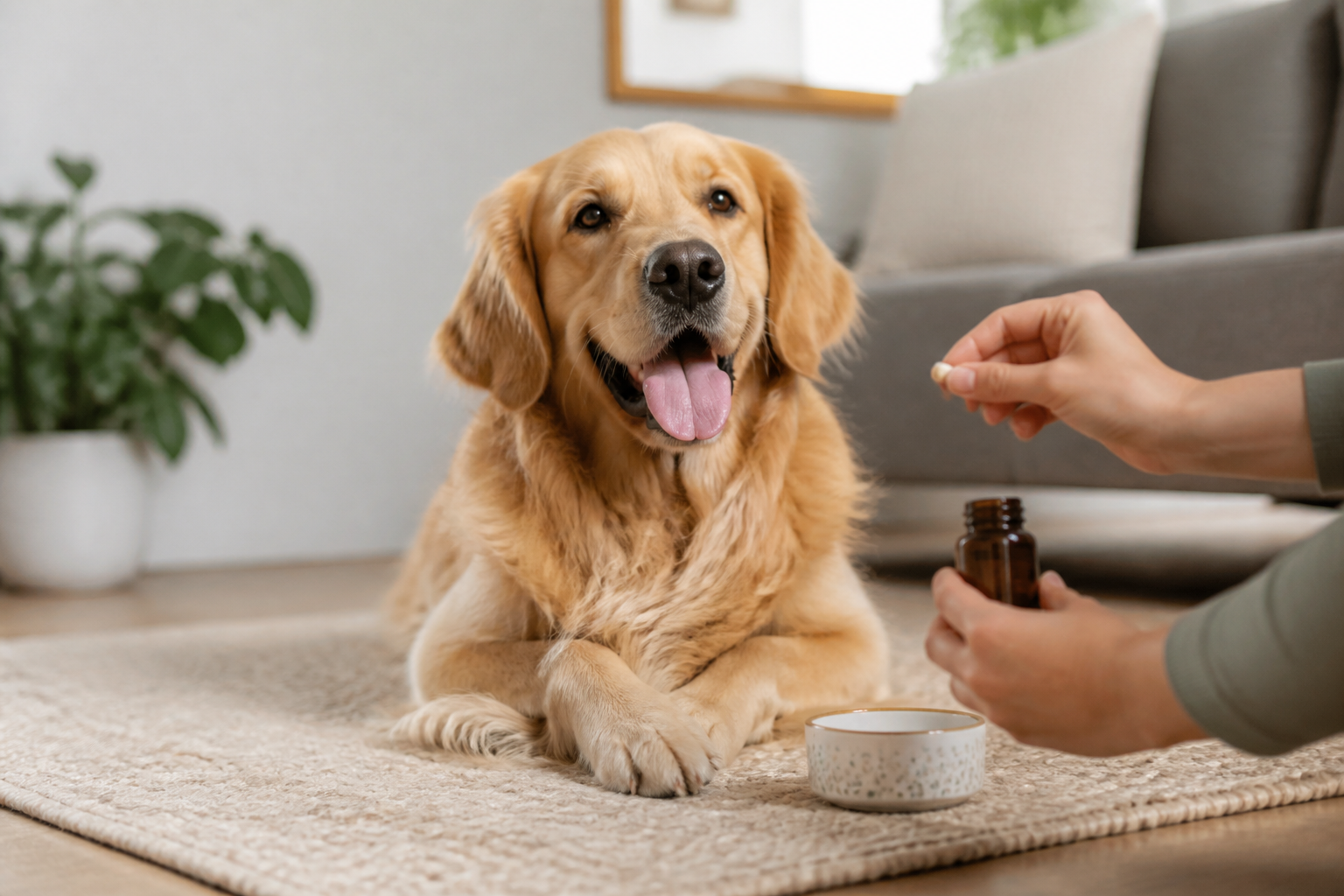
You just finished a round of antibiotics for your dog's ear infection. Now, their stool is loose and their stomach is making loud gurgling noises. You are likely wondering if those probiotic chews you see everywhere actually do anything or if they are just a marketing trend. At BaxterBoo, we talk to pet owners every day who are looking for ways to settle a sensitive stomach or support a senior dog's immune system. Probiotics are live, beneficial bacteria that can provide real results for many common canine issues. This post will explain the science behind these supplements and help you decide if they are right for your pet. Probiotics work best when you choose the right strain for your dog's specific health goals.
Quick Answer: Yes, dog probiotics work by balancing the bacteria in the digestive tract to improve digestion and immune function. They are most effective for treating diarrhea, gas, and stress related stomach upset.
How Probiotics Support Your Dog's Gut
A dog's digestive system is home to billions of microscopic organisms. This is called the microbiome. When the balance of "good" and "bad" bacteria is healthy, your dog's body can digest food and absorb nutrients efficiently. However, things like stress, poor diet, or medication can kill off the good bacteria. This allows harmful bacteria to take over.
Probiotics are the "good" guys. When you give your dog a probiotic supplement, you are adding reinforcements to their gut. These microorganisms help break down food and produce essential vitamins. They also help keep the intestinal lining strong. This creates a barrier that prevents pathogens from entering the bloodstream.
Since about 70 percent of a dog's immune system lives in the gut, a healthy microbiome is vital. It is the first line of defense against illness. Our dog digestive health collection includes trusted options for supporting your dog's gut. We carry several trusted brands like Zesty Paws and Honest Paws that focus on maintaining this delicate balance.
The Most Effective Strains for Dogs
Not all probiotics are the same. Different strains of bacteria perform different jobs in the body. If your dog has a specific issue, you want to look for a product that contains the right ingredients. Our probiotic supplements for dogs offer several formats and formulas to compare.
Common beneficial strains include:
- Enterococcus faecium (SF68): This is one of the most studied strains for dogs. It is excellent for shortening the duration of diarrhea.
- Lactobacillus acidophilus: This strain helps improve stool quality and frequency. It is a great choice for dogs with chronic "soft" stools.
- Bifidobacterium animalis: This is often used to help dogs recover from acute digestive distress.
- Bacillus coagulans: This hardy strain can survive the acidic environment of the stomach to reach the intestines where it is needed most.
Key Takeaway: Always check the label for specific strain names and the number of Colony Forming Units (CFUs). A higher CFU count usually means more live bacteria will reach the gut.
When Should You Use a Probiotic?
Probiotics are not just for sick dogs. They can be used as a preventative measure or to manage specific lifestyle changes. If you know a stressful event is coming up, starting a supplement early can prevent a "stress belly."
Consider using probiotics in these situations:
- During and after antibiotic use: Antibiotics kill all bacteria, including the good kind. Probiotics help replenish the gut.
- During transitions to new food: Even a slow transition can cause gas or loose stools. Probiotics provide extra support during the switch.
- High stress events: Boarding, moving to a new home, or holiday visitors can disrupt a dog's digestion.
- Senior pet care: As dogs age, their immune systems and digestive efficiency naturally decline.
For additional guidance about stress-related changes, read how moving can affect your dog's transition and behavior.
Vet Tip: If your dog has severe or bloody diarrhea, skip the supplements and call your veterinarian immediately. Probiotics are excellent for mild upset, but serious symptoms require a professional diagnosis and potentially prescription medication.
Probiotics vs. Prebiotics: Knowing the Difference
You will often see the terms "prebiotic" and "probiotic" on the same package. They are not the same thing, but they work together. Think of the probiotic as the seed and the prebiotic as the fertilizer.
Prebiotics are a type of dietary fiber that humans and dogs cannot digest. Instead, they pass through to the large intestine where they serve as food for the probiotics. Common prebiotics include chicory root, inulin, and fructooligosaccharides (FOS).
Using them together is often called "synbiotics." This combination ensures that the good bacteria you are adding have the fuel they need to grow and thrive. Many of our top selling foods from brands like NutriSource and Stella and Chewy's include both to support overall wellness. For more on this combination, see how holistic puppy foods use prebiotics and probiotics.
Bottom line: A supplement containing both prebiotics and probiotics is often more effective than a probiotic alone.
Can Probiotics Help with Anxiety and Skin Issues?
The benefits of a healthy gut often show up in unexpected places. Scientists are learning more about the "gut-brain axis." This is the physical and chemical connection between the gut and the brain. Some studies suggest that specific strains, like Bifidobacterium longum, can help dogs feel calmer during stressful situations.
Skin health is also closely tied to the gut. If your dog suffers from seasonal allergies or itchy skin, an imbalanced microbiome might be contributing to the inflammation. By calming the immune response in the digestive tract, probiotics can sometimes reduce the severity of skin flare ups.
Key Takeaway: While not a cure for clinical anxiety or severe allergies, probiotics are a useful tool in a multi-pronged approach to wellness.
How Long Until You See Results?
The timeline for probiotics depends on why you are using them. If you are treating a simple case of loose stool from a diet change, you might see improvement in one to three days. The bacteria begin working as soon as they reach the intestines.
For more complex issues, patience is required.
- Immune system support: It usually takes about four weeks for the immune system to fully respond to regular supplementation.
- Skin and coat improvements: You may not see a difference in itching or coat shine for six to eight weeks.
- Anxiety management: Studies often show results after six weeks of consistent daily use.
If you do not see any change after a full month, the strain you are using might not be the right match for your dog's unique microbiome.
Choosing the Right Format for Your Dog
At BaxterBoo, we offer probiotics in several forms to suit different preferences and lifestyles. Every dog is different, and the best supplement is the one they will actually eat.
- Soft Chews: These are the most popular because they double as a treat. They are easy to dose and usually taste like bacon or chicken.
- Powders: Powders are great for picky eaters. You can mix them into wet food or sprinkle them over kibble. They often contain higher concentrations of CFUs.
- Capsules: These are ideal for dogs with severe food allergies because they contain fewer fillers and flavorings.
- Fortified Foods: Some premium kibbles come coated in "probiotic dust." This is a convenient way to get daily support without an extra pill.
Vet Tip: Always store your probiotics according to the label. Some live cultures are heat sensitive and must be kept in the refrigerator to remain active.
Safety and Potential Side Effects
Probiotics are generally very safe for most dogs. Because they are a natural part of the body, toxic overdoses are extremely rare. However, introducing new bacteria can sometimes cause temporary changes.
If you start a probiotic, watch for:
- Increased gas for the first few days.
- A temporary change in stool consistency.
- A slight decrease in appetite as the gut adjusts.
These side effects usually disappear within a week. If they persist, you should reduce the dose or stop the supplement and consult your vet.
Note: Severely immunocompromised dogs or those with serious underlying illnesses should only take probiotics under direct veterinary supervision. In rare cases, the body might not be able to manage even the "good" bacteria properly.
When Supplements Aren't Enough: The Role of the Pharmacy
Sometimes, a standard over the counter probiotic cannot solve a deep seated digestive issue. If your dog has a chronic condition like Inflammatory Bowel Disease (IBD) or persistent food sensitivities, they may need a more targeted approach.
Our pet pharmacy for dogs provides access to FDA-approved medications and prescription pet foods through our partnership with Pet's Choice. Brands like Royal Canin and Farmina Vet Life offer specialized diets that are formulated specifically for dogs with compromised digestive systems. These foods often work alongside probiotics to soothe the gut lining and reduce chronic inflammation. If your veterinarian has written a prescription for a therapeutic diet or medication, we can help you get those items delivered right to your door.
Step-by-Step: Starting a Probiotic Routine
Step 1: Consult your veterinarian. / Ask if a probiotic is appropriate for your dog's current health status and if it will interfere with any existing medications.
Step 2: Choose the right format. / Decide if a chew, powder, or capsule fits your dog's personality and your daily schedule.
Step 3: Start with a half dose. / Introduce the supplement slowly over the first three to five days to minimize gas or bloating.
Step 4: Be consistent. / Give the supplement at the same time every day to maintain a steady level of beneficial bacteria in the gut.
Step 5: Monitor and adjust. / Keep a simple log of your dog's stool quality and energy levels to see if the product is working after four weeks.
Conclusion
Probiotics are a practical and effective way to support your dog's health from the inside out. Whether you are dealing with a temporary upset stomach or looking for long term immune support, the right beneficial bacteria can make a visible difference. Remember that quality matters. Look for trusted brands with guaranteed live cultures. For dogs with chronic health needs, our pharmacy is a reliable resource for prescription diets and medical support through our Pet's Choice partnership.
To make caring for your dog even easier, consider signing up for our Autoship programme. You can save on your first order and get your dog's favorite supplements delivered on a schedule that works for you. Plus, you will earn a free MVP Gold membership for even more rewards. Explore the MVP Rewards programme to learn more.
FAQ
Can I give my dog human probiotics?
While human probiotics are generally not toxic to dogs, they are not the best choice. A dog's gut microbiome contains different species of bacteria than a human's gut. Probiotics designed specifically for canines ensure your pet is getting the strains that are most likely to colonize and provide benefits.
Can puppies take probiotics?
Yes, puppies can often benefit from probiotics, especially during the weaning process or when they are moving to a new home. Probiotics can help support their developing immune system and prevent the "puppy diarrhea" that often comes with stress or new foods. Always check with your vet for the correct dosage for a growing puppy.
Should I give probiotics while my dog is on antibiotics?
Yes, but timing is very important. Antibiotics can kill the beneficial bacteria in the probiotic supplement if they are taken at the same time. Most experts recommend giving the probiotic at least two hours before or after the antibiotic dose to give the good bacteria the best chance of survival.
Do I need to give probiotics every day?
For most dogs, daily use is necessary to see the full benefits. Probiotics are transient, meaning they do not stay in the gut forever. They pass through the system while performing their work. To maintain a healthy balance, you need to provide a fresh supply of beneficial bacteria every day.