Save 15% on your 1st Autoship learn more

 Email us
 Live Chat
 FAQs
FAQs





Introduction
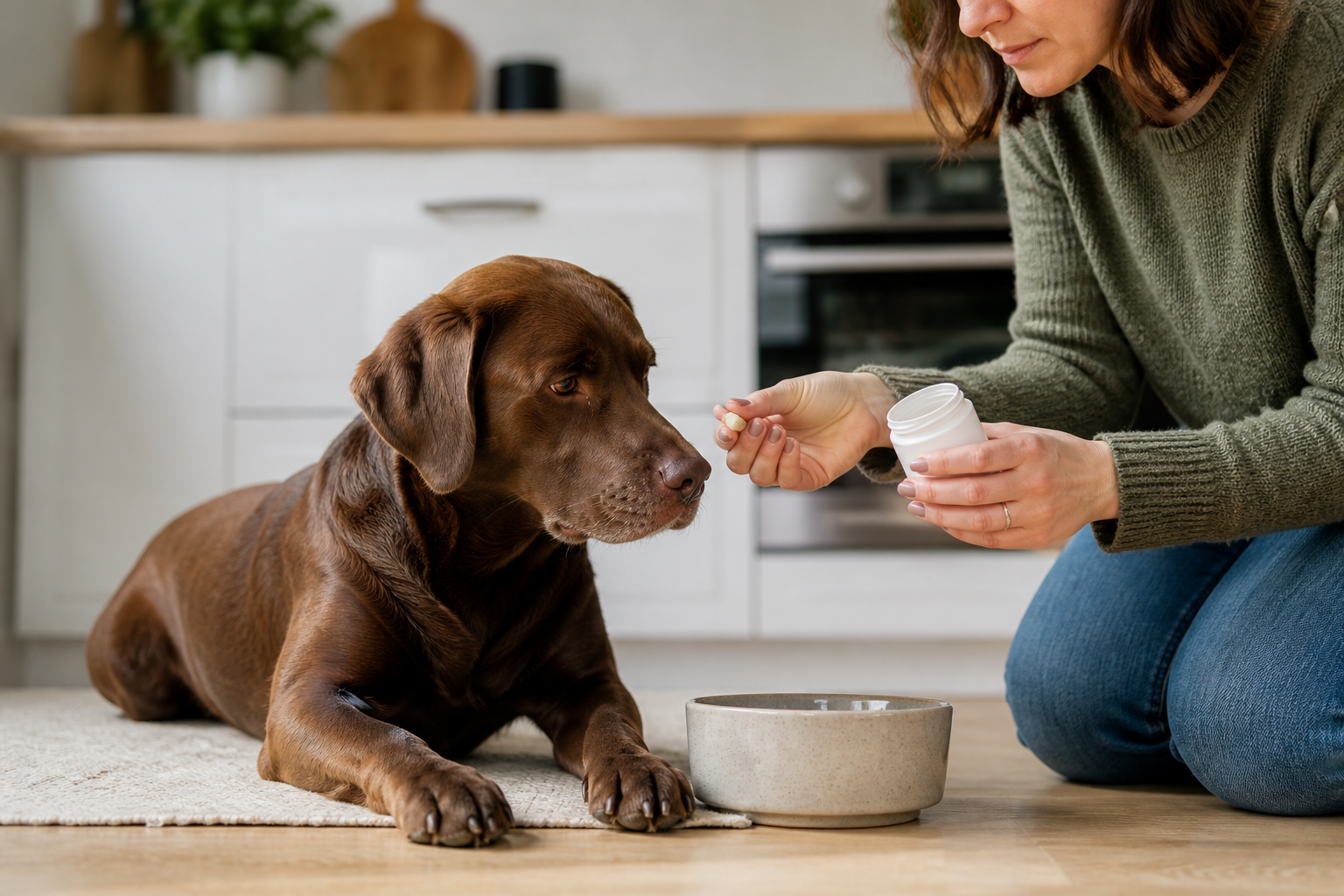
You are standing in your kitchen with a new container of supplements and a dog who is eagerly wagging their tail. Perhaps your pup has been dealing with a sensitive stomach lately. Maybe they just finished a round of antibiotics. You want to support their gut health, but you are staring at the label and wondering about the right amount. Determining how much probiotics you can give your dog is a common concern for pet owners who want to provide the best care. At BaxterBoo, we have spent years helping pet owners navigate health and wellness choices from our warehouse in Vernon Hills. This guide explains the ideal dosage for different sizes of dogs and how to use these supplements safely. We will cover colony forming units, weight-based charts, and when to consult your veterinarian.
Quick Answer: Most dogs benefit from a daily dose of 1 to 10 billion Colony Forming Units (CFUs). The specific amount depends on your dog's weight, age, and whether you are using the supplement for daily maintenance or treating a specific issue like diarrhea.
Understanding Probiotics and the Canine Microbiome
Probiotics are living, beneficial microorganisms that reside in your dog's digestive tract. These are often called "good bacteria." They work to balance the internal environment of the gut. A healthy microbiome is essential for more than just digestion. It influences the immune system, skin health, and even your dog's mood.
The gut and the brain are in constant communication through the gut-brain axis. When the balance of bacteria is correct, your dog is more likely to feel calm and healthy. When that balance shifts, you might notice gas, bloating, or changes in behavior. This shift is often called dysbiosis.
Probiotics help restore order by crowding out harmful bacteria. They produce short-chain fatty acids that support the intestinal lining. This process helps your dog absorb nutrients from their food more effectively. It also provides a first line of defense against pathogens.
What Are Colony Forming Units (CFUs)?
When you look at a probiotic label, you will see the term CFU. This stands for Colony Forming Units. This is the standard measurement for how many live, active bacteria are in a single serving. It is not measured in milligrams like many other supplements.
The number of CFUs tells you the potency of the product. A higher number does not always mean a better result. For daily maintenance, a moderate number is usually sufficient. For acute issues, your veterinarian might recommend a much higher concentration.
Most high-quality dog probiotics range from 1 billion to 10 billion CFUs per serving. Some intensive formulas might go as high as 20 billion or more. Always check the label to see if the CFU count is guaranteed at the time of manufacture or through the expiration date.
Key Takeaway: Probiotic dosage is measured in CFUs (Colony Forming Units), which represent the number of live bacteria per dose. Most dogs need between 1 and 10 billion CFUs daily for general health.
Probiotic Dosage Chart for Dogs by Weight
Weight is the most significant factor in determining a safe starting dose. A Great Dane has a much larger digestive system than a Toy Poodle. They require more beneficial bacteria to make an impact. Use this weight-based guide as a general starting point for healthy dogs.
| Dog Weight | Daily Maintenance Dose (CFUs) | Therapeutic Dose (CFUs) |
|---|---|---|
| Under 10 lbs | 1 to 2 Billion | 2 to 4 Billion |
| 10 to 30 lbs | 2 to 5 Billion | 5 to 10 Billion |
| 30 to 60 lbs | 5 to 10 Billion | 10 to 20 Billion |
| Over 60 lbs | 10 to 20 Billion | 20 to 40 Billion |
Maintenance doses are for dogs with healthy digestion who want to stay that way. Therapeutic doses are often used during times of stress or illness. Always talk to your vet before using a therapeutic dose. This is especially important if your dog has an underlying health condition.
Vet Tip: If your dog has a history of severe allergies or a compromised immune system, consult your veterinarian before starting any new supplement. They can help you determine the safest strain and dosage for your pet's specific needs.
When to Adjust the Dosage
Not every situation requires the same amount of probiotics. Your dog's needs can change based on their environment and health status.
Antibiotic Recovery
Antibiotics are life-saving medications. However, they do not distinguish between good and bad bacteria. They often wipe out the beneficial microbes in your dog's gut. This can lead to "antibiotic-associated diarrhea."
If your dog is on antibiotics, we recommend starting probiotics immediately. Separate the probiotic dose from the antibiotic dose by at least two hours. This prevents the antibiotic from killing the fresh probiotics before they can work. Continue the probiotic for at least two weeks after the medication is finished.
High-Stress Events
Stress can take a toll on a dog's stomach. Common stressors include boarding, moving to a new home, or holiday gatherings. During these times, you might increase the dose to the therapeutic level. Start giving the supplement three to five days before the event begins. This gives the "good bacteria" time to colonize the gut before the stress occurs.
Chronic Conditions
Dogs with Inflammatory Bowel Disease (IBD) or Irritable Bowel Syndrome (IBS) often need long-term support. These dogs typically do better on multi-strain probiotics. Our dog digestive health category offers supplements and wellness products for dogs with sensitive digestive needs. Our pharmacy at BaxterBoo offers a variety of prescription options and FDA-approved treatments for these conditions. Through our partnership with Pet's Choice, we can help you fulfill prescription diets like Farmina Vet Life that complement probiotic use.
Essential Probiotic Strains for Dogs
Not all bacteria are the same. Different strains perform different jobs within the body. When choosing a supplement, look for these specific names on the label.
- Enterococcus faecium: This strain is very effective at shortening the duration of diarrhea. It is a hardy bacterium that survives the journey through the stomach.
- Lactobacillus acidophilus: This is a classic strain that helps with nutrient absorption. It also supports the immune system.
- Bifidobacterium animalis: This strain is excellent for general digestive health and promoting regular bowel movements.
- Bifidobacterium longum: Recent studies suggest this strain can help reduce anxious behaviors in dogs. It is often used in calming supplements.
- Bacillus coagulans: This is a spore-forming bacterium. It is incredibly stable and great for managing chronic digestive inflammation.
The Difference Between Prebiotics and Probiotics
You will often see these two terms used together. They are not the same thing. Probiotics are the live bacteria. Prebiotics are the food that those bacteria eat.
Prebiotics are usually specific types of fiber. Common examples include inulin, chicory root, or beet pulp. When a supplement contains both prebiotics and probiotics, it is called a synbiotic. Using them together ensures the "good bacteria" have the fuel they need to thrive in your dog's gut.
Checklist for Choosing a Quality Supplement
- Check for a guaranteed CFU count on the label.
- Look for at least three to five different bacterial strains.
- Ensure the product is specifically formulated for dogs.
- Verify there are no artificial sweeteners like Xylitol.
- Look for an expiration date to ensure potency.
Can a Dog Have Too Many Probiotics?
Probiotics are generally very safe. It is very difficult for a dog to "overdose" in a life-threatening way. However, giving too many can cause temporary discomfort. If you introduce a high dose too quickly, your dog might experience gas, bloating, or loose stools.
If your dog gets into the supplement bag and eats a large amount, do not panic. They will likely have a very upset stomach for a day or two. Monitor them closely for vomiting or signs of pain. If the symptoms are severe or do not improve within 24 hours, contact your vet.
Bottom line: While safe, excessive probiotics can lead to temporary gas and bloating, so it is best to stick to the recommended dosage for your dog's weight.
How to Give Probiotics to Your Dog
Most dog-specific probiotics come in easy-to-use forms. Powders are common because they can be sprinkled directly onto food. Chews are a great option for dogs who think they are getting a treat. Capsules can be hidden in a piece of cheese or a pill wrap.
For a powder option, the Native Pet Probiotic Powder Dog Food Topper can be sprinkled over your dog's food.
Step 1: Start Small
Begin with half of the recommended daily dose. This allows your dog's digestive system to adjust to the new bacteria.
Step 2: Observe
Watch your dog for any signs of gas or changes in appetite over the first three days. If they seem comfortable, move to the full dose.
Step 3: Consistency
Give the probiotic at the same time every day. Most owners find that giving it with a meal works best. This ensures the bacteria have a substrate to mix with as they enter the stomach.
The Role of the BaxterBoo Pharmacy
Managing chronic gut issues often requires more than just over-the-counter supplements. Some dogs need prescription-strength probiotics or specialized diets. Our pet pharmacy is a valuable resource for these situations. Through our partnership with Pet's Choice, we provide access to FDA-approved medications and prescription foods.
If your vet has diagnosed your dog with a condition like chronic colitis or severe food allergies, a standard probiotic might not be enough. Prescription diets often contain unique fiber blends and hydrolyzed proteins. These work alongside probiotics to soothe the intestinal lining. We carry brands like Royal Canin and Farmina Vet Life to support these complex needs.
Vet Tip: Always finish the entire course of a prescription probiotic or medication as directed. Stopping early can prevent the gut flora from fully stabilizing.
Side Effects to Watch For
While most dogs tolerate probiotics well, some may have a sensitive reaction. This is usually due to the changes in the gut microbiome.
- Increased Flatulence: This is the most common side effect. It usually subsides within a week.
- Loose Stools: If the stools become watery, you may be giving too much too fast. Reduce the dose and see if it improves.
- Appetite Changes: Some dogs might be a little more or less hungry as their digestion shifts.
- Allergic Reactions: If you notice itching, hives, or swelling, stop the supplement immediately. Some chews contain flavorings like beef or chicken that could trigger a food allergy.
Probiotics for Puppies and Senior Dogs
Life stage matters when choosing a dose. Puppies have an immature immune system. Probiotics can help them as they transition from mother's milk to solid food. This transition is a common time for "puppy diarrhea." A small, consistent dose of a puppy-safe probiotic can make this process much smoother.
Senior dogs often face a decline in immune function. Their gut microbiome becomes less diverse over time. Adding a probiotic can help them absorb nutrients more effectively. This is vital for maintaining weight and energy levels in their later years. For seniors with joint issues, some probiotics even include added ingredients like glucosamine or fatty acids.
Why You Should Avoid Human Probiotics
It is tempting to share your own supplements with your dog. However, this is rarely a good idea. Dogs and humans have different gut environments. A human's stomach is significantly less acidic than a dog's stomach. Many human probiotic strains will not survive the harsh, acidic environment of a dog's digestive tract.
Furthermore, human supplements may contain ingredients that are toxic to dogs. Xylitol is a common sweetener in human chewables and powders. It is highly toxic to canines. Always choose a product specifically labeled for dogs to ensure it is safe and effective for their unique biology.
Key Takeaway: Stick to canine-specific probiotics to ensure the strains can survive a dog's acidic stomach and to avoid toxic human ingredients like Xylitol.
Conclusion
Probiotics are a powerful tool for maintaining your dog's overall wellness. By understanding that most dogs need between 1 and 10 billion CFUs, you can make informed choices for their care. Whether you are helping them recover from antibiotics or supporting their daily digestion, consistency is the most important factor. Always start with a lower dose to avoid gas and bloating. We are proud to support your pet's health through our wide selection of dog probiotics and digestive supplements and our dedicated BaxterBoo pharmacy services. If your dog's digestive issues persist or seem severe, please consult your veterinarian for a professional diagnosis.
- Start with a weight-based dose for maintenance.
- Increase the dose during times of stress or antibiotic use.
- Choose dog-specific strains like Enterococcus faecium.
- Use the BaxterBoo pharmacy for prescription needs and Pet's Choice partnership medications.
Bottom line: Probiotics support the gut and the immune system when dosed correctly according to your dog's weight and health status.
FAQ
Can I give my dog probiotics every day?
Yes, most dogs can take probiotics every day as a part of their regular wellness routine. Daily use helps maintain a consistent balance of beneficial bacteria in the gut, which supports long-term digestive and immune health. Many owners find that a daily supplement helps reduce the frequency of occasional gas or loose stools. For regularly used supplements, our Autoship programme can help simplify repeat deliveries.
How long does it take for probiotics to work in dogs?
The timeline depends on why you are giving the probiotic. For acute issues like stress-related diarrhea, you may see improvement within one to three days. For chronic conditions or skin and coat improvements, it may take four to six weeks of consistent daily use to see a noticeable change.
Should I give my dog probiotics on an empty stomach?
It is generally better to give probiotics with a meal. Food acts as a buffer, helping the live bacteria survive the journey through the stomach's strong acids. Most dog probiotics are flavored to be palatable, so they can be easily mixed into kibble or wet food.
Can a dog take probiotics while on antibiotics?
Yes, and it is often recommended to help prevent diarrhea caused by the medication. However, you should wait at least two hours after giving the antibiotic before administering the probiotic. This ensures that the antibiotic does not immediately kill the beneficial bacteria you are trying to introduce. For additional digestive guidance, read how dry food can cause diarrhea in dogs.