
 Save 15% on your 1st Autoship learn more

 Email us
 Live Chat
 FAQs
FAQs





Introduction
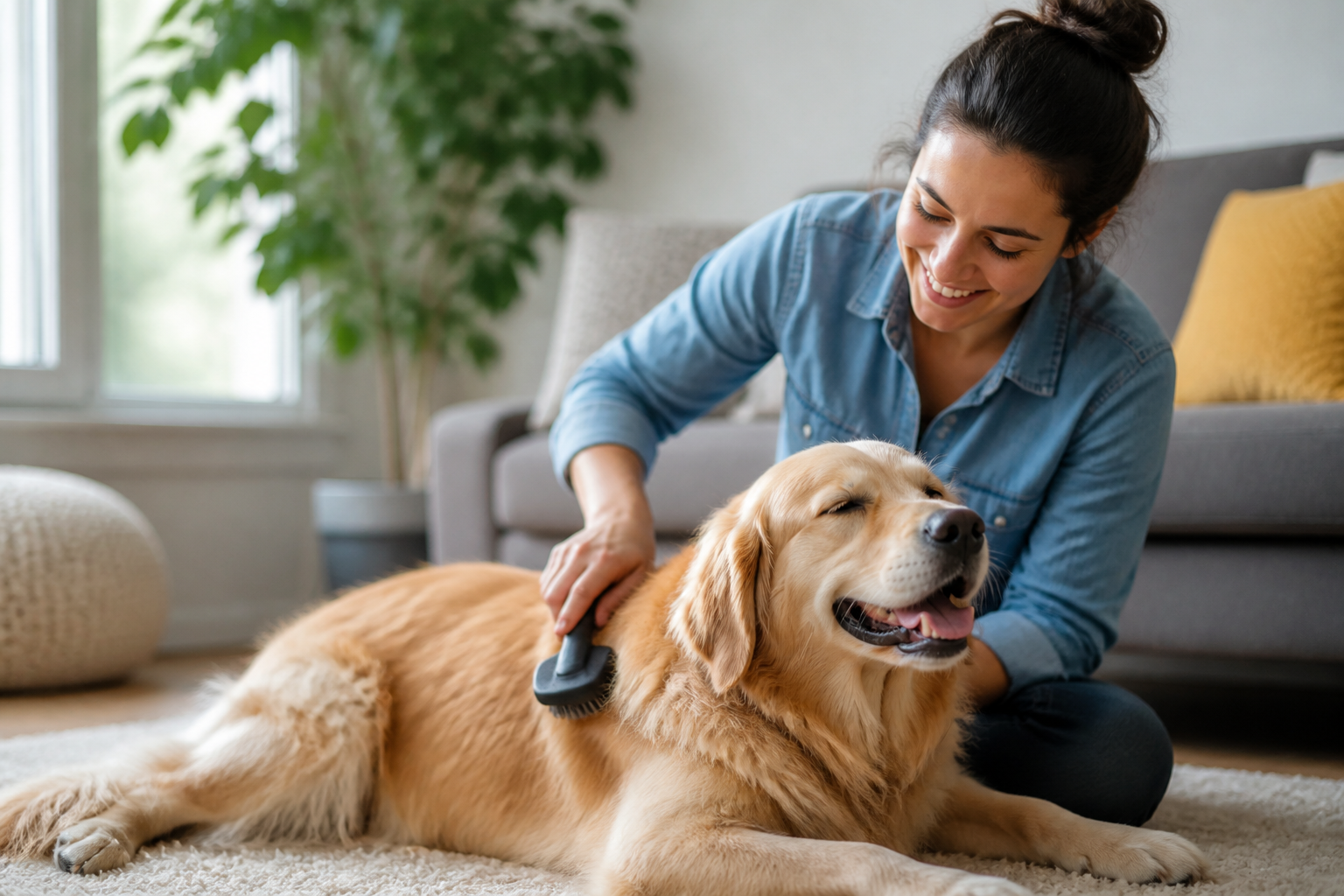
You have probably noticed the change in your dog after a long grooming session. They might shake their body from head to tail, toss a toy around, or simply lounge with a relaxed expression. At BaxterBoo, we hear from owners every day who wonder if their pets truly appreciate the effort or if they are just glad the session is over. The reality is that for most dogs, a proper brushing provides immediate physical and mental relief. It is more than just a way to reduce the amount of fur on your sofa. Regular grooming removes the weight of dead hair, stimulates the skin, and can even lower a dog's heart rate. This article explores why dogs feel so much better after a brush and how you can make the experience something they look forward to every week.
The Physical Relief of Shedding the Load
The most immediate reason a dog feels better after brushing is the removal of dead undercoat and loose fur. For many breeds, especially those with double coats like Huskies or Golden Retrievers, the undercoat can become a heavy, insulating trap. When this hair dies but stays trapped against the skin, it prevents air from circulating. This can make a dog feel chronically overheated and itchy.
Imagine wearing a heavy wool sweater in the middle of a humid summer. Now imagine someone finally helping you take it off. That is the level of relief many dogs feel when a brush clears out that "blown" coat. Removing that extra layer allows the skin to breathe and helps the dog regulate their body temperature more effectively. It is a physical weight lifted off their shoulders.
Brushing also removes environmental debris. During a walk, your dog’s fur acts like a magnet for dust, pollen, burrs, and dried mud. These particles can be abrasive and irritating. When you brush your dog, you are clearing away these tiny irritants before they have a chance to reach the skin and cause a hot spot or a rash. Our dog grooming supplies can help you build a regular brushing routine.
Quick Answer: Most dogs feel significantly better after being brushed because it removes the physical weight of dead fur, improves air circulation to the skin, and clears away irritating debris. It also serves as a soothing massage that promotes circulation and relaxation.
Skin Health and the Power of Natural Oils
A dog's skin produces natural oils called sebum. These oils are the first line of defense for the skin and the key to a shiny, water-repellent coat. However, sebum can build up at the base of the hair follicle if it is not distributed. This buildup can lead to a greasy feel, a "doggy" odor, and even clogged pores.
When we brush our dogs, we act as a manual distributor for these oils. The bristles move the sebum from the skin down the length of the hair shaft. This process moisturizes the entire coat and protects the skin from drying out. This is particularly important for dogs that live in climate-controlled homes where the air is often dry.
Furthermore, the act of brushing stimulates blood flow to the surface of the skin. This micro-massage brings fresh oxygen and nutrients to the hair follicles. Many dogs lean into the brush because it feels good in the same way a back massage feels good to a person. That tingling, warm sensation after a session is a sign of increased circulation, which contributes to a general sense of well-being. A KONG Zoom Groom Natural Rubber Dog Grooming Brush is designed to provide a gentle massage while removing loose hair.
Benefits of Improved Circulation
- Supports faster healing of minor skin abrasions.
- Encourages healthy, strong hair growth.
- Provides a sensory experience that can be very grounding for energetic dogs.
- Helps you identify areas of sensitivity or heat that might indicate an underlying issue.
Key Takeaway: Brushing is a vital part of skin maintenance that distributes healthy oils and boosts circulation, leaving your dog feeling refreshed rather than itchy or greasy.
The Emotional Connection and Stress Reduction
Grooming is a social activity in the animal world. While dogs do not groom each other as much as cats do, they still value the physical closeness and the focused attention of their owners. When you sit down with a brush, you are signaling to your dog that it is time for a calm, shared activity.
This one-on-one time can lower cortisol levels in both the pet and the owner. When a dog is relaxed and being touched gently, their body releases oxytocin. This is the hormone responsible for bonding and feelings of safety. For a dog that might spend part of the day alone or in a busy household, twenty minutes of quiet brushing can be the highlight of their day.
However, this emotional benefit only exists if the dog feels safe. If brushing has always been a struggle or a source of pain, the emotional impact will be negative. This is why we always recommend starting slow and using positive reinforcement. You want the sight of the brush to be a reason for excitement, not a reason to hide under the bed.
When Brushing Does Not Feel Good: The Problem with Mats
It is important to acknowledge that not every dog feels better during the brushing process, especially if they have developed mats. Mats are dense clumps of tangled fur that can tighten over time. Because they often form close to the skin, they can pull with every step the dog takes.
If you are brushing out a mat, it can be painful. The brush can tug on the skin, which is why some dogs become "brush shy." In these cases, the dog might feel better after the mat is gone, but the process of getting there is stressful. To avoid this, it is better to brush frequently for short periods rather than waiting for tangles to become a problem.
If your dog has severe matting that reaches the skin, do not try to cut them out with scissors. This is a common way dogs end up with accidental nicks. Instead, a professional groomer or a visit to the vet might be necessary to safely shave the area. Once the coat is clear, you can start a fresh routine that focuses on prevention and comfort. For additional guidance, read about grooming dogs with curly hair and managing mats.
Vet Tip: If your dog suddenly reacts with pain or aggression during brushing, it could indicate a hidden skin infection, a hot spot, or joint pain. Consult your veterinarian to rule out medical issues before continuing with a grooming routine.
Choosing the Right Tools for Maximum Comfort
Using the wrong brush is a common reason dogs dislike grooming. If the bristles are too sharp or the tool is not suited for the coat type, it can feel like scratching or scraping rather than a massage. At BaxterBoo, we carry a wide variety of tools because we know that a Chihuahua and a Newfoundlander have very different needs. Explore our dog brushes and combs to find options for different coat types.
Common Brush Types and Their Uses
- Slicker Brushes: These have fine, wire bristles. They are excellent for removing loose hair and breaking up small tangles in medium to long-haired dogs. Ensure the pins have protective tips if your dog has sensitive skin.
- Bristle Brushes: Best for short-haired or smooth-coated dogs. These are the best for distributing oils and adding shine.
- Undercoat Rakes: These reach through the topcoat to pull out the dead undercoat. They are essential for heavy shedders but must be used with a light hand.
- Rubber Curry Brushes: These are favorites for many dogs because they feel like a massage. They are great for short-coated dogs and for use during bath time.
When you use the right tool, you minimize the "pull" and maximize the "feel-good" factor. A rubber brush like a Kong ZoomGroom is often a great way to introduce a reluctant dog to grooming because it mimics the feeling of being petted.
Brushing as a Health Check Routine
One reason dogs feel better after being brushed is that their owners are more likely to catch health problems early. During a grooming session, you are likely to notice things that are hidden under a thick coat. This includes lumps, bumps, scratches, or even signs of parasites.
Flea and tick prevention is a major part of keeping a dog comfortable. While you brush, you can look for "flea dirt" or actual ticks that may have hitched a ride. Catching these early prevents the intense itching and potential illness that parasites cause. If you do find signs of pests, our flea and tick collection includes products designed to help support your dog’s comfort.
We also suggest looking for signs of dry skin or allergies. If you notice your dog's skin is red or flaky despite regular brushing, they may benefit from a specialized diet or a medicated shampoo. The dog pharmacy carries prescription products that your veterinarian may recommend for your dog’s needs.
Bottom line: Regular brushing serves as a vital early-warning system for your dog’s health, allowing you to spot and treat issues before they cause significant distress.
Step-by-Step for a Positive Brushing Session
If your dog is not yet a fan of the brush, you can change their mind with a little patience. The goal is to make them feel better throughout the entire process, not just at the end.
Step 1: Choose a quiet time. / Do not try to brush your dog when they are full of energy or when the house is chaotic. Wait for a time when they are already relaxed.
Step 2: Introduce the brush. / Let your dog sniff the tool and offer a high-value treat. This creates a positive association before the brush even touches their fur.
Step 3: Start with a "safe" zone. / Most dogs enjoy being brushed on their chest or shoulders. Avoid sensitive areas like the tail, paws, or ears until they are comfortable.
Step 4: Keep sessions short. / Start with just two or three minutes. End the session while your dog is still having a good time, rather than waiting for them to get restless.
Step 5: Reward often. / Use treats or verbal praise throughout the process. Brands like Stella & Chewy's or Zesty Paws offer great options for rewarding good behavior during grooming.
Seasonal Changes and the "Blow Out"
Twice a year, many dogs go through a major shed, often called "blowing their coat." This usually happens in the spring and fall as the body prepares for temperature changes. During these times, your dog might feel particularly uncomfortable. The old coat is falling out in clumps, and the new coat is pushing through, which can cause intense itching.
During these seasonal shifts, you may need to brush your dog daily. This prevents the dead hair from matting and helps the skin stay cool. If your dog is a heavy shedder, you might notice they are more lethargic or irritable when their coat is thick with dead fur. After a thorough de-shedding session, it is common to see a surge in energy. They literally feel lighter and more agile.
If you find that your dog's shedding is excessive or if they are losing hair in patches, it is worth a conversation with your vet. Sometimes, a lack of certain nutrients can cause poor coat quality. Our pharmacy can help with prescription supplements or diets formulated for skin and coat health.
The Role of Professional Grooming
While home brushing is essential, some dogs benefit from a professional touch. A professional groomer has high-velocity dryers that can blow out loose undercoat that a manual brush might miss. They also have the experience to handle sensitive areas safely.
Even if you use a professional, the work you do at home makes their job easier. A dog that is brushed regularly at home will be much less stressed at the groomer. They will be used to the sensation of being handled and brushed, which makes the entire experience safer and more pleasant for everyone involved.
At BaxterBoo, we believe that grooming is a partnership between the owner, the pet, and the professionals. Whether you are using a simple bristle brush or managing a complex double coat, the effort you put in translates directly to your dog’s comfort.
Senior Dogs and Mobility
As dogs age, grooming becomes even more important for their comfort. Senior dogs often have a harder time grooming themselves, and their skin can become thinner and more sensitive. Furthermore, dogs with arthritis may find it difficult to stand for long periods or to reach certain parts of their body.
When brushing a senior dog, be extra gentle over bony prominences like the hips and spine. The massage aspect of brushing can be particularly beneficial for these dogs, as it helps with circulation in areas where they might be stiff. If your dog has mobility issues, you can brush them while they are lying on a comfortable orthopedic bed.
If you are managing a senior dog's joint health, you might already be using supplements like Cosequin. In cases where mobility is severely impacted, our pharmacy carries prescription medications that can manage pain and inflammation, making grooming sessions much more comfortable for your older friend.
Key Takeaway: For senior dogs, brushing is less about aesthetics and more about providing gentle physical therapy and maintaining skin integrity as they age.
Summary of the Benefits
Brushing is one of the simplest things you can do to improve your dog's quality of life. It touches on their physical health, their mental state, and the bond they share with you. When done correctly, it is a restorative process that leaves them feeling clean, cool, and cared for.
By keeping a regular schedule, using the right tools, and monitoring their skin and coat health, you are acting as their primary health advocate. And remember, if you ever run into skin issues or need professional-grade preventives, our pharmacy is here to support you through every stage of your dog's life.
- Physical weight removal: Clearing out the undercoat makes the dog lighter and cooler.
- Skin stimulation: Boosting blood flow and distributing oils keeps skin healthy.
- Emotional bonding: One-on-one time lowers stress for both of you.
- Preventative care: Early detection of lumps or parasites prevents bigger problems.
Conclusion
It is clear that dogs do feel better after being brushed, provided the experience is handled with care and the right equipment. The combination of physical relief from a heavy coat and the mental relaxation of a gentle massage makes grooming a powerful tool for any pet owner. We have been helping pet parents find the right gear since 2006, and we know that a good grooming routine is a cornerstone of a happy home. Whether you are dealing with a seasonal shed or just keeping up with daily maintenance, your dog will appreciate the extra attention. For everything from basic brushes to prescription skin support through our pharmacy, we are here to help you keep your dog feeling their best. Check out our full selection of grooming tools and consider signing up for the MVP Rewards programme to earn back on every purchase.
FAQ
How often should I brush my dog for them to feel the benefits?
For most dogs, brushing two to three times a week is enough to maintain skin health and manage shedding. However, long-haired breeds or those with thick undercoats may require daily sessions during peak shedding seasons to prevent uncomfortable mats from forming.
Why does my dog run around and act crazy after I brush them?
This is often called "the zoomies," and it is a common way for dogs to release pent-up energy or tension after a session. It is usually a sign of relief and happiness, similar to how you might feel like stretching after sitting in one place for a long time.
Can I brush my dog if they have a skin rash or a hot spot?
You should avoid brushing directly over any irritated skin, open sores, or hot spots, as this will be painful and could spread bacteria. It is best to consult your veterinarian to treat the underlying skin issue first; our pharmacy carries many prescription treatments that can help clear these up quickly.
Is it better to brush a dog's fur when it is wet or dry?
You should almost always brush your dog when their fur is completely dry. Wet hair is more fragile and prone to breaking, and if your dog has any tangles, water can actually cause them to tighten into stubborn mats that are much harder to remove.






