
 Save 15% on your 1st Autoship learn more

 Email us
 Live Chat
 FAQs
FAQs





Introduction
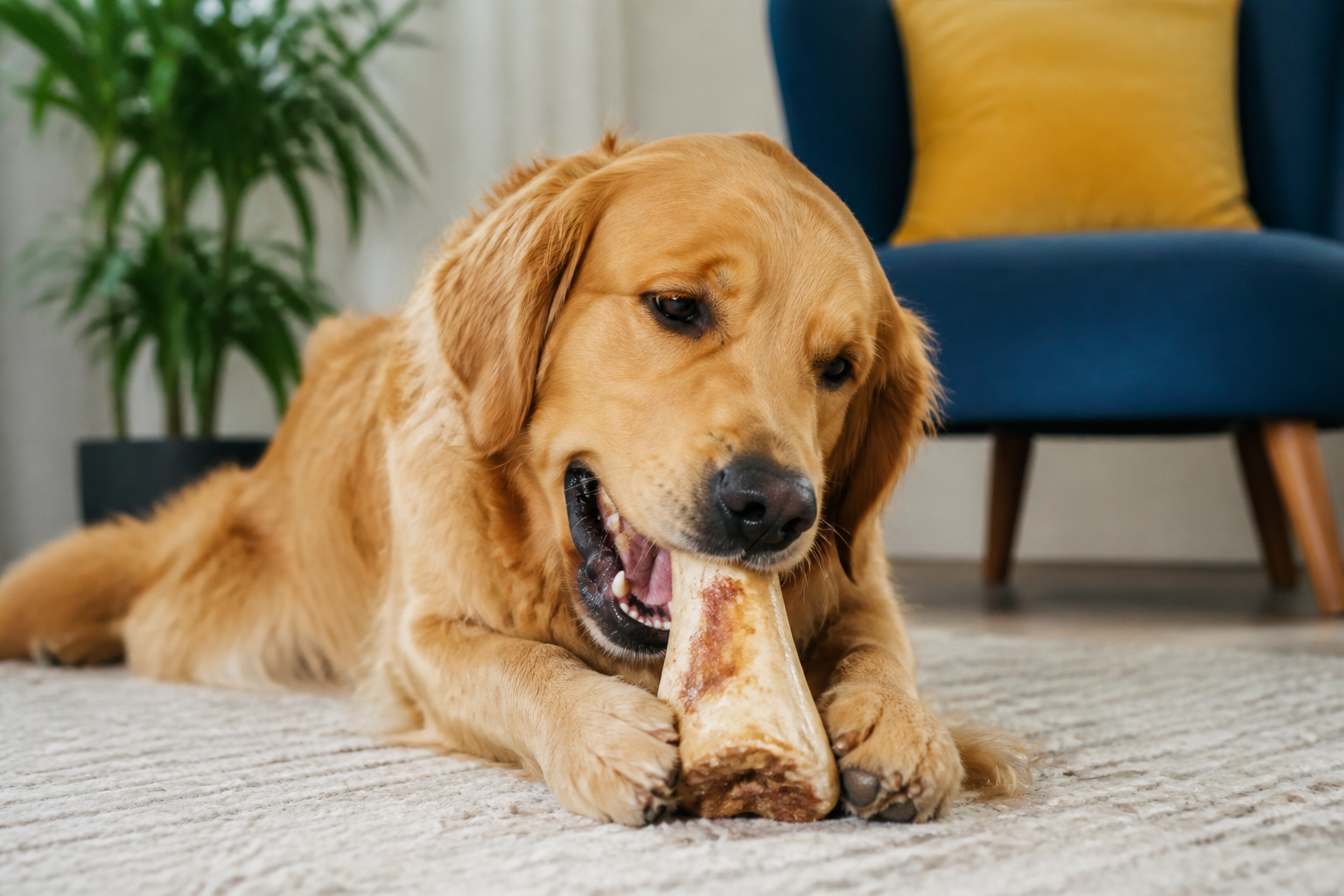
You are standing at the butcher counter or looking through the freezer section of your local pet store. You see thick beef bones filled with rich marrow and wonder if they are the secret to keeping your dog's teeth white. It is a common scene for many pet owners who want to avoid the struggle of daily tooth brushing. We hear this question frequently at BaxterBoo from owners looking for natural ways to manage plaque. While marrow bones are often called nature's toothbrush, the answer involves a balance of benefits and significant safety risks. These bones provide mechanical cleaning through abrasion, but they can also lead to cracked teeth or digestive upset. This guide covers how marrow bones work, the hidden dangers to watch for, and how to support your dog's oral health safely.
Quick Answer: Marrow bones can help scrape away soft plaque through mechanical abrasion as a dog chews. However, they cannot remove hardened tartar and pose a high risk of tooth fractures and digestive issues like pancreatitis due to their high fat content.
How Marrow Bones Clean Teeth
The primary way a marrow bone cleans a dog's teeth is through mechanical action. As your dog gnaws on the hard surface, the friction scrapes against the enamel. This process helps rub off "biofilm," which is the sticky layer of bacteria known as plaque. If plaque is not removed, it mineralizes into tartar within about 48 hours.
The act of chewing also stimulates saliva production. Saliva contains natural enzymes that help break down food particles and protect the gums. For many dogs, the focused work of trying to get the marrow out of the center provides a long session of this scraping action. This is specifically helpful for the large premolars and molars at the back of the mouth. These are the teeth that usually collect the most debris.
The Role of the Marrow
It is important to understand that the marrow itself does not clean the teeth. Marrow is a soft, fatty tissue found in the center of the bone. While it is packed with nutrients like iron and vitamin A, it serves more as a reward than a cleaning agent. The marrow is what keeps the dog interested in the bone for long periods.
Without the marrow, many dogs would lose interest in the hard bone after a few minutes. The "puzzle" aspect of licking the marrow out ensures the dog spends enough time performing the mechanical scraping needed for plaque removal. However, the high fat content in marrow is a major consideration for your dog's overall health.
Plaque Versus Tartar
Marrow bones are most effective against plaque, which is soft and easily disturbed. They are much less effective against tartar, which is a hard, rock-like substance. Once tartar has formed, it usually requires professional scaling by a veterinarian.
If your dog already has heavy brown or orange buildup at the gum line, a bone might actually do more harm than good. Gnawing on a hard bone when the gums are already inflamed can cause pain and bleeding. We recommend checking your dog's mouth regularly to see if you are dealing with soft film or hardened deposits.
Key Takeaway: Marrow bones provide a mechanical "scrubbing" action that can remove soft plaque, but they are not a substitute for professional veterinary dental cleanings.
For more guidance on warning signs, read our article about how to recognize bad teeth in dogs.
The Risks of Feeding Marrow Bones
While the cleaning benefits are real, the risks are substantial. Many veterinary dentists advise against using large beef marrow bones because of the potential for expensive and painful injuries. You must weigh the benefit of a cleaner tooth against the possibility of a fracture.
Dental Fractures
The most common injury from marrow bones is a fractured tooth. Beef leg bones, which are often sold as marrow bones, are designed to support the weight of a thousand-pound animal. They are incredibly dense and hard. A dog's tooth enamel is actually thinner than human enamel.
When a dog bites down with full force on a dense bone, the tooth often gives way before the bone does. This frequently results in a "slab fracture" on the large upper fourth premolar. These fractures often expose the sensitive pulp of the tooth, leading to intense pain and the need for a root canal or extraction.
Digestive Issues and Pancreatitis
The marrow inside these bones is nearly 100 percent fat. For some dogs, this sudden intake of rich fat can cause a severe upset stomach. In more serious cases, it can trigger pancreatitis. This is a painful inflammation of the pancreas that requires immediate veterinary care.
Symptoms of pancreatitis include:
- Vomiting and diarrhea
- Loss of appetite
- Hunched back or abdominal pain
- Lethargy and weakness
Blockages and Splintering
Cooked marrow bones are strictly off-limits. Cooking changes the molecular structure of the bone, making it brittle and prone to splintering. These sharp shards can cut the mouth, throat, or esophagus. Even worse, they can cause a perforation in the stomach or intestines.
Raw bones are less likely to splinter, but they can still break into large chunks. If a dog swallows a large piece of bone, it may become lodged in the digestive tract. This is a life-threatening emergency that usually requires surgery to fix.
Vet Tip: If your dog has a history of sensitive stomach issues or has been diagnosed with pancreatitis in the past, avoid marrow bones entirely. The high fat content is too risky for their digestive system.
Choosing the Right Bone for Dental Health
If you decide to offer a bone for dental cleaning, you must be selective about the source and size. Not all bones are created equal. The wrong choice can lead to a late-night trip to the emergency room.
Avoid Weight-Bearing Bones
As mentioned, the leg bones of large herbivores like cows and bison are the densest bones in the body. Instead of these "shank" bones, look for "knuckle" bones. These are found at the ends of the joints. They are typically softer and more porous than the long, straight leg bones. This makes them slightly more forgiving on the teeth while still providing a good surface for scraping.
Size Matters
The bone should always be larger than your dog's mouth. If the bone is small enough to be swallowed whole or fits entirely inside the jaw, it is a choking hazard. For a large dog, a marrow bone should be at least several inches long. If the bone is cut into small "rings," there is a risk that the bone can get stuck around the dog's lower jaw. This is a terrifying experience for the dog and often requires a veterinarian to saw the bone off under sedation.
Raw vs. Smoked vs. Cooked
Always stick to raw bones or bones that have been specifically prepared through a low-heat drying process designed for pet safety. Never give your dog a bone from your own dinner, such as a leftover rib or T-bone. These have been cooked at high temperatures and are dangerously brittle.
Raw bones carry a risk of bacterial contamination like Salmonella or E. coli. This is a risk for both the pet and the people in the house. We suggest giving raw bones on a surface that can be easily sanitized, like a plastic crate tray or a tiled floor. Always wash your hands thoroughly after handling raw bones.
Bottom line: Choose raw knuckle bones that are significantly larger than your dog's jaw to reduce the risk of fractures and choking.
Safe Chewing Guidelines
Supervision is the most important part of giving your dog a marrow bone. You should never leave your dog alone with a bone. Their chewing habits can change in an instant, and a safe session can turn dangerous if a piece breaks off.
Step 1: Inspect the bone for sharp edges. / Look for any cracks or thin areas that might break easily before giving it to your dog.
Step 2: Set a timer for 15 to 20 minutes. / Short sessions prevent the dog from overworking their jaw and reduce the amount of fat they ingest at one time.
Step 3: Monitor the intensity of the chewing. / If your dog is trying to "crack" the bone rather than just gnawing and licking, take it away. Aggressive chewing leads to broken teeth.
Step 4: Clean up properly. / Once the session is over, take the bone away and store it in the refrigerator or throw it out. Do not let it sit out at room temperature where bacteria can grow.
When to Take the Bone Away
You should retire a bone once it has been chewed down to a size that could be swallowed. Additionally, if you notice any blood on the bone or on your dog's gums, stop the session immediately. Some minor redness can happen, but bleeding indicates that the chewing is too aggressive or that the gums are too sensitive for this type of cleaning.
If the bone becomes very dry and brittle after a few days, it is time to throw it out. The moisture in a raw bone helps keep it flexible. Once it dries out, the risk of splintering increases.
Better Alternatives for Dental Care
If the risks of marrow bones feel too high for your comfort, there are many other ways to support your dog's oral health. We curate a wide selection of dental chews and dog dental care products that are designed specifically to be "tooth-safe."
Dental Chews and Treats
High-quality dental treats use a specific texture to clean teeth. These are often made from highly digestible ingredients. They are flexible enough that they do not break teeth but firm enough to provide a scrubbing action. Brands like Greenies or specialized dental sticks are great options for daily use.
For more options, browse our dog dental treats.
Cartilage-Based Chews
For owners who want something more natural than a processed treat, consider cartilage-based chews like beef trachea. These are much softer than bone. They still provide a great chewing experience and contain natural glucosamine and chondroitin for joint health. While they do not last as long as a marrow bone, they are much safer for the teeth of senior dogs or aggressive chewers.
Veterinary Dental Products
Sometimes, a chew is not enough. If your dog is prone to heavy plaque buildup, you may need a more medical approach. Our pharmacy provides access to dental medications and prescription diets through our pet healthcare services. These products are formulated to chemically or mechanically reduce the formation of tartar.
Water Additives and Gels
Dental water additives are an easy way to fight bacteria. You simply add a small amount to your dog's water bowl. These work by breaking down the biofilm before it can turn into plaque. Dental gels can be applied directly to the gums and work in a similar way. These are excellent choices for dogs who refuse to have their teeth brushed.
A product such as the OxyFresh Pet Dental Kit combines dental gel, water additive, and finger brushes in one system.
| Product Type | Cleaning Method | Safety Level |
|---|---|---|
| Marrow Bone | Mechanical Abrasion | Low (Risk of fractures) |
| Dental Chews | Mechanical/Enzymatic | High |
| Rubber Dental Toys | Mechanical | High |
| Water Additives | Chemical/Enzymatic | Very High |
| Beef Trachea | Mechanical | Medium-High |
Maintaining a Dental Routine
The best way to keep your dog's teeth clean is a multi-step approach. No single treat or bone can do the whole job. A good routine includes regular vet checks, daily brushing or dental treats, and the occasional safe chew for mental stimulation.
The Importance of Professional Exams
Even with the best home care, most dogs will eventually need a professional cleaning. Your veterinarian can see things that are hidden under the gum line. Dental disease can lead to systemic issues, including heart and kidney problems, because bacteria from the mouth enter the bloodstream.
If you notice your dog has persistent bad breath, it is a sign that something is wrong. Bad breath is often the first symptom of periodontal disease. During a yearly exam, your vet will score your dog's dental health and let you know if it is time for a professional cleaning or a change in their home routine.
For additional routine ideas, see our pet dental care tips.
Training Your Dog for Brushing
While bones are easier, brushing is still the gold standard. You can train most dogs to accept brushing by starting slowly. Use a finger brush and flavored pet toothpaste. Never use human toothpaste, as it often contains xylitol, which is toxic to dogs, and foaming agents that can upset their stomachs.
You can find pet-safe toothpaste and dental brushing supplies for building a gradual brushing routine.
If you can brush even two or three times a week, you will significantly reduce the need for risky marrow bones. Combine this with safe dental toys that have ridges and nubs to help massage the gums. This balanced approach is the safest way to ensure your dog keeps their teeth well into their senior years.
Key Takeaway: A combination of daily dental treats, water additives, and regular veterinary checkups is safer and more effective than relying on marrow bones alone.
Summary
Marrow bones are a traditional choice for dog owners, but they require a high level of caution. They can effectively scrape away plaque through mechanical action, but the density of beef bones makes them a frequent cause of cracked teeth. Furthermore, the high fat content in the marrow can lead to digestive distress or pancreatitis. If you choose to feed them, always use raw bones, supervise the session closely, and limit the time to 20 minutes. For a safer daily routine, consider using dental treats, water additives, and products from our pharmacy to manage your pet's oral health.
- Only use raw bones, as cooked bones are prone to dangerous splintering.
- Select knuckle bones rather than dense weight-bearing leg bones to protect teeth.
- Always supervise your dog and remove the bone if they chew too aggressively.
- Balance recreational chewing with safe dental treats and professional veterinary care.
For all your dog’s dental health needs, explore our full collection of dental chews, toys, and health supplements for your pup. Our MVP Rewards programme can help you save on every purchase as you build the perfect dental routine for your pup.
FAQ
Can I give my dog a marrow bone every day?
We do not recommend giving your dog a marrow bone every day because the high fat content can lead to weight gain or pancreatitis. Additionally, frequent chewing on such hard surfaces can cause excessive wear on the tooth enamel over time. Most experts suggest limiting marrow bone sessions to once or twice a week for no more than 20 minutes at a time.
What should I do if my dog breaks a tooth on a bone?
If you suspect your dog has broken a tooth, you should contact your veterinarian immediately for an exam. A broken tooth is often very painful and can lead to an abscess or infection if the pulp is exposed. Do not wait for the dog to stop eating or show signs of pain, as many dogs hide dental discomfort until the problem is severe.
Are frozen marrow bones safer for dogs?
Frozen marrow bones are actually riskier than room-temperature ones because the freezing process makes the bone even harder. Biting down on a frozen, rock-hard bone significantly increases the chance of a dental fracture. It is best to thaw a raw bone completely before giving it to your dog to ensure it has as much natural flexibility as possible.
Can marrow bones cause diarrhea in dogs?
Yes, the rich marrow inside the bone is very high in fat, which can easily cause diarrhea or loose stools in many dogs. If your dog has a sensitive stomach, you may want to scoop out some of the marrow before giving them the bone to reduce the fat intake. If the diarrhea persists for more than 24 hours after chewing a bone, consult your veterinarian.






