
 Save 15% on your 1st Autoship learn more

 Email us
 Live Chat
 FAQs
FAQs





Introduction
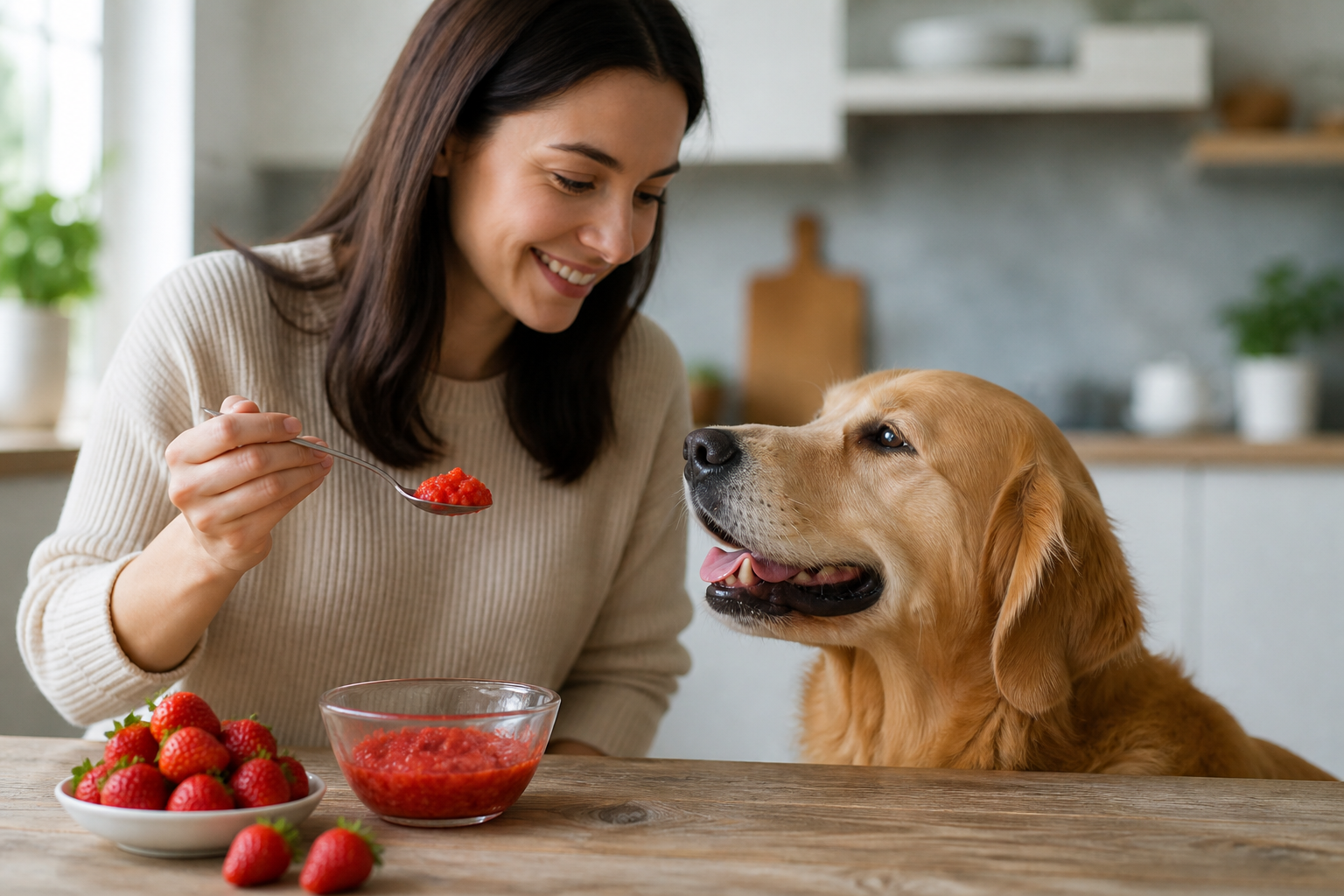
You are standing at your kitchen counter preparing a healthy snack when you notice your dog watching every move. You have likely heard that certain fruits offer more than just a sweet taste. Specifically, the idea that mashed strawberries can whiten teeth and break down plaque has become a popular topic among pet parents. At BaxterBoo, we want to help you separate helpful home tips from the essential care your dog needs. This article explores the science behind strawberries and canine dental health. We will look at the enzymes that make these berries unique and how to serve them without causing an upset stomach. While strawberries can be a great addition to a wellness routine, they work best alongside consistent dental habits. You will learn how to use this fruit safely to support a bright and healthy smile for your dog.
The Role of Malic Acid in Dental Care
The primary reason people discuss strawberries for dental health is a specific enzyme called malic acid. This organic compound is found in many fruits. It acts as a natural astringent. In the human world, it is often used in whitening products because it can help dissolve superficial stains on the surface of the teeth. For dogs, the presence of malic acid in strawberries may help break down the protein film that eventually hardens into tartar.
When you mash a strawberry, you release more of these juices. This allows the malic acid to come into direct contact with the enamel. It is not a miracle cure for deep dental disease. However, the mild acidity can help loosen the sticky plaque that forms after a meal. This makes it easier for other dental tools to do their job.
Quick Answer: Yes, mashed strawberries can help clean a dog's teeth because they contain malic acid, an enzyme that helps break down plaque and remove surface stains. They are not a replacement for brushing but can be a helpful, healthy supplement to a dental routine.
Beyond the acid, strawberries are also rich in vitamin C. This vitamin is essential for maintaining the health of the gums and the connective tissues that hold teeth in place. Strong gums are the first line of defense against periodontal disease. By supporting the gum line, you are helping to prevent the bacteria that cause bad breath and decay.
How to Safely Prepare Strawberries for Your Dog
You cannot simply toss a whole strawberry to every dog and expect results. Safety and preparation are the most important steps. Large, firm strawberries can be a choking hazard. This is especially true for small breeds or dogs that tend to gulp their food without chewing.
Mashing the berries is the most effective way to use them for dental support. This creates a pulp that can be smeared onto a lick mat or mixed into their regular food. If you want to focus on the teeth, some owners even use the mash as a sort of fruit based toothpaste during a quick finger brush.
Step 1: Choose organic berries. / This reduces the risk of your dog ingesting pesticides or chemical residues often found on conventional fruit.
Step 2: Wash thoroughly and remove the tops. / The green leaves and stems are not toxic, but they are bitter and can be difficult for some dogs to digest.
Step 3: Mash into a smooth paste. / Use a fork to create a consistency that is easy for your dog to lap up or for you to apply to their teeth.
Step 4: Feed in moderation. / Treat strawberries as a supplement, not a meal replacement.
Key Takeaway: Preparation is the bridge between a healthy treat and a safety risk. Mashing strawberries makes the malic acid more accessible and removes the risk of choking for smaller dogs.
Nutritional Benefits Beyond the Smile
Strawberries are more than just a dental aid. They are a powerhouse of nutrition for the entire body. When you feed these berries, you are providing a dose of antioxidants. These compounds help fight oxidative stress and inflammation. For an aging dog, antioxidants are vital for supporting cognitive function and immune health.
These berries also contain high levels of fiber. Fiber is excellent for the digestive system. It helps regulate bowel movements and can keep your dog feeling full for longer. This is particularly helpful if you are trying to manage your dog's weight. Obesity is a major contributor to many health issues, including joint pain and heart disease.
We also find potassium and folate in strawberries. Potassium supports heart and kidney function. Folate, or vitamin B6, is necessary for the growth and division of cells. When you look at the total package, a strawberry is one of the most nutrient dense treats you can offer.
Understanding the Risks of Sugar and Fiber
While the benefits are many, we must talk about the natural sugar found in fruit. Strawberries contain fructose. While this is a natural sugar, it is still sugar. If your dog eats too many, it can lead to weight gain or spikes in blood glucose levels.
For dogs with certain health conditions, this sugar content is a serious consideration. If your dog has been diagnosed with diabetes, you must be very careful with fruit. Even a small amount can interfere with their insulin regulation.
Vet Tip: Always consult your veterinarian before adding new fruits to the diet of a dog with a chronic condition like diabetes or obesity. If you are managing a medical condition through a prescription diet, our dog healthcare category can help you explore relevant care products.
Too much fiber can also be a problem. If a dog is not used to eating fresh fruit, a sudden large serving of strawberries can cause diarrhea or gas. It is always best to start with a very small amount. Watch your dog for 24 hours to see how their stomach reacts before making it a regular treat.
The Essential Dental Routine for Dogs
Mashed strawberries are a great addition to a plan, but they are not the entire plan. Real dental care requires a multi-pronged approach. The gold standard for pet oral health is daily brushing. Using a toothbrush and dog-specific toothpaste is the only way to physically scrub away the heavy buildup that leads to gingivitis. You can find our dog dental care products for tools and daily oral-care support.
You should also look for high quality dental treats. We carry many brands like Greenies that are specifically designed to scrape the teeth as the dog chews. These treats often have a texture that allows the tooth to sink in, cleaning all the way down to the gum line.
Professional cleanings are also necessary. Even with the best home care, tartar will eventually build up in places you cannot reach. Your vet will perform a deep cleaning under anesthesia to ensure the mouth remains healthy. This is a good time to check for cracked teeth or signs of infection that might be hidden.
Key Takeaway: Think of strawberries as a "brightener" for the teeth, while brushing and professional cleanings are the "medicine." You need both to keep your dog's mouth truly healthy.
For additional guidance, review our pet dental care tips before building a routine.
Avoiding Processed Strawberry Products
A common mistake pet owners make is thinking that anything labeled strawberry is safe. This is not the case. You should never feed your dog strawberry jam, jelly, or canned fruit in syrup. These products are loaded with added sugars and preservatives.
The most dangerous ingredient to watch for is xylitol. This is an artificial sweetener often used in sugar free products, including some yogurts and candies. Xylitol is extremely toxic to dogs. Even a small amount can cause a rapid drop in blood sugar and liver failure.
Always stick to fresh or frozen whole berries. If you buy frozen strawberries, check the ingredient list to ensure there is nothing but the fruit itself. Many frozen fruits have added sugar to preserve color and texture. These are not suitable for your pet.
Integrating Strawberries into a Balanced Diet
The general rule for treats is that they should make up no more than 10 percent of your dog's daily calories. The other 90 percent should come from a high quality, balanced dog food. We recommend brands like Stella and Chewy's or The Honest Kitchen for those looking for whole food nutrition.
When you use mashed strawberries, you can use them as a topper. Adding a spoonful of mash to a bowl of dry kibble can make mealtime more exciting for a picky eater. It adds moisture and flavor without the heavy calories of many commercial wet toppers.
For a refreshing summer treat, you can freeze the mash in ice cube trays. This provides a cool snack that hydrates your dog while they enjoy the sweetness of the fruit. Frozen treats also take longer to eat, providing a bit of mental stimulation.
Signs of Dental Issues in Your Dog
Even if you are using mashed strawberries and brushing regularly, you need to know the signs of trouble. Dental pain can be subtle in dogs. They are experts at hiding discomfort until it becomes severe.
Watch for the following signs:
- Very bad breath that does not go away after a meal
- Bleeding or red, swollen gums
- Dropping food while eating or chewing on only one side of the mouth
- Yellow or brown crust on the teeth near the gum line
- Refusing to eat hard kibble or crunchy treats
- Excessive drooling or pawing at the face
If you notice these symptoms, it is time for a veterinary visit. Dental infections can lead to more serious systemic issues. Bacteria from the mouth can enter the bloodstream and affect the heart, liver, and kidneys.
Vet Tip: Regular oral exams are part of a complete wellness check. If your dog requires prescription dental care or medications for an oral infection, you can explore our dog healthcare products.
For more warning signs, read how to recognize bad teeth in dogs.
Other Fruits That Support Oral Health
Strawberries are not the only fruit that can help. Apples are another great choice. The crunchy texture of an apple slice acts like a natural toothbrush. It helps scrub the teeth as the dog chews. Just remember to remove the core and all seeds, as the seeds contain small amounts of cyanide.
Blueberries are also fantastic. While they do not have the same malic acid levels as strawberries, they are packed with even more antioxidants. These help reduce inflammation in the gums. They are also small and easy to use as training treats without the need for mashing.
Watermelon is a hydrating option that can help wash away food particles after a meal. Like strawberries, it should be fed in moderation due to the sugar content. Always remove the seeds and the rind before sharing a slice with your dog.
Creating a DIY Strawberry Dental Topper
If you want to make the most of the dental benefits, you can create a simple topper at home. This is a healthy way to use up berries that are starting to get soft. It is much better than letting them go to waste.
Mix half a cup of mashed strawberries with a tablespoon of plain, unsweetened yogurt. Ensure the yogurt does not contain any xylitol or artificial sweeteners. Yogurt provides probiotics which are good for the digestive tract and can help balance the bacteria in the mouth.
You can also add a pinch of dried parsley. Parsley is a natural breath freshener. When mixed with the strawberry mash, it creates a powerful combination for oral health. This mixture can be frozen or served fresh. It is a simple way to add variety to the bowl while focusing on the teeth.
The Impact of Diet on Dental Health
The type of food your dog eats every day has a huge impact on their teeth. There is a long standing debate about whether dry kibble cleans teeth better than wet food. While the crunch of kibble can provide some mechanical cleaning, it is often not enough to prevent plaque on its own.
Some dogs require specific dental diets. These are often prescription foods available through our pharmacy. These diets have a specific kibble shape and size that forces the dog to chew. The fibers in the kibble are aligned in a way that they scrub the tooth surface as the dog bites down.
Regardless of the diet you choose, consistency is the goal. Supplementing with fresh fruits like mashed strawberries works best when the baseline diet is nutritionally sound. We carry a wide range of premium foods at BaxterBoo that provide the vitamins and minerals necessary for strong teeth and bones.
Common Myths About Fruit and Dogs
There are many myths floating around the internet regarding what fruits can and cannot do. One common myth is that strawberries can replace professional dental cleanings. This is false. While they help with surface stains and mild plaque, they cannot remove hardened tartar or treat gum disease.
Another myth is that all dogs love fruit. Some dogs may be completely uninterested in the taste or texture of a strawberry. Never force your dog to eat something new. If they do not like the mash, there are many other ways to support their dental health, such as water additives or dental chews.
Finally, some people believe that the more fruit a dog eats, the better. As we discussed, the sugar and fiber content mean that more is not always better. Stick to the 10 percent rule to avoid upsetting the balance of your dog's nutrition.
For broader guidance, explore the top pet dental care tips for ideas that can complement your routine.
Long Term Care for Senior Dogs
As dogs age, their dental needs become more complex. Senior dogs are much more likely to suffer from tooth loss and advanced periodontal disease. Their gums may be more sensitive, making traditional brushing difficult.
For these dogs, mashed strawberries are an excellent choice. The soft texture is easy on sensitive mouths. The antioxidants help support their aging immune system. It is a gentle way to provide some dental support without the discomfort of a hard chew or a stiff brush.
We also offer a variety of mobility aids and supplements for seniors. Dental health is just one part of a senior wellness plan. Keeping their mouth comfortable ensures they can continue to eat and maintain their weight as they get older.
The Benefits of Organic and Fresh Produce
When you are looking for strawberries to mash for your dog, quality matters. Conventional strawberries are often at the top of the list for pesticide residue. Because dogs have smaller bodies, they can be more sensitive to these chemicals over time.
Choosing organic ensures that your dog is getting the pure benefits of the fruit without the unwanted extras. If you cannot find organic, make sure to soak the berries in a mixture of water and a little bit of vinegar to help strip away any surface wax or chemicals.
Freshness also impacts the level of enzymes and vitamins. A bright red, ripe strawberry will have more malic acid and vitamin C than one that is pale or overripe. Using the best ingredients for your dog reflects the same care you would take for your own meals.
Conclusion
Mashed strawberries are a practical and tasty way to support your dog's dental health. The malic acid and vitamin C work together to brighten the smile and strengthen the gums. While they are a helpful addition, they should be part of a larger routine that includes brushing and regular vet checkups. At BaxterBoo, we are committed to providing the tools you need for every part of your pet's life, from premium food to expert pharmacy services.
- Mashed strawberries contain malic acid to help remove surface stains.
- Vitamin C in berries supports healthy gum tissue.
- Always feed in moderation to avoid issues with sugar or fiber.
- Fruit is a supplement, not a replacement for professional dental care.
Bottom line: Use mashed strawberries as a healthy, natural booster for your dog's oral hygiene, but keep the toothbrush and regular vet visits as the foundation of their care.
If you are looking to upgrade your dog's dental routine, explore our dog dental care category for professional dental tools and supplements.
FAQ
Can I use strawberry jam instead of mashed strawberries?
No, you should never use strawberry jam or jelly for your dog's dental health. These products contain very high levels of added sugar and may even contain xylitol, which is toxic to dogs. Stick to fresh, organic strawberries that you mash yourself to ensure your pet is safe.
How often can I give my dog mashed strawberries for their teeth?
You can offer a small amount of mashed strawberries a few times a week as part of your treat allowance. Remember that treats should never exceed 10 percent of your dog's total daily calories. Overfeeding fruit can lead to stomach upset or weight gain due to the natural sugar content.
Will strawberries really whiten my dog's teeth?
Strawberries contain malic acid, which can help break down surface stains and mild plaque buildup over time. While this can make teeth appear brighter, it is not a bleaching agent and will not fix deep discoloration. It works best as a preventative measure alongside regular brushing.
What should I do if my dog has a bad reaction to strawberries?
If your dog experiences vomiting, diarrhea, or signs of an allergic reaction like itching after eating strawberries, stop feeding them immediately. Consult your veterinarian to rule out any underlying sensitivities or digestive issues. You can also contact our pharmacy team if your vet prescribes a specific digestive support plan.






