
 Save 15% on your 1st Autoship learn more

 Email us
 Live Chat
 FAQs
FAQs





Introduction
You are standing in the treat aisle or scrolling through a website, looking for something that will keep your dog busy. You see the bins of large, dried pig ears and remember hearing that they might actually help with dental hygiene. Every dog owner wants a shortcut to better breath and cleaner teeth, especially if their pup hates the toothbrush. At BaxterBoo, we know that choosing the right chew is about balancing enjoyment with health and safety. This post explores the reality of whether pig ears actually clean teeth, the nutritional benefits they offer, and the risks you need to manage. We will cover everything from fat content to bacterial safety so you can make an informed choice for your dog. While pig ears are helpful, they are just one part of a complete oral care routine.
Quick Answer: Pig ears help clean teeth by mechanically scraping away plaque and tartar as your dog chews. They are not a replacement for brushing, but they serve as a helpful, protein-rich supplement for dental maintenance in healthy adult dogs.
The Mechanical Action of Chewing
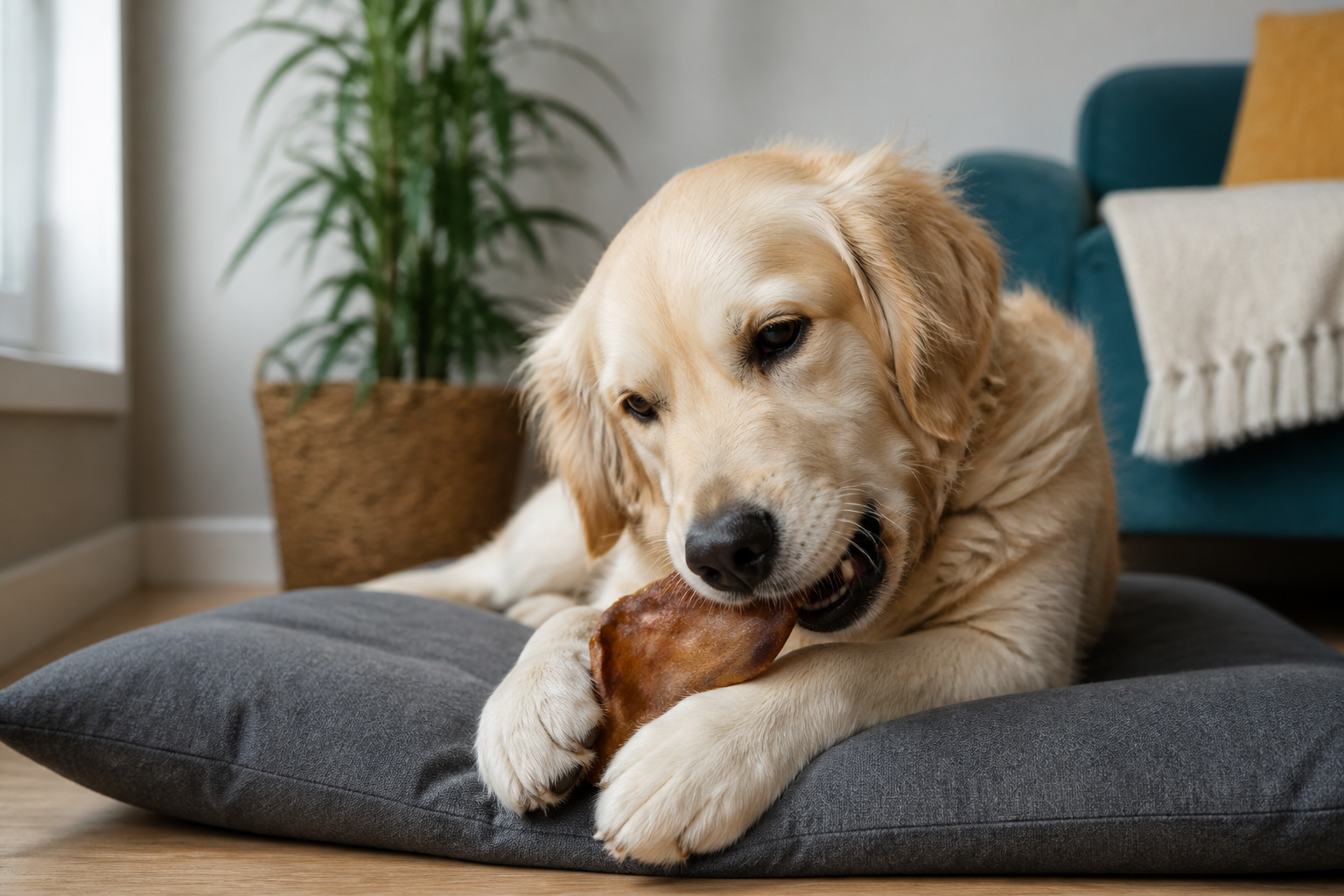
When people ask if pig ears clean teeth, they are usually talking about the physical act of gnawing. Pig ears are made primarily of skin and cartilage. Unlike a soft biscuit that crumbles instantly, a pig ear is tough and fibrous. As your dog works on the ear, their teeth sink into the material. This creates a natural scrubbing motion against the surface of the tooth.
This mechanical scraping is the primary way these treats help. The texture of the dried cartilage acts like a very mild abrasive. It helps pull away soft plaque before it has a chance to harden into tartar. Because pig ears are oddly shaped and have many folds, they often reach different angles of the mouth than a standard bone or stick might. You can compare them with other options in our dog natural chews category.
Chewing also stimulates saliva production. Saliva is one of the best natural defenses against oral bacteria. It contains enzymes that help break down food particles and protect the enamel. By giving your dog a long lasting chew, you are encouraging their mouth to stay hydrated and active. This process helps rinse away debris that might otherwise sit on the gum line.
Understanding the Nutritional Profile
Pig ears are more than just a dental tool. They are a single ingredient animal product that offers genuine nutrition. Most high quality pig ears consist of about 60 to 70 percent protein. This makes them an excellent snack for muscle maintenance. Because they are mostly cartilage, they are also a natural source of glucosamine and chondroitin.
These two compounds are famous for supporting joint health. Many owners of senior dogs or breeds prone to hip issues look for these ingredients in supplements. While a pig ear is not a substitute for a concentrated joint supplement, it provides a functional boost. It is a way to give a treat that actually serves a purpose for the body.
However, you must be aware of the fat content. Pig ears are significantly higher in fat than many other natural chews like cow ears or bully sticks. They usually contain around 15 to 20 percent fat. This makes them very tasty and high in calories. A single ear can range from 130 to 150 calories depending on its size. This is why they must be factored into your dog's daily caloric intake to prevent weight gain.
Key Takeaway: Pig ears are high protein, joint supporting treats that provide a mechanical cleaning effect on teeth through consistent chewing.
Comparing Pig Ears to Rawhide
For years, rawhide was the standard long lasting chew for dogs. Many owners have moved away from rawhide due to concerns about digestibility and chemical processing. Pig ears are a popular alternative because they are considered fully digestible. Rawhide is a byproduct of the leather industry and is often treated with bleach or other harsh chemicals to reach its final form.
Pig ears are usually prepared through simple dehydration or oven baking. Because they are made of cartilage rather than cured hide, the stomach can break them down much more efficiently. This reduces the risk of a long term blockage in the digestive tract. If your dog swallows a small piece of a pig ear, it will likely be processed by their stomach acid without issue.
Rawhide often sits in the stomach for a long time, expanding and causing discomfort. It can also be a major choking hazard if large pieces are gulped. While pig ears still require supervision, their natural composition makes them a safer choice for most dogs. They provide a similar "chew time" to rawhide without the same level of risk regarding chemicals and internal obstructions. For more ideas, read about rawhide-free dog chews.
Potential Health Risks and Safety Concerns
While pig ears have many benefits, they are not without risks. The most significant concern for many veterinarians is the high fat content. For a healthy, active dog, the fat is usually fine in moderation. However, for dogs with a history of pancreatitis, pig ears are often off limits. The sudden influx of fat can trigger a painful and dangerous flare up of the pancreas.
Bacterial contamination is another historical concern. In the past, there have been recalls related to Salmonella. This bacteria can affect both the dog and the humans handling the treat. High quality manufacturers now use heat treatments and strict testing to minimize this risk. You should always buy from reputable brands that prioritize safety and sourcing.
There is also the risk of choking or intestinal blockage if your dog is a "gulper." Some dogs do not chew their food thoroughly. They may try to swallow a large, softened piece of the ear whole. This can get stuck in the esophagus or further down in the intestines. Always watch your dog while they are enjoying a chew to ensure they are breaking it down into manageable pieces. Our article on safe bully sticks covers similar supervision and sizing considerations.
Vet Tip: If your dog has a history of digestive sensitivity or weight issues, consult your veterinarian before adding pig ears to their routine. They may recommend a leaner alternative like cow ears or a prescription dental diet.
Sourcing and Processing Quality
The way a pig ear is processed determines how safe it is for your dog. You should look for ears that are oven baked or air dried. These methods preserve the nutrients without making the ear too brittle. Avoid smoked pig ears when possible. The smoking process can sometimes involve artificial flavors or chemicals that are not ideal for your pet.
Sourcing also matters. Many owners prefer ears sourced from the United States, Canada, or South America where safety standards are often higher. When you shop at BaxterBoo, you are looking at products we have curated with these standards in mind. We look for single ingredient treats that do not contain artificial colors, preservatives, or "liquid smoke" additives. One example is the Canine Butcher Shop Dog Chew - Pig Ears.
Check the appearance of the ear before buying. A high quality pig ear should look like a natural, dried piece of skin. It should not look unnaturally white. Very white ears have often been bleached or irradiated. While irradiation is a way to kill bacteria, some owners prefer to avoid it in favor of heat based pasteurization. A natural tan or brown color is usually a good sign of minimal processing.
Checklist for Choosing a Quality Pig Ear
- Check for a single ingredient label (100% Pig Ear).
- Look for a natural tan or brown color rather than bleached white.
- Confirm the ear is baked or dried, not smoked with chemicals.
- Verify the country of origin and the brand's safety reputation.
- Ensure the size of the ear is appropriate for your dog’s mouth.
Managing Your Dog's Dental Routine
Pig ears are a great supplement, but they are not a complete dental solution. If your dog already has heavy tartar buildup or red, inflamed gums, a chew will not fix the problem. In these cases, the bacteria under the gum line need professional attention. If you notice bad breath that does not go away, it is time for a veterinary checkup. These warning signs of bad teeth in dogs can help you know what to watch for.
For dogs with advanced dental needs, your vet might suggest a prescription dental diet. Our pharmacy partnership with Pet's Choice allows us to help you fulfill these prescription needs easily. These specialized foods are designed to shatter in a specific way that cleans the tooth even better than a standard treat. They are often used for dogs who are prone to rapid plaque accumulation. You can explore our pet pharmacy for available products.
A balanced dental routine should include:
- Daily or weekly brushing with dog safe toothpaste.
- High quality dental chews or natural ears for mechanical cleaning.
- Water additives or dental wipes if your dog resists brushing.
- Annual or bi-annual professional cleanings by a veterinarian.
Introducing Pig Ears to Your Dog
If your dog has never had a pig ear, you should start slowly. Because they are rich in fat, a full ear might cause a loose stool if introduced too quickly. You can try letting them chew on it for ten minutes and then taking it away. This gives their digestive system time to adjust to the new protein and fat levels.
Monitor their chewing style carefully. If your dog is a gentle chewer who takes their time, they will get the most dental benefits. If they are a power chewer who tries to finish the ear in three minutes, they won't get much cleaning action. For those fast chewers, you might want to look into harder options like nylon bones or larger, thicker ears that require more effort.
Always have fresh water available. Chewing and the higher protein content can make dogs thirsty. Once the pig ear becomes small enough to be swallowed whole, it is time to throw the last bit away. That small "nub" is the most common cause of choking or blockages. It is better to waste a tiny piece than to risk a trip to the emergency room.
Alternatives for Specific Needs
Not every dog is a good candidate for pig ears. If your dog needs a lower calorie option, cow ears are a fantastic alternative. They have a very similar shape and texture but contain much less fat. They are often thinner, making them a bit easier for smaller dogs or seniors with slightly weaker jaws to handle.
For dogs who need something even longer lasting, we carry a variety of other natural chews. Bully sticks are very popular because they are dense and lean. Lamb horns are another excellent choice for aggressive chewers. They are almost entirely keratin and do not splinter like bones, providing a very safe and durable surface for scraping teeth. You can also review healthy natural chew ideas for dogs.
If your dog has food allergies to pork, you should avoid pig ears entirely. Many dogs with skin issues or itchy paws are sensitive to common proteins. In these cases, look for novel protein chews like lamb or rabbit ears. These provide the same dental benefits without triggering an allergic reaction.
Bottom line: While pig ears are great for many, always choose the chew that matches your dog's specific health profile and chewing intensity.
Pig Ears for Different Life Stages
Puppies can enjoy pig ears once they have their adult teeth. Before that, their baby teeth are quite brittle and their digestive systems are very sensitive. Wait until they are around six months old to introduce these rich treats. A pig ear can be a great way to redirect a teething puppy away from your furniture and onto something productive.
Senior dogs often benefit from the glucosamine in pig ears, but you must check their teeth first. Many seniors have broken teeth or underlying gum disease. If a senior dog bites down on a hard, dried ear and has a weak tooth, it could cause pain or a fracture. If your senior dog's mouth is healthy, a pig ear is a wonderful way to keep them mentally stimulated.
For adult dogs in their prime, pig ears are a standard part of a healthy treat rotation. They provide the energy and protein an active dog needs while helping maintain that sparkling smile. Just remember the 10% rule. Treats should never make up more than 10% of your dog's total daily calories. Adjust their dinner portions on the days they get a pig ear to keep their weight stable.
Hygiene and Handling
Because pig ears are a natural animal product, hygiene is important for the humans in the house. Always wash your hands with soap and water after handling any natural chew. Even with high safety standards, these products can carry surface bacteria. Keeping them in a sealed container will also help them stay fresh and keep that meaty smell contained.
Teach children to leave the dog alone while they are chewing. Dogs can be very protective of high value treats like pig ears. Even the friendliest dog might growl if a child tries to take away a prized snack. Giving your dog a quiet place to enjoy their chew ensures everyone stays safe and the dog remains relaxed.
If you find that a pig ear has a strong, rancid odor, it may have spoiled or been stored improperly. A fresh, high quality ear should smell meaty but not offensive. If the color looks off or if there is any visible mold, discard it immediately. Buying in smaller quantities or utilizing our Autoship programme can ensure you always have fresh treats arriving when you need them.
Conclusion
Pig ears are a time tested treat that offers real dental benefits through mechanical scrubbing. They provide essential protein and joint supporting nutrients in a form that most dogs find irresistible. While they are higher in fat than some other options, they are a safe and digestible alternative to rawhide when offered in moderation. By choosing high quality, responsibly sourced ears, you can support your dog's oral health and provide them with hours of entertainment.
Always remember to supervise your dog, provide plenty of water, and keep an eye on their total caloric intake. If your dog shows signs of dental pain or advanced tartar, please consult your veterinarian. We invite you to explore our selection of premium natural chews to find the perfect fit for your pup. You can also save on every order by joining the MVP Rewards programme or setting up a recurring delivery with us.
FAQ
Do pig ears really help remove tartar from a dog's teeth?
Yes, the fibrous texture of the pig ear acts as a mechanical scraper that can remove soft plaque and some surface tartar. However, it cannot remove heavy, hardened tartar or reach deep beneath the gum line where bacteria often hide. Think of it as a supplement to, not a replacement for, regular tooth brushing and professional cleanings.
Are pig ears safe for puppies to chew on?
Puppies should generally wait until they have their permanent adult teeth, usually around six months of age, before having pig ears. Their baby teeth are more prone to damage, and their digestive systems can be sensitive to the high fat content in these treats. When you do introduce them, supervise closely to ensure the puppy does not swallow large pieces.
Can pig ears cause pancreatitis in dogs?
Because pig ears have a relatively high fat content, they can be a risk factor for dogs prone to pancreatitis. If your dog has a history of this condition or is on a strict low fat diet, you should avoid pig ears and opt for a leaner treat like cow ears. Always introduce high fat treats slowly to see how your dog's digestive system responds.
How often can I give my dog a pig ear?
For a healthy adult dog, one to two pig ears per week is usually appropriate. Since they are calorie dense, you should adjust your dog's main meals accordingly to prevent weight gain. Always follow the general rule that treats and chews should not exceed ten percent of your dog's daily caloric intake.






