Save 15% on your 1st Autoship learn more

 Email us
 Live Chat
 FAQs
FAQs






Introduction
You are likely familiar with the sound of a dog scratching their ear or licking their paws at two in the morning. Chronic allergies in dogs cause more than just skin irritation. They lead to restless nights, secondary infections, and a lot of frustration for pet parents. Many owners are now looking toward the gut to find relief for the skin. At BaxterBoo, we see thousands of pet owners searching for ways to support their dogs beyond standard topical creams. This guide explores the science behind the gut-skin axis and whether adding a daily supplement can truly reduce your dog's itching and redness. We will look at specific bacterial strains, the importance of colony forming units, and how to integrate these supplements into a broader health plan. Probiotics can be a helpful tool for managing canine allergies, provided you choose the right strains and maintain realistic expectations.
Quick Answer: Probiotics can help manage dog allergies by supporting a balanced immune system and reducing inflammation. While they are not a "cure-all" for severe atopy, specific strains like Lactobacillus rhamnosus GG have been shown to reduce the severity of skin symptoms when used consistently.
Understanding the Connection Between the Gut and Skin
It might seem strange to treat a skin problem by focusing on the stomach. However, the gastrointestinal tract contains about 70 percent of a dog's immune system. This makes the gut the primary training ground for how a dog's body reacts to the world. When the gut is healthy, the immune system is more likely to stay calm when it encounters pollen, dust, or certain food proteins. When the gut is out of balance, the immune system can become hypersensitive. This hypersensitivity often manifests as the red, itchy skin we call allergies.
Scientists call this relationship the gut-skin axis. In dogs with atopic dermatitis, research often shows a lower diversity of gut bacteria compared to healthy dogs. This lack of "good" bacteria allows the immune system to overreact to environmental triggers. By introducing specific beneficial bacteria, you are essentially helping to recalibrate your dog's internal defense system. This does not happen overnight, but it can create a more stable foundation for long-term health.
Which Probiotic Strains Work Best for Dog Allergies?
Not all probiotics serve the same purpose. A strain that helps with loose stools might do very little for itchy skin. When you are looking at a label, you want to see specific names rather than just "probiotics" or "active cultures." The genus, species, and strain should all be listed to ensure you are getting a product with actual research behind it.
Lactobacillus rhamnosus GG is one of the most studied strains for canine allergies. Research suggests that when puppies or pregnant mothers receive this strain, the offspring may have a lower risk of developing allergies later in life. For adult dogs already showing symptoms, it may help reduce the severity of the "itch" score. Another helpful strain is Bifidobacterium longum (specifically BL999). This strain is often used for its calming effect on the immune system and its ability to help dogs manage the stress that comes with chronic itching.
Key Probiotic Strains for Allergy Support
| Strain Name | Primary Benefit for Allergies |
|---|---|
| Lactobacillus rhamnosus GG | Helps reduce the severity of skin reactions and IgE levels. |
| Bifidobacterium longum (BL999) | Supports the immune response and helps manage stress-related scratching. |
| Enterococcus faecium (SF68) | Boosts overall immune function and helps maintain a healthy gut barrier. |
| Lactobacillus acidophilus | Modulates the immune system to reduce general inflammatory markers. |
Key Takeaway: Success with probiotics depends on strain specificity. Look for products that name the exact strain, such as Lactobacillus rhamnosus GG, rather than generic bacterial names.
The Importance of CFU Counts and Potency
When you read a supplement label, you will see a number followed by "CFUs." This stands for Colony Forming Units. It represents the number of live, active bacteria in each serving. For allergies, the dosage needs to be high enough to actually change the environment of the gut. Most experts recommend looking for a supplement that provides between 1 billion and 10 billion CFUs per day for an average-sized dog.
However, a high number is not the only factor. Probiotics are living organisms. They are sensitive to heat, light, and moisture. If a product is not manufactured and stored correctly, many of those billions of bacteria might be dead before they even reach your dog's bowl. This is why we carry trusted brands like Zesty Paws, Purina Pro Plan, and NutriSource at BaxterBoo. These companies prioritize stability and quality control. If you choose a product that has sat on a hot warehouse shelf for months, you are likely just buying expensive powder with no live benefits. You can explore our dog digestive health collection to compare available supplement formats.
What to Look for on a Probiotic Label
- Strain Identification: The label should list the genus, species, and the specific strain string (e.g., Bifidobacterium animalis AHC7).
- Guaranteed Analysis: Look for a guarantee of live organisms at the time of expiration, not just at the time of manufacture.
- Storage Requirements: Some probiotics require refrigeration to stay active, while others are "shelf-stable." Follow these instructions strictly.
- Purity Testing: Check if the brand uses third-party testing to ensure the product is free from contaminants like mold or heavy metals.
Bottom line: A high CFU count only matters if the bacteria are the right strains and are still alive when your dog consumes them.
Managing Your Expectations and the Timeline for Relief
One common mistake pet owners make is giving up on probiotics too soon. Unlike an antihistamine or a steroid, which can stop an itch in an hour, probiotics work through biological shifts. You are essentially "replanting a garden" in your dog's gut. This takes time to establish. Most clinical studies on probiotics and dog allergies run for at least eight to twelve weeks.
During the first week, you might even notice a slight increase in gas or a change in stool consistency. This is usually a sign that the microbiome is shifting. If the symptoms are mild, it is often best to push through. However, if your dog develops significant diarrhea or vomiting, you should stop the supplement and consult your veterinarian. By week four, you may start to see a reduction in the intensity of the scratching. By week eight, the skin might look less angry and red.
Vet Tip: Always introduce new supplements slowly. Start with a half-dose for the first few days to allow your dog's digestive system to adjust to the new bacteria without causing significant gas or bloating.
Probiotics as Part of a Multimodal Allergy Plan
It is rare for probiotics to solve a severe allergy on their own. Most dogs with significant atopic dermatitis require a "multimodal" approach. This means attacking the allergy from several different angles at once. This might include a prescription diet to rule out food triggers, regular medicated baths to remove allergens from the skin, and supplements like Omega-3 fatty acids to repair the skin barrier.
If your dog's allergies are severe, they may need pharmaceutical help to get through the worst seasons. Medications like Apoquel or Cytopoint are often necessary to break the "itch-scratch cycle." Once the immediate inflammation is under control, probiotics can help maintain a more balanced immune system to prevent the next flare-up from being as intense. Our dog pharmacy offers access to these FDA-approved medications and prescription pet foods through our partnership with Pet's Choice. This allows you to manage your dog's entire health regimen in one place, combining clinical treatments with wellness supplements.
Steps to Starting an Allergy Routine
- Consult Your Vet: Get a clear diagnosis to ensure the itching is actually an allergy and not a parasite or infection.
- Clear the Skin: Use a medicated shampoo to soothe current inflammation and remove environmental pollen or dander.
- Introduce Probiotics: Choose a high-quality strain like those found in Honest Paws or Zesty Paws and stick with it for at least 60 days.
- Add Omega-3s: Use a high-potency fish oil to help strengthen the physical skin barrier from the inside out.
- Track Progress: Keep a simple log of your dog's itching levels to see if the combination is working over time.
Key Takeaway: Probiotics work best as a preventative and supportive measure rather than a rescue treatment for an active, severe allergic flare-up.
Potential Side Effects and Safety Considerations
For the vast majority of dogs, probiotics are extremely safe. They are a natural part of the mammalian digestive tract. However, there are a few situations where you should be cautious. If your dog is severely immunocompromised or is undergoing chemotherapy, check with your veterinarian before adding live bacteria to their diet. In rare cases, the body might not be able to manage even "good" bacteria.
The most common side effects are digestive. Gas, bloating, and slightly loose stools are the most frequent complaints. These usually resolve within a few days as the gut adjusts. If your dog has a known allergy to a specific protein, like beef or chicken, make sure the probiotic chew does not use those proteins as a base or flavoring. Many high-quality probiotics come in flavorless powders to avoid this exact issue.
Identifying Real Quality in a Crowded Market
The pet supplement industry is not as strictly regulated as the pharmaceutical industry. This means some products on the market might not actually contain what the label claims. Some studies have found that a significant percentage of pet probiotics do not meet their CFU claims or contain different strains than those listed. This is why we are very selective about the brands we carry at BaxterBoo.
We look for companies that invest in clinical trials and third-party testing. Brands like Purina Pro Plan, NutriSource, and Stella and Chewy's have established track records for safety and transparency. When you are shopping, ignore the flashy marketing and look for the hard data. Does the company list the exact strain? Do they provide a guaranteed analysis? Are they a member of the National Animal Supplement Council (NASC)? These small details are the difference between a product that works and one that is just a waste of money.
Bottom line: Quality control is the most important factor when choosing a probiotic, as many products fail to meet their own label claims.
Integrating Probiotics with Food and Other Supplements
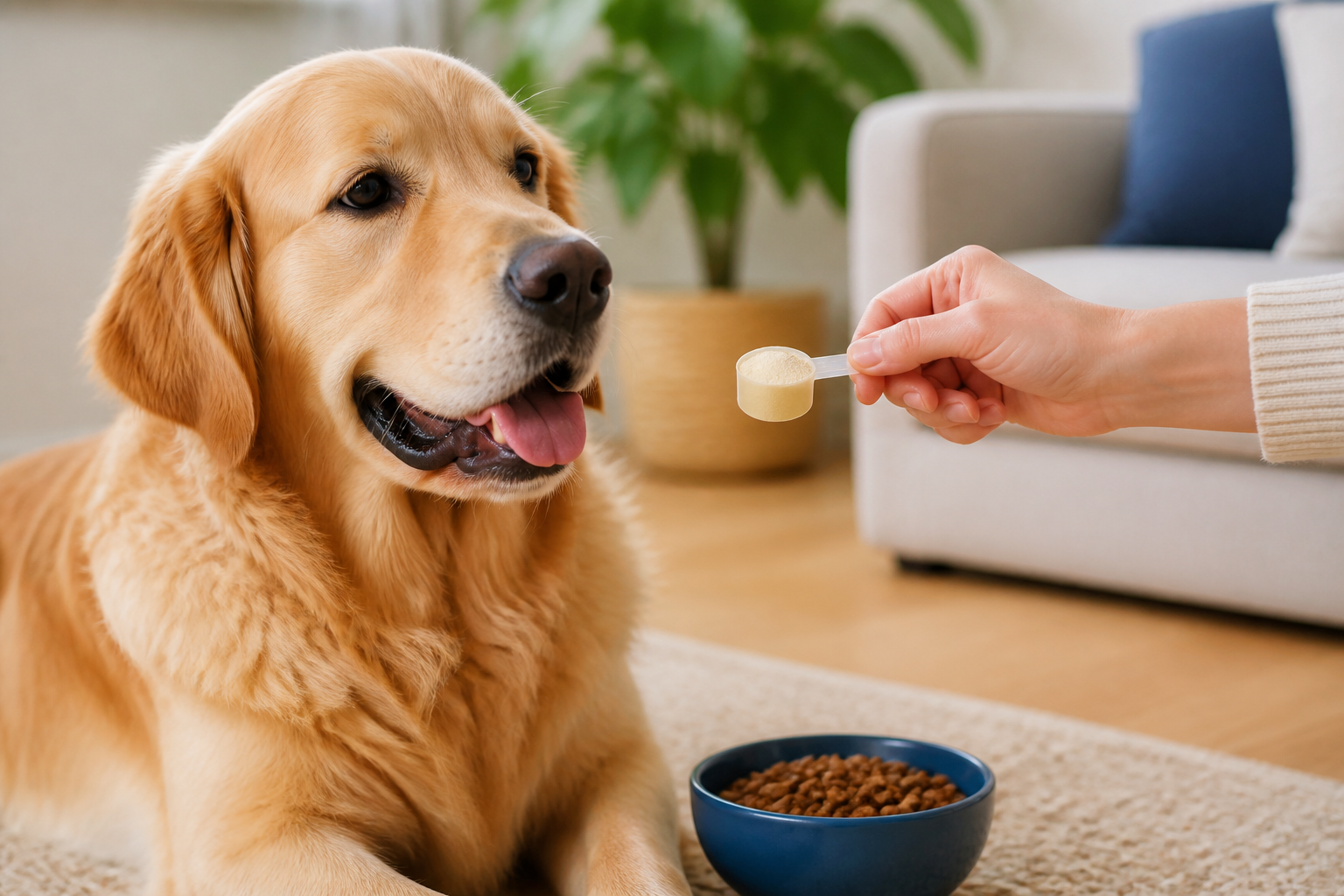
Most dogs are happy to eat probiotics when they are delivered as a soft chew or a flavored powder. For the best results, give the probiotic at the same time every day. Some research suggests that giving them with a meal can help buffer the stomach acid, allowing more of the live bacteria to reach the intestines safely.
If you are already giving your dog a high-quality food like Acana, Orijen, or Open Farm, check the ingredient list. Many premium kibbles already include some probiotics or prebiotics. However, the amounts found in food are often much lower than what is found in a dedicated supplement. Adding a separate probiotic is usually safe and can provide the extra boost needed for an allergic dog. Just be sure not to overdo the "extras." If your dog's diet is already very rich, adding too many chews and toppers can lead to weight gain or digestive upset. For additional context on biotic support in pet nutrition, read this guide to prebiotics, probiotics, and postbiotics.
The Role of Prebiotics and Postbiotics
You might see the terms "prebiotics" and "postbiotics" on supplement labels as well. It is helpful to understand how these differ from probiotics. Prebiotics are a type of fiber that acts as food for the good bacteria already in the gut. Common prebiotics include chicory root and inulin. Think of probiotics as the "seeds" and prebiotics as the "fertilizer."
Postbiotics are the newest area of research. These are the beneficial byproducts created when probiotics ferment fiber in the gut. These byproducts, such as short-chain fatty acids, have their own anti-inflammatory properties. Using a "synbiotic" product—one that contains both probiotics and prebiotics—can often be more effective than using a probiotic alone. It ensures the new bacteria have the fuel they need to thrive and produce those helpful postbiotic compounds. Products such as Fera Pet Organics Probiotics with Prebiotics combine both types of support.
Vet Tip: If your dog has a very sensitive stomach, look for a "synbiotic" supplement. The inclusion of prebiotics can help the new bacteria colonize the gut more efficiently, which may lead to faster results.
Summary of Benefits for Allergic Dogs
While the research is still growing, the current evidence suggests that probiotics are a valuable part of an allergy management toolkit. They help by:
- Training the Immune System: Teaching the body to distinguish between real threats and harmless environmental triggers.
- Reducing Inflammation: Lowering the systemic inflammation that leads to red, itchy skin.
- Strengthening the Gut Barrier: Preventing "leaky gut," which can allow allergens to enter the bloodstream.
- Improving Skin Condition: Supporting a healthier coat and less reactive skin over long-term use.
Conclusion
Managing a dog with allergies requires patience and a multifaceted strategy. Probiotics are not a magic pill that will stop all scratching overnight, but they offer a way to support your dog’s health from the inside out. By balancing the gut microbiome with specific strains like Lactobacillus rhamnosus GG, you can help calm an overactive immune system and reduce the frequency of flare-ups. We recommend choosing high-quality, strain-specific supplements and staying consistent for at least two months to see the full benefits. If your dog's allergies are persistent or severe, remember that our pharmacy is here to provide the prescription medications and diets your veterinarian recommends. Combining professional medical care with expert-selected supplements is the most reliable way to give your dog the relief they deserve.
- Select a probiotic with researched strains like Lactobacillus or Bifidobacterium.
- Commit to a 60-day trial period to allow the gut to rebalance.
- Consult your vet if itching is accompanied by skin infections or hair loss.
- Consider our Autoship program to ensure you never run out of your dog's daily supplements.
Key Takeaway: Probiotics are a safe, science-backed way to support an allergic dog's immune system, but they work best when used alongside a veterinarian's broader care plan.
FAQ
How long does it take for probiotics to help with dog allergies?
You should typically allow eight to twelve weeks of consistent daily use to see a noticeable change in allergy symptoms. While some dogs may show small improvements in four weeks, the biological shift in the gut microbiome and immune system is a slow process. It is important to stay the course even if you do not see immediate results in the first few days.
Can I give my dog human probiotics for their allergies?
While human probiotics are generally not toxic to dogs, they are not the best choice because dogs have a different gut microbiome than humans. Supplements designed specifically for dogs contain strains that are native to the canine digestive tract and are dosed appropriately for their size. Using a species-specific product ensures the bacteria can actually survive and thrive in a dog's internal environment.
Are there side effects when starting a dog on probiotics?
The most common side effects are mild digestive issues such as gas, bloating, or a temporary change in stool consistency. These symptoms usually appear within the first few days and resolve on their own as the dog's body adjusts to the new bacteria. If the symptoms are severe or persist for more than a week, you should stop the supplement and speak with your veterinarian.
Do probiotics work for both food allergies and environmental allergies?
Probiotics are generally more effective for environmental allergies (atopy) because they help modulate the immune system's reaction to things like pollen and dust. While they can support gut health in dogs with food sensitivities, they cannot "cure" a food allergy. If your dog is allergic to a specific ingredient like chicken or grain, the only solution is to remove that trigger from their diet entirely.