
 Save 15% on your 1st Autoship learn more

 Email us
 Live Chat
 FAQs
FAQs





Introduction
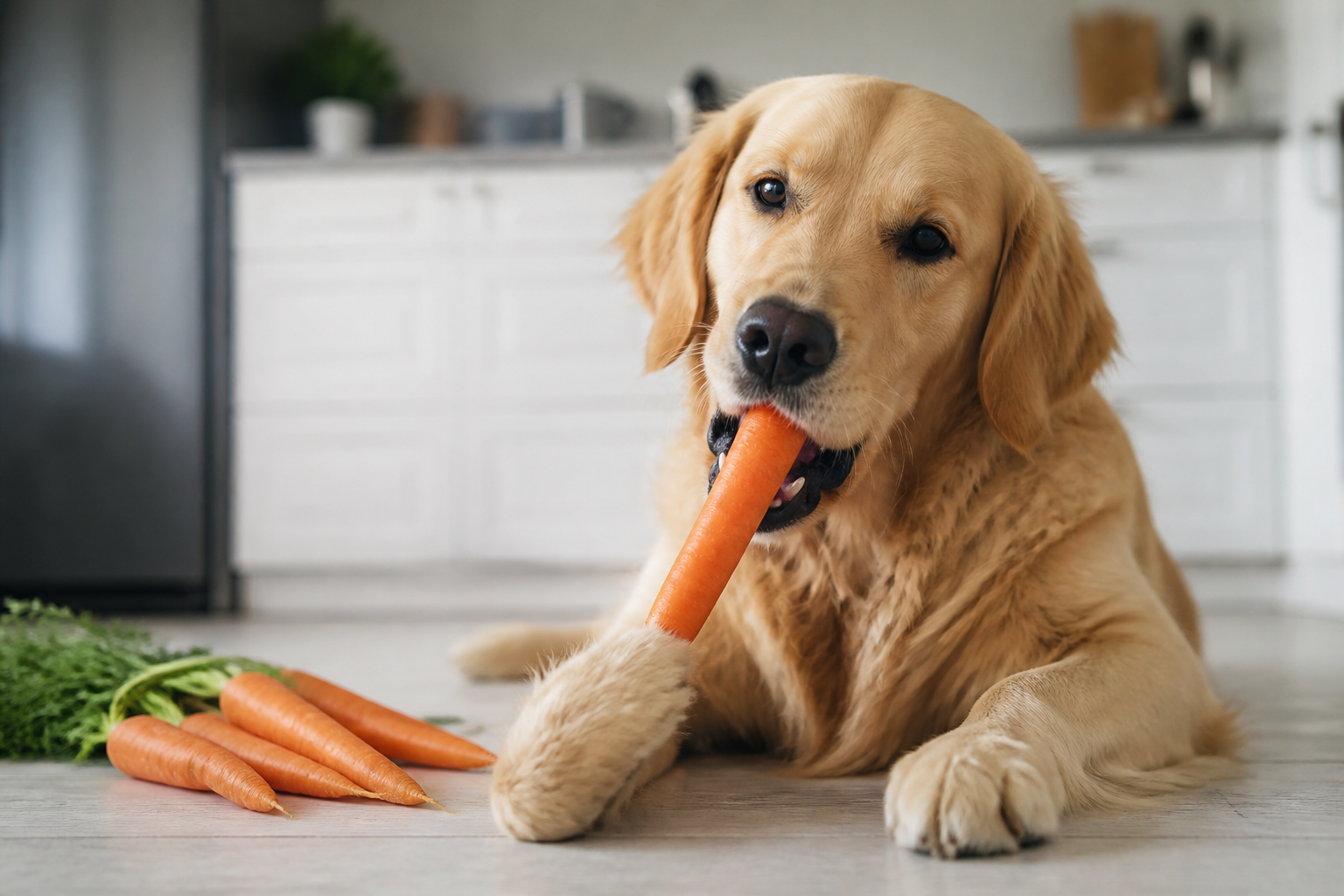
You are likely standing in your kitchen, peeling vegetables for dinner, when those hopeful puppy eyes look up at you. It is tempting to toss a raw carrot nub to your dog, especially if you have heard that the crunch helps keep their smile bright. At BaxterBoo, we get this question frequently from our community of pet lovers. Owners want to know if these orange root vegetables are a secret weapon for oral hygiene or just a low calorie snack. This post covers the nutritional profile of carrots, the mechanical action of chewing, and how they compare to professional dental products. You will learn the best ways to serve this veggie and when to look for more robust dental solutions. While carrots offer some mechanical benefits, they are not a substitute for a complete dental care routine.
Quick Answer: Raw carrots can help gently scrape away some surface plaque through mechanical abrasion as a dog chews. However, they do not reach the gum line effectively and cannot remove hardened tartar or treat existing dental disease.
The Mechanical Action of Chewing Carrots
When your dog chomps down on a raw carrot, the firm texture provides a level of resistance. This resistance creates a scraping action against the surface of the tooth. In the pet care world, we call this mechanical abrasion. It is the same principle behind many dental treats and dry kibble. As the carrot fibers rub against the enamel, they can dislodge soft debris and early plaque.
The physical structure of a dog's mouth also plays a role. Dogs have what is known as a "scissor bite." This means their upper and lower teeth overlap closely. This action allows them to shear through firm objects like carrots. This shearing process forces the carrot to rub against a larger surface area of the tooth. It is more effective for dogs than it would be for humans due to this specific tooth alignment.
Chewing also triggers a very important biological response: saliva production. Saliva is a natural defense mechanism for a dog's mouth. It contains antibacterial agents that help neutralize the acids produced by oral bacteria. Increased saliva flow helps wash away loose food particles and keeps the mouth environment more balanced.
Key Takeaway: The firm, fibrous nature of raw carrots provides mechanical abrasion that helps remove soft plaque and stimulates healthy saliva production.
Nutritional Benefits Beyond Dental Health
Carrots are a nutritional powerhouse for dogs. They are packed with essential vitamins that support more than just a white smile. One of the most famous components of carrots is beta-carotene. This is an antioxidant that the dog's body converts into Vitamin A. This vitamin is critical for maintaining healthy vision, especially in low light conditions.
Carrots also provide a significant amount of Vitamin K1 and Vitamin B6. Vitamin K1 is vital for proper blood clotting and bone health. Vitamin B6 helps with energy metabolism and the function of the nervous system. These nutrients contribute to your dog's overall vitality and immune response.
Antioxidants in carrots do more than just provide vitamins. They help fight oxidative stress in the body. Oxidative stress occurs when free radicals damage healthy cells. By including antioxidant-rich foods like carrots in your dog's diet, you help protect their cells from this damage. This can be especially beneficial for senior dogs who may be facing age-related inflammation.
If you are looking for carrot-based options beyond fresh vegetables, browse our carrot dog treat selection.
The Role of Fiber in a Dog's Diet
Carrots are an excellent source of dietary fiber. They contain both soluble and insoluble fiber, which serve different purposes in the gut. Insoluble fiber does not dissolve in water. It helps move food through the digestive tract and adds bulk to the stool. This can be very helpful for dogs that struggle with occasional constipation.
Soluble fiber, such as pectin, dissolves in water to form a gel-like substance. This type of fiber acts as a prebiotic. It feeds the beneficial bacteria in your dog's gut microbiome. A healthy gut microbiome is linked to a stronger immune system and better nutrient absorption. Soluble fiber also helps regulate blood sugar levels by slowing down the digestion of sugars and starches.
Bottom line: Carrots provide high levels of Vitamin A and both soluble and insoluble fiber, supporting vision, immunity, and digestive regularity.
Why Carrots Are Not a Magic Dental Wand
While the crunch of a carrot is beneficial, it has limitations. The biggest issue is that carrots do not clean the most important area of the mouth: the gum line. Most dental diseases in dogs, like gingivitis and periodontitis, start under the gums. A carrot simply cannot reach into those crevices to remove the bacteria hiding there.
Another limitation is tartar. Plaque is a soft film that can be scraped away. If plaque stays on the tooth for more than 48 hours, it begins to mineralize into tartar, also known as calculus. Tartar is incredibly hard and bonds strongly to the tooth enamel. No amount of carrot chewing will remove established tartar. Only a professional veterinary cleaning can safely remove these deposits.
We also have to consider the duration of chewing. To effectively clean teeth, a dog needs sustained chewing time. Most dogs can crunch through a carrot in a matter of seconds. Compare this to a long-lasting chew toy or a specialized dental treat designed to withstand minutes of gnawing. The shorter the chewing time, the less cleaning action occurs.
For longer-lasting alternatives, explore our dog dental care category.
The Digestibility Challenge
You might notice something interesting in your dog's yard cleanup after they eat raw carrots. Often, you will see bright orange chunks that look exactly like they did when your dog swallowed them. This happens because dogs lack the enzyme cellulase. This enzyme is required to break down the tough cellulose walls in raw vegetables.
If the carrot is not broken down, your dog is not absorbing all those wonderful vitamins and antioxidants. To help your dog get the most nutrition, you can prepare the carrots differently. Steaming them lightly or pureeing them breaks down the cellular walls. This makes the nutrients more bioavailable.
Of course, if you cook the carrots, you lose the firm texture that helps with teeth cleaning. This creates a trade-off. Raw carrots are better for mechanical cleaning. Cooked or pureed carrots are better for nutritional absorption. Many owners choose to offer a mix of both styles to get all the benefits.
Ways to Improve Digestibility
- Lightly steam carrot coins until they are slightly soft.
- Grate raw carrots into a fine shred before adding them to the food bowl.
- Puree carrots into a smooth mash to use as a meal topper.
- Use a food processor to mulch carrots into tiny pieces.
Safety Concerns and Potential Risks
Carrots are generally very safe, but there are a few things to keep in mind. Choking is the primary risk. This is especially true for "gulpers" or dogs that try to swallow large objects without chewing. Always cut carrots into manageable sizes based on your dog's breed and size. For small dogs, carrot coins or thin sticks are much safer than whole carrots.
Sugar content is another factor. Carrots have a higher natural sugar content than many other vegetables like green beans or broccoli. For a healthy dog, this sugar is not a concern. However, if you have a dog with diabetes or a dog that is significantly overweight, you should consult your vet about portion sizes.
Vitamin A toxicity is rare but possible if a dog is over-supplemented. Most commercial dog foods already contain the necessary amount of Vitamin A. If you feed massive amounts of carrots every day, you could theoretically reach high levels. Stick to the 10 percent rule: treats and extras should not make up more than 10 percent of your dog's daily caloric intake.
Vet Tip: If your dog has a history of dental pain, loose teeth, or bleeding gums, consult your veterinarian before introducing hard crunchy treats. Hard objects can cause discomfort or even fracture a tooth that is already compromised by disease.
Frozen Carrots for Teething Puppies
If you have a puppy in the house, you know the struggle of the teething phase. Puppies chew to relieve the pressure and discomfort of new teeth coming through the gums. Frozen carrots can be an excellent tool for this. The cold temperature helps numb the gums and reduce inflammation.
A large frozen carrot is a much safer and cheaper alternative to some plastic teething toys. As the puppy gnaws on it, the carrot slowly thaws and breaks down. It provides a soothing sensation and a healthy snack all at once. Just be sure to supervise your puppy to ensure they do not break off a large chunk and try to swallow it whole.
For more ideas during this stage, read our guide to puppy teething toys.
Identifying Dental Disease in Your Dog
Since carrots can only do so much, it is important to know when your dog needs more help. Many dogs are experts at hiding dental pain. You might not notice anything is wrong until the condition is quite advanced. Routine checks at home can help you catch problems early.
Look for red or swollen gums where the tooth meets the gum line. This is a classic sign of gingivitis. If you see brown or yellow buildup on the teeth, that is tartar. Other signs include persistent bad breath, which is often caused by bacteria. If your dog starts dropping food, chewing on only one side of their mouth, or acting shy when you touch their face, they may be in pain.
Key Takeaway: Watch for "dog breath," bleeding gums, or changes in eating habits, as these often indicate dental issues that carrots cannot fix.
For additional guidance, see the warning signs of dental disease in dogs.
Comparing Carrots to Other Dental Aids
We carry a wide variety of dental products at us, and we often see how they compare to natural options like carrots. While carrots are a great whole-food addition, specialized products are engineered for specific dental outcomes.
Dental Chews
Products like Greenies or other VOHC-approved chews are designed with a specific texture. They are often flexible, allowing the tooth to sink into the chew. This ensures the cleaning action reaches all the way to the gum line. Many of these chews also contain ingredients that help prevent plaque from mineralizing into tartar.
You can compare natural snacks with our selection of Greenies products.
Dental Water Additives and Supplements
For dogs that will not tolerate brushing or chewing, water additives are a useful tool. These products contain enzymes that help break down the biofilm of plaque in the mouth. We often suggest these as a supplementary step in a larger dental routine.
Raw Bones
Some owners prefer raw bones for their abrasive qualities. Raw bones are very effective at removing tartar due to their hardness. However, they carry risks such as tooth fractures or splintering. If you choose bones, they must be raw and appropriate for your dog's size. Cooked bones should never be given to dogs.
The Gold Standard: Brushing
Nothing replaces a toothbrush. Brushing your dog's teeth is the only way to remove plaque from under the gum line effectively. You should use a toothpaste specifically formulated for dogs. Human toothpaste contains ingredients like xylitol or high levels of fluoride that are toxic to pets.
Even brushing just two or three times a week can make a massive difference in your dog's long term health. We recommend starting this habit when your dog is a puppy. This helps them get used to the sensation. If you have an older dog, you can still introduce brushing slowly using finger brushes and flavored pastes like poultry or beef.
For step-by-step advice, read our pet dental care tips.
Professional Care and the BaxterBoo Pharmacy
Sometimes, natural snacks and home care are not enough. If your dog is diagnosed with periodontal disease, your vet may prescribe specific treatments. Our dog pharmacy carries prescription products for veterinary-directed care. These specialized foods are often formulated with larger, fibrous kibble that acts like a toothbrush as the dog eats.
Our hybrid model allows us to offer these professional health products alongside our curated selection of treats and toys. If your vet suggests a prescription diet or a specific dental rinse to manage chronic inflammation, we can help fulfill those needs. This ensures your dog gets the professional grade care they need to stay comfortable and healthy.
We have been operating since 2006, and our team in Vernon Hills, Illinois, has seen how much dental health impacts overall wellness. Bacteria from the mouth can enter the bloodstream and affect the heart, liver, and kidneys. Taking oral hygiene seriously is one of the best ways to extend your dog's life.
Bottom line: While carrots are a fantastic healthy treat, professional dental products and veterinary cleanings are necessary for long term oral health.
Alternatives to Carrots
If your dog is not a fan of carrots, there are other healthy vegetables and fruits that offer similar benefits. These can help keep your dog's diet varied while still providing fiber and nutrients.
- Apples: Like carrots, apples are crunchy and can help with surface plaque. Always remove the seeds and the core before feeding.
- Green Beans: These are very low in calories and high in fiber. They are a great snack for dogs on a weight loss plan.
- Cranberries: Some studies suggest that the polyphenols in cranberries can disrupt the formation of plaque.
- Celery: The high water content and stringy fibers of celery can act like natural floss for some dogs.
Introducing Carrots to Your Dog's Routine
If you want to start using carrots as a treat, do it slowly. Any sudden change in diet can cause an upset stomach. Start with a few small pieces and see how your dog's digestion reacts over the next 24 hours.
Step 1: Wash and Peel
Wash the carrots thoroughly to remove any dirt or pesticides. Peeling is optional, but many owners prefer it for cleanliness.
Step 2: Choose Your Size
Cut the carrot into rounds, sticks, or small cubes. Match the size of the piece to the size of your dog's mouth.
Step 3: Monitor
Watch your dog while they eat the carrot. Make sure they are chewing and not trying to swallow large pieces.
Step 4: Consistency
Offer carrots as a consistent, occasional reward. This makes them a predictable part of the diet rather than a shock to the system.
Conclusion
Raw carrots are a wonderful, low-calorie addition to your dog's life. They provide a satisfying crunch that can help rub away surface plaque and stimulate the production of healthy saliva. Beyond dental health, they offer a host of vitamins and fiber that support everything from vision to digestion. However, they are not a substitute for professional dental care. At BaxterBoo, we believe in a balanced approach that combines natural whole foods with expert dental tools and regular veterinary visits.
By incorporating carrots alongside regular brushing and professional dental products, you are giving your dog the best chance at a pain-free, healthy mouth. If you are looking for specialized dental aids or professional-grade hygiene products, we invite you to browse our dog dental care category. Our MVP Rewards program also makes it easy to save on these essential care items as you earn points on every purchase.
Key Takeaway: Carrots are an excellent healthy treat that provides minor dental benefits, but they must be paired with brushing and professional care for a truly healthy mouth.
FAQ
Do frozen carrots help with puppy teething?
Yes, frozen carrots are an excellent tool for teething puppies. The cold temperature helps numb the gums and reduce swelling, while the hard texture provides a safe outlet for the puppy's urge to chew. Always supervise your puppy with frozen treats to prevent them from breaking off and swallowing large chunks.
Can carrots cause diarrhea in dogs?
If a dog eats too many carrots too quickly, the high fiber content can lead to loose stools or gas. It is always best to introduce any new vegetable slowly and in small portions to allow the digestive system to adjust. If your dog has a sensitive stomach, consider steaming the carrots to make them easier to digest.
Are carrots high in sugar for diabetic dogs?
Carrots do contain more natural sugar than green vegetables like broccoli. While they are still considered a low-glycemic food, owners of diabetic dogs should use caution. It is best to consult your veterinarian to determine if carrots are a safe treat for your specific dog's glucose management plan.
Can my dog eat the green leafy tops of carrots?
Yes, the green tops of carrots are perfectly safe for dogs to eat. They contain a variety of vitamins and minerals, though some dogs may not find the bitter taste very appealing. You can chop them up and use them as a nutritious meal topper if your dog enjoys the flavor.






