
 Save 15% on your 1st Autoship learn more

 Email us
 Live Chat
 FAQs
FAQs





Introduction
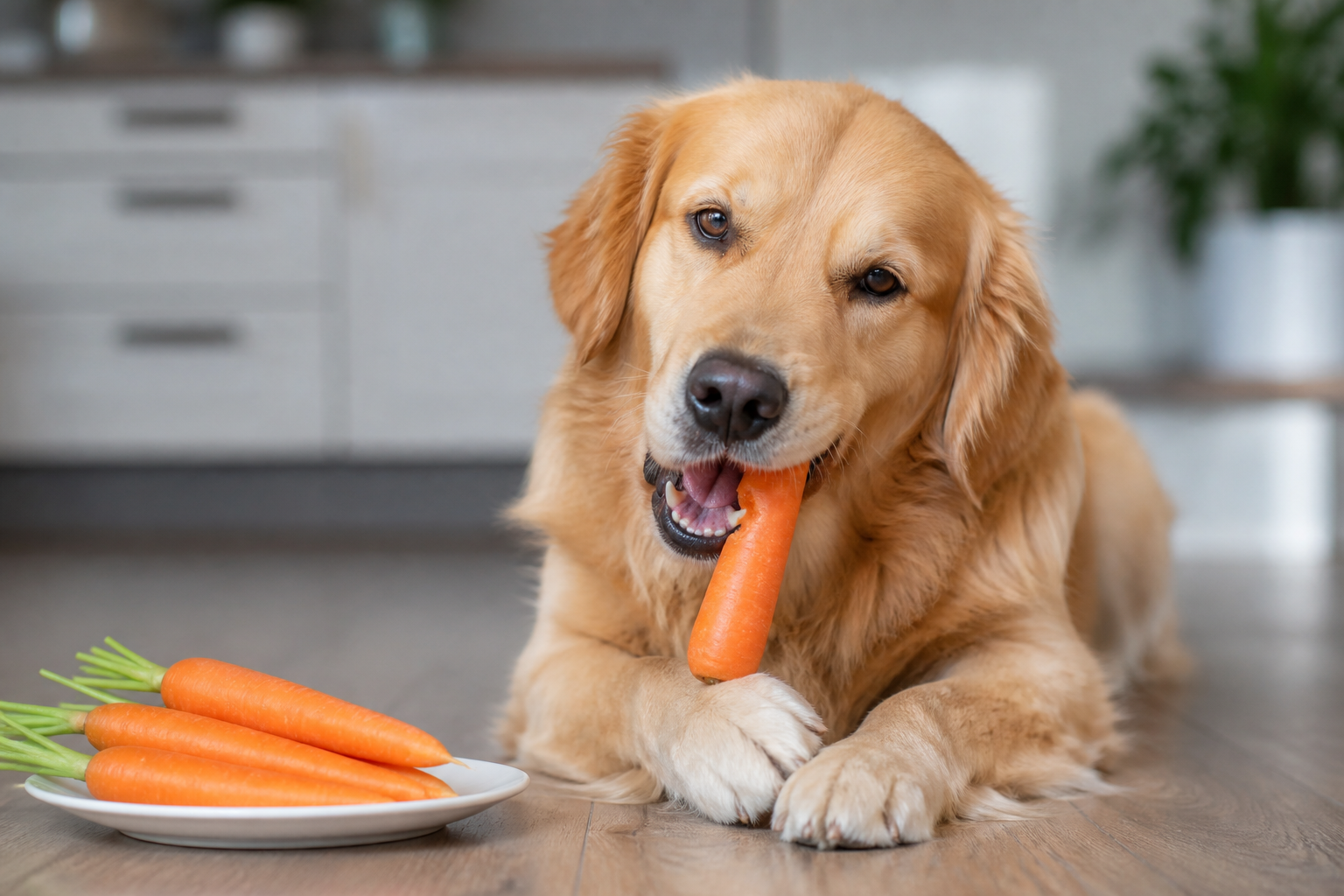
You are finishing your own healthy snack and notice your dog sitting at your feet. Those hopeful eyes are locked onto the bag of baby carrots on your counter. Many pet owners wonder if tossing a few of these crunchy vegetables to their pup is a good idea. You might have heard that the firm texture helps scrape away plaque. At BaxterBoo, we get this question often from customers looking for natural ways to support their pet's wellness. While carrots are a nutritious addition to most diets, their ability to clean teeth is only part of the story. This post will cover the mechanical benefits of chewing carrots, the vitamins they provide for oral health, and the safety steps you should take. Raw carrots can support a clean mouth, but they work best as one part of a larger dental care routine.
Quick Answer: Raw carrots help clean a dog's teeth by mechanically scraping away plaque during the chewing process. While the crunch is beneficial, carrots should supplement rather than replace regular brushing and professional veterinary cleanings. They are a low-calorie treat that supports healthy gums through essential vitamins like Vitamin A.
The Mechanical Benefits: How Carrots Scrub Plaque
The primary way a raw carrot helps your dog's mouth is through physical friction. When a dog bites into a firm, raw carrot, the vegetable's fibrous structure rubs against the surface of the teeth. This action is similar to how the bristles of a toothbrush work. It can help dislodge small bits of food and rub away the soft film of plaque before it has a chance to harden into tartar.
Chewing also serves another important purpose. It stimulates the production of saliva. Saliva is the mouth's natural cleaning agent. It contains enzymes and antibacterial properties that help protect the enamel and wash away debris. Because carrots require a significant amount of chewing, they keep that saliva flowing longer than a soft treat would.
However, carrots are not perfect tools. They do not reach the tiny crevices along the gum line where most dental bacteria hide. They also cannot remove existing tartar, which is a hard, mineralized deposit. Once plaque turns into tartar, only a professional cleaning by a veterinarian can safely remove it. Think of carrots as a helpful maintenance tool rather than a cure for dental issues.
Key Takeaway: The abrasive texture of raw carrots acts as a natural scrubber to remove soft plaque. This mechanical action, combined with increased saliva production, helps keep the mouth fresher between brushings.
The Nutritional Power of Carrots for Oral Health
Beyond the crunch, carrots offer a wealth of nutrients that support the structures inside your dog's mouth. Healthy teeth require a healthy foundation, and that starts with the gums and the jawbone. Carrots are packed with vitamins and minerals that contribute to this overall strength.
Vitamin A and Enamel Support
Carrots are famous for their high beta-carotene content. Your dog's body converts this into Vitamin A. This vitamin is essential for maintaining a healthy immune system. A strong immune response helps the body fight off the bacteria that lead to gingivitis and periodontal disease. Vitamin A also plays a role in the formation and maintenance of bone and tooth enamel.
Essential Minerals
Carrots contain small amounts of calcium and phosphorus. These minerals are the building blocks of teeth. While your dog should get most of these from their primary food, like premium options from Royal Canin or Farmina, the extra boost from a fresh vegetable snack is always welcome.
Soluble and Insoluble Fiber
Carrots provide two types of fiber that help your dog's body in different ways:
- Insoluble fiber: This type does not dissolve in water. It helps move waste through the digestive tract and can assist with regular bowel movements.
- Soluble fiber: This type turns into a gel-like substance. It can help manage blood sugar levels and supports healthy gut bacteria.
Healthy digestion is closely linked to oral health. A dog with a balanced gut often has better breath and a more resilient immune system. By feeding carrots, you are supporting the entire body from the mouth to the tail.
Bottom line: Carrots provide Vitamin A and essential minerals that strengthen tooth enamel and support the immune system's ability to fight oral bacteria.
Important Safety Rules for Feeding Carrots
While carrots are generally safe, there are a few practical things to keep in mind. You want to ensure the treat stays helpful and does not become a hazard.
Manage Choking Risks
Raw carrots are very hard. If a dog tries to swallow a large chunk without chewing it thoroughly, it can become a choking hazard. This is especially true for "gulpers" who tend to inhale their treats. Always cut carrots into manageable sizes. For small dogs, thin slices or "coins" are best. For larger dogs, whole large carrots can be fine as long as you supervise the chewing process.
Monitor Sugar and Calories
Carrots are higher in natural sugar than some other vegetables like green beans. For most dogs, this is not an issue because the calorie count is still very low. One medium carrot usually has about 25 to 30 calories. However, if you have a dog managing diabetes or weight issues, you should consult your vet about how many carrots are appropriate.
Watch for Vitamin A Toxicity
It is possible to have too much of a good thing. Vitamin A is fat-soluble, which means the body stores it. If a dog eats an extreme amount of Vitamin A over a long period, it can lead to toxicity. This usually only happens if you are feeding a diet already very high in synthetic Vitamin A plus massive amounts of carrots. Most pet owners will never reach this level, but it is a good reason to keep carrots as a treat rather than a primary meal component.
Vet Tip: If your dog has red, swollen gums or breath that is consistently foul, skip the carrots and head to the clinic. These are signs of dental disease that require professional diagnosis and treatment rather than a home remedy.
Comparing Carrots to Dental Chews and Raw Bones
Carrots are a great natural option, but they are not the only way to keep a dog's teeth clean. It helps to understand how they stack up against other popular choices we carry at BaxterBoo.
| Option | Pros | Cons |
|---|---|---|
| Raw Carrots | Low calorie, inexpensive, contains Vitamin A. | Can be a choking hazard, cannot remove tartar. |
| Dental Chews (Greenies) | Specifically designed shapes, VOHC approved. | Higher in calories, can be expensive for daily use. |
| Raw Beef Bones | Extremely effective at removing tartar. | Risk of tooth fractures or splintering. |
| Rubber Chew Toys | Durable, reusable, provides mental stimulation. | Does not provide the nutritional benefits of food. |
Many owners find that a combination approach works best. You might use a Kong toy stuffed with pureed carrots and kibble for mental stimulation. On other days, a VOHC-approved dental chew can provide a more targeted cleaning. You can also explore our dog dental care collection for additional options.
Raw bones are often cited as the gold standard for cleaning teeth because they are so hard. However, they carry a risk of breaking a dog's teeth. Carrots offer a middle ground. They are hard enough to scrape away plaque but soft enough that they will not likely cause a tooth fracture.
How to Prepare Carrots for Your Dog
You can serve carrots in several ways depending on your dog's preferences and health needs. Each method has slightly different benefits.
Step 1: Choose fresh, firm carrots. / Look for carrots that are not limp or shriveled, as these have lost much of their moisture and nutritional value.
Step 2: Wash and peel if necessary. / While the skin is safe, washing removes any lingering dirt or pesticides. Peeling can make the carrot more palatable for picky eaters.
Step 3: Determine the best texture. / You can serve them in several ways:
- Raw Sticks: Best for mechanical teeth cleaning.
- Frozen Carrots: Excellent for soothing the gums of teething puppies.
- Lightly Steamed: Increases the bioavailability of antioxidants like beta-carotene but softens the texture, making it less effective for cleaning teeth.
- Grated or Pureed: Easiest to digest but provides zero dental cleaning benefits.
Step 4: Introduce slowly. / If your dog is not used to a lot of fiber, start with just a few small pieces. This prevents the sudden onset of gas or loose stools.
Key Takeaway: Raw and frozen carrots provide the best dental benefits due to their hardness, while cooked or pureed carrots are better for nutrient absorption.
Beyond Treats: Comprehensive Dental Care for Your Dog
Carrots are a wonderful tool, but they are just one piece of the puzzle. Truly effective dental care requires a multi-pronged strategy. At BaxterBoo, we believe in a holistic approach that includes home care and professional support.
The Importance of Brushing
Nothing replaces the effectiveness of a toothbrush and dog-safe toothpaste. Brushing reaches the gum line where plaque loves to hide. If your dog is hesitant, start slowly by letting them lick the paste off your finger. Gradually move to a finger brush and then a full-sized dog toothbrush. For more ideas, read our pet dental care tips.
Professional Cleanings and Prescription Diets
Some dogs are genetically prone to dental issues, regardless of how many carrots they eat. If your vet discovers significant plaque or tartar, they may recommend a professional cleaning under anesthesia.
For dogs with chronic dental concerns, we offer a specialized pet pharmacy service. Through our partnership with Pet's Choice, we can fulfill prescriptions for FDA-approved medications and therapeutic diets. Brands like Farmina Vet Life offer specific formulas designed to support oral health and manage weight. Having access to a real pharmacy means you can get exactly what your vet prescribes delivered right to your door.
Signs of Dental Disease to Watch For
Monitor your dog's mouth regularly. If you notice any of these symptoms, it is time to talk to a professional:
- Yellow or brown buildup on the teeth
- Bleeding gums during play or when eating
- Dropping food or difficulty chewing
- Pawing at the face or mouth
- Extreme bad breath
For more information about warning signs, see this guide to bad teeth in dogs.
Bottom line: Use carrots as a healthy supplement, but rely on brushing and regular veterinary checkups for long-term oral health.
Conclusion
Raw carrots are a fantastic, low-calorie treat that can help keep your dog's teeth clean through mechanical scraping. They offer valuable vitamins that support the immune system and the health of the gums. While they are not a substitute for a toothbrush, they are a practical and affordable addition to a wellness routine. Remember to cut them into safe sizes and supervise your pup while they enjoy the crunch. To help stay on top of your dog's health needs, consider setting up an Autoship programme for your favorite dental treats and supplies. You will save on your orders and earn points through the MVP Rewards programme.
FAQ
Can I give my dog baby carrots for their teeth?
Yes, baby carrots are safe and provide the same mechanical cleaning benefits as regular carrots. Because they are already small, they are convenient for training or quick snacks. However, you should still supervise small dogs to ensure they chew the carrot thoroughly before swallowing.
Why do I see pieces of carrot in my dog's poop?
Dogs lack the enzymes to fully break down the cellulose walls of raw vegetables. This means pieces often pass through the digestive tract largely unchanged. While the dog still gets the mechanical teeth-cleaning benefit and some hydration, they absorb fewer nutrients from raw chunks than they would from pureed or steamed carrots.
Are frozen carrots better for cleaning teeth than raw ones?
Frozen carrots are even harder than raw ones, which can provide a bit more scrubbing power. They are especially popular for teething puppies because the cold helps numb sore gums. Just be careful that the carrot is not so hard that it causes the dog to strain their jaw or risk a tooth chip. For more puppy chewing guidance, read When Do Dogs Lose Their Puppy Teeth?.
How many carrots can my dog eat per day?
Most experts recommend that treats make up no more than ten percent of a dog's daily calorie intake. For a medium-sized dog, two or three small carrots or a few baby carrots are usually plenty. If your dog has a health condition like diabetes, check with your vet first due to the natural sugar content in carrots.
Bottom line: Carrots are a safe, crunchy, and nutritious way to help manage plaque, provided they are part of a broader dental care plan.






