
 Save 15% on your 1st Autoship learn more

 Email us
 Live Chat
 FAQs
FAQs





Introduction
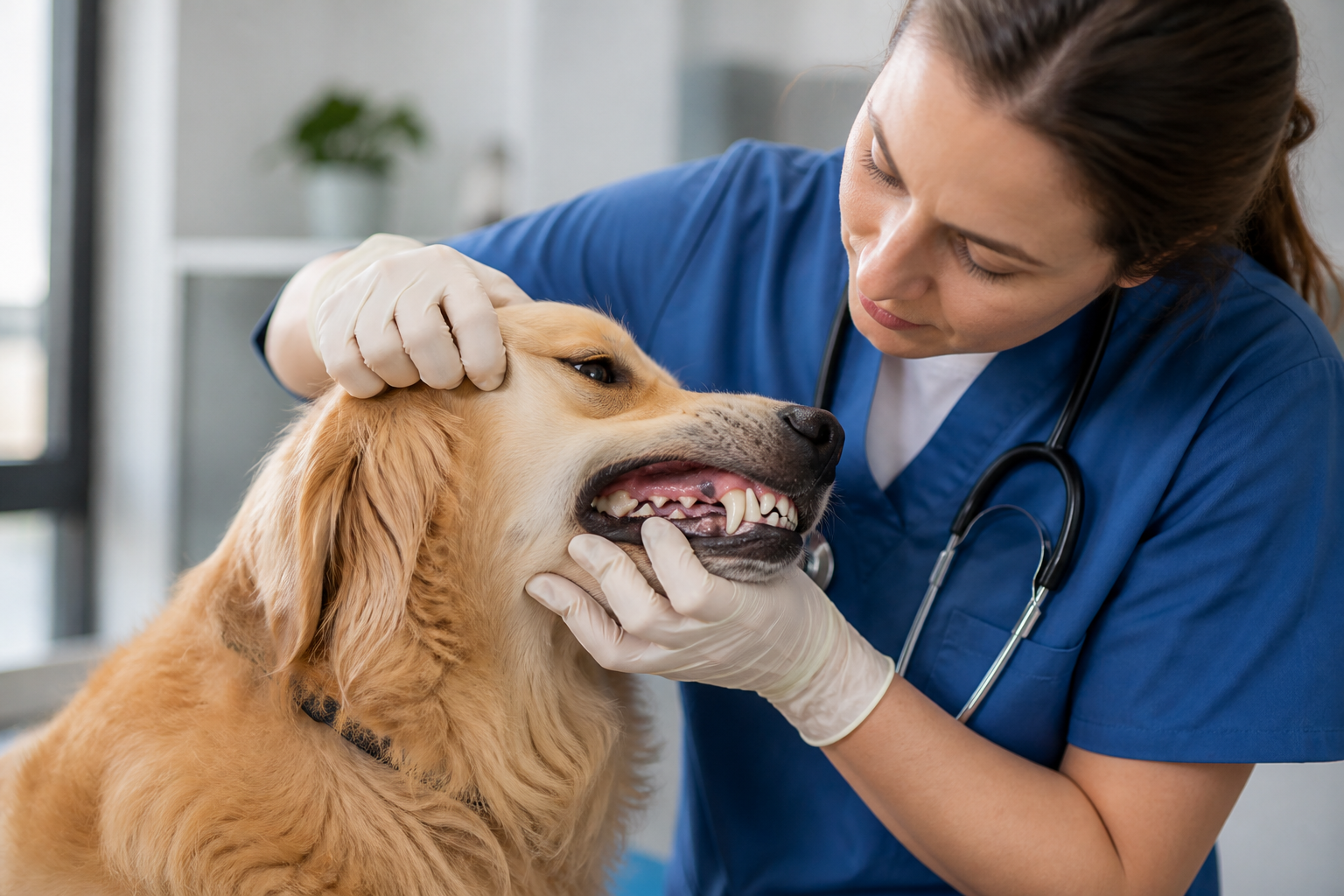
You are relaxing on the couch when your dog leans in for a friendly lick. Instead of a warm greeting, you are hit with a wave of breath so strong it makes you pull back. While many owners think "dog breath" is just part of the package, it is often the first sign of a serious health issue. At BaxterBoo, we talk to owners every day who are surprised to learn that dental care is just as important for dogs as it is for humans.
This article explains exactly how veterinarians clean dog teeth, why they use anesthesia, and what you can expect to pay for the procedure. We will also cover the signs of dental disease and how you can manage your dog’s oral health between professional visits. Understanding the difference between a simple brushing and a medical cleaning helps you make the best decisions for your dog’s long-term wellness. For additional prevention ideas, see our guide to pet dental care tips.
Why Do Vets Clean Dogs Teeth?
A veterinary dental cleaning is not a cosmetic service. It is a medical procedure designed to treat and prevent periodontal disease. While you can brush the surface of the teeth at home, you cannot reach the areas where the real damage happens. Most dental issues in dogs occur below the gumline.
Bacteria in the mouth mix with food particles to form plaque. If plaque is not removed, it hardens into tartar or calculus. Tartar provides a rough surface where even more bacteria can grow. When this buildup moves under the gums, it causes inflammation and infection. This is known as periodontal disease.
Quick Answer: Yes, veterinarians perform professional dental cleanings that involve scaling plaque and tartar above and below the gumline while the dog is under general anesthesia. This procedure is necessary to prevent infection, tooth loss, and systemic health issues.
If left untreated, dental disease does more than just cause bad breath. It can lead to the loss of teeth and the destruction of the jawbone. The bacteria in an infected mouth can also enter the bloodstream. Once in the blood, these bacteria can travel to vital organs like the heart, liver, and kidneys. Regular professional cleanings help keep the entire body healthy. You can also review common warning signs in this guide to bad teeth in dogs.
The Professional Dental Procedure
A professional cleaning at the clinic is much more involved than a human dental appointment. Because dogs will not sit still and open wide on command, the process requires specific medical steps. Between appointments, our dog dental care category offers supplies for maintaining your dog’s routine.
Pre-Anesthetic Screening
Before the cleaning starts, your vet will perform a physical exam. They often recommend blood work to check your dog's organ function. This ensures that the dog is healthy enough to process the anesthesia. For senior dogs or those with known health issues, this step is critical.
General Anesthesia
Once the dog is cleared for the procedure, the vet team administers anesthesia. They place a breathing tube to protect the dog’s airway. This tube prevents the dog from inhaling water, bacteria, or debris during the cleaning. Anesthesia allows the vet to do a thorough job without causing the dog stress or pain.
Scaling and Polishing
The vet uses an ultrasonic scaler to vibrate plaque and tartar off the teeth. They pay special attention to the area under the gums. After the teeth are clean, they polish them. Polishing smooths the tooth surface. A smooth surface makes it harder for plaque to stick in the future.
Dental X-rays
Many clinics now include digital dental X-rays as a standard part of the cleaning. Since 60 percent of a dog's tooth is under the gumline, a visual exam is not enough. X-rays can find abscesses, bone loss, or broken roots that are not visible to the naked eye.
Key Takeaway: A professional cleaning is a multi-step medical process that includes scaling, polishing, and often X-rays to find hidden problems below the gumline.
Why Anesthesia Is Necessary
One of the most common questions we hear is whether a vet can clean teeth without anesthesia. While some "anesthesia-free" services exist, they are not recommended by major veterinary organizations.
A dog must be completely still for a vet to use sharp scaling tools safely. If a dog flinches, the tools could cut the gums or damage the enamel. Furthermore, it is impossible to clean deep under the gumline on an awake animal. Anesthesia-free cleanings only remove the tartar you can see. This leaves the dangerous bacteria under the gums to continue causing infection.
Anesthesia also allows for the use of a breathing tube. This is vital because dental cleanings involve a lot of water and bacteria being sprayed into the mouth. The tube ensures that nothing enters the dog's lungs. While anesthesia always carries a small risk, modern monitoring equipment and protocols make it very safe for most dogs.
Vet Tip: If you are worried about anesthesia, ask your vet about their specific monitoring protocols. Most clinics have a dedicated technician who watches your dog's heart rate, oxygen levels, and blood pressure during the entire procedure.
Factors That Influence the Cost
The price of a dental cleaning can vary significantly. You might receive an estimate for $400, while a neighbor pays over $1,000. Several factors play into these differences.
- Size and Weight: Larger dogs require more anesthesia and more medication. This naturally increases the cost of the procedure.
- Severity of Disease: A routine cleaning for a young dog with mild plaque is faster than a cleaning for a dog with heavy tartar and gum disease.
- Extractions: If the vet finds teeth that are loose, infected, or broken, they may need to be removed. Extractions involve surgery, numbing agents, and extra time.
- Location: Veterinary costs are often higher in major cities compared to rural areas.
- Specialty Care: A board-certified veterinary dentist will charge more than a general practice vet.
Most vets provide a range on their estimates. They often cannot give an exact price until the dog is under anesthesia and the X-rays are complete. If they find an unexpected problem, they will usually call you to discuss the next steps.
Bottom line: The final cost of a dental cleaning depends on the dog's size, the amount of tartar, and whether any teeth need to be extracted.
When Should You Schedule a Cleaning?
Most veterinarians recommend an annual dental exam. For many dogs, a professional cleaning once a year is the standard. However, some breeds may need more frequent care.
Small dog breeds, like Yorkies or Chihuahuas, often have crowded teeth. This crowding makes it easy for food and bacteria to get trapped. These dogs may need cleanings every six to nine months. Brachycephalic breeds, such as Pugs or French Bulldogs, also have unique jaw shapes that lead to faster plaque buildup.
You should watch for specific signs that your dog needs professional help:
- Persistent bad breath
- Yellow or brown buildup on the teeth
- Red, swollen, or bleeding gums
- Difficulty eating or dropping food
- Pawing at the mouth or face
- Loose or missing teeth
If you notice these signs, schedule a vet visit sooner rather than later. Catching dental disease early can save your dog from pain and save you from the cost of expensive extractions.
At-Home Dental Maintenance
The best way to save money on professional cleanings is to keep the teeth clean at home. At BaxterBoo, we suggest a multi-layered approach to oral hygiene. Think of home care as the daily maintenance that makes the yearly professional cleaning easier. For more ideas, explore our dog dental treats.
Daily Brushing
Brushing is the most effective way to remove plaque before it hardens into tartar. You must use a toothpaste specifically made for dogs. Human toothpaste contains ingredients like xylitol or fluoride that are toxic to pets. Many dog pastes come in flavors like poultry or beef to make the process more enjoyable.
Dental Chews
If your dog will not tolerate brushing, dental chews can help. Products like Greenies are designed to scrub the teeth as the dog chews. They also contain ingredients that help freshen breath. While chews are not a replacement for brushing, they are a great supplemental tool. You can browse our selection of Greenies products for dental chew options.
Water Additives and Wipes
For dogs that are very sensitive about their mouths, water additives can be helpful. You simply add a small amount to their water bowl. These additives use enzymes to break down bacteria in the mouth. Dental wipes are another option for dogs that do not like the sensation of a toothbrush.
Prescription Dental Diets
For dogs prone to rapid tartar buildup, your vet might recommend a prescription dental diet. These kibbles are larger and have a specific texture that scrubs the tooth surface as the dog eats. Our pharmacy carries these specialized foods through our veterinary pharmacy partners. These diets require a prescription from your vet to ensure they are the right choice for your dog’s specific needs.
How to Save on Dental Care
Dental health is an investment in your dog’s future. However, we know that the costs can add up. There are a few ways to manage the financial side of dental care.
Many veterinary clinics offer "Dental Health Month" specials, often in February. They may provide discounts on cleanings or pre-op blood work during this time. It is worth calling your local vet to see if they offer any seasonal promotions.
Pet insurance is another great option. Some plans, like those offered through our FIGO pet insurance partnership, may include coverage for dental illnesses or accidents. Some companies also offer wellness riders that help pay for routine cleanings. Always check your policy to see what is covered before you schedule the procedure.
Starting care early is the best way to save. It is much cheaper to pay for a routine cleaning than to pay for oral surgery to remove multiple infected teeth. Regular maintenance at home and yearly exams help prevent the most expensive problems. When purchasing repeat-use dental supplies, our Autoship programme may also make regular deliveries easier to manage.
Key Takeaway: Consistent at-home care and early professional intervention are the most effective ways to reduce the long-term cost of dental health.
The Role of the Veterinary Specialist
Most routine cleanings are handled by your regular veterinarian. However, there are times when your dog might need a specialist. A board-certified veterinary dentist has several years of extra training beyond dental school.
You might be referred to a specialist if your dog needs:
- Root canals to save a functional tooth
- Repair of a fractured jaw
- Treatment for oral tumors or cancer
- Advanced anesthesia for a dog with heart disease
- Orthodontic work for a painful bite
While a specialist will be more expensive, they have advanced tools like CT scanners and specialized surgical equipment. Your regular vet will help you decide if your dog’s condition requires this level of expertise.
Recovery After a Dental Cleaning
Most dogs recover quickly from a dental cleaning. They may be a bit groggy or wobbly for a few hours as the anesthesia wears off. Your vet will provide specific aftercare instructions.
If your dog had extractions, they will likely need soft food for several days. This allows the gum tissue to heal without irritation from hard kibble. Your vet may also prescribe pain medication or antibiotics.
Our pet pharmacy can help you fill these prescriptions easily. Through our veterinary pharmacy partners, we offer prescription medications for pain management and infection. Having these on hand ensures your dog stays comfortable during their recovery.
Long-Term Health and Wellness
Taking care of your dog’s teeth is about more than a bright smile. It is about extending their life. Dogs with healthy mouths are less likely to suffer from chronic inflammation that taxes the immune system.
By staying on top of professional cleanings and daily brushing, you are protecting your dog’s heart and kidneys. You are also ensuring they can eat comfortably well into their senior years. At BaxterBoo, we are committed to helping you find the right tools for this journey, from the best toothbrushes to the most effective dental treats. The MVP Rewards programme can provide another way to engage with ongoing pet care purchases.
Conclusion
Veterinary dental cleanings are a cornerstone of responsible pet ownership. These procedures allow vets to clean deep under the gumline where toothbrushes cannot reach. While the thought of anesthesia or the cost of the procedure can be daunting, the benefits to your dog’s health are immense.
- Vets use professional tools to remove dangerous tartar and bacteria.
- Anesthesia is necessary for a safe and thorough cleaning.
- At-home care like brushing and dental chews can prevent severe disease.
- Regular exams help catch problems before they become expensive emergencies.
The next step is to check your dog's teeth today. If you see redness or smell a foul odor, call your veterinarian for an exam. You can also browse our collection of dental care supplies to start a daily routine. For prescription diets or post-cleaning medications, our pharmacy is here to provide the products your dog needs.
Bottom line: Professional dental cleanings are essential medical treatments that prevent pain and protect your dog's vital organs.
FAQ
How often do dogs really need their teeth cleaned by a vet?
Most dogs benefit from a professional cleaning once a year starting around age two or three. However, small breeds or dogs with existing dental issues may need a cleaning every six months. Your veterinarian will check your dog's mouth during their annual physical and tell you if it is time for a professional procedure.
Is it safe for an older dog to have a dental cleaning?
Yes, dental cleanings are generally safe for senior dogs as long as they have a thorough pre-anesthetic screening. Vets use blood work and sometimes chest X-rays to ensure the heart and organs are healthy enough for anesthesia. Since senior dogs are more prone to painful dental infections, a professional cleaning is often very beneficial for their quality of life.
What happens if I never get my dog's teeth professionally cleaned?
Without professional cleaning, plaque and tartar will eventually lead to periodontal disease. This causes chronic pain, receding gums, and tooth loss. More importantly, the infection in the mouth can spread bacteria to the heart, liver, and kidneys, which can lead to serious organ damage or a shortened lifespan.
Can I clean my dog's teeth myself to avoid the vet cost?
You can and should brush your dog's teeth at home to remove daily plaque, but you cannot perform a medical cleaning. Only a veterinarian can safely remove hardened tartar and clean the area under the gumline where the most damage occurs. Home care is a way to prevent disease, but it cannot cure an existing infection or remove established tartar.






