
 Save 15% on your 1st Autoship learn more

 Email us
 Live Chat
 FAQs
FAQs





Introduction
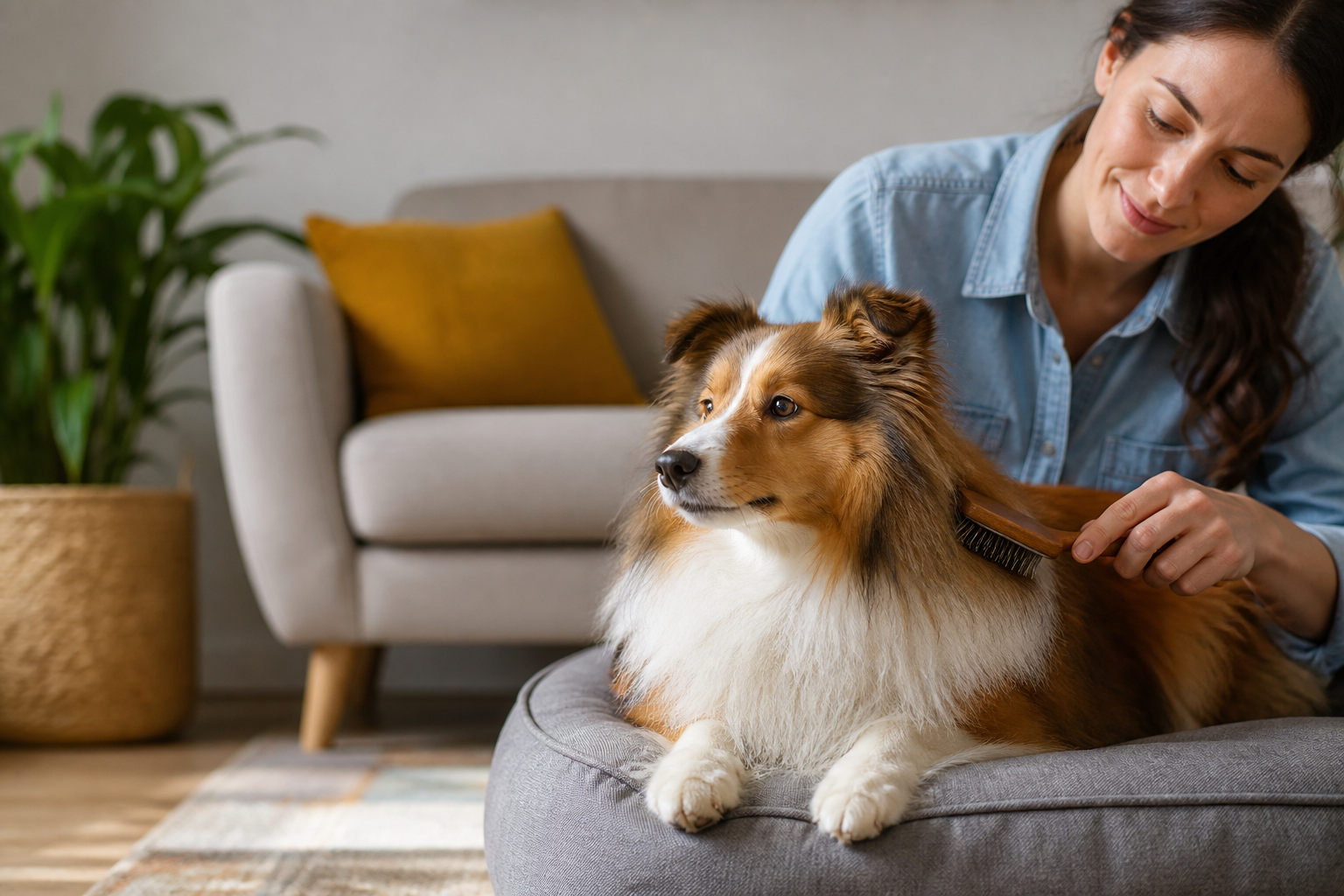
You reach for the grooming kit and your dog suddenly finds a very interesting spot under the dining table to hide. Many pet owners worry about whether those thin metal bristles on slicker brushes or pin brushes are actually comfortable for their pets. It is a valid concern. If used with too much pressure or on the wrong coat type, wire brushes can certainly cause discomfort or skin irritation.
At BaxterBoo, we see thousands of pet parents looking for the right tools to manage shedding and matting without causing their dogs stress. This article explains how wire brushes work, which dogs should use them, and how to avoid the dreaded brush burn. We want to help you turn grooming from a chore into a bonding moment. By understanding your dog's skin sensitivity and coat structure, you can ensure their grooming routine is entirely pain-free.
Quick Answer: Wire brushes do not inherently hurt dogs when used correctly on the appropriate coat types. However, excessive pressure or using a wire brush on very short, thin hair can cause skin scratches or "brush burn."
Understanding the Different Types of Wire Brushes
Not all wire brushes are the same. In the grooming world, wire brushes generally fall into two main categories: slicker brushes and pin brushes. Each serves a very different purpose and carries different risks for skin irritation.
The Slicker Brush
A slicker brush features a flat or slightly curved head with rows of thin, fine wire bristles. These wires are usually bent at a slight angle. They are designed to reach through the topcoat to grab loose hair in the undercoat and break up small tangles. Because the wires are so fine and numerous, they can feel scratchy if you press them directly against the skin.
The Pin Brush
A pin brush looks a bit more like a human hair brush. It has straight metal pins, often with rounded tips or "balls" on the ends to protect the skin. These are generally more forgiving than slicker brushes. They are used primarily for fluffing a coat or removing light debris from long-haired breeds. They do not get deep into a thick undercoat as effectively as a slicker brush does.
Why Quality Matters
A cheap wire brush often has sharp, unfinished ends on the metal pins. High-quality brands that we carry focus on polished tips and flexible pads. A flexible pad allows the pins to retract slightly when they hit resistance, which significantly reduces the chance of pulling too hard on a knot. You can compare options in our dog brushes and combs collection.
Key Takeaway: Slicker brushes use fine, bent wires for deep deshedding, while pin brushes use straight pins for general smoothing. Quality tools with polished tips are essential for preventing skin scratches.
The Reality of Brush Burn
Brush burn is a real condition that happens when a grooming tool is used too aggressively. It is essentially a collection of tiny scratches or abrasions on the surface of the skin. If you notice your dog’s skin looks red, puffy, or irritated after a session, you are likely using too much pressure or the wrong tool for that area.
Areas with thin skin are most susceptible to this. This includes the belly, the inner thighs, the armpits, and the skin around the ears. Dogs with very short coats, like Boxers or Greyhounds, have almost no padding between the brush and their skin. Using a wire slicker brush on these breeds is usually unnecessary and potentially painful.
Vet Tip: If you notice persistent redness, bumps, or if your dog is licking a specific area after grooming, consult your veterinarian. They can check for underlying skin infections or allergies. Our pet pharmacy carries medicated shampoos and topical treatments through our partnership with Pet's Choice if your vet determines your dog needs professional-grade skin support.
Matching the Brush to the Coat Type
The biggest factor in whether a wire brush will hurt your dog is their coat type. If you use a tool designed for a thick-coated Malamute on a thin-coated Italian Greyhound, you will likely cause pain.
Double-Coated Breeds
Dogs like Labradors, Golden Retrievers, and Huskies have a dense undercoat. Wire brushes are actually very helpful for these dogs. The wire bristles penetrate the thick fur to pull out dead hair before it mats. Because these dogs have a thick "buffer" of fur, the wires rarely touch the skin if used correctly.
Curly and Wire-Coated Breeds
Poodles and Terriers often need slicker brushes to keep their curls from turning into solid mats. For these breeds, the brush is essential for health. Matting can pull on the skin and cause constant pain, so a wire brush used gently is much more comfortable than the alternative. For more coat-specific guidance, read our guide to grooming curly-haired dogs.
Smooth and Short-Coated Breeds
For Pointers, Pugs, or Beagles, a wire slicker brush is often too much. For these dogs, we usually recommend rubber curry brushes or soft bristle brushes. These tools remove surface hair and distribute natural oils without any risk of scratching the skin.
Long, Silky Coats
Breeds like Yorkies or Maltese have hair that is more similar to human hair. A pin brush is usually the best choice here. It glides through the long strands without the "hooking" action of a slicker brush, which can cause breakage and discomfort.
How to Brush Without Causing Pain
Proper technique is just as important as the tool itself. If you are dragging a brush through the fur with a heavy hand, any brush will hurt. Our dog grooming supplies include brushes, combs, sprays, shampoos, and other tools for building a gentler routine.
Step 1: Check the skin first. / Look for any existing sores, hot spots, or ticks. Brushing over an existing wound will cause sharp pain and may lead to infection.
Step 2: Use a detangling spray. / Brushing a bone-dry coat causes static and friction. A light mist of a grooming spray lubricates the hair, allowing the wire bristles to slide through tangles instead of snapping them.
Step 3: The "Pat and Pull" method. / Instead of long, sweeping strokes, use short, gentle motions. Pat the brush into the hair and pull it away from the body. This prevents the wires from scraping along the skin surface.
Step 4: Test it on yourself. / A good way to gauge pressure is to run the slicker brush against the inside of your own forearm. If it feels scratchy or painful to you, it is definitely too hard for your dog.
Step 5: Reward frequently. / Use high-value treats to create a positive association. We want your dog to think of grooming as a "snack time" rather than a "scary time."
Bottom line: Using a "pat and pull" motion with a detangling spray ensures that the wire bristles focus on the hair rather than the skin.
Signs Your Dog Is in Discomfort
Dogs are often subtle about pain. You might not hear a yelp, but their body language will tell the story. Watch for these signals during your grooming sessions:
- Tensing of the muscles or "freezing"
- Whale eye (showing the whites of the eyes)
- Licking their lips or yawning (signs of stress)
- Pulling the limb away repeatedly
- Trying to sit on their tail or hide their belly
If you see these signs, stop immediately. Take a break and try a softer tool or lighter pressure. It is better to have five short, successful grooming sessions than one long, stressful one that ends in a "brush burn."
Maintenance and Cleaning for Safety
A dirty wire brush can actually be a health hazard. Over time, metal pins can collect skin oils, dander, and bacteria. If you accidentally scratch the skin with a dirty brush, you are more likely to introduce an infection.
Check your wire brushes regularly for bent or broken pins. If a pin becomes sharply bent or loses its protective tip, it can act like a tiny needle. Replace your brushes as soon as you see signs of wear. We recommend cleaning your brushes after every use by removing the hair and wiping the pins with a pet-safe disinfectant or mild soap and water. The BASS Brushes selection includes wire-and-boar and other grooming brush options.
Key Takeaway: Inspect your grooming tools weekly. Broken or bent wire pins are the most common cause of accidental scratches and should be replaced immediately.
Why Some Dogs Dread the Brush
Often, the fear of the brush is not about the wires themselves but about a past bad experience. If a dog had a painful mat pulled out too quickly, they might associate the sight of the brush with that pain.
To fix this, you have to go back to basics. Let them sniff the brush while getting a treat. Touch them with the back of the brush, the non-wire side, first. Gradually work up to a single gentle stroke. Our MVP Rewards programme members often tell us that patience was the most important "tool" in their kit when dealing with a rescue dog who was afraid of being groomed.
Supplements and Skin Health
If your dog's skin seems particularly sensitive to brushing, the issue might be internal. Dry, flaky skin is much more easily irritated by grooming tools. For additional skin and coat support, explore our dog healthcare category.
Adding an Omega-3 fatty acid supplement, like those from Zesty Paws or Nordic Naturals, can help support a healthy skin barrier. When the skin is supple and the coat is oily, the brush glides much more easily. For dogs with chronic skin issues or severe allergies that make grooming difficult, we suggest speaking with your vet about prescription diets. Our partnership with Pet's Choice provides access to specialized formulas from brands like Farmina Vet Life and Royal Canin that are designed specifically for skin and coat support.
Bottom line: Healthy skin is less prone to irritation, so supporting your dog's diet can actually make the grooming process easier and more comfortable.
Alternatives to Wire Brushes
If your dog simply cannot tolerate a wire brush, or if they have very sensitive skin, there are other options.
- Rubber Curry Brushes: These are excellent for short-haired breeds and for use during bath time. They massage the skin and remove loose hair without any sharp edges.
- Grooming Mitts: These allow you to pet your dog while removing hair. They are great for anxious dogs who are intimidated by the look of a traditional brush.
- Silicone Brushes: Similar to rubber, these are very gentle and work well for dogs with thin hair.
- Boar Bristle Brushes: These use natural or synthetic soft bristles to smooth the coat and add shine. They won't remove deep mats, but they are very soothing for the pet.
Many owners find that a combination of tools works best. You might use a slicker brush for the thick fur on the "pants" and tail, but switch to a soft bristle brush for the sensitive chest and belly areas. For broader options, browse our grooming tools category.
Summary of Safe Brushing Practices
Grooming is a necessary part of pet ownership, especially if you want to keep your home free of tumbleweeds of fur. Wire brushes are powerful tools, but they require a gentle touch.
- Always use a detangling spray to reduce friction.
- Match the brush type to your dog's specific coat.
- Avoid bony prominences and thin-skinned areas with wire pins.
- Keep your tools clean and replace them if they become damaged.
- Focus on positive reinforcement and short sessions.
By following these guidelines, you can ensure that your dog remains comfortable and healthy. A well-groomed dog is a happy dog, and with the right approach, they might even start to enjoy their time on the grooming table.
We invite you to explore our full collection of grooming supplies. Whether you need a professional-grade slicker brush or a soothing oatmeal shampoo, we have handpicked the best brands to help you care for your pet. If your dog is on a regular grooming schedule, consider our Autoship programme for repeat-purchase items such as sprays and supplements.
FAQ
How do I know if I am pressing too hard with a slicker brush?
The best way to test your pressure is to use the brush on the sensitive skin of your own inner forearm. If the metal pins feel scratchy, sharp, or leave red marks on your skin, you are using too much force for your dog. You should use a "light as a feather" touch, letting the bristles catch the hair rather than pushing them into the skin.
Can a wire brush cause my dog to lose too much hair?
A wire brush should only remove dead, loose fur that has already detached from the follicle. If you see bald patches or the coat looks significantly thinner, you may be over-brushing one specific area or using a tool that is too aggressive, like a deshedding rake, too frequently. Stick to once or twice a week for deep brushing sessions.
My dog has a short coat but sheds a lot. Should I use a wire brush?
For short-coated breeds like Beagles or Labs, a rubber curry brush or a bristle brush is usually more effective and safer than a wire brush. While a wire brush might remove some hair, it is much more likely to irritate their skin because they lack the long fur needed to act as a buffer between the wire and the skin.
What should I do if I accidentally give my dog brush burn?
First, stop grooming immediately and give your dog a break. You can apply a pet-safe, soothing aloe or calendula gel to the area to calm the irritation. Keep the area clean and prevent your dog from licking it, as this can lead to a "hot spot" or infection. If the redness does not fade within 24 hours, contact your veterinarian to see if a medicated topical from our pharmacy is necessary.






