
 Save 15% on your 1st Autoship learn more

 Email us
 Live Chat
 FAQs
FAQs





Introduction
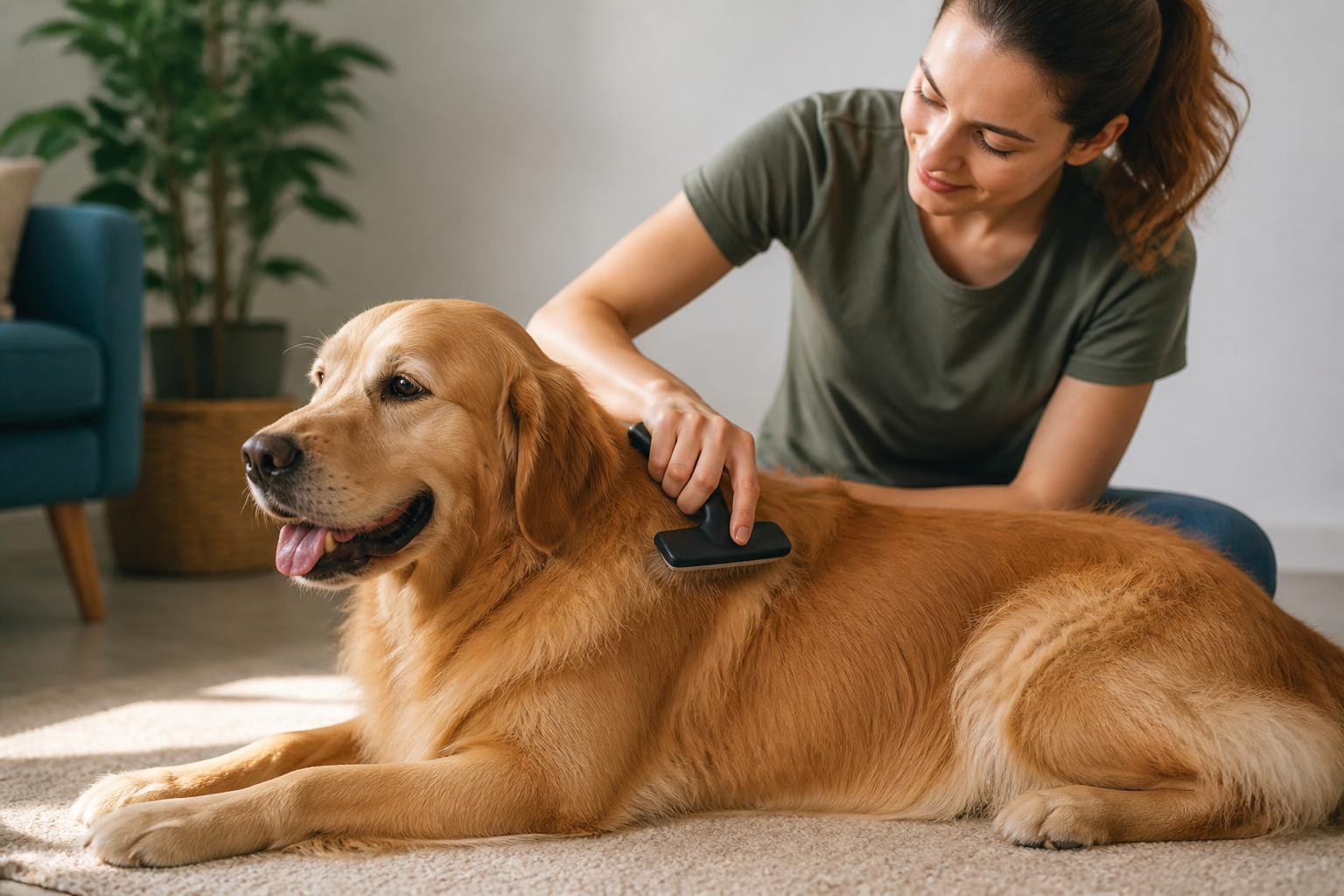
You are standing over your dog with a slicker brush in hand, watching a cloud of loose fur drift across the floor. You might wonder if you are actually reaching the undercoat or just smoothing over the surface. Many pet owners ask if they should pull the brush in the opposite direction of hair growth to get a deeper clean. At BaxterBoo, we know that grooming is about more than just looking good. It is a vital part of skin health and comfort. This post covers when it is helpful to brush against the grain, which coat types require extra caution, and the tools you need for a professional finish. We will help you master the right techniques to keep your dog's coat healthy without causing skin irritation or breakage.
Quick Answer: Brushing against the grain, often called back-brushing, is useful for loosening dead undercoat in double-coated or thick-haired breeds. However, you should always finish the session by brushing in the direction of hair growth to smooth the coat and prevent irritation.
Understanding the Grain of Your Dog's Coat
The grain refers to the natural direction in which your dog's hair grows. On most dogs, the hair grows from the neck down toward the tail and from the spine down toward the belly. When you brush with the grain, you are following this natural path. This is the gentlest way to groom and is generally the safest starting point for any pet.
Brushing against the grain means moving the tool from the tail toward the head. This technique lifts the hair away from the skin. It allows you to see the skin more clearly and reach the dense undercoat that often hides beneath a smooth topcoat. While it can be very effective for deshedding, it is not a one size fits all method.
The skin of a dog is thinner and more sensitive than human skin. Brushing the wrong way or using too much pressure can cause what groomers call brush burn. This is a red, irritated patch of skin that can be very painful. Understanding your dog's specific coat type is the first step in deciding which direction to move your brush.
When to Brush Against the Grain
There are specific times when going against the natural flow of the fur is actually beneficial. Professional groomers often use a technique called back-brushing to prepare a dog for a bath or a trim.
Loosening the Undercoat
For dogs with thick double coats, the undercoat is where the trouble starts. This soft, fuzzy layer can become trapped under the longer guard hairs. If it is not removed, it forms dense mats that hold moisture against the skin. Brushing against the grain lifts those guard hairs out of the way. This allows an undercoat rake or a slicker brush to grab the loose, dead fluff that is ready to shed.
Increasing Volume
If you have a breed that is known for a fluffy or "puffy" look, such as a Pomeranian or a Poodle, brushing against the grain provides necessary volume. It lifts the hair at the root. This is often done right after a bath while the hair is drying. It gives the coat that signature full appearance.
Checking for Pests and Lumps
Lifting the hair in the opposite direction of growth gives you a clear view of the skin. This is a great time to check for fleas, ticks, or unusual lumps and bumps. Since many skin issues start small, this deep look can help you catch problems early. If you do find a suspicious lump or persistent skin irritation, it is important to contact your veterinarian for a professional exam.
Key Takeaway: Back-brushing is a functional technique for deep cleaning and volumizing, but it must be done with the right tools and a very light touch to avoid skin damage.
Techniques for Different Coat Types
Every dog is different, and their coats vary wildly. Using the same technique on a Boxer as you would on a Husky can lead to poor results or a very unhappy pet.
Short and Smooth Coats
Dogs like Boxers, Weimaraners, and Dalmatians have short, stiff hair that lies flat. For these breeds, you should almost always brush with the grain. Brushing against the grain on a short-haired dog can be prickly and uncomfortable. Their skin is more exposed, and the bristles of a brush can easily scratch them. A rubber curry brush moved in circular motions is often the best way to loosen hair for these dogs.
Double-Coated Breeds
Huskies, German Shepherds, and Labradors have a harsh outer coat and a soft undercoat. For these dogs, a combination of both directions works best.
- Start by brushing with the grain to remove surface dirt.
- Use an undercoat rake against the grain in small sections to lift out loose fur.
- Finish by brushing with the grain to lay the hair back down and distribute natural oils.
Curly and Wavy Coats
Poodles and Doodles have hair that grows in spirals. This hair does not shed in the traditional sense. Instead, the dead hair gets caught in the curls. Brushing against the grain can be difficult because the curls create resistance. For these dogs, "line brushing" is the gold standard. You lift a section of hair and brush from the skin out, moving in the direction of the hair's natural growth within that specific section. For additional guidance, see this guide on how to groom a dog with curly hair.
| Coat Type | Recommended Direction | Primary Tool |
|---|---|---|
| Smooth/Short | With the grain only | Rubber Curry Brush |
| Double Coat | Both (Back-brushing for undercoat) | Undercoat Rake / Slicker |
| Curly/Wavy | Line brushing (With the grain) | Slicker Brush / Metal Comb |
| Long/Silky | With the grain | Pin Brush |
| Wire Coat | With the grain | Stripping Knife / Slicker |
The Dangers of Dry Brushing
One mistake many owners make is grabbing a brush and starting on a completely dry coat. This is often when people see the most static and hair breakage. When you brush a dry coat, especially against the grain, the friction can snap the hair shafts. This leads to a frizzy, damaged appearance over time.
We recommend using a light grooming spray or a detangling mist before you start. This provides lubrication so the brush glides through the hair rather than pulling it. It also helps to neutralize static, making the hair easier to manage.
Vet Tip: Always inspect the skin for redness or "hot spots" after a grooming session. If your dog starts licking or scratching a specific area after you have brushed them against the grain, you may have used too much pressure or irritated the hair follicles.
A Step-by-Step Guide to Safe Back-Brushing
If your dog has the right coat type for it, follow these steps to ensure a safe and productive grooming session.
Step 1: Apply a grooming spray. / Lightly mist your dog's coat with a detangler. This reduces friction and prevents hair breakage.
Step 2: Start with a surface brush. / Use a slicker brush to move in the direction of the grain. This removes any easy tangles and gets the dog used to the feeling.
Step 3: Work in small sections. / Do not try to brush the whole dog against the grain at once. Start at the rear and move forward in three-inch sections.
Step 4: Lift and brush. / Hold the hair up with one hand and brush the hair underneath in short, gentle strokes toward the head. Use very light pressure.
Step 5: The final smooth. / Once you have finished a section, brush it back down toward the tail. This "resets" the coat and keeps your dog looking tidy.
Bottom line: Brushing against the grain should be a small part of a larger grooming routine, always framed by gentle, with-the-grain strokes.
Essential Tools for the Job
You cannot use just any brush if you plan to work against the grain. The wrong bristles can be too sharp for this technique.
The Slicker Brush
This is the most common tool for back-brushing. It has fine wire bristles that are slightly angled. When used against the grain, these pins grab the loose undercoat. Look for a slicker brush with protective tips if your dog has sensitive skin. The Master Grooming Tools Ergonomic Slicker Dog and Cat Brush is designed for brush-outs, mat removal, and undercoat removal.
The Undercoat Rake
These tools have long, rounded metal pins. They are designed to dive deep into a thick coat. They are excellent for the "lift and rake" method on double-coated dogs. Because the pins are rounded, they are less likely to scratch the skin than a standard wire brush.
The Rubber Curry Brush
For short-haired dogs, this is the only tool we recommend using in multiple directions. The rubber nubs are soft and act like a magnet for loose hair. You can move this brush in circles or against the grain without any risk of hurting the dog. Browse our dog brushes and combs to compare grooming tools for different coat types.
Managing Sensitive Areas
Even if your dog loves being brushed on their back or sides, there are areas where you should never brush against the grain. These spots are highly sensitive and prone to injury.
- The Belly: The skin here is very thin. Only use soft brushes and move with the grain.
- The Legs: There is very little muscle or fat covering the bones and joints of the legs. Brushing against the grain can cause the brush to "catch" on a joint.
- The Face and Ears: Use a small comb or a very soft bristle brush here. Always move away from the eyes and ears.
- The Tail: Tail hair often grows in unique patterns. Stick to brushing with the grain to avoid causing pain to the sensitive tail bone.
Health Benefits of Proper Brushing
Regularly reaching the skin and undercoat does more than just stop the shedding. It stimulates blood flow to the surface of the skin. This can encourage healthier hair growth. It also helps spread the natural oils produced by the skin across the entire hair shaft. This gives the coat a natural, healthy shine.
If you notice that your dog's skin is excessively dry, flaky, or greasy during your grooming sessions, it might be an indicator of an underlying issue. Our pet pharmacy offers a variety of solutions through our partnership with Pet's Choice. We carry FDA-approved medications and prescription diets that can help manage chronic skin conditions and allergies. Brushing is your first line of defense in noticing these changes so you can seek professional help.
How to Handle a Resistant Dog
Not every dog enjoys the grooming process. If your dog tenses up when you brush against the grain, they might find the sensation ticklish or uncomfortable.
Start by keeping sessions very short. Brush for two minutes and then give a high-value treat. Focus on areas where they are less sensitive, like the shoulders, before moving to the hindquarters. We also suggest using a licking mat with some peanut butter to keep them distracted while you work on the thicker parts of their coat.
If your dog shows signs of extreme stress, such as growling, snapping, or trembling, stop immediately. It is better to have a slightly messy coat than to ruin the trust between you and your pet. In these cases, a professional groomer may be better equipped to handle the deep deshedding.
Key Takeaway: Positive reinforcement and patience are just as important as the brush you choose. Never force a grooming session if your dog is in distress.
Seasonal Grooming Changes
You will likely find that you need to brush against the grain more often during the spring and fall. These are the "blowing coat" seasons when double-coated dogs shed their heavy winter fur or their lighter summer fur.
During these times, the amount of hair coming off your dog can be overwhelming. Increasing the frequency of your grooming sessions to once a day can help keep the fur in the brush and off your furniture. Using our Autoship program for grooming supplies and deshedding tools ensures you are never caught without the right equipment when shedding season hits. You can also learn more about managing seasonal shedding in this guide to Australian Shepherd shedding.
Moving Forward
Brushing your dog against the grain can be a powerful tool in your grooming kit if used correctly. It helps remove deep-seated debris, clears out the undercoat, and gives the fur a healthy lift. Just remember to always be gentle, use a grooming spray, and finish with smooth strokes in the natural direction of growth.
- Check your dog's coat type before trying back-brushing.
- Use a slicker brush or undercoat rake for the best results.
- Never brush a dry coat to avoid breakage and static.
- Monitor the skin for any signs of irritation or redness.
For all your grooming needs, from specialized brushes to medicated shampoos, we have you covered in our dog grooming collection. Our MVP Rewards program also helps you earn points on every grooming tool you buy, making it easier to keep your pet looking their best year-round.
FAQ
Is it painful for a dog to be brushed against the grain?
It should not be painful if done correctly with the right tools. However, for dogs with very short hair or sensitive skin, the sensation can be prickly or irritating. Always use light pressure and watch your dog's body language for signs of discomfort like flinching or pulling away.
Can I brush my Poodle against the grain?
You can, but it is often more effective to use a technique called line brushing. Because Poodle hair is so curly, brushing straight against the grain can cause the brush to get stuck. Lifting small sections and brushing from the skin outward will get the same volumizing effect without the tugging.
What should I do if I find a mat while brushing against the grain?
Stop brushing immediately. Brushing against the grain into a mat will only tighten the knot. Switch to a metal comb or a specialized dematting tool to gently pick the mat apart from the outside in. If the mat is tight against the skin, it is safest to have a professional groomer remove it.
How often should I perform deep brushing against the grain?
For most double-coated dogs, once or twice a week is enough to manage the undercoat. During peak shedding seasons in the spring and fall, you might want to do it more frequently. Short-haired dogs rarely need this technique and should stick to regular sessions with the grain.






