
 Save 15% on your 1st Autoship learn more

 Email us
 Live Chat
 FAQs
FAQs





Introduction
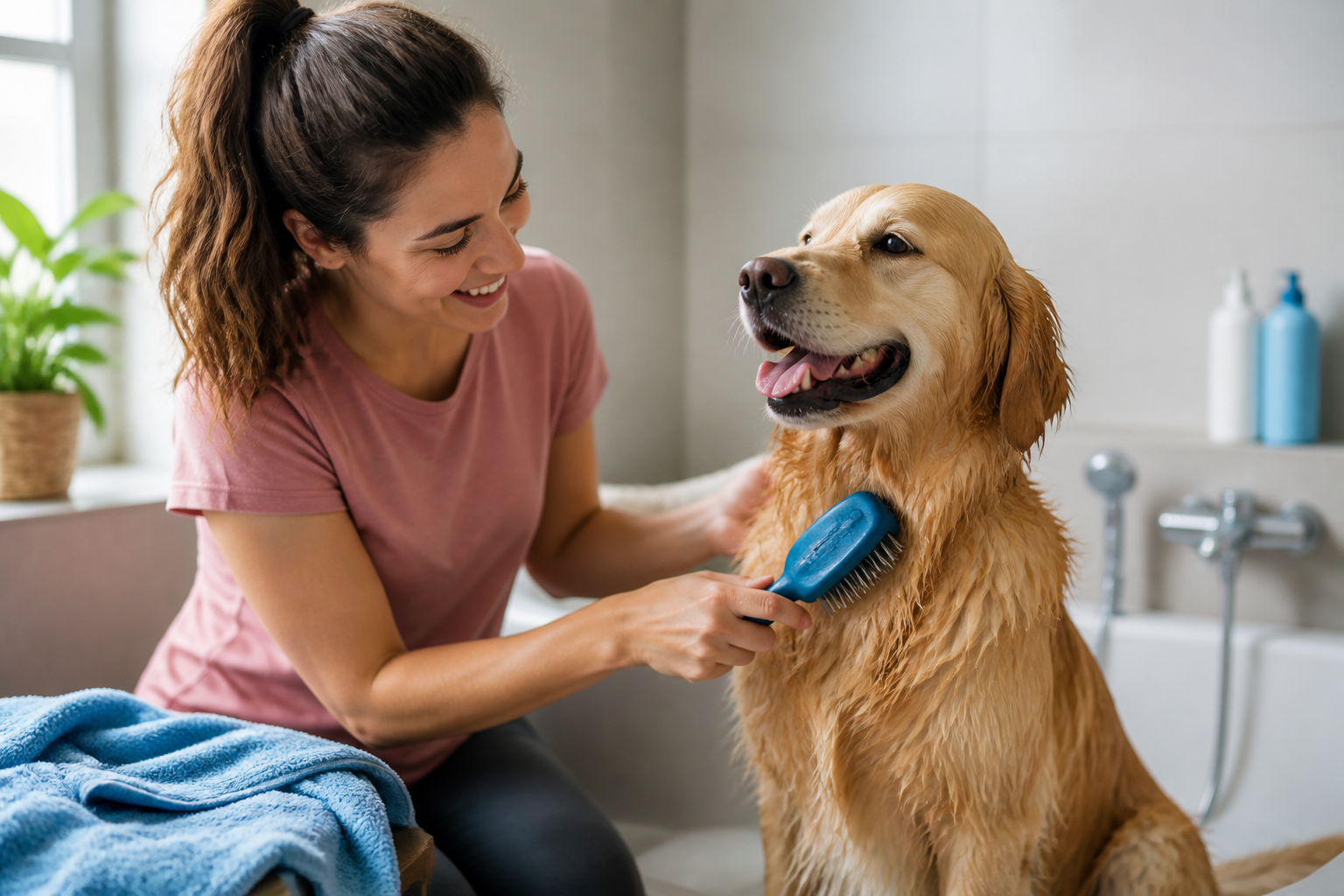
You reach down to pet your dog and notice their coat feels a bit greasy, or perhaps that distinct "doggy smell" has started to take over your living room. It is clearly time for a bath. Before you turn on the faucet, you might look at your brush and wonder if you should use it now or wait until the fur is clean. At BaxterBoo, we know that getting the order right can mean the difference between a fluffy, happy pup and a tangled, painful mess. This guide covers why the timing of your grooming routine matters for your dog's skin and coat health. While many owners wait until the end, the most effective routine actually involves brushing both before and after the tub.
Quick Answer: You should always brush your dog before a bath to remove loose hair and tangles that water will otherwise tighten into mats. Once the dog is completely dry after the bath, brush them again to remove any hair loosened during the wash and to finish the coat.
Why You Must Brush Before the Bath
The biggest mistake many pet owners make is putting a tangled dog straight into the water. It seems logical that water and shampoo might help "wash out" knots, but the opposite is usually true. When hair gets wet, the strands swell and often cling together. If there are already small tangles or mats present, the water acts like a glue that tightens those knots. Once the coat dries, those tightened mats can become nearly impossible to remove without scissors or clippers.
Brushing before the bath also makes the actual washing process much more effective. If your dog has a thick undercoat or loose, dead hair trapped against the skin, the shampoo cannot reach the skin properly. You end up washing the "trapped" hair rather than cleaning the skin where oils and odors live. By removing that dead hair first, you ensure the water and soap can actually do their jobs.
The Problem with Wet Mats
When a mat gets wet and then air-dries, it often undergoes a process similar to felting. The hair fibers interlock even more tightly than before. This can pull on the dog's skin, causing discomfort or even sores. If you have ever tried to brush out a knot after a bath and noticed your dog yelping or pulling away, it is likely because that knot has tightened significantly.
Better Cleaning Results
Removing loose fur before the bath means less hair ends up in your drain. More importantly, it allows you to see the skin. This is the best time to check for any red spots, bumps, or pests like fleas and ticks. If the coat is a thick wall of tangles, you might miss these issues even while scrubbing.
Vet Tip: Use the pre-bath brushing session as a full-body health check. Look for unusual lumps, skin redness, or signs of irritation. If you notice persistent itching or skin lesions, consult your veterinarian to rule out allergies or infections before applying scented shampoos.
Brushing After the Bath: The Finishing Touch
While the pre-bath brush is about preparation, the post-bath brush is about the finish. Even if you brushed thoroughly before the water started, the process of washing and drying often loosens more hair. This is especially true for double-coated breeds like Golden Retrievers or Huskies.
The most important rule for the post-bath brush is to wait until the dog is completely dry. Brushing wet hair can be damaging. Wet hair is more elastic and prone to breakage. If you pull a brush through damp fur, you risk over-stretching the hair shafts, which leads to frizz and future tangles.
Removing the "Blowout" Hair
As you dry your dog with a towel or a pet-safe dryer, you will notice "tufts" of hair starting to poke out. This is hair that was loosened by the warm water and the scrubbing motion. Brushing once the coat is dry allows you to pull these loose strands away, leaving the coat smooth and reducing the amount of fur that ends up on your furniture over the next few days.
Restoring the Loft
Bathing often leaves the coat looking a bit flat or "clumpy." A final brush-through separates the individual hairs. This restores the natural loft and fluffiness of the coat. It also helps distribute the natural oils that the skin produces, giving the fur a healthy shine.
Key Takeaway: Brushing a dry, clean coat is the final step to preventing future mats. It ensures that no loose hair remains to start the tangling process all over again.
Understanding Different Coat Types
The "before and after" rule applies to almost every dog, but the way you handle it depends on their specific fur type. A short-haired Boxer has different needs than a curly-coated Poodle or a thick-coated German Shepherd.
Long and Silky Coats
Dogs with hair that grows continuously, such as Yorkies or Shih Tzus, are the most prone to matting. For these breeds, the pre-bath brush is non-negotiable. You should use a stainless steel comb to check for hidden tangles near the ears, armpits, and tail. These areas are high-friction spots where knots hide easily.
Double-Coated Breeds
Breeds like Labs, Shepherds, and Newfoundlands have a soft undercoat and a tougher topcoat. For these dogs, the pre-bath brush should focus on removing the "dead" undercoat. If you skip this, the wet undercoat can become a heavy, soggy mess that takes hours to dry and smells like "wet dog" for days.
Curly and Wavy Coats
Doodles and Poodles have coats that trap shed hair within the curls. If you don't brush this out before the bath, the shampoo will get trapped in those clumps. This can lead to skin irritation because it is very hard to rinse soap out of a matted curly coat.
Short-Haired Breeds
For dogs with very short fur, the pre-bath brush is less about mats and more about deshedding. Using a rubber curry brush in circular motions before the bath will loosen a massive amount of hair. This makes the bath much cleaner and more efficient.
Bottom line: Every coat type benefits from a pre-bath clear-out, but for long-haired or curly breeds, it is the only way to prevent painful matting.
The Best Tools for Bath Day
Having the right tools makes the process easier for you and more comfortable for your dog. We carry a wide variety of our dog grooming supplies that are handpicked for their quality and effectiveness.
- Slicker Brushes: These are excellent for most coat types. They have fine, wire bristles that grab loose undercoat and break up small tangles. Use these before the bath to prep the coat.
- Stainless Steel Combs: These are the "truth-tellers" of grooming. After you think you are done brushing, run a comb through. If it catches, you still have a tangle to work out.
- Rubber Curry Brushes: These are perfect for short-haired dogs and can even be used during the bath to help massage shampoo down to the skin.
- Undercoat Rakes: For heavy shedders, these tools reach through the topcoat to pull out the fuzzy undercoat that causes the most mess.
Step 1: The Pre-Brush / Start with a slicker brush to remove surface debris and loose hair. Use a comb to check for mats in high-friction areas like the neck and legs.
Step 2: The Bath / Use lukewarm water and a dog-specific shampoo. Avoid circular scrubbing on long hair, as this can create new tangles. Instead, massage the soap in the direction the hair grows.
Step 3: Drying / Blot the hair with a towel rather than rubbing it vigorously. If you use a hair dryer, keep it on a low, cool setting.
Step 4: The Final Brush / Once the coat is 100% dry, go over the dog one more time with a brush and comb. This removes the last of the loose hair and fluffs the coat.
Managing Skin Conditions and Special Needs
Sometimes the reason for a bath is more than just dirt. Many dogs suffer from seasonal allergies, dry skin, or fungal issues. If your dog is scratching frequently or has a noticeable skin odor, the way you brush and bathe becomes even more important.
Our pet pharmacy for dogs offers a range of prescription treatments through our partnership with Pet's Choice. If your veterinarian has prescribed a specific medicated wash, follow their instructions regarding "contact time." Most medicated shampoos need to sit on the skin for 5 to 10 minutes to be effective.
When dealing with sensitive skin, your pre-bath brushing should be very gentle. Use a soft-bristled brush or a rubber tool to avoid scraping the skin. If the skin is broken or inflamed, skip the brush and consult your vet before bathing.
Vet Tip: If you notice your dog has "hot spots" or raw, weeping sores, do not attempt to brush over them. These areas are very painful. Your vet may need to clip the hair around the spot and prescribe a topical or oral medication from a licensed pharmacy.
Common Bathing and Brushing Mistakes
Even with the best intentions, it is easy to fall into bad habits. Here are a few things we recommend avoiding to keep your dog's coat in top shape.
Using Human Shampoo
Human skin has a different pH level than dog skin. Using your own shampoo can strip the natural oils from your dog's coat, leading to dry, itchy skin and a dull appearance. Always use a formula specifically designed for canines.
Neglecting the Rinse
Leftover soap is a major cause of skin irritation. After you think you have rinsed your dog completely, rinse them for another two minutes. Pay close attention to the belly, armpits, and between the toes. Soap residue can cause "shampoo tracks" which look like flaky, dry skin.
Brushing While Wet
As mentioned before, wet hair is fragile. Unless you are using a specific "wet brush" designed for use with conditioner in the tub, wait for the coat to dry. Brushing wet fur often leads to split ends and breakage, which actually makes the coat more likely to tangle in the future.
Skipping the Ears and Nails
Grooming is more than just fur. Always check your dog's ears after a bath to ensure no water is trapped inside. Moist ears are a breeding ground for bacteria and yeast. It is also a great time to trim nails, as the warm water can soften them slightly, making the trim easier.
| Feature | Before Bath | After Bath (When Dry) |
|---|---|---|
| Primary Goal | Remove mats and debris | Remove loosened hair and finish |
| Tool Choice | Slicker brush or rake | Soft brush or finishing comb |
| Skin Health | Check for lumps or pests | Distribute natural oils |
| Hair Condition | Dry and strong | Clean and fluffy |
When to See a Professional
There are times when a DIY bath and brush isn't enough. If your dog is severely matted "to the skin," do not try to brush it out yourself. This is incredibly painful for the dog and can actually tear the skin. In these cases, a professional groomer may need to safely shave the mats away.
Similarly, if your dog is highly anxious about water or grooming tools, a professional can often handle the situation with specialized equipment and techniques. We want grooming to be a bonding experience, not a source of terror for your pet. If you are struggling at home, there is no shame in asking for expert help.
Keeping a Consistent Routine
The secret to an easy bath day is what you do between baths. Brushing your dog two or three times a week keeps the coat manageable. When you stay on top of the shed hair, the pre-bath brush only takes a few minutes instead of an hour.
Regular grooming also gets your dog used to being handled. This makes vet visits and professional grooming sessions much less stressful. If you reward your dog with treats and praise during your brushing sessions, they will eventually come to see it as a positive time for attention and "scratches."
Our MVP Rewards program is a great way to save on the grooming tools, shampoos, and treats you need for this routine. You can earn points on every purchase and get exclusive offers to help keep your pet care budget on track.
Conclusion
Brushing your dog before and after a bath is the most effective way to maintain a healthy, beautiful coat. By removing tangles before they hit the water, you prevent painful mats and ensure a deeper clean. Finishing with a dry brush removes the last of the shed hair and leaves your pup looking their best. Whether you are managing a high-maintenance poodle coat or a simple short-haired mix, the right routine makes all the difference.
If you are looking for specific brushes or need to restock on your favorite shampoo, browse our dog brushes and combs. For those with recurring needs like flea protection or skin supplements, our Autoship program offers a convenient way to save and ensure you never run out of the essentials.
Key Takeaway: Always brush a dry dog. Brush before the bath to prevent mats from tightening, and brush after the bath once the fur is completely dry to remove loose hair and restore shine.
FAQ
Is it okay to brush my dog while they are still wet?
It is generally best to wait until your dog is completely dry before brushing. Wet hair is more fragile and prone to stretching and breaking, which can damage the coat and lead to more tangles later. If you must manage a tangle while the dog is wet, use a wide-toothed comb and a leave-in detangling spray to minimize damage.
What happens if I forget to brush my dog before the bath?
If you forget to brush and your dog has tangles, the water will likely cause those tangles to tighten into mats. You might also find that the shampoo doesn't lather as well because it is blocked by trapped, dead hair. If you realize you forgot, try to be extra gentle during the drying process and use a detangler once the coat is dry.
Can I use a human hair dryer on my dog?
You can use a human dryer, but only on the "cool" or "low" setting. A dog's skin is much more sensitive to heat than human skin, and you can easily cause a burn without realizing it. Hold the dryer at least six inches away from the fur and keep it moving constantly to avoid concentrating heat in one spot.
How do I get my dog to stay still for brushing?
Start with very short sessions and provide plenty of high-value treats. Focus on easy areas first, like the back, before moving to sensitive spots like the legs or tail. If your dog becomes stressed, stop and try again later. Making it a calm, rewarding experience will help them learn to enjoy the grooming process over time.






