
 Save 15% on your 1st Autoship learn more

 Email us
 Live Chat
 FAQs
FAQs





Introduction
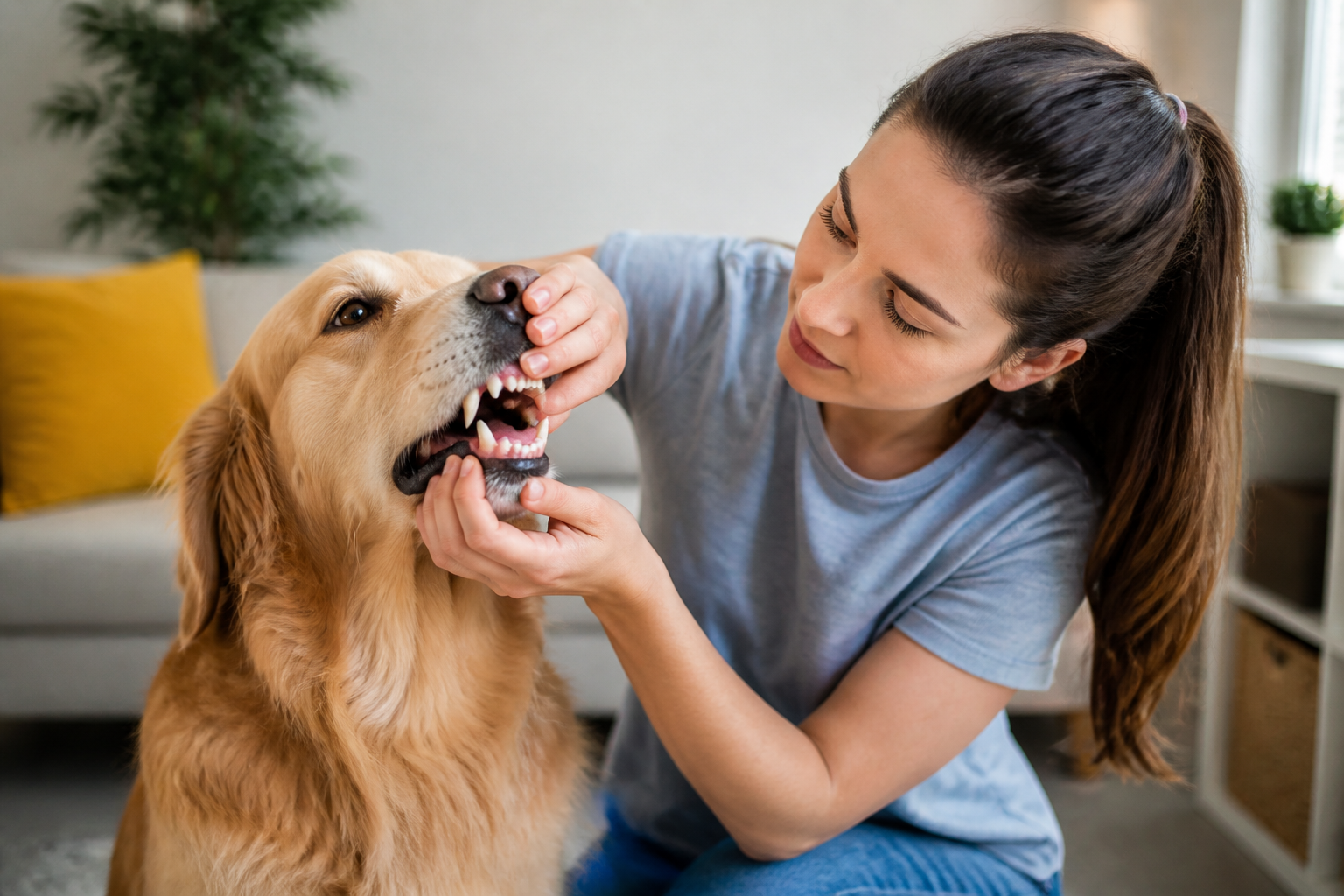
You lean in for a snuggle, and your dog greets you with a big, enthusiastic lick. Instead of a sweet moment, you are met with a scent that makes you recoil. Bad breath is often laughed off as just a dog thing. It is actually a major indicator of oral health. At BaxterBoo, we talk to pet owners every day who wonder if they really need to scrub those canine chompers. The short answer is yes. Neglecting dental hygiene can lead to pain, tooth loss, and even serious organ damage. This article covers why cleaning is mandatory, how to do it at home, and when to call the professionals. Taking care of your dog's mouth is a vital part of helping them live a long and comfortable life.
Quick Answer: Yes, dogs require regular dental care to prevent periodontal disease and systemic health issues. A combination of daily brushing, dental treats, and professional veterinary cleanings is the best approach for most dogs.
The Importance of Canine Dental Hygiene
Many owners assume that because dogs in the wild did not have toothbrushes, modern dogs do not need them either. This is a dangerous misconception. Wild canines had different diets and shorter lifespans. Our pets are living longer than ever. Their teeth need to last for fifteen years or more. Without regular cleaning, plaque begins to form on the teeth within hours of eating.
Plaque is a sticky film of bacteria. If it is not brushed away, it mixes with minerals in the saliva to form tartar. Tartar is hard, brown, and cannot be removed with a toothbrush. This buildup provides a hiding place for even more bacteria. These bacteria eventually migrate under the gumline. This process leads to inflammation and infection known as periodontal disease.
From Plaque to Periodontal Disease
Periodontal disease is the most common health condition in adult dogs. It starts as gingivitis. You might notice a thin red line along the gums. If caught early, gingivitis is reversible. If ignored, the infection destroys the bone and tissues that hold the teeth in place. This is painful for your dog. It can make eating difficult and lead to teeth falling out.
The danger is not just in the mouth. The mouth is very vascular. This means bacteria can easily enter the bloodstream. Once in the blood, these bacteria travel to the heart, kidneys, and liver. They can cause micro-abscesses in these vital organs. This can lead to chronic organ failure or heart valve disease. Keeping the mouth clean is a full-body health priority.
Vet Tip: If you notice your dog has red, swollen gums or bleeds when they chew, schedule a veterinary exam. These are signs of active infection that require professional treatment rather than just home brushing.
Signs Your Dog Needs a Dental Intervention
Dogs are experts at hiding pain. This is an evolutionary trait. Showing weakness in the wild was dangerous. Because of this, your dog might have a severe toothache and still try to eat their dinner. You have to be a detective to spot the signs of dental trouble.
- Foul Breath: While "dog breath" is normal, a truly stinky or rotting smell is a sign of infection.
- Discolored Teeth: Healthy teeth should be white. Yellow or brown crust near the gums is tartar.
- Changes in Eating Habits: Your dog might drop food or chew only on one side. They may lose interest in hard kibble.
- Excessive Drooling: Sudden drooling or blood-tinged saliva is a red flag.
- Pawing at the Face: This often indicates oral pain or something stuck in the gums.
- Swelling: Any lumps or bumps under the eyes or along the jawline require immediate attention.
Key Takeaway: Bad breath is a medical symptom, not a personality trait. Early detection of dental disease can prevent the need for expensive extractions and surgeries.
At-Home Cleaning Strategies
The gold standard for at-home care is daily brushing. We know this sounds daunting for many owners. However, it is the most effective way to remove plaque before it hardens. You do not need to spend twenty minutes on it. Even a quick thirty-second scrub can make a difference. For additional guidance, review our pet dental care tips.
Brushing Their Teeth
You must use toothpaste formulated specifically for dogs. Human toothpaste contains ingredients like xylitol and fluoride. These are toxic to dogs when swallowed. Dog toothpaste comes in flavors like poultry, beef, or peanut butter. This makes the experience much more pleasant for your pet. You can find brushing supplies in our dog dental care collection.
Step 1: Get them used to the taste. Let your dog lick a small amount of dog toothpaste off your finger for several days.
Step 2: Introduce the feeling. Rub your finger along their gums and teeth while they lick the paste.
Step 3: Use a tool. Transition to a finger brush or a soft-bristled dog toothbrush.
Step 4: Focus on the outside. Most plaque accumulates on the outer surfaces of the teeth near the cheeks. You do not usually need to worry about the inside surfaces.
Step 5: Reward them. Follow the brushing session with a favorite toy or a healthy treat. This creates a positive association.
Dental Chews and Treats
Not every dog will tolerate a toothbrush. If your dog is resistant, our dental treats and chews are a helpful secondary tool. Brands like Greenies are specifically designed to scrub the teeth as the dog chews. The mechanical action of chewing helps scrape away soft plaque.
We also carry toys from brands like Kong that are designed with ridges. When you stuff these toys with healthy snacks, the dog's teeth rub against the rubber. This provides a mild cleaning effect. Explore our selection of KONG products for dental and treat-dispensing toy options.
It is important to monitor your dog with any chew. Avoid items that are too hard, such as real bones or antlers. These can cause painful tooth fractures.
Water Additives and Sprays
For the most difficult pets, water additives and dental sprays are available. These products contain enzymes that help break down plaque bacteria. You simply add a capful to their water bowl or spray it directly on their teeth. While these are not as effective as brushing, they are better than doing nothing at all. They are especially helpful for senior dogs who may be too sensitive for vigorous brushing. For more ideas, read how to recognize warning signs of bad teeth in dogs.
Bottom line: Daily brushing is the most effective home care, but a combination of chews and additives is a great backup plan for busy owners or fussy pets.
Professional Dental Cleanings and Anesthesia
Even with perfect home care, most dogs will eventually need a professional cleaning. A vet can reach places you cannot. They clean deep under the gumline and scale away hardened tartar. These procedures are performed under general anesthesia.
Some owners worry about anesthesia. It is a common concern. However, "anesthesia-free" cleanings are largely cosmetic. They only remove the tartar you can see. They do not address the bacteria under the gums where the real damage happens. Furthermore, scaling teeth without anesthesia is stressful for the dog. It also risks injury if the dog moves suddenly.
Modern veterinary medicine makes anesthesia very safe. Your vet will perform blood work beforehand. This ensures the liver and kidneys can process the medication. During the procedure, the vet team monitors heart rate, oxygen levels, and blood pressure. We often see pet owners report that their dogs act like "puppies again" after a professional cleaning. This is because the chronic pain of a toothache has finally been removed.
Breed and Size Considerations
Different dogs have different dental needs. Size and skull shape play a huge role in how fast dental disease progresses. Small breeds and toy breeds are at the highest risk. This includes Yorkies, Chihuahuas, and Pomeranians.
These dogs have the same 42 teeth as a Great Dane, but they are packed into a much smaller mouth. This overcrowding creates many tight spaces where food and bacteria get trapped. Small dogs also tend to have shallower tooth roots. This means a small amount of bone loss can lead to a tooth falling out much faster than in a large dog.
Brachycephalic breeds are also prone to trouble. These are the flat-faced dogs like Pugs, Bulldogs, and Boston Terriers. Their jaw structure is often misaligned. This prevents their teeth from cleaning each other naturally through chewing. These dogs often need their first professional cleaning as early as two years of age.
Large dogs have their own set of challenges. While they have more space in their mouths, they are often aggressive chewers. We see many large dogs with broken or "slab-fractured" carnassial teeth. These fractures happen when a dog bites down hard on something unforgiving like a rock or a heavy bone.
Vet Tip: Small and flat-faced breeds should have their mouths checked by a vet at every wellness visit. They may require more frequent professional cleanings than larger breeds to prevent premature tooth loss.
The Role of Specialty Diets and the Pharmacy
Nutrition is a core component of oral health. Some dogs benefit from specific dental diets. These kibbles are larger and have a fibrous texture. Instead of crumbling immediately, the kibble stays intact longer. This allows it to scrub the surface of the tooth as the dog bites down.
We carry premium brands like Farmina and Royal Canin that offer formulations for specific health needs. For dogs with advanced dental disease or recurring infections, your veterinarian might recommend a prescription diet. Our dog pharmacy provides a convenient way to access specialized foods and medications. Through our partnership with Pet's Choice, we offer a wide range of FDA-approved medications and prescription diets.
If your dog has an active oral infection, they may need antibiotics before a dental procedure. They might also require pain relief during recovery. Our pharmacy carries these medications. You can have them shipped directly to your door. This saves you an extra trip to the clinic while ensuring your pet gets the exact treatment your vet prescribed.
Managing Chronic Conditions
Dental health is often linked to other chronic issues. For example, dogs with diabetes are more prone to gum infections. Conversely, a mouth infection can make it harder to regulate blood sugar. If your dog is managing a long-term health condition, dental care becomes even more critical.
We recommend talking to your vet about how oral hygiene fits into your dog's overall wellness plan. If they prescribe a specific medication or a prescription-only dental treat, we can help fulfill that through our pharmacy. Using our Autoship programme is a great way to ensure you never run out of these essential health supplies. It also saves you money on every recurring order.
Key Takeaway: Dental care is not just about teeth. It is about managing inflammation across the entire body. Prescription diets and targeted medications from a trusted pharmacy can be game-changers for dogs with chronic oral issues.
Conclusion
Caring for your dog's teeth might seem like an extra chore. However, it is one of the best investments you can make in their long-term happiness. By preventing the pain of decay and the danger of systemic infection, you are giving them the gift of a comfortable life. Start small with a finger brush and a tasty paste. Supplement with high-quality dental chews. Most importantly, do not skip those annual vet checkups. Our team at BaxterBoo is here to help you find the right tools for the job. From specialized brushes to prescription diets in our pet pharmacy, we have the resources to keep your dog's smile bright.
- Brush teeth at least three times a week with dog-specific paste.
- Provide vet-approved dental chews to help manage plaque.
- Watch for signs of pain, such as dropping food or bad breath.
- Schedule annual professional cleanings to address tartar under the gumline.
Bottom line: You cannot ignore your dog's dental health without risking their overall well-being. A proactive approach saves money on vet bills and keeps your dog feeling their best.
FAQ
How often do I really need to brush my dog's teeth?
Ideally, you should brush your dog's teeth every day to remove plaque before it mineralizes into tartar. If daily is not possible, aiming for three times a week still provides significant health benefits. Consistency is more important than the length of each session.
Can I use a human toothbrush on my dog?
You can use a child-sized, soft-bristled human toothbrush for a medium or large dog. However, for smaller dogs, a finger brush or a specialized pet toothbrush is usually much easier to maneuver. Never use human toothpaste, as it contains toxic ingredients like xylitol.
Do dental treats actually work to clean teeth?
High-quality dental treats that have the VOHC seal of acceptance are proven to reduce plaque and tartar buildup. They work through mechanical scraping and sometimes contain enzymes to break down bacteria. They are a great supplement to brushing but should not be the only form of dental care.
Is it normal for a dog to have bad breath?
A mild "doggy" smell is normal, but a strong, foul, or sweet odor is a sign of a problem. Bad breath usually indicates an overgrowth of bacteria or an infected tooth. If your dog's breath makes you want to leave the room, it is time for a veterinary dental exam.






