
 Save 15% on your 1st Autoship learn more

 Email us
 Live Chat
 FAQs
FAQs





Introduction
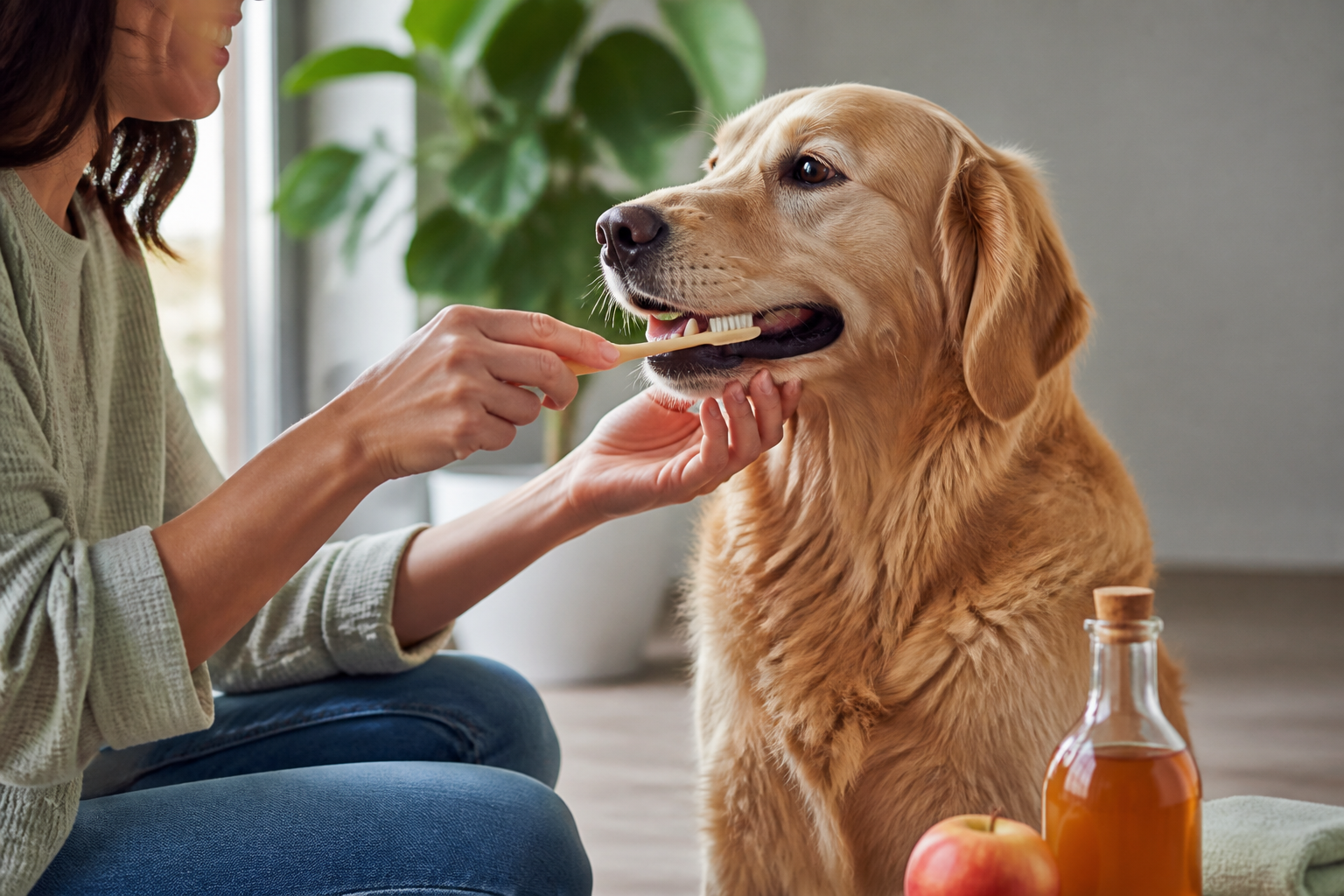
You are sitting on the couch when your dog leans in for a friendly lick, only for you to be met with a wave of surprisingly stinky breath. It is a common moment for many pet owners. You want to help your pup, but you might be hesitant to jump straight to expensive dental procedures or harsh chemicals. This leads many people to look in their pantry for a bottle of apple cider vinegar. At BaxterBoo, we get plenty of questions about natural home remedies, and apple cider vinegar is often at the top of the list for everything from skin care to oral hygiene.
This post covers whether apple cider vinegar actually works for cleaning dog teeth, the safest ways to use it, and when it is time to put down the vinegar and call a professional. While natural supplements have their place, understanding the limits of home care is essential for your dog’s long term health. Apple cider vinegar can be a helpful addition to a dental routine, but it is rarely a complete solution on its own.
Understanding Apple Cider Vinegar for Dogs
Apple cider vinegar, often called ACV, is a type of vinegar made from fermented apple juice. The process involves crushing apples and squeezing out the liquid, which is then combined with yeast and bacteria. This fermentation creates acetic acid, which is the active component that gives vinegar its sour smell and acidic properties. When you shop for ACV for your dog, you will often see a cloudy, stringy substance at the bottom of the bottle. This is known as "the mother."
The mother contains beneficial proteins, enzymes, and friendly bacteria. For pet care, we always recommend choosing raw, organic, and unfiltered apple cider vinegar that still contains the mother. Most clear, highly processed vinegars found in grocery stores have been pasteurized, which removes the very enzymes that make the product useful for health purposes.
Using ACV for dogs is not a new concept. It has been used for generations to support digestion, balance skin pH, and even act as a mild repellent for pests. Because it is a natural product, many owners feel more comfortable using it than synthetic dental sprays. However, because it is an acid, it must be handled with care to ensure it does not cause irritation to your dog’s sensitive mouth or stomach.
Key Takeaway: Always use raw, organic apple cider vinegar with "the mother" to ensure your dog receives the beneficial enzymes and probiotics needed for health support.
Does Apple Cider Vinegar Clean Dogs Teeth?
The short answer is that apple cider vinegar can help support a clean mouth, but it does not "clean" teeth in the way a toothbrush or a professional scaling does. The acetic acid in the vinegar acts as a mild antimicrobial agent. This means it can help kill some of the bacteria that lead to plaque buildup and bad breath.
When plaque sits on the teeth, it forms a sticky biofilm. The acidity of apple cider vinegar can help break down this film, making it slightly easier for other things like chew toys or crunchy vegetables to scrub the teeth. It is more of a "softener" than a scrubber. If your dog already has hard, brown tartar, which is also called calculus, apple cider vinegar will not be able to remove it. Tartar is a mineralized deposit that is bonded to the tooth enamel. Once plaque hardens into tartar, only professional veterinary tools can safely remove it.
Quick Answer: Apple cider vinegar can help reduce oral bacteria and soften plaque due to its acidic nature. However, it cannot remove hardened tartar or replace the mechanical action of regular brushing.
How to Safely Use ACV for Dog Dental Care
If you want to try apple cider vinegar for your dog’s oral health, you must never use it undiluted. Pure vinegar is much too acidic for a dog’s mouth and can damage the protective enamel on their teeth if used improperly. It can also sting if your dog has any small cuts or gum inflammation.
The Water Bowl Method
The easiest and most common way to use ACV is by adding a small amount to your dog’s drinking water. This allows the diluted acid to wash over the teeth and gums throughout the day.
- Use one teaspoon of ACV for every 50 pounds of body weight.
- Start with a smaller amount, such as a quarter teaspoon, to make sure your dog still likes the taste of their water.
- Ensure your dog always has access to a separate bowl of plain, fresh water in case they dislike the vinegar mix.
The Direct Application Method
For dogs that tolerate having their mouths touched, you can apply a diluted solution directly to the teeth and gums. This is more targeted than the water bowl method.
- Step 1: Mix one part apple cider vinegar with five parts filtered water.
- Step 2: Soak a clean cotton ball or a soft piece of gauze in the solution.
- Step 3: Gently rub the soaked gauze over the outer surfaces of your dog's teeth and along the gum line.
- Step 4: Allow your dog to drink plain water afterward to rinse away any excess acidity.
The Food Mix-In
If your dog is a picky drinker, you can mix the same teaspoon per 50 pounds into their daily meal. This is particularly effective if you feed a wet or fresh food diet. The vinegar helps balance the pH in the mouth and can assist with the initial stages of digestion in the stomach.
Vet Tip: If your dog has red, bleeding, or swollen gums, do not apply apple cider vinegar directly to the mouth. The acidity can cause significant pain on raw tissue. Always consult your veterinarian if you notice signs of gum disease.
The Role of ACV in Fighting Bad Breath
Bad breath, or halitosis, is usually caused by the metabolic byproducts of bacteria living in the mouth. These bacteria thrive on food particles left behind after meals. Because apple cider vinegar has antibacterial properties, it can reduce the overall bacterial load in the oral cavity.
Using ACV regularly may lead to a noticeable improvement in how your dog’s breath smells. However, keep in mind that bad breath can also be a sign of internal issues. Problems with the kidneys, liver, or digestive tract can sometimes manifest as foul odors in the mouth. If you use ACV and the breath remains consistently terrible, it is a signal that there is an underlying health problem that a natural rinse cannot fix.
For more guidance on warning signs, read our advice on recognizing bad teeth in dogs.
The Limits of Natural Home Remedies
It is easy to get caught up in the idea of a "miracle" pantry cure, but pet owners must be realistic. Dental disease is one of the most common health problems in dogs, affecting nearly 80 percent of dogs over the age of three.
- Plaque vs. Tartar: ACV can help with plaque, which is the soft, sticky stuff. It cannot help with tartar, which is the hard, rock-like substance.
- Mechanical Action: Teeth need to be rubbed or scraped to stay truly clean. Vinegar has no abrasive qualities.
- Below the Gum Line: Most dental disease happens where you cannot see it, underneath the gums. Liquids like ACV cannot reach these deep pockets to clear out infections.
If you rely solely on apple cider vinegar, you might miss the early warning signs of periodontal disease. This condition can lead to tooth loss and can even affect your dog’s heart and kidneys as bacteria enter the bloodstream through the gums.
Better Alternatives for Canine Oral Health
While apple cider vinegar is a fine supplement, it works best when paired with more effective dental habits. At BaxterBoo, we see the best results when owners combine natural support with proven tools. Explore our dog dental and breath care selection for products that can complement your routine.
Regular Brushing
Brushing remains the gold standard of pet dental care. Using a dog-specific toothbrush and enzymatic toothpaste is the only way to physically remove plaque before it turns into tartar. Enzymatic toothpastes continue working even after you stop brushing by breaking down food particles.
For additional brushing guidance, see our pet dental care tips.
Dental Chews and Toys
Dogs have a natural urge to chew, and we can use that to our advantage. Products like Greenies or Kong toys designed with ridges can help scrape teeth clean. When a dog chews on a textured toy, the physical friction acts like a toothbrush. This is a great option for dogs that do not tolerate manual brushing well.
You can also consider Greenies Dental Dog Chews as one option for your dog’s dental routine.
Crunchy Fruits and Vegetables
You can also use fresh snacks to help clean teeth. Carrots, celery, and apple slices (without the seeds) are crunchy enough to provide a mild scrubbing effect. Like ACV, these are natural additions that support a healthy mouth without the use of synthetic additives.
Bottom line: Apple cider vinegar is a supportive tool, but it cannot replace the physical cleaning power of a toothbrush or the effectiveness of veterinary-approved dental chews.
For more ideas, browse our dental chews and treats for dogs.
Signs Your Dog Needs a Professional Dental Cleaning
There comes a point where home remedies are no longer enough. If your dog is showing signs of advanced dental disease, continuing to use apple cider vinegar without veterinary intervention can actually prolong their discomfort.
Watch for these warning signs:
- Extreme bad breath that does not go away after eating or drinking.
- Thick yellow or brown deposits on the teeth near the gum line.
- Red, swollen, or bleeding gums.
- Difficulty eating, dropping food, or chewing on only one side of the mouth.
- Loose or missing teeth.
- Pawing at the mouth or face.
If you see any of these symptoms, your dog likely needs a professional cleaning under anesthesia. This is the only way for a veterinarian to perform a full exam, take x-rays of the tooth roots, and remove tartar from below the gum line where it causes the most damage.
BaxterBoo Pharmacy and Prescription Dental Care
Sometimes, a dog’s dental needs go beyond standard treats and toys. If your veterinarian diagnoses your dog with chronic dental issues or related health conditions, they may prescribe specific medications or diets. Our pet pharmacy provides a convenient way to access FDA-approved medications and prescription pet foods.
We carry specialized dental diets from brands like Royal Canin and Farmina Vet Life that are formulated to reduce the accumulation of plaque and tartar through both chemical and mechanical means. These diets often have a specific kibble shape and texture that scrubs the tooth as the dog bites down. If your dog requires antibiotics for a mouth infection or pain relief after a dental procedure, our pharmacy can help fulfill those prescriptions quickly so your pet can get back to feeling their best.
Maximizing the Benefits of ACV Beyond Teeth
If you decide to keep apple cider vinegar in your pet care toolkit, you will find it is useful for more than just a fresh mouth. Many of the customers we help at BaxterBoo use it for a variety of wellness needs.
- Digestive Support: The probiotics in "the mother" can help balance the gut microbiome, which is often reflected in a healthier coat and better breath.
- Skin and Coat Health: A diluted ACV rinse after a bath can help restore the skin's natural pH and add a healthy shine to the fur.
- Itchy Paws: A quick soak in a diluted ACV solution can help soothe paws that are irritated by seasonal allergies or yeast.
By using ACV as part of a holistic approach to health, you are supporting your dog from the inside out. Just remember that it is one piece of a much larger puzzle that includes high quality food, regular exercise, and consistent veterinary checkups.
Conclusion
Apple cider vinegar can be a helpful, natural addition to your dog’s oral hygiene routine, but it is not a standalone solution for dirty teeth. While its acidic nature can soften plaque and kill some odor-causing bacteria, it lacks the abrasive power to remove hard tartar. For the best results, use a diluted ACV solution in your dog’s water bowl alongside regular brushing and high quality dental chews like Greenies.
Always keep an eye out for signs of gum disease and consult your veterinarian for regular dental checkups. If your dog needs specialized care, our pharmacy and Pet's Choice partnership are here to provide the prescription diets and medications your vet recommends. Supporting your dog's dental health today will lead to a happier, healthier life and much better kisses for years to come.
Quick Checklist for Dog Dental Success:
- Use only raw, unfiltered ACV with "the mother."
- Always dilute vinegar before giving it to your dog.
- Brush your dog's teeth at least three times a week with enzymatic toothpaste.
- Provide durable chew toys and dental treats to help scrape away plaque.
- Schedule a professional dental exam at least once a year.
Bottom line: Use apple cider vinegar to support a fresh mouth, but rely on brushing and veterinary care to keep your dog's teeth truly healthy.
FAQ
Can I put apple cider vinegar directly on my dog's teeth?
You should only apply apple cider vinegar to your dog's teeth if it is properly diluted with water. A common safe ratio is one part vinegar to five parts water. Never use it full strength, as the high acidity can damage tooth enamel and irritate the gums.
Will apple cider vinegar remove brown tartar from my dog's teeth?
No, apple cider vinegar cannot remove hardened brown tartar, also known as calculus. This substance is mineralized and firmly bonded to the tooth. While ACV may help soften soft plaque, hardened tartar requires professional scaling by a veterinarian.
Is apple cider vinegar safe for all dogs to drink?
Most dogs can safely consume small amounts of diluted apple cider vinegar, but there are exceptions. Dogs with kidney disease or those with very acidic systems may not react well to the extra acid. It is always best to check with your vet before adding supplements to your dog's diet.
How much apple cider vinegar should I add to my dog's water for their teeth?
A safe starting point is one teaspoon of apple cider vinegar for every 50 pounds of your dog's body weight. If you have a smaller dog, start with just a few drops. Always provide a second bowl of plain water so your dog can choose to drink without the vinegar.






