
 Save 15% on your 1st Autoship learn more

 Email us
 Live Chat
 FAQs
FAQs





Introduction
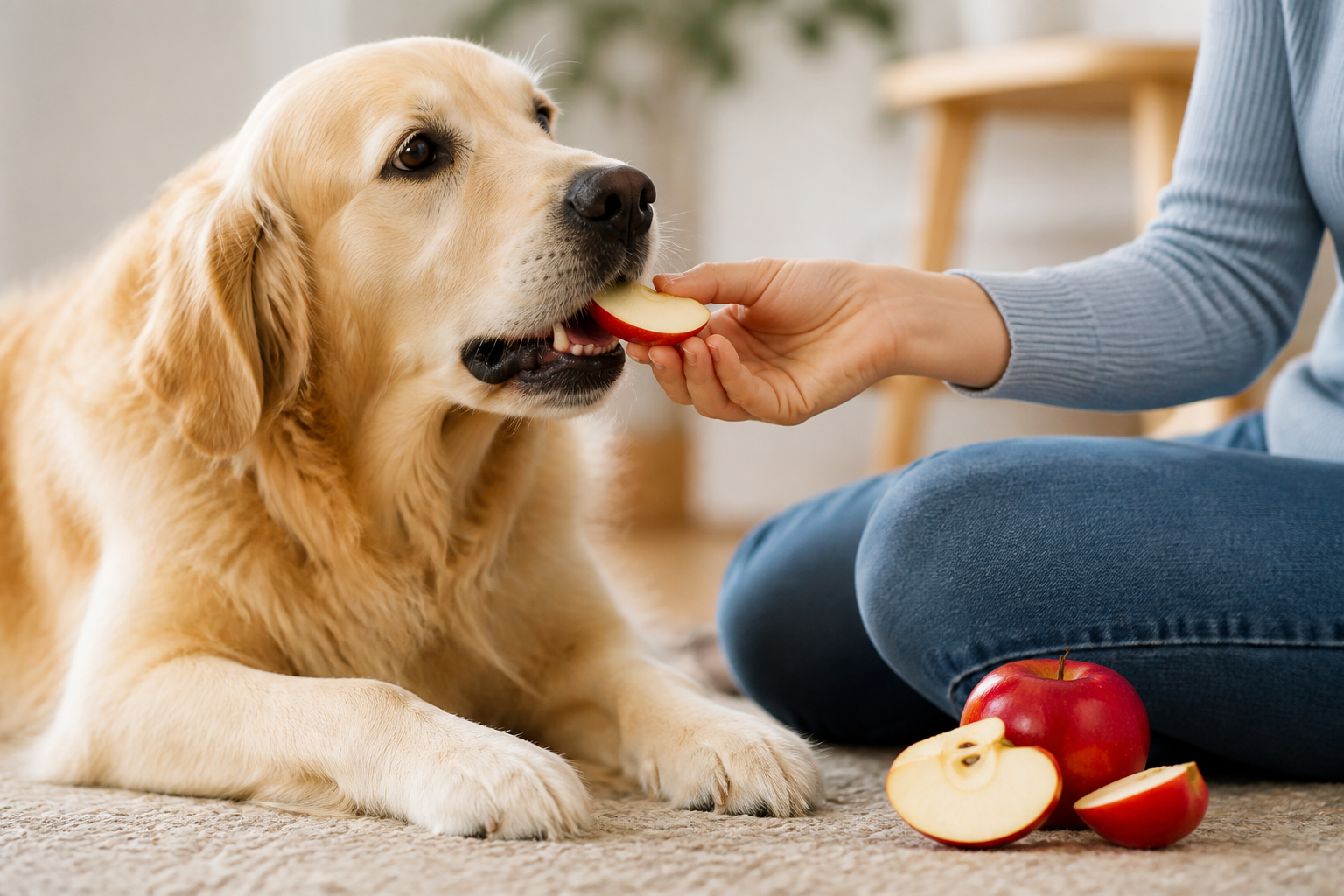
You are standing in the kitchen slicing a crisp apple for your lunch. Your dog is at your feet, watching every move with that hopeful, tilted head. You toss a small slice their way and listen to that satisfying crunch. It sounds like it could be doing some good for their teeth. Many owners wonder if this natural snack can replace a toothbrush. At BaxterBoo, we love finding healthy, whole-food treats for our pets. While the firm texture of an apple does offer some benefits for a dog's mouth, it is not a complete solution for dental hygiene. This article will explain how apples interact with plaque, the risks of natural sugars, and how to safely incorporate this fruit into your dog's routine. We want to help you understand what works for your dog's smile and what requires a professional touch.
The Mechanical Action of the Apple Crunch
When your dog bites into a fresh apple slice, the firm flesh acts as a mild abrasive. This mechanical action is the primary reason people think apples clean teeth. As the dog chews, the fibers rub against the surface of the teeth. This can help scrub away some of the soft plaque that has recently formed. It is similar to how a person might use a washcloth to wipe a surface. It works for light messes, but it cannot handle heavy duty cleaning.
The crunch also stimulates saliva production. Saliva is a natural defense mechanism for a dog's mouth. It contains enzymes that help break down food particles. It also helps wash away loose debris before it can settle into the gum line. However, most dogs chew their treats very quickly. They do not spend enough time grinding the apple against every tooth surface to achieve a deep clean. The back molars might get a little scrubbing, but the canines and front teeth usually miss out on the action.
Why Texture Matters for Plaque Removal
Plaque is a sticky film of bacteria that constantly forms on the teeth. If it is not removed, it hardens into tartar within about 48 hours. Once plaque turns into tartar, no amount of apple crunching will remove it. The texture of an apple is helpful because it is fibrous. These fibers can reach slightly into the gaps between teeth. They provide a "sweeping" effect that softer treats simply cannot offer.
The Limits of Fruit as a Cleaner
While the crunch is beneficial, it is important to remember that apples are not shaped like toothbrushes. They do not have bristles that can reach under the gum line. Most dental disease in dogs happens below the gums where you cannot see it. An apple might make the visible part of the tooth look slightly cleaner, but it leaves the most dangerous areas untouched. This is why we always recommend a multi-layered approach to dental care.
Quick Answer: Apples can help mechanically remove some soft plaque through their crunchy texture. They are not a substitute for regular brushing or professional veterinary cleanings.
The Role of Fiber and Water Content
Apples are primarily made of water and fiber. For a dog's oral health, high water content is a significant plus. It helps keep the mouth hydrated and assists in rinsing away food residue. Fiber plays a different role. It requires more chewing effort from the dog. This extended chewing time is exactly what you want when trying to use food as a dental aid.
The fiber in apples also supports overall digestion. A healthy digestive system can sometimes reflect in better breath. However, do not confuse "apple breath" with true oral health. A dog might smell like fruit for a few minutes after a snack, but that does not mean the bacteria causing bad breath have been eliminated.
Nutritional Benefits for the Mouth
Apples contain Vitamin C and Vitamin A. These nutrients are essential for healthy connective tissues and immune function. Healthy gums are the foundation of healthy teeth. If a dog's gums are inflamed or bleeding, the teeth will eventually suffer. While the vitamins in a few apple slices are not enough to cure gum disease, they contribute to a diet that supports overall oral wellness.
Why Whole Fruit Beats Processed Snacks
Many commercial treats claim to clean teeth but are loaded with starches and fillers. These starches can actually stick to the teeth and turn into sugar. A fresh apple slice is a "cleaner" treat. It does not have the sticky additives found in many low-quality biscuits. If you are choosing between a starchy bone and an apple slice, the apple is usually the better choice for dental health.
The Sugar Problem: Balancing Clean with Cavities
Every fruit contains natural sugar in the form of fructose. While this is better than refined white sugar, it is still a fuel source for bacteria. The bacteria in a dog's mouth consume sugar and produce acid as a byproduct. This acid can slowly wear down tooth enamel over time. If your dog eats a large amount of fruit, you might accidentally be feeding the very plaque you are trying to remove.
Impact on Enamel and Bacteria
Dog enamel is thinner than human enamel. This makes their teeth more susceptible to acid erosion. If sugar from an apple sits on the teeth for hours, it creates an environment where harmful bacteria thrive. This is the main reason why we cannot rely on apples as a primary dental tool. You are essentially using a sugary "brush" to clean the teeth.
Managing Sugar Intake
To minimize the risks of sugar, always provide plenty of fresh water after your dog eats an apple. This helps rinse the fructose off the teeth. You should also limit apple snacks to a few times a week rather than every day. This prevents a constant buildup of sugars in the mouth.
Key Takeaway: The natural sugars in apples can feed mouth bacteria. Always follow a fruit snack with fresh water to help rinse the teeth.
Safety First: Preparing Apples for Your Dog
You should never just toss a whole apple to your dog. There are several parts of the fruit that are dangerous or even toxic. Proper preparation ensures that the snack stays healthy and helpful rather than becoming a trip to the vet.
Step 1: Wash the fruit thoroughly. / Most grocery store apples are treated with pesticides or wax. Use a vegetable brush to scrub the skin and remove any chemical residue.
Step 2: Remove the core and stem. / The core is very tough and fibrous. It is a major choking hazard, especially for smaller dogs. It can also cause a dangerous blockage in the digestive tract.
Step 3: Discard all seeds. / Apple seeds contain a compound called amygdalin, which releases cyanide when digested. While a few seeds might not hurt a large dog, they can be toxic in large amounts or for smaller pets.
Step 4: Slice into bite-sized pieces. / Cut the apple into thin slices or small cubes. This increases the surface area that comes into contact with the teeth and prevents choking.
Should You Peel the Apple?
The skin of the apple contains the most fiber and many of the vitamins. For dental cleaning, the skin is actually the most helpful part because of its tough texture. However, some dogs have very sensitive stomachs. The skin can be difficult for them to digest. If your dog is prone to gas or diarrhea, you may want to peel the apple first. If they have a "stomach of steel," leaving the skin on provides the best dental benefit.
Comparing Apples to Other Natural Dental Aids
Apples are not the only produce item that can help with a dog's teeth. Many owners use a variety of crunchy vegetables and fruits to keep things interesting. Understanding how apples stack up against other options can help you build a better snack routine.
| Snack Type | Dental Benefit | Sugar Content | Best For |
|---|---|---|---|
| Apple Slices | Moderate (Mechanical) | Medium | Occasional treats |
| Carrot Sticks | High (Very Firm) | Low | Daily cleaning aid |
| Celery | High (Stringy Fiber) | Very Low | Breath freshening |
| Blueberries | Low (Too Soft) | Medium | Antioxidants |
| Frozen Strawberries | Moderate (Hard Texture) | Medium | Summer cooling |
Carrots are often cited as being superior to apples for dental health. They are much harder and contain less sugar. Celery is also excellent because the long fibers act almost like natural dental floss. We suggest rotating these options to give your dog a variety of nutrients and textures.
The Reality of Canine Dental Disease
It is easy to get lulled into a false sense of security by a white, shiny tooth. Unfortunately, most dental problems in dogs are "silent." By the time you see yellow tartar or red gums, the disease has already progressed. Apples cannot reach the tiny pockets between the tooth and the gum. This is where bacteria hide and cause bone loss.
If your dog has bad breath that does not go away, it is usually a sign of infection. This is not something an apple can fix. Chronic dental disease can lead to heart, kidney, and liver problems because bacteria from the mouth enter the bloodstream. This makes oral hygiene a matter of whole-body health, not just a pretty smile. For additional guidance on warning signs, read what to know about bad teeth in dogs.
Vet Tip: If you notice your dog dropping food, bleeding from the mouth, or favoring one side while chewing, consult your veterinarian immediately. These are signs of dental pain or advanced disease that require professional intervention.
Building a Real Dental Care Routine
If you want your dog to have a healthy mouth for life, you need a plan that goes beyond the fruit bowl. At BaxterBoo, we emphasize a "three-pillar" approach to dental care. This includes home brushing, dental-specific products, and professional care. Explore our dog dental care collection for products that can complement your routine.
Pillar 1: Brushing
Nothing replaces a toothbrush. You should aim to brush your dog's teeth at least three times a week. Use a paste formulated for dogs, as human toothpaste contains xylitol or detergents that are toxic to pets. The physical act of brushing is the only way to effectively clean the gum line. For more at-home suggestions, review these pet dental care tips.
Pillar 2: Dental Products and Pharmacy Access
There are many products designed to supplement brushing. Dental wipes, water additives, and enzymatic gels can all help. Our pet pharmacy offers a variety of prescription dental diets and medicated rinses through our partnership with Pet's Choice. These are especially helpful for dogs that already have a history of dental issues. If your vet recommends a specific dental food, our pharmacy can help you manage that ongoing need with ease.
Pillar 3: Professional Cleanings
Just like humans, dogs need professional cleanings. A veterinarian will put the dog under general anesthesia to perform a deep clean. This allows them to scale away tartar and check for loose teeth or oral tumors. An apple a day might keep the doctor away for humans, but it does not replace the vet for dogs.
Introducing Apples to Your Dog's Diet
If your dog has never had an apple, start very slowly. Any new food can cause digestive upset if introduced too quickly. Start with one small, peeled cube. Watch your dog for the next 24 hours to ensure they do not have any diarrhea or vomiting.
Once you know they tolerate it well, you can start giving them a few slices with the skin on. For a fun twist, you can freeze apple slices in the summer. The cold, hard texture provides even more resistance for the teeth and helps soothe the gums of teething puppies. Just be sure to supervise them so they do not try to swallow a large, frozen chunk whole.
Bottom line: Apples are a healthy, crunchy snack that offers minor dental benefits, but they must be prepared safely and used in moderation.
When to Avoid Apples
Not every dog should eat apples. If your dog is overweight, even the natural sugars in fruit can contribute to weight gain. Dogs with diabetes should also avoid apples unless specifically cleared by a veterinarian. The sugar can cause a spike in blood glucose levels that is difficult to manage.
Additionally, some dogs have chronic kidney issues. Apples are relatively high in potassium. While this is usually fine for a healthy dog, it can be a problem for a dog with compromised kidney function. If your dog is on a restricted diet for any health reason, always check with your vet before adding fruit.
Common Myths About Fruit and Dog Teeth
One common myth is that the malic acid in apples "dissolves" tartar. This is false. The concentration of acid in an apple is not high enough to break down hardened tartar. If it were that strong, it would also dissolve the dog's tooth enamel.
Another myth is that apples can replace dental chews. While apples are healthier than some low-quality chews, a high-quality, VOHC-approved (Veterinary Oral Health Council) dental chew is specifically engineered to clean teeth. These chews often contain enzymes that break down plaque and are shaped to reach difficult areas. Apples are a great natural snack, but they do not have the same engineering behind them. Browse our dental treats for dogs for additional options.
The BaxterBoo Approach to Treats
We believe that treats should do more than just taste good. They should contribute to your pet's wellness. That is why we curate a selection of treats that use real ingredients like those found in your own kitchen. We carry brands like The Honest Kitchen and Stella and Chewy's that often incorporate healthy fruits and vegetables into their recipes.
Using whole foods like apples is a great way to bond with your pet. It allows you to give them a reward that you feel good about. Just remember that your dog relies on you to manage their health. By combining healthy snacks with a solid dental routine, you are giving them the best chance at a long, happy life without dental pain.
Conclusion
Apples are a safe and nutritious addition to most dogs' diets. Their crunchy texture provides a small amount of mechanical cleaning for the teeth, and their vitamins support overall gum health. However, because of their natural sugar content and inability to reach the gum line, they are not a replacement for brushing. For the best results, serve apple slices as an occasional snack alongside a consistent dental hygiene routine. Our pharmacy is a great resource for FDA-approved dental care products and prescription diets through our Pet's Choice partnership. If you stay proactive with brushing and regular vet visits, those apple slices can be the "cherry on top" of a healthy canine smile. For recurring dental and wellness supplies, consider our Autoship programme.
Key Takeaway: Use apples for crunch and nutrition, but rely on brushing and professional vet care for true dental health.
FAQ
Do apples really help with a dog's bad breath?
Apples can provide a temporary freshening effect by rinsing away loose food particles and leaving a light fruity scent. However, they do not kill the bacteria that cause chronic bad breath. If your dog has persistent "dog breath," it likely indicates a dental issue that requires a vet visit.
Can I give my dog apple juice instead of slices for their teeth?
No, you should never give a dog apple juice for dental health. Juice lacks the crunchy fiber needed for mechanical cleaning and is much higher in concentrated sugar. Most store-bought juices also contain preservatives or added sweeteners that can be harmful to dogs.
Is it okay for puppies to eat apples for teething relief?
Yes, puppies can have small, sliced pieces of apple. Chilled or frozen apple slices can be especially soothing for sore gums during the teething process. Always supervise your puppy while they eat to ensure they do not choke on a large piece.
Which type of apple is best for cleaning a dog's teeth?
Tarter, firmer apples like Granny Smith or Pink Lady are generally better for dental health. Their harder texture provides more scrubbing action than softer varieties like Red Delicious. They also tend to have slightly less sugar than the very sweet varieties.






