
 Save 15% on your 1st Autoship learn more

 Email us
 Live Chat
 FAQs
FAQs





Introduction
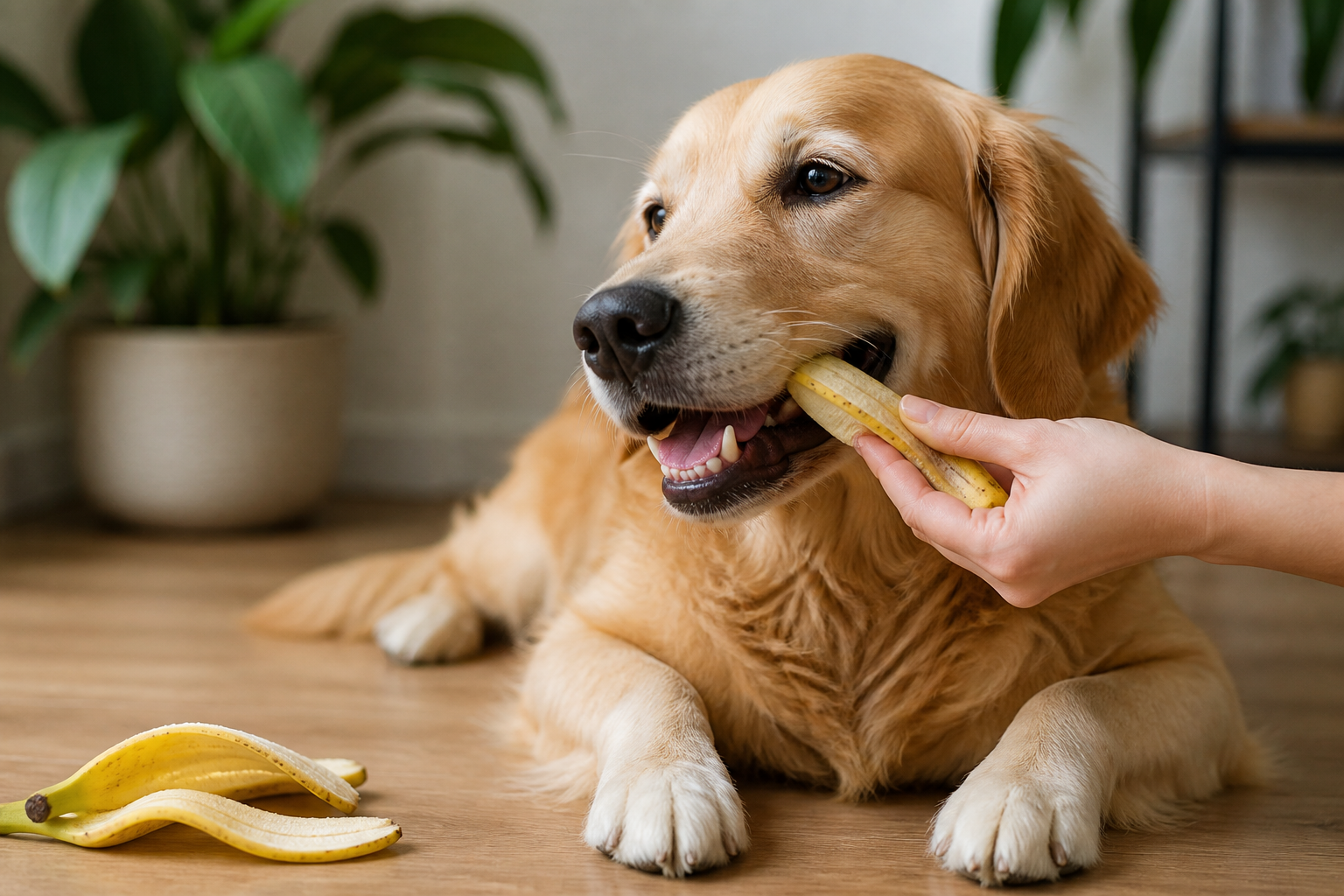
You are sitting on the sofa enjoying a snack while your dog watches every bite with intense focus. You finish your banana and look at the peel, remembering a social media post claiming it can whiten teeth or remove plaque. It seems like a natural, free way to handle that creeping "dog breath" you noticed earlier this week. At BaxterBoo, we hear about these home remedies often from pet parents looking for practical ways to maintain their dog's health. This article explores the science behind the banana peel trend and why it fails to deliver on its promises. We will also look at the real risks of feeding peels to your pet and provide effective alternatives for canine dental hygiene.
Quick Answer: Banana peels do not clean or whiten a dog's teeth. While they contain minerals like potassium and magnesium, they lack the abrasive texture needed to remove plaque and can cause dangerous intestinal blockages if swallowed.
The Science Behind the Banana Peel Myth
The idea that banana peels can clean or whiten teeth usually stems from the minerals found in the skin of the fruit. Specifically, proponents of this hack claim that potassium, manganese, and magnesium are absorbed into the enamel. They suggest that rubbing the inside of a ripe peel against the teeth will result in a brighter smile. However, dental science does not support this claim for humans or dogs.
Minerals do not simply soak into the tooth structure through surface contact with a fruit peel. While these minerals are essential for overall health when digested, they do not have a topical whitening effect. In fact, some studies on human teeth have shown that rubbing banana peels on enamel can actually make the teeth look yellower or less shiny. The residue left behind by the sugary fruit can also attract more bacteria if it is not brushed away.
Why It Doesn't Scrub Plaque
To clean a dog's teeth, you need mechanical action. This means something needs to physically rub against the tooth and the gum line to scrape away the soft film known as plaque. If plaque is not removed, it hardens into tartar within about 48 to 72 hours.
A banana peel is slippery and soft. It does not have the fibrous, abrasive texture required to break up plaque. Using a peel is essentially like trying to scrub a dirty floor with a piece of silk. It might move the dirt around, but it will not lift it off the surface. A standard dog toothbrush or a textured dental chew is far more effective at making physical contact with the tooth surface. For more proven options, explore our dog dental care category.
The Role of Sugar in Dental Health
One major downside to using any part of a banana for dental care is the sugar content. As a banana ripens, its starches turn into sugars. When you rub a peel against your dog's teeth, you are coating the enamel in a sugary residue. Bacteria in the mouth thrive on sugar. They metabolize these sugars into acids that can eventually wear down enamel. While cavities are rare in dogs, they can still happen if the mouth is frequently exposed to sugary treats without proper cleaning.
Key Takeaway: Banana peels lack the abrasive power to remove plaque and may actually introduce unwanted sugars into your dog's mouth, making them a poor choice for dental care.
Potential Dangers of Banana Peels for Dogs
While the fruit itself is a healthy treat in moderation, the peel presents several health risks. Most dogs are "opportunistic eaters" and might try to swallow the entire peel if you offer it to them. This can lead to serious digestive issues that require veterinary intervention.
Intestinal Blockages
The biggest concern with banana peels is their high cellulose content. Dog digestive systems are not designed to break down the tough, fibrous structure of a fruit skin. If a dog swallows a large piece of peel, or the whole thing, it can get stuck in the stomach or the intestines.
A blockage is a life-threatening emergency. It prevents food and water from passing through the system and can cut off blood flow to the organs. Symptoms of a blockage include:
- Repeated vomiting
- Straining to defecate
- Loss of appetite
- Abdominal pain or swelling
- Lethargy
Digestive Upset
Even if the peel does not cause a physical blockage, it is likely to cause significant stomach upset. The heavy fiber load can lead to vomiting, diarrhea, or painful gas. Because the peel is so difficult to digest, it often passes through the system relatively intact, causing discomfort the entire way.
Choking Hazards
The stringy, slippery nature of the peel makes it a choking hazard, especially for smaller breeds. If the peel slides down the throat before it is chewed properly, it can easily obstruct the airway.
Vet Tip: If your dog accidentally consumes a banana peel, monitor them closely for the next 24 to 48 hours. If you notice vomiting or a sudden change in energy levels, contact your veterinarian immediately. For ongoing digestive support or prescription needs, our pharmacy offers a range of FDA-approved medications through our partnership with Pet's Choice.
Real Dental Care Solutions That Work
Since banana peels are off the table, it is important to focus on methods that actually improve canine oral health. According to veterinary experts, about 80 percent of dogs show signs of dental disease by age two. This makes a consistent routine essential. We carry a wide variety of supplies to help you build a routine that fits your lifestyle. For additional guidance, read our tips for maintaining pet dental care.
Daily Brushing
Brushing remains the gold standard for pet dental care. You do not need to spend twenty minutes on it. Even a quick 30-second session can make a difference.
- Use a toothpaste specifically formulated for dogs. Human toothpaste contains xylitol or foaming agents that are toxic to pets.
- Focus on the outside of the teeth, as this is where most plaque builds up.
- Start slowly by letting your dog lick the paste off your finger before introducing a brush.
You can find toothpaste, toothbrushes, wipes, and other supplies among our dog healthcare products.
Dental Chews and Toys
If your dog refuses a toothbrush, dental chews are a great secondary option. Brands like Greenies are designed with a specific texture that helps scrub teeth as the dog chews. The mechanical action of chewing helps wipe away plaque before it hardens. See our selection of Greenies products for dental chew options.
Toys can also play a role in dental health. Many rubber toys, such as those from Kong, have ridges or nubs. When a dog gnaws on these, the rubber massages the gums and scrapes the teeth. You can even smear a little dog-safe toothpaste inside the ridges of a toy to increase the benefit.
For a specific dental chew, consider Greenies Dental Dog Chews - Blueberry Flavor.
Water Additives and Wipes
For dogs that are particularly difficult to handle, water additives can help. These are tasteless liquids you add to your dog's water bowl. They contain enzymes or ingredients that help break down the biofilm in the mouth. Dental wipes are another alternative. You simply wrap the wipe around your finger and rub the surface of the teeth. This provides some mechanical cleaning without the bulk of a brush.
A water additive such as Synergy Labs Dental Fresh Water Additive can be added to a routine when brushing is difficult.
Understanding Dog Tooth Anatomy
To understand why dental care is so important, it helps to know how a dog's mouth works. Dogs have 42 adult teeth, compared to 32 in humans. Their teeth are designed for grasping, shearing, and pulling rather than grinding.
The Different Types of Teeth
- Incisors: These are the small teeth at the front of the mouth. Dogs use them for nibbling or grooming their fur.
- Canines: The long, pointed teeth used for grasping and lifting.
- Premolars: These have sharp edges for shearing food.
- Molars: The flat teeth at the back used for crushing.
The "carnassial" teeth are the largest teeth in a dog's mouth. They are the fourth upper premolars and the first lower molars. These teeth do the most work and are often the first to show signs of heavy tartar buildup.
Why Dogs Don't Get Many Cavities
You might wonder why we worry so much about gum disease but rarely hear about dog cavities. This is because the bacteria in a dog's mouth are different from those in ours. Humans have bacteria that thrive on sugar and create acid on the flat surfaces of the teeth. Dogs have very few flat-surfaced teeth, and their natural oral pH is more alkaline, which neutralizes acids.
However, dogs are much more susceptible to periodontal disease. This is an infection of the tissues surrounding the teeth. It starts with plaque and moves under the gum line, where it can destroy the bone that holds the teeth in place.
How to Tell if Your Dog Needs a Dental Cleaning
Because dogs are instinctively good at hiding pain, you might not realize they have a dental problem until it is advanced. A banana peel rub will not fix these issues. You should check your dog's mouth regularly for the following signs:
- Persistent bad breath (more than just "dog breath")
- Red, swollen, or bleeding gums
- Yellow or brown crust (tartar) near the gum line
- Loose or missing teeth
- Excessive drooling
- Dropping food while eating or favoring one side of the mouth
If you notice these signs, a professional dental cleaning under anesthesia is usually necessary. During these cleanings, a veterinarian can clean under the gum line and take X-rays to check for hidden infections. For more warning signs, read how to recognize hidden dental problems in dogs.
Bottom line: While home care is vital for prevention, it cannot replace professional veterinary cleanings once tartar has hardened.
Better Ways to Use Bananas for Dogs
If you have extra bananas and want to give your dog a treat, skip the peel and stick to the fruit. Bananas are a great source of potassium, fiber, and Vitamin C. Just remember that they should be an occasional treat rather than a meal replacement.
Safe Preparation Methods
- Plain Slices: Cut the banana into small, bite-sized rounds.
- Frozen Treats: Freeze banana slices for a refreshing summer snack.
- Mashed Topping: Mash a small piece of banana and use it as a topper for their regular kibble.
- Stuffing Toys: Use mashed banana to fill a rubber toy for a long-lasting challenge.
Moderation is Key
Because bananas are high in sugar, you should follow the 10 percent rule. Treats should never make up more than 10 percent of your dog's daily calorie intake. For a small dog, two or three small slices are plenty. For a larger dog, half a banana is usually a safe limit.
If your dog has a condition like diabetes or is struggling with weight management, talk to your vet before adding bananas to their diet. Our pharmacy carries prescription diets, such as Farmina Vet Life, for pets with specific health needs.
Steps for Starting a Dental Routine
If you have been relying on "hacks" like banana peels, it is time to transition to a routine that actually works. Most dogs can learn to accept dental care if you introduce it gradually.
Step 1: Get the right supplies. / Purchase a dog-specific toothbrush and toothpaste.
Step 2: Start with the taste. / Let your dog lick the toothpaste to build a positive association.
Step 3: Introduce the brush. / Gently touch the brush to the teeth without scrubbing for the first few days.
Step 4: Begin brushing. / Use small, circular motions on the outside of the teeth once your dog is comfortable.
Step 5: Reward them. / Give a small, healthy treat or praise after every session to make it a positive experience.
For more ideas on building a consistent routine, review these pet dental care tips.
Supporting Your Dog's Health with BaxterBoo
Proper dental care is an investment in your dog's long-term health. Issues in the mouth can eventually lead to problems with the heart, liver, and kidneys as bacteria enter the bloodstream. We are committed to providing the tools you need to keep your pet healthy from puppyhood through their senior years.
Whether you need to stock up on Greenies, find a durable chew toy, or set up an Autoship for dental wipes, we are here to help. Our team handpicks every product to ensure quality and safety. We also offer the MVP Rewards program, where you can earn up to 5% back on your dental care purchases.
If your dog's dental needs require medical intervention, remember our pharmacy partnership. We can help you fulfill prescriptions for antibiotics or medicated oral rinses as directed by your veterinarian.
Summary
Banana peels are a fascinating internet myth, but they have no place in a dog's dental care routine. They do not whiten teeth, they do not remove plaque, and they pose a significant risk for intestinal blockages. Effective dental care requires mechanical cleaning, such as brushing or using approved dental chews.
- Banana peels do not have the abrasive texture needed to clean teeth.
- Rubbing fruit on teeth can actually increase bacterial growth due to sugar.
- Peels are a major choking and blockage hazard.
- Brushing remains the most effective way to prevent periodontal disease.
Key Takeaway: Focus on proven dental tools like brushes and VOHC-approved chews rather than fruit peel "hacks" to keep your dog's smile healthy.
FAQ
Is the inside of a banana peel toxic to dogs?
No, banana peels are not toxic in the sense that they contain poison or harmful chemicals. However, they are considered dangerous because they are extremely difficult to digest and can cause a physical blockage in the digestive tract. They may also be contaminated with pesticides if they are not organic, so it is best to keep them out of reach.
Can I use a banana peel to whiten my dog's yellow teeth?
No, a banana peel will not whiten yellow teeth. Yellowing is often caused by the buildup of tartar, which is a hard mineral deposit that can only be removed by professional veterinary tools. If the yellowing is mild, daily brushing with a pet-safe toothpaste is the best way to brighten the teeth over time.
What should I do if my dog ate a whole banana peel?
If your dog swallows a banana peel, you should call your veterinarian for advice. Depending on the size of your dog and the size of the peel, they may want you to bring the dog in or monitor them at home. Watch for signs of distress, such as vomiting, lethargy, or a painful abdomen, which could indicate a blockage.
Are there any fruits that actually help clean a dog's teeth?
While some crunchy fruits like apples can help rub away a tiny amount of plaque, they are not a substitute for brushing. Apples contain fiber and have a firm texture, but they also contain sugar. Always remove the seeds and the core before giving apple slices to your dog, and remember that dental chews are much more effective for cleaning.






