
 Save 15% on your 1st Autoship learn more

 Email us
 Live Chat
 FAQs
FAQs





Introduction
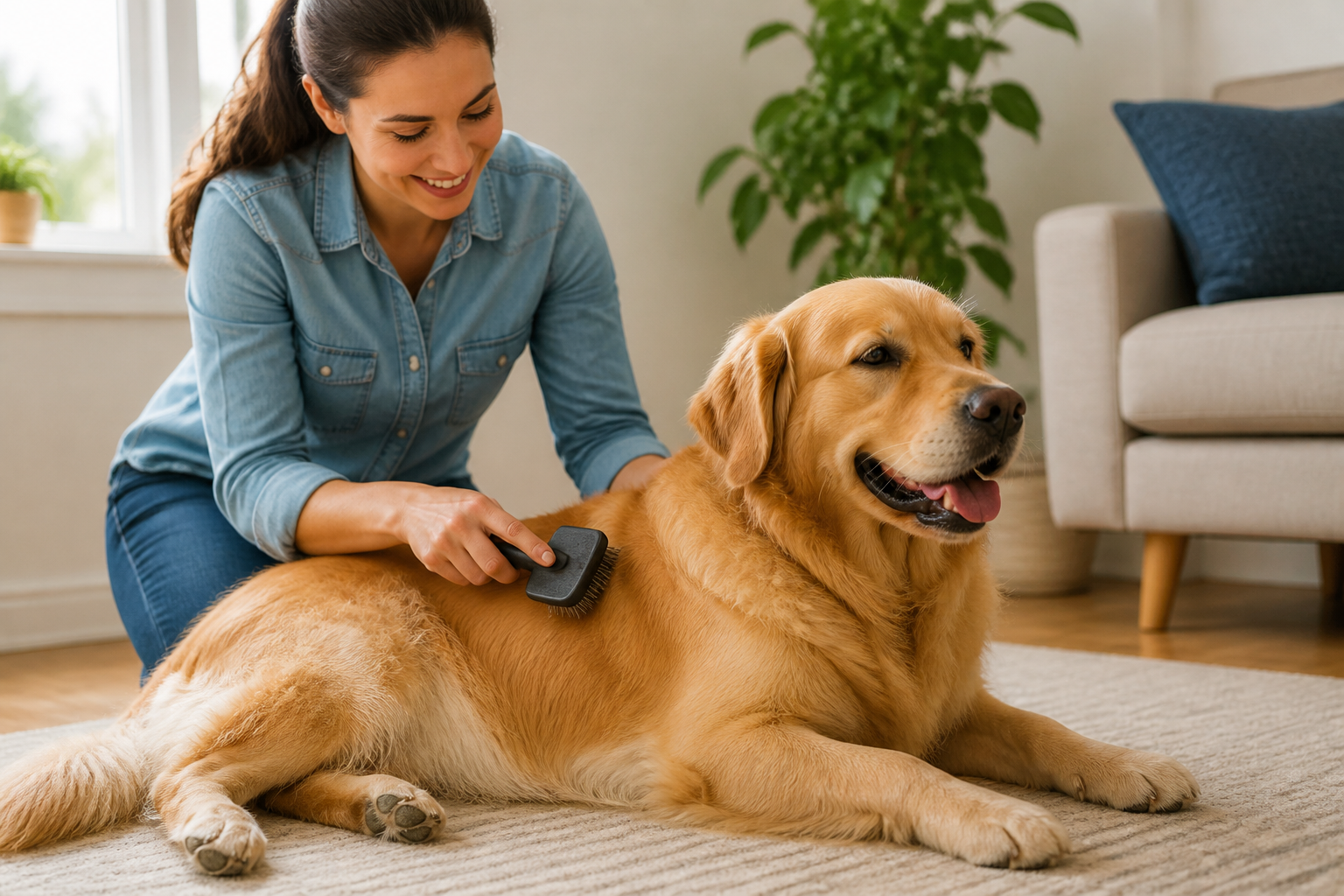
You just finished vacuuming the living room, but five minutes later, a drift of white fur settles across your dark hardwood floor. You look at your dog, who is wagging their tail and unknowingly releasing another cloud of loose hair. Every dog owner knows the frustration of the "fur tumbleweed" that rolls through the hallways. At BaxterBoo, we have spent years helping pet parents manage the constant cycle of shedding. Whether you have a Golden Retriever who leaves a trail everywhere or a short-haired Beagle whose stiff hairs weave into your upholstery, the struggle is real. This post covers why brushing is your most powerful tool, which brushes actually work for different coat types, and how to support coat health from the inside out. Brushing is the most effective way to intercept loose hair before it covers your home.
Quick Answer: Yes, brushing a dog is the single most effective way to reduce shedding in your home. It removes dead hair and dander directly from the coat before it falls onto your furniture. Regular sessions also distribute natural skin oils to keep the coat healthy.
Why Brushing Is the Best Defense Against Shedding
Brushing does not stop the biological process of shedding, but it gives you control over where that hair ends up. A dog's coat is constantly renewing itself. Old hairs die and fall out to make room for new ones. Without intervention, those dead hairs get trapped in the coat or fall off as the dog moves. When you brush your dog, you are manually removing those dead hairs in a controlled environment.
Regular grooming also serves as a health check. As we work through the fur, we can feel for new lumps, bumps, or skin irritations that might be hidden under a thick coat. It also helps move natural oils from the skin down the hair shaft. This keeps the hair supple and less likely to break. Broken hair contributes to the "dust" and mess in your home just as much as naturally shed hair does.
Key Takeaway: Brushing intercepts the shedding process by collecting dead fur in a tool rather than letting it fall on your floors.
Choosing the Right Tool for Your Dog's Coat
Not all brushes are created equal. Using the wrong tool can be ineffective or even uncomfortable for your dog. If the brush pulls at the skin or scratches, your dog will learn to hide when they see the grooming kit. We stock over 500 brands to ensure every coat type has the right match. Start with our dog grooming collection to compare brushes, combs, shampoos, and other coat-care supplies.
Tools for Short-Haired Breeds
Short-haired dogs like Labradors, Poodles, or Boxers have unique needs. Their hair is often stiff and can be difficult to pull out of fabrics.
- Rubber Curry Combs: These are excellent for short coats. The rubber "teeth" grab onto loose hair and massage the skin.
- Bristle Brushes: These use tightly packed natural or synthetic bristles to remove surface hair and dust.
- Grooming Mitts: These allow you to pet your dog while removing hair. They are perfect for dogs who are nervous about traditional brushes.
Tools for Long-Haired and Double-Coated Breeds
Dogs with undercoats, such as Huskies or German Shepherds, require tools that can reach beneath the top layer of fur. A long-hair de-shedding brush can help remove loose undercoat hair from dogs with longer coats.
- Slicker Brushes: These have fine wire pins that unhook dead undercoat hair.
- Undercoat Rakes: These look like small rakes and are designed to pull out the thick, downy fluff that accumulates during "blow-out" seasons.
- Deshedding Tools: Tools like the ones from Kong or other specialized brands use specific blade or tooth designs to reach deep into the coat without cutting the skin.
The Essential Grooming Kit Checklist
- A primary brush suited for the coat length.
- A secondary finishing comb for tangles.
- A rubber mitt for quick daily touch-ups.
- High-quality treats to keep the experience positive.
How to Brush for Maximum Hair Removal
Brushing a dog is more than just a quick swipe down the back. To truly reduce the amount of hair in your house, you need a systematic approach. If you only brush the top layer, the undercoat will continue to shed and mat. This leads to more mess and potential skin issues. Our dog brushes and combs include options for different coat lengths and grooming routines.
Step 1: Brush against the grain. / Use a gentle touch to brush the hair in the opposite direction of growth. This looses the dead hair trapped near the skin.
Step 2: Brush with the grain. / After loosening the hair, brush in the direction of growth to sweep it away and collect it in the bristles.
Step 3: Clear the brush frequently. / A clogged brush cannot pick up more hair. Remove the fur from the tool every few strokes to keep it effective.
Step 4: Focus on high-friction areas. / Pay extra attention to the chest, the "trousers" on the back legs, and the area behind the ears. These spots tend to hold the most loose fur.
Bottom line: A two-directional brushing technique ensures you reach the undercoat where most shedding originates.
The Role of Bathing in Shedding Management
Bathing is a teammate to brushing. While you should not bathe your dog every day, a regular schedule helps loosen stubborn hair. When the hair is wet and conditioned, it slides out of the follicle more easily. Using a deshedding shampoo can help this process along. These formulas often contain omega fatty acids and proteins that strengthen the hair while moisturizing the skin.
At BaxterBoo, we recommend a "wash and brush" routine. Always brush your dog before the bath to remove as much loose hair as possible. If you put a heavily shedding dog in the tub without brushing first, you will end up with a clogged drain and a matted dog. After the bath, once the dog is dry, brush them again. You will be amazed at how much more hair comes off after the follicles have been hydrated.
Our Autoship program is a great way to stay stocked on deshedding shampoos and conditioners. You can save on your first order and ensure you never run out right before bath day.
High-Velocity Dryers: The Professional Secret
If you have ever wondered how professional groomers get dogs so clean and hair-free, the secret is the dryer. They do not use human hair dryers. They use high-velocity dryers that literally blow the water and loose hair off the dog. These machines do not rely on high heat, which can burn a dog's sensitive skin. Instead, they use powerful airflow.
For owners of heavy shedders, an at-home pet dryer is a worth-while investment. Using a dryer after a bath can remove a week's worth of shedding in ten minutes. It is especially helpful for double-coated breeds during the spring and fall when they "blow" their coats.
Vet Tip: If you use a dryer, always keep it moving and avoid pointing it directly into the dog's eyes, ears, or nose. Ensure the air is cool or lukewarm, as dogs can overheat quickly.
Nutrition and the Science of Shedding
Sometimes, excessive shedding is not a grooming problem. It is a nutrition problem. If a dog does not get enough essential fatty acids, their skin becomes dry and their hair follicles become weak. This leads to hair that falls out prematurely.
Look for foods that list high-quality proteins as the first ingredient. Brands like Farmina, Acana, and Orijen focus on nutrient density that supports skin health. You can also add supplements like salmon oil or omega-3 chews to their daily routine. These fats act like a biological glue that keeps the hair firmly rooted in the follicle for its full life cycle. For more coat-care ideas, read how winter supplements can support a dog's skin and coat.
If your dog has persistent skin issues or seems to be shedding in patches, it may be time for a prescription diet. Our pharmacy carries a variety of prescription pet foods through our partnership with Pet's Choice. These diets are specifically formulated to handle severe allergies or skin conditions that over-the-counter foods might not address. You can also browse our dog skin and coat care selection for supportive grooming and nutrition products.
When Shedding Becomes a Health Concern
While shedding is normal, there is a point where it becomes a symptom of an underlying issue. As a pet owner, you know what is normal for your dog. If you notice a sudden change in the volume of hair loss, or if the skin looks different, pay attention.
Common health-related causes for excessive shedding include:
- Environmental Allergies: Pollen, grass, or dust can cause skin inflammation.
- Food Sensitivities: Certain ingredients can trigger an immune response that affects the coat.
- Stress and Anxiety: Big changes in the home can lead to "stress shedding."
- Hormonal Imbalances: Conditions like hypothyroidism can cause coat thinning.
- Parasites: Fleas and ticks cause itching, which leads to hair loss from scratching.
If your dog is losing hair in specific circular patches or has red, inflamed skin, a visit to the veterinarian is necessary. They can perform skin scrapings or blood tests to find the root cause. For chronic conditions like allergies, our pharmacy offers FDA-approved medications that can help manage symptoms and stop the itch-scratch cycle.
Vet Tip: Always consult your veterinarian if shedding is accompanied by lethargy, loss of appetite, or intense itching. These are signs that the shedding is a symptom rather than a natural process.
Maintaining Your Home During Shedding Season
Even with the best brushing routine, some hair will escape. Managing a shedding dog is a multi-front war. Beyond the dog, you can take steps to keep your home manageable.
- Use Washable Covers: Put blankets or specific furniture covers where your dog likes to sleep. Tossing a cover in the wash is easier than vacuuming a sofa.
- Damp Glove Trick: If you need to clean hair off fabric quickly, put on a rubber glove and dampen it slightly. Run your hand over the fabric, and the hair will clump together for easy removal.
- Daily Micro-Grooming: A two-minute brush by the door after a walk can catch hair that was loosened by exercise.
- Filter Checks: If you have a heavy shedder, check your home's air filters and your vacuum's filters more often. Dog hair and dander can clog these quickly, making them less efficient.
Understanding Seasonal Cycles
Most dogs go through a major shed twice a year. This is often called "blowing the coat." It usually happens in the spring as they lose their heavy winter undercoat and in the fall as they prepare to grow a new one. During these times, you may need to increase brushing from twice a week to once a day.
Light-colored dogs shedding on dark carpets or dark dogs shedding on light tile can make the mess look worse than it is. Understanding that this is a temporary phase can help you stay patient. Consistency during these few weeks will prevent the hair from becoming embedded in your carpets. For another look at seasonal coat changes, read how Australian Shepherds shed throughout the year.
Training Your Dog to Love Brushing
Brushing should be a bonding experience, not a struggle. If your dog runs away when you pull out the slicker brush, you need to reset their association. Start small. Show them the brush and give them a high-value treat. Do this for several days without even touching them with the brush.
Once they are happy to see the tool, try one or two gentle strokes followed by a treat. Gradually increase the time you spend brushing. Many dogs eventually find the massage-like feel of a rubber curry comb or a soft bristle brush very relaxing. The KONG Zoom Groom Natural Rubber Dog Grooming Brush is one option designed for brushing and bathing.
The BaxterBoo Difference in Pet Care
We have been operating since 2006, and our team in Vernon Hills, Illinois, understands that pets are family. We do not just stock products because they sell. We curate our selection of 500+ brands to ensure you have access to tools that actually work. From the most durable Kong toys to specialized mobility aids and skin support, we handpick every item.
Our goal is to provide value without compromise. Whether you are shopping for a new puppy's first brush or managing a senior dog's thinning coat, we have the expertise to guide you. Our hybrid model means you get the convenience of online shopping with the heart of a local pet store.
Key Takeaway: Success in managing shedding comes from a combination of the right tools, a consistent routine, and proper internal nutrition.
Conclusion
Brushing is the most powerful weapon in your arsenal against dog hair. By choosing the right tool for your dog's specific coat type and committing to a regular schedule, you can significantly reduce the amount of fur on your furniture and floors. Remember to support their coat from the inside with high-quality food and supplements. If shedding ever seems excessive or is accompanied by skin irritation, consult your vet to rule out medical issues. You can find everything you need to manage shedding, from brushes to prescription skin support, at the our dog grooming collection and warehouse.
- Brush daily during seasonal changes to capture hair at the source.
- Match the brush type to your dog's specific coat length and texture.
- Use the pharmacy for prescription diets if allergies cause hair loss.
- Maintain a routine of bathing and high-velocity drying for best results.
Bottom line: While you cannot stop a dog from shedding, you can stop the hair from taking over your home through consistent grooming.
FAQ
How often should I brush my dog to see a difference in shedding?
For most dogs, brushing two to three times a week is enough to noticeably reduce the hair in your home. However, during the spring and fall "blow-out" seasons, daily brushing may be necessary for double-coated breeds. Consistency is more important than the length of each session.
Can I use a human hairbrush on my dog?
It is not recommended because human brushes are designed for human hair density and scalp sensitivity. Pet brushes have specific pin spacing and angles to reach through thick fur to the skin without causing scratches. Using a human brush is often ineffective and can be uncomfortable for your pet.
Does shaving my dog stop shedding?
No, shaving does not stop shedding and can actually be harmful. Shaved hairs still shed, but they are shorter and sharper, which can make them harder to remove from fabric. Additionally, shaving a double-coated dog can ruin their natural temperature regulation and lead to permanent coat damage.
Will a better diet really help with shedding?
Yes, nutrition plays a massive role in coat retention. Diets rich in Omega-3 and Omega-6 fatty acids strengthen the hair follicle and improve skin elasticity. When the skin is healthy and hydrated, the hair stays in the follicle longer, resulting in less daily shedding.






