
 Save 15% on your 1st Autoship learn more

 Email us
 Live Chat
 FAQs
FAQs





Introduction
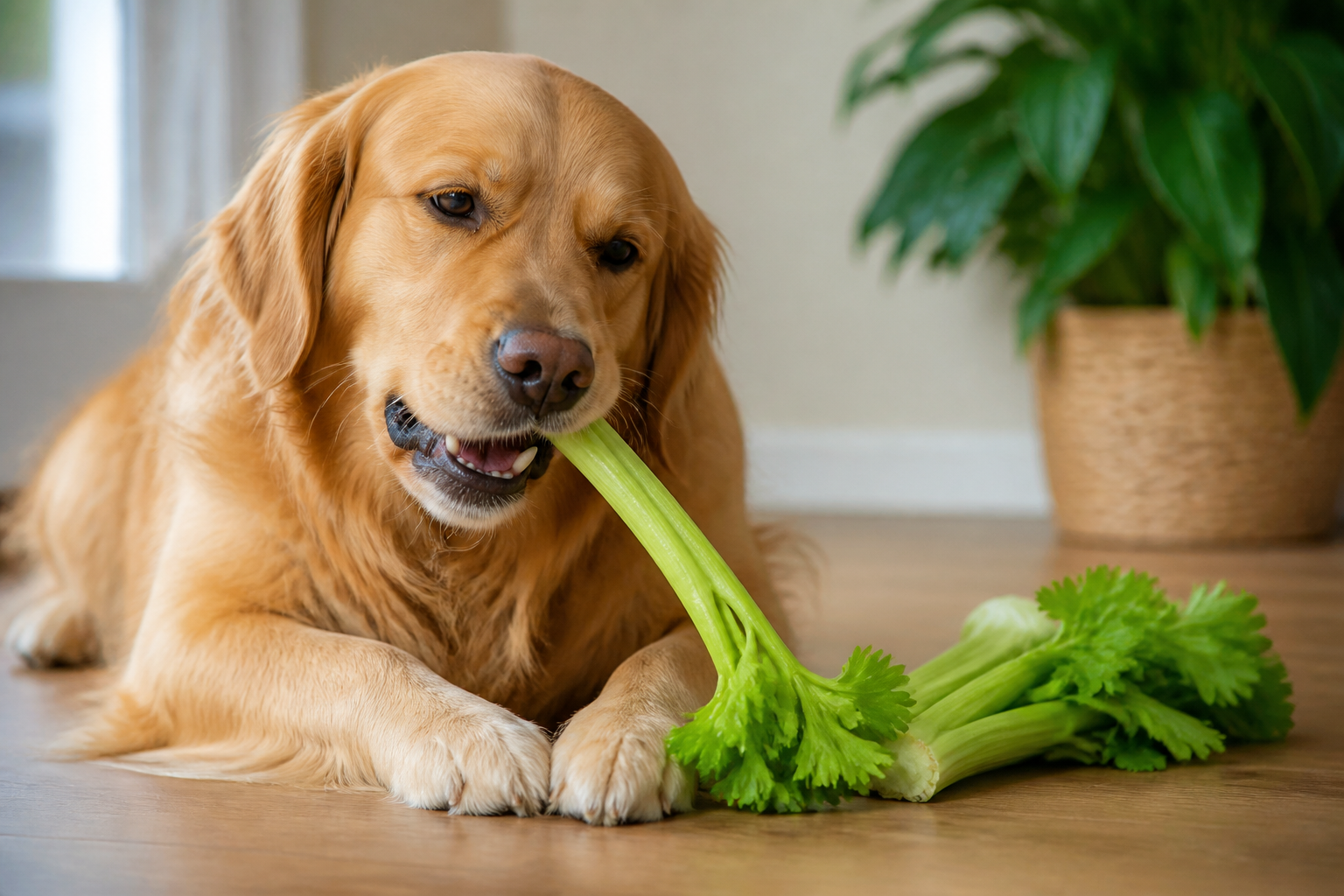
You are in the kitchen prepping a fresh salad when you notice a familiar pair of eyes watching every move of your knife. Your dog is sitting patiently, hoping for a stray scrap to fall. Many of us reach for a piece of celery to share a healthy crunch with our companions. We often hear that this fibrous vegetable acts like a natural toothbrush for humans, which leads to a common question for pet parents. Does celery help clean dogs teeth as well?
At BaxterBoo, we know that maintaining your dog's oral hygiene can feel like a constant battle against bad breath and plaque. In this guide, we will look at how celery interacts with canine dental health, the nutritional benefits it offers, and the safety precautions you must take. While celery provides some mechanical cleaning benefits, it is important to understand where it fits within a complete dental care routine.
Quick Answer: Celery can help clean a dog's teeth through mechanical scraping and by increasing saliva production to wash away food debris. While it is excellent for freshening breath and providing a low-calorie crunch, it is not a substitute for regular brushing or professional veterinary cleanings.
How Celery Works on Canine Teeth
The primary way celery helps with dental hygiene is through mechanical action. When a dog bites down on a raw celery stalk, the tough, fibrous strands rub against the surface of the teeth. This action acts similarly to the bristles of a toothbrush. It can help scrape away soft plaque and food particles before they have a chance to harden into tartar.
The texture of celery requires more chewing than a standard soft treat. This extended chewing time is beneficial because it stimulates the production of saliva. Saliva is a natural defense mechanism in a dog's mouth. It contains enzymes that help break down food and wash away bacteria that contribute to decay. Increased saliva flow also helps neutralize acids that can damage tooth enamel over time.
Beyond the physical cleaning, celery is famous for its ability to freshen breath. The high water content and refreshing scent help mask the odors caused by bacteria. However, it is important to remember that bad breath is often a sign of underlying dental issues. While celery can act like a natural breath mint, it does not treat the root cause of gum disease or deep-seated infections.
Key Takeaway: The fibrous nature of celery provides a mechanical scrubbing effect that helps remove soft plaque and stimulates saliva to wash the mouth.
The Nutritional Value of a Celery Snack
When we choose treats for our pets, we want to ensure they offer more than just a good crunch. Celery is a nutritional powerhouse for a vegetable that is 95 percent water. It is packed with vitamins and minerals that support more than just the mouth.
Essential Vitamins for Dogs
Celery contains a variety of vitamins that contribute to a dog's overall wellness.
- Vitamin A: This is vital for maintaining healthy vision and a strong immune system. It also supports skin and coat health.
- Vitamin C: While dogs produce their own Vitamin C, an extra boost from vegetables acts as an antioxidant. This helps reduce inflammation and supports joint health in senior dogs.
- Vitamin K: This vitamin is essential for proper blood clotting and maintaining strong bone density.
Minerals and Hydration
The mineral content in celery includes potassium and manganese. Potassium helps with nerve function and muscle health. Manganese supports the formation of bones and the metabolism of carbohydrates. Because celery is almost entirely water, it is also a fantastic way to sneak extra hydration into your dog's day. This is especially helpful during the hot summer months or after a long hike in the woods.
Weight Management Benefits
One of the biggest advantages of using celery as a treat is the low calorie count. A single stalk typically contains only about seven calories. It is also very low in fat and cholesterol. For owners managing an overweight dog, celery is a perfect substitute for high-calorie biscuits. The Association for Pet Obesity Prevention often recommends crunchy vegetables as a way to reward pets without contributing to weight gain.
Vet Tip: If you are using celery to help manage your dog's weight, ensure that all treats still follow the 10 percent rule. Treats should never exceed 10 percent of your dog's total daily caloric intake to maintain a balanced diet.
Safety Precautions and Potential Risks
While celery is generally safe, it is not without its risks. As with any human food, you must prepare it correctly to avoid an emergency visit to the clinic.
Choking Hazards and Blockages
The most significant risk associated with celery is choking. Celery is very tough and stringy. These long fibers can be difficult for a dog to break down, especially if they are a "gulper" who swallows treats whole. For small breeds like Chihuahuas or Yorkies, a large chunk of celery can easily become lodged in the throat.
Even if the dog swallows the celery, the long, unchewed strings can sometimes cause issues in the digestive tract. This is particularly true for puppies with smaller, developing digestive systems. Always cut celery into bite-sized pieces about the size of your dog's regular kibble. This reduces the risk of choking and makes the fiber easier to digest.
Pesticides and Cleaning
Celery frequently appears on lists of produce with the highest pesticide residue. It is often referred to as one of the "dirty dozen" vegetables. Because the stalks grow close to the ground, they can harbor bacteria and chemicals.
Step 1: Choose organic celery whenever possible to minimize chemical exposure.
Step 2: Wash each stalk thoroughly under cold running water.
Step 3: Remove the leaves if your dog is picky, though the leaves are safe to eat.
Step 4: Trim off the white base and the very top of the stalk before slicing.
Digestive Upset
The high fiber content in celery is a double-edged sword. While fiber helps with regular bowel movements, too much of it can cause gas, bloating, or diarrhea. If your dog has a sensitive stomach, introduce celery very slowly. Start with one small piece and monitor their stool for 24 hours before offering more.
Comparing Celery to Other Dental Solutions
It is helpful to see how celery stacks up against other common oral care methods. While we love the natural benefits of vegetables, they are just one piece of the puzzle.
| Feature | Celery | Dental Chews (e.g., Greenies) | Toothbrushing |
|---|---|---|---|
| Plaque Removal | Moderate (Mechanical) | High (Formulated texture) | Excellent (Direct contact) |
| Calorie Count | Very Low | Moderate | Zero |
| Breath Freshening | Temporary | Moderate to High | High (With enzymatic paste) |
| Cost | Low | Moderate | Low (Cost of paste/brush) |
| Difficulty Level | Easy | Easy | Hard (Requires training) |
As the table shows, celery is a great supplementary tool, but it cannot match the effectiveness of a toothbrush and enzymatic toothpaste. Brushing remains the gold standard for preventing periodontal disease. We carry a wide variety of dental tools and formulated treats from trusted brands like Greenies and Cosequin that are specifically designed to target tartar buildup.
Bottom line: Celery is an excellent low-calorie "breath mint," but it should supplement a routine that includes brushing or specialized dental chews.
Integrating Celery into a Care Routine
If you want to use celery to help keep your dog's mouth clean, consistency is key. You can make the experience more enjoyable by getting creative with how you serve it.
Serving Suggestions
- Plain and Crunchy: Most dogs enjoy the simple crunch of a raw, chilled piece of celery. The cold temperature can also be soothing for teething puppies or dogs with mild gum inflammation.
- The "Ants on a Log" Method: Smear a tiny amount of xylitol-free peanut butter into the groove of the celery. This encourages longer licking and chewing, which increases saliva production. Always check the label to ensure there are no artificial sweeteners like xylitol, which is highly toxic to dogs.
- Steamed for Seniors: If you have an older dog with missing teeth or sensitive gums, raw celery might be too hard. Lightly steaming the celery softens the fibers while still providing some mechanical cleaning benefit.
- Frozen Treats: On a hot day, you can freeze bite-sized celery chunks. These act like healthy ice cubes that provide a satisfying crunch and help keep your dog hydrated.
Transitioning to Veggie Treats
Not every dog will immediately love the taste of celery. Some might find the flavor too bland or the texture strange. To help them adjust, try mixing small pieces of celery in with their regular food. You can also toss a piece of celery into a bowl of low-sodium chicken broth for a few minutes to give it an enticing scent before offering it as a treat.
For more ideas about puppy chewing and dental safety, read our guide to when dogs lose their puppy teeth.
Professional Care and the Pharmacy Connection
No matter how many crunchy vegetables your dog eats, they still need professional veterinary checkups. Dental disease is extremely common in dogs over the age of three. It can lead to serious health problems beyond the mouth, including heart, liver, and kidney issues caused by bacteria entering the bloodstream.
If your dog has advanced dental issues, such as red gums, broken teeth, or heavy tartar, a vegetable snack will not be enough. In these cases, your veterinarian may prescribe a specific dental diet or oral medications. Through our partnership with Pet's Choice, we offer a fully stocked pet pharmacy with FDA-approved medications and prescription pet foods. This includes specialized formulas from brands like Royal Canin and Farmina Vet Life that are designed to support oral health and manage chronic conditions.
Vet Tip: Schedule a professional dental exam at least once a year. Your vet can identify issues under the gumline that are impossible to see at home, even if your dog's teeth look white.
For additional guidance on routine brushing, dental treats, and professional cleanings, explore our pet dental care tips.
Signs Your Dog Needs More Than Celery
It is important to recognize when your dog's oral health requires more than just a crunchy snack. Watch for these red flags during your weekly home health checks:
- Persistent Bad Breath: While "dog breath" is normal, a truly foul or sweet odor can indicate infection or underlying metabolic issues.
- Bleeding Gums: You may notice blood on their chew toys or when they eat crunchy food.
- Changes in Eating Habits: If your dog starts dropping food or chewing on only one side of their mouth, they may be in pain.
- Visible Tartar: Look for yellow or brown crusty buildup near the gumline. This cannot be removed by celery or brushing alone and requires professional scaling.
- Excessive Drooling: A sudden increase in saliva can be a sign of oral discomfort or a foreign object stuck in the mouth.
If you notice any of these symptoms, please consult your veterinarian. They can provide a proper diagnosis and help you create a treatment plan that might include prescription items from our dog pharmacy.
For a closer look at warning signs, read how to recognize hidden dental problems in dogs.
Final Thoughts on Celery for Dental Health
Celery is a wonderful, low-calorie addition to a healthy dog's lifestyle. It offers a satisfying crunch that can help scrape away soft plaque and significantly freshen up stinky breath. We love it as a budget-friendly way to reward our pets while supporting their hydration and weight management goals.
However, we must view celery as a "helper" rather than a "cure." It works best when paired with regular toothbrushing, high-quality dental chews, and annual veterinary visits. By taking a proactive approach to your dog's oral hygiene, you can help them live a longer, more comfortable life.
- Always cut celery into bite-sized pieces to prevent choking.
- Wash the stalks thoroughly to remove pesticides.
- Use celery as a supplement to, not a replacement for, brushing.
- Monitor your dog for any signs of digestive upset or dental pain.
For more ways to support your dog's smile, explore our dog dental care category or talk to us about our Autoship programme to ensure you never run out of their favorite healthy treats.
FAQ
Can puppies eat celery for their teeth?
Puppies can eat celery, but you should wait until they are at least six months old and have their adult teeth. Because their digestive systems are still developing, the high fiber in celery can easily cause an upset stomach. Always cut it into very small, soft-kibble-sized pieces to avoid any choking risks during the teething phase.
Should I remove the strings from celery before giving it to my dog?
Removing the long, stringy fibers is a great safety measure, especially for small dog breeds or seniors with sensitive stomachs. These strings can be difficult to digest and may pose a choking hazard if swallowed in large clumps. Using a vegetable peeler to remove the outer layer of strings makes the snack much safer and easier for your dog to enjoy.
Is cooked celery as good for dental health as raw celery?
Cooked or steamed celery is much softer, which means it loses the mechanical scraping power that helps clean teeth. While it still provides great vitamins and hydration, raw celery is the better choice for dental hygiene purposes. If your dog has dental pain and cannot chew raw vegetables, cooked celery is still a healthy nutritional treat, but it will not help remove plaque.
How often can my dog eat celery as a dental treat?
You can offer a few small pieces of celery a few times a week as part of their treat rotation. Since it is so low in calories, it is safer for frequent use than many commercial biscuits. However, balance is vital, so ensure that celery and all other treats combined do not make up more than 10 percent of their daily diet.






