
 Save 15% on your 1st Autoship learn more

 Email us
 Live Chat
 FAQs
FAQs





Introduction
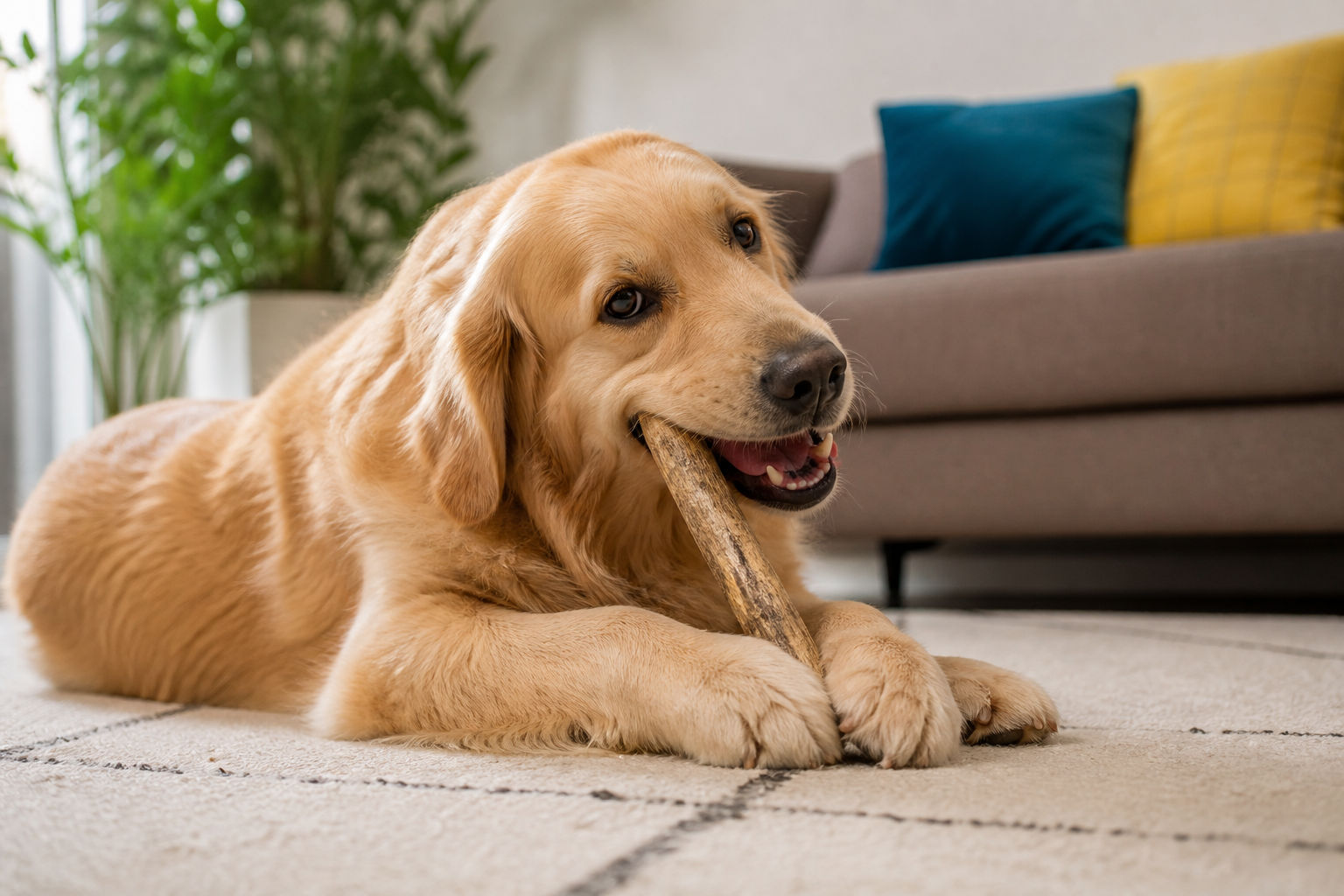
You are playing fetch in the backyard when your dog ignores the ball and grabs a large fallen branch instead. As they settle into the grass to gnaw on the wood, you might wonder if this natural behavior is actually doing some good for their oral hygiene. It is a common thought for many pet owners. We see the rough texture of the wood and assume it works like a natural toothbrush to scrape away grime.
At BaxterBoo, we want to help you separate helpful habits from hidden hazards. While the urge to chew is a healthy instinct, the tools your dog chooses matter for their safety. This post covers why backyard sticks are dangerous and how specific dental chews can actually improve oral health. You will learn what makes a chew effective and how to build a safe routine for your dog.
Why Backyard Sticks are Not the Answer
It is a myth that chewing on regular wood sticks will effectively clean your dog’s teeth. In reality, sticks from the yard pose several significant risks to your pet's health. Wood is an unpredictable material. When a dog bites down on a dry stick, it often shatters into sharp shards. These splinters can pierce the gums, tongue, or the roof of the mouth. This leads to painful infections or abscesses that require a visit to the veterinarian.
Beyond the physical injury, backyard sticks are often covered in bacteria, fungi, and even parasites. If your dog swallows pieces of the wood, it can lead to more than just a stomach ache. Larger chunks can cause intestinal blockages. These are life-threatening emergencies that often require surgery to correct.
Quick Answer: No, chewing on backyard sticks does not safely clean a dog's teeth. Real wood splinters easily and can cause oral injuries or internal blockages. Stick to approved dental chews for safe cleaning.
Common Risks of Wood Chewing
- Oral punctures from splinters
- Gastrointestinal blockages from swallowed wood
- Choking hazards from small, broken pieces
- Exposure to outdoor bacteria or chemicals
How Commercial Dental Sticks Work
If backyard sticks are out, you might look toward the "dental sticks" found in pet stores. These products are designed specifically to provide the mechanical scrubbing action that wood cannot safely offer. When your dog chews on a high-quality dental treat, the texture is the most important factor. These treats are often shaped with ridges, nubs, or a porous structure.
As your dog’s teeth sink into the treat, the material rubs against the tooth surface. This action helps wipe away plaque before it has a chance to harden into tartar. Some chews also include active ingredients like hexametaphosphate. This compound helps prevent minerals in the saliva from forming tartar. Explore our dental treats for dogs to compare different textures and formulas.
The Role of Enzymes
Some premium dental chews go beyond just scrubbing. They use enzymes to break down the bacterial biofilm that forms on teeth. This biofilm is the sticky layer that eventually becomes plaque. By attacking the bacteria directly, these chews help freshen breath and keep the gums healthier.
Key Takeaway: Commercial dental sticks use mechanical abrasion and special enzymes to reduce plaque and tartar safely. They are designed to crumble or dissolve rather than splinter.
What to Look for on a Label
Not all dental treats are created equal. When you are browsing our selection at BaxterBoo, you should look for specific indicators of quality. The most important signal is the Veterinary Oral Health Council (VOHC) seal. This seal is only awarded to products that have undergone rigorous testing. It proves the product actually reduces plaque or tartar by a certain percentage.
You should also check the ingredient list. Look for treats that are easily digestible. Avoid products with excessive fillers or artificial dyes that offer no nutritional value. The texture should be firm but not rock-hard. A good rule of thumb is the "fingernail test." If you can make a small dent in the chew with your fingernail, it is likely safe. If it is as hard as a rock, it could fracture your dog’s teeth.
Choosing the Right Size
Size is a critical safety factor for dental chews. If a chew is too small, a large dog might swallow it whole. This eliminates the dental benefit and creates a choking risk. If it is too large, a small dog might struggle to chew it properly.
Always follow the weight guidelines on the packaging. These recommendations ensure the chew lasts long enough to actually clean the teeth through repeated gnawing. For additional guidance, read our article about choosing the best dental chews for dogs.
Vet Tip: Always supervise your dog when they are enjoying a dental chew. Even the safest products can become a choking hazard if your dog tries to swallow the last large piece.
Comparing Different Chew Options
There are many types of chews on the market. Some are for entertainment, while others focus on health. Understanding the difference helps you choose the right one for your dog's needs.
| Chew Type | Dental Benefit | Safety Level | Best For |
|---|---|---|---|
| Backyard Stick | Very Low | Dangerous | None |
| Nylon/Hard Plastic | Moderate | Low (Tooth fractures) | Power chewers (with caution) |
| Bully Sticks | Moderate | High | Natural chewing needs |
| VOHC Dental Sticks | High | High | Daily plaque control |
| Rawhide | Moderate | Medium | Supervised chewing only |
Bottom line: VOHC-approved dental sticks are the gold standard for daily oral maintenance due to their tested effectiveness and safety.
For more guidance about natural chewing options, see are bully sticks safe for dogs.
The Importance of Professional Care
While dental chews are a great tool, they are not a magic fix. They are a supplement to a complete oral health routine. Think of them like sugar-free gum for humans. It might help freshen breath, but it does not replace a toothbrush or a dentist visit.
If your dog already has thick, brown tartar buildup, a chew will not remove it. Hardened tartar requires professional scaling by a veterinarian. Our pet pharmacy offers access to prescription dental diets and specialized medications through our partnership with Pet's Choice. These products are often necessary for dogs with advanced periodontal disease or sensitive gums.
Signs of Dental Trouble
- Persistent bad breath (halitosis)
- Red or bleeding gums
- Difficulty eating or dropping food
- Yellow or brown crust on the teeth
- Excessive drooling
If you notice any of these signs, you should consult your veterinarian. Starting a new chew routine when a dog has a painful tooth or infected gums can make the problem worse. Your vet can perform a full exam and let you know if a professional cleaning is needed before you move to home care. You can also review warning signs of dental disease in dogs.
Step-by-Step: Introducing Dental Chews
If your dog is new to dental chews, you should introduce them slowly. This prevents stomach upset and ensures they learn how to chew the treat safely.
Step 1: Check with your vet. / Ensure your dog's teeth are healthy enough for firm chews. Step 2: Choose the correct size. / Select a product based on your dog's current weight. Step 3: Hold the chew initially. / Hold one end of the stick while your dog gnaws on the other to encourage slow chewing. Step 4: Monitor the digestion. / Watch for any signs of soft stool or gas after the first few treats. Step 5: Set a daily routine. / Offer the chew at the same time each day, such as after their evening meal.
Beyond the Chew: Brushing Still Matters
The most effective way to clean a dog's teeth is still brushing. Dental chews are a wonderful backup, but they often miss the gum line. Bacteria like to hide under the edges of the gums. This is where periodontal disease starts.
Brushing with a pet-safe toothpaste and a soft brush reaches those hidden areas. If your dog is stubborn about brushing, using dental sticks on the days you cannot brush is a great compromise. We carry a wide variety of toothbrushes and flavored pastes to make the process easier for both of you. For more at-home guidance, explore these pet dental care tips.
Why Quality Matters for Senior Dogs
As dogs age, their dental needs change. Senior dogs may have weaker teeth or existing gum recession. For these dogs, a backyard stick is even more dangerous. The hard wood can easily snap a brittle tooth.
For older pets, look for softer dental chews. Some brands offer "senior" formulas that are easier to break down but still provide the necessary friction. Maintaining oral health in senior dogs is vital because dental infections can spread bacteria to the heart and kidneys.
The Environmental Impact of Your Choice
When you choose a dental chew over a backyard stick, you are also making a choice about what goes into your dog's body. Many modern dental sticks are made with sustainable ingredients. Brands like The Honest Kitchen or Zesty Paws focus on high-quality components.
By avoiding sticks from the yard, you also avoid potential lawn chemicals, pesticides, or fertilizers. These substances can cling to wood and be ingested by your pet. Controlling the environment by providing a clean, lab-tested treat is a much safer path.
Managing Your Dog’s Weight and Chews
It is easy to forget that dental chews contain calories. If you are giving a large dental stick every day, you may need to adjust your dog's meal portions. Obesity is a major health concern for pets. It can lead to joint issues and diabetes.
Check the packaging for the calorie count per treat. Most vets recommend that treats and chews make up no more than ten percent of a dog's daily caloric intake. If your dog is on a strict diet, our pharmacy carries prescription weight management foods that can be paired with lower-calorie dental options.
Key Takeaway: Dental chews are food items. Always factor their calorie count into your dog’s daily diet to prevent unwanted weight gain.
Conclusion
Chewing is a natural and necessary behavior for dogs, but not all chewing material is safe. While backyard sticks might seem like a free and easy solution, the risks of splinters and blockages far outweigh any minor dental benefit. Switching to a VOHC-approved dental chew provides a safe way for your dog to scrub away plaque and freshen their breath.
Remember that these treats work best alongside regular brushing and professional veterinary checkups. We have been helping pet owners since 2006, and our team is always here to help you find the best brands for your dog's specific needs. For dogs with advanced dental needs, our pharmacy partnership with Pet's Choice ensures you have access to the prescription diets and medications your vet recommends.
- Avoid backyard sticks to prevent oral injuries.
- Look for the VOHC seal on all dental products.
- Supervise every chewing session.
- Factor chews into your dog's total daily calories.
Visit our dental care category today to find the perfect chew for your dog's daily routine.
FAQ
Are natural bones safer than sticks for cleaning teeth? While real bones are less likely to splinter like wood, they are often too hard for a dog's teeth. Chewing on cow femurs or other large bones frequently leads to painful tooth fractures. It is much safer to use a dental chew designed to give slightly under the pressure of a dog's jaw.
How often should I give my dog a dental stick? Most manufacturers recommend one dental chew per day for the best results in plaque control. Giving them more than this can lead to an upset stomach or excessive calorie intake. Always follow the specific instructions on the product packaging and consult your vet if your dog has a sensitive stomach.
Can puppies use dental chews to clean their teeth? Puppies can benefit from chewing to relieve teething pain, but you must choose products specifically made for them. Puppy teeth are more fragile than adult teeth, so standard dental sticks may be too hard. Look for puppy-specific chews and always wait until they are at least six months old for most standard dental products.
My dog swallows dental chews in seconds, are they still working? If your dog gulps down a chew without much effort, they are not getting the dental benefits. The cleaning comes from the repeated mechanical action of teeth rubbing against the treat. If your dog is a "gulper," try a larger size or a different shape that forces them to slow down and chew.






