
 Save 15% on your 1st Autoship learn more

 Email us
 Live Chat
 FAQs
FAQs





Introduction
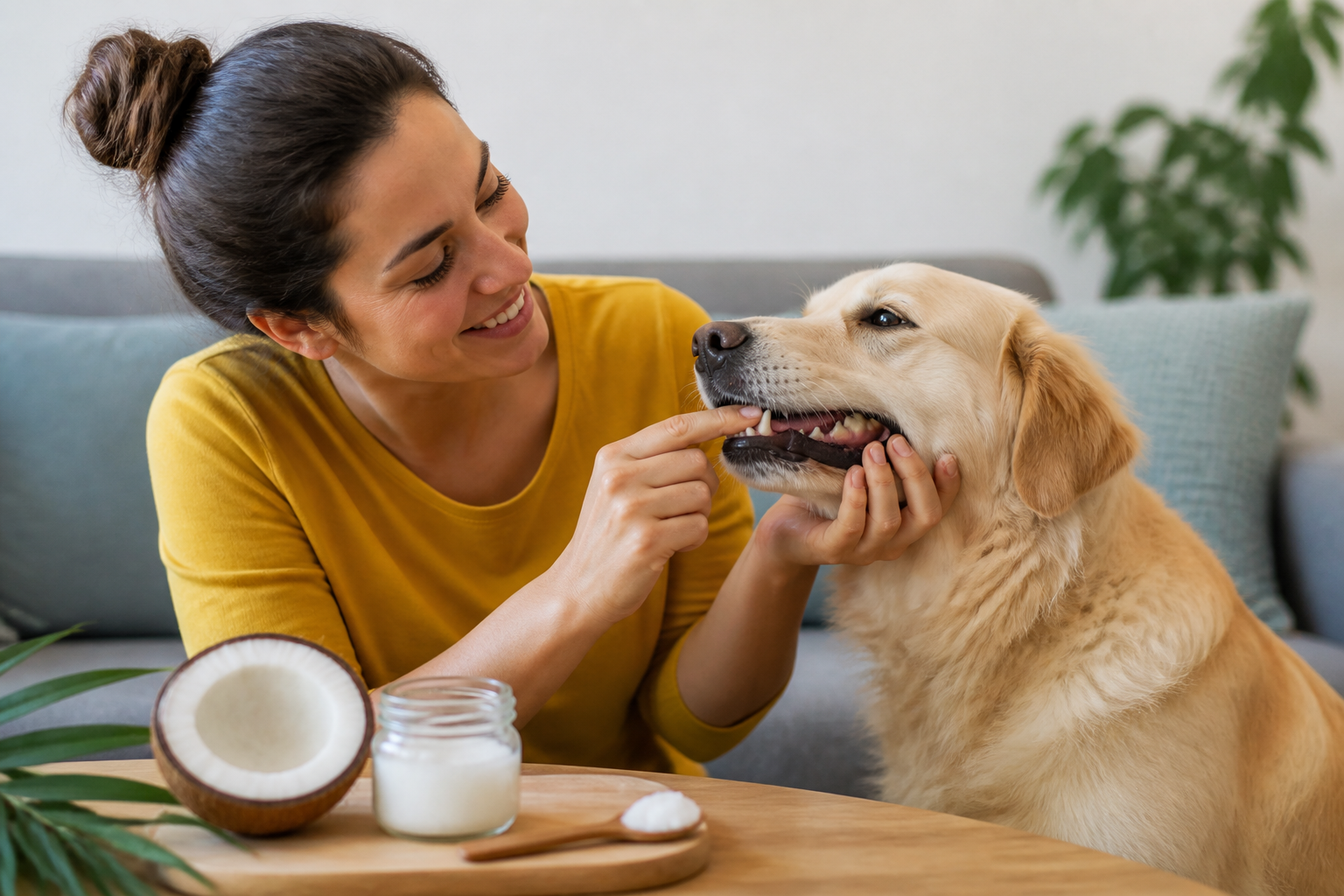
You lean in for a friendly nuzzle from your dog and suddenly realize their breath could clear a room. That "dog breath" is often the first sign of plaque buildup and gum irritation. While most dogs do not enjoy a traditional toothbrush, many pet parents look for natural ways to support oral health at home. Coconut oil has gained popularity as a simple addition to the canine dental routine. At BaxterBoo, we see many owners looking for practical solutions that fit into a busy lifestyle. This article covers how coconut oil works for canine oral health, the best ways to apply it, and how to use it safely without upsetting your dog's stomach. You will learn how to integrate this natural fat into a complete dental care plan.
Quick Answer: Coconut oil contains lauric acid, which has antimicrobial properties that help reduce the bacteria responsible for plaque and bad breath. While it helps maintain a cleaner mouth, it should supplement regular brushing rather than replace it entirely.
How Coconut Oil Works for Dental Health
Coconut oil is unique because of its high concentration of medium-chain triglycerides (MCTs). Specifically, it is rich in lauric acid. This fatty acid makes up about 50 percent of the fats found in coconut oil. In the world of biology, lauric acid is known for its ability to fight off harmful microbes. When it comes into contact with the bacteria in a dog's mouth, it helps break down the protective layers of those germs.
Bacteria are the primary cause of dental issues in dogs. These microbes live in the mouth and feast on food particles. As they grow, they form a sticky film called plaque. If that plaque is not removed, it hardens into tartar. Tartar is much harder to clean and often requires a professional veterinary visit. By using coconut oil, you are introducing a natural substance that makes life harder for those bacteria. For additional guidance on plaque, tartar, and warning signs, read our guide to recognizing bad teeth in dogs.
The Role of Lauric Acid
Lauric acid acts as a natural shield. It targets specific types of bacteria that lead to tooth decay and gum disease. When you apply coconut oil to the teeth, the lauric acid works to neutralize these microorganisms. This process can lead to a significant reduction in mouth odors. It also helps soothe the gums. If your dog has minor redness along the gum line, the soothing nature of the oil may provide some relief.
Improving Breath Quality
Bad breath is usually a byproduct of bacterial activity. These bacteria release sulfur compounds that create that distinct, unpleasant smell. Coconut oil helps by lowering the total population of these bacteria. It does not just mask the smell with a tropical scent. It addresses one of the root causes of the odor. This makes the mouth a less hospitable environment for the germs that cause "dog breath." You can also explore a dog dental water additive for plaque and tartar care.
Choosing the Right Coconut Oil
Not all coconut oil is the same. If you walk down the baking aisle of a grocery store, you will see several different labels. Choosing the wrong type might mean you lose the very benefits you are looking for. At BaxterBoo, we recommend looking for specific quality markers to ensure your dog gets the best results.
Virgin and Unrefined Options
You should always look for "virgin" or "unrefined" coconut oil. This means the oil was extracted from fresh coconut meat without the use of harsh chemicals or high heat. Heat and chemicals can destroy the lauric acid. Refined coconut oil is often bleached and deodorized. While it is fine for high-heat cooking, it lacks the antimicrobial punch of the unrefined version.
Organic and Pure
Organic labels are helpful because they ensure the coconuts were grown without synthetic pesticides. This is important because your dog will be ingesting the oil. You also want to check the ingredient list. It should have exactly one ingredient: coconut oil. Avoid anything with added flavors, sweeteners, or preservatives. Some human-grade coconut oils might have xylitol or other additives that are toxic to dogs. Always verify the label is 100 percent pure.
| Feature | Virgin/Unrefined Oil | Refined Oil |
|---|---|---|
| Extraction Method | Cold-pressed or expeller-pressed | Chemical or high-heat extraction |
| Nutrient Content | High lauric acid levels | Lower nutrient density |
| Scent/Flavor | Mild coconut scent | Neutral and scentless |
| Best For | Dental and skin health | High-heat baking |
Key Takeaway: Always choose unrefined, virgin, and organic coconut oil to ensure the highest levels of lauric acid and the fewest chemical additives.
Practical Ways to Use Coconut Oil for Teeth
There are several ways to get coconut oil into your dog's mouth. The method you choose depends on your dog's personality and how much they tolerate handling. If your dog is easy-going, direct application is most effective. If they are mouth-shy, you might need a more indirect approach.
The Finger Rub Method
This is the simplest way to start. Take a small amount of coconut oil on your index finger. Let it melt slightly from your body heat. Gently lift your dog’s lip and rub the oil directly onto their teeth and gums. Focus on the back molars where plaque tends to hide. Most dogs enjoy the taste, so they are less likely to pull away compared to a minty human-style toothpaste.
Using it as a Toothpaste
You can also use coconut oil with a soft-bristled dog toothbrush. Apply a pea-sized amount to the brush. The oil acts as a lubricant and a cleaning agent. The mechanical action of the brush helps scrub away loose debris. The coconut oil provides the antimicrobial boost. This combination is much more effective than using the oil alone. For more routine-building ideas, review our pet dental care tips.
Coconut Oil Frozen Treats
If your dog refuses to let you touch their mouth, you can make dental treats. Melt the oil and pour it into small silicone molds. You can even add a bit of chopped parsley for extra breath-freshening power. Freeze the molds until they are solid. Give your dog one small cube a few times a week. As they chew the cold oil, it coats the teeth and provides a brief antimicrobial effect.
Step-by-Step: Introducing Coconut Oil Brushing
Step 1: Let your dog lick a small amount of coconut oil off your finger. This builds a positive association with the taste.
Step 2: Rub your finger along their gums for a few seconds. Reward them with praise immediately after.
Step 3: Introduce a soft toothbrush with a small amount of oil. Start with just the front teeth.
Step 4: Gradually work your way toward the back of the mouth over several sessions.
Step 5: Aim for a 30-second session three times per week.
Safety and Dosage Guidelines
While coconut oil is natural, it is also very calorie-dense. It is essentially pure fat. If you give too much, you can cause weight gain or digestive issues. You must introduce it slowly to your dog's routine.
Recommended Amounts
For a small dog under 10 pounds, start with just a tiny dab, about an eighth of a teaspoon. For medium dogs, use a quarter teaspoon. Large dogs can handle about half a teaspoon. You can eventually work up to a full teaspoon for large breeds, but there is rarely a need to go higher than that for dental purposes.
Monitoring for Digestive Upset
The most common side effect of coconut oil is loose stools. Because it is a fat, it can act as a mild laxative if the body is not used to it. If you notice any diarrhea or greasy stools, stop using the oil for a few days. When you start again, use a much smaller amount. Some dogs with very sensitive stomachs may never tolerate it well.
Vet Tip: If your dog has a history of pancreatitis or is on a strict low-fat diet, do not use coconut oil without consulting your veterinarian first. High fat intake can trigger a flare-up of pancreatic inflammation, which is a serious medical condition.
Potential Risks to Consider
Coconut oil is not a miracle cure for every dog. There are specific health factors you need to weigh before making it a permanent part of your pet's life.
Caloric Intake and Weight
Obesity is a major health concern for US dogs. A single tablespoon of coconut oil contains about 120 calories. If you have a small dog, that is a huge portion of their daily needs. You must adjust their regular meals to account for these extra calories. If your dog is already overweight, adding oil might do more harm to their joints than good for their teeth.
Allergic Reactions
While rare, some dogs can be allergic to coconut. Watch for signs of an allergic reaction. These include excessive itching, hives, or swelling of the face and paws. If you see these signs after the first use, wash your dog’s mouth out with water and call your vet.
High Cholesterol
In some breeds, high-fat supplements can lead to elevated blood lipids. This is something your vet might monitor during annual blood work. If your dog already has high cholesterol or triglycerides, coconut oil might not be the right choice.
Integrating Coconut Oil into a Full Routine
Coconut oil should be one tool in a larger dental health toolkit. It cannot do all the heavy lifting alone. At BaxterBoo, we carry a wide range of products that work alongside natural oils to keep your dog's mouth healthy. Browse our dog dental care collection.
Dental Chews and Toys
Chewing is a natural way for dogs to clean their teeth. When a dog chews on a textured toy like a KONG or a specific dental chew, the friction helps scrape off plaque. You can even smear a tiny bit of coconut oil inside a rubber toy to encourage them to chew longer. This combines the antimicrobial benefits of the oil with the physical cleaning of the toy. The KONG Classic Hard Rubber Dental Dog Toy is one option to consider.
High-Quality Nutrition
Dental health starts in the bowl. Foods that are high in carbohydrates and sugars can contribute to faster plaque buildup. Feeding a high-quality diet from brands like Stella and Chewy's or The Honest Kitchen can support overall wellness. Some brands like Farmina Vet Life offer specific formulas for weight management. This is helpful if you are worried about the extra calories from coconut oil. Explore our dog health products for additional options.
The Importance of Professional Care
No home remedy can replace a professional cleaning. Your vet has specialized tools to clean under the gum line where a toothbrush cannot reach. They also take X-rays to look for problems with the roots of the teeth. If your dog has broken teeth or deep infections, coconut oil will not fix those problems. Dental chews for dogs can complement home care, but they do not replace veterinary attention.
Key Takeaway: Use coconut oil as a preventative measure. It is a great way to maintain a healthy mouth, but it cannot cure existing dental disease or remove heavy tartar.
When to See a Veterinarian
It is important to recognize when a dental problem has moved beyond what you can handle at home. If your dog’s mouth looks or smells unhealthy, a bottle of oil will not solve the issue.
Signs of Dental Disease
- Deep red or bleeding gums.
- Loose or missing teeth.
- Excessive drooling.
- Pawing at the mouth or face.
- Dropping food while eating.
- Bumps or growths on the gums.
If you see these signs, please schedule a vet visit. For dogs with chronic dental conditions, our pet pharmacy offers medications and prescription dental diets. These specialized foods are often designed with a specific texture that cleans teeth as the dog eats. Our pharmacy is a reliable resource for managing ongoing health needs that require a professional touch.
Storage and Handling Tips
To keep your coconut oil effective, you must store it correctly. Heat, light, and air are the enemies of healthy fats.
Temperature Consistency
Coconut oil has a melting point of about 76 degrees Fahrenheit. It will switch between a solid and a liquid depending on the temperature of your home. This is perfectly normal and does not ruin the oil. However, try to avoid constant extreme shifts. Keep the jar in a cool, dark pantry rather than on a sunny windowsill.
Hygiene Best Practices
Do not double-dip your finger into the jar after touching your dog’s mouth. This introduces bacteria from their mouth into the oil, which can cause the oil to spoil faster. Use a clean spoon to scoop out the amount you need for each session. This keeps the entire jar fresh for longer.
Better Together: BaxterBoo Programs
We want to make it easy for you to maintain your dog's dental health. Using coconut oil is a great start, but you will also need brushes, toys, and healthy food. Our MVP Rewards program allows you to earn up to 5 percent back on your purchases. This helps you save money on the dental supplies you use every week.
If you find a routine that works, consider our Autoship program. You can have your dog's favorite dental chews or high-quality food delivered on a schedule that fits your needs. This ensures you never run out of the supplies your dog relies on for a clean mouth. Plus, your first Autoship order comes with savings and a free MVP Gold membership.
Bottom line: Coconut oil is a safe, natural, and effective way to reduce mouth bacteria and freshen breath when used in moderation as part of a complete dental care plan.
Conclusion
Adding coconut oil to your dog's dental routine is a practical step toward better oral health. The lauric acid provides a natural defense against the bacteria that cause plaque and bad odors. Remember to choose high-quality, unrefined oil and start with very small amounts. While it is a fantastic tool for maintenance, it works best when paired with regular brushing and professional veterinary checkups. By staying consistent with these small habits, you can keep your dog’s smile bright and their breath much more hug-friendly. Explore our selection of dental toys and health-focused foods to build the perfect routine for your pup.
FAQ
Can I use the coconut oil I already have in my kitchen?
You can use it as long as it is 100 percent pure coconut oil. Check the label to ensure there are no added sugars, flavors, or artificial sweeteners like xylitol, which is toxic to dogs. For the best dental benefits, it should be virgin or unrefined oil. If your kitchen oil is refined, it may still be safe, but it will have less lauric acid for fighting bacteria.
How often should I put coconut oil on my dog's teeth?
A good target for most dogs is two to three times per week. This provides a consistent antimicrobial effect without adding too many calories to their diet. If your dog has a very clean mouth and no breath issues, once a week might be enough. If they have significant bad breath, you can try a small amount once a day, provided their stomach tolerates the extra fat well.
Will coconut oil remove existing tartar from my dog's teeth?
No, coconut oil cannot remove tartar once it has hardened onto the teeth. Tartar is a mineralized deposit that usually requires professional scraping by a veterinarian. Coconut oil is best used as a preventative measure to stop plaque from turning into tartar in the first place. If you can see hard, brown, or yellow buildup on your dog's teeth, it is time for a professional cleaning.
Can coconut oil cause my dog to gain weight?
Yes, coconut oil is very high in calories because it is pure fat. If you add it to your dog's daily routine without adjusting their food portions, they will likely gain weight over time. Always start with a very small amount and watch your dog's body condition. For small breeds especially, a little bit of coconut oil goes a very long way in terms of their daily caloric needs.






